

Introduction
In an era where efficiency meets innovation, modular building systems have emerged as a game-changer in the construction industry. These systems allow for the rapid assembly of structures using pre-manufactured components, significantly reducing construction time and costs while maintaining high quality. As urbanization accelerates and housing demands rise, the relevance of modular building systems becomes increasingly paramount.
What Are Modular Building Systems?
Modular building systems are prefabricated structures composed of standardized sections or modules that can be assembled on-site to create various types of buildings. This approach not only streamlines the construction process but also offers flexibility in design and use, making it suitable for residential, commercial, and industrial applications alike. By utilizing modular building systems, builders can achieve remarkable speed without sacrificing durability or aesthetic appeal.
The Rise of PreFab Inc.
PreFab Inc. has been at the forefront of this revolution in modular construction, pioneering innovative designs that cater to modern needs while emphasizing sustainability and efficiency. Founded with a vision to transform traditional building practices, PreFab Inc. has successfully delivered numerous projects that showcase the versatility and practicality of modular building systems. As demand grows for quicker and more sustainable solutions in construction, PreFab Inc.'s influence continues to expand across various markets.
Why Transformations Matter
The transformations brought about by modular building systems are not just technical; they represent a shift in how we think about space and community development. By embracing these innovative approaches, cities can address housing shortages more effectively while minimizing environmental impact through efficient resource use. Understanding these transformations is crucial as they set the stage for future developments in urban planning and sustainable living.
The Evolution of Modular Building Systems
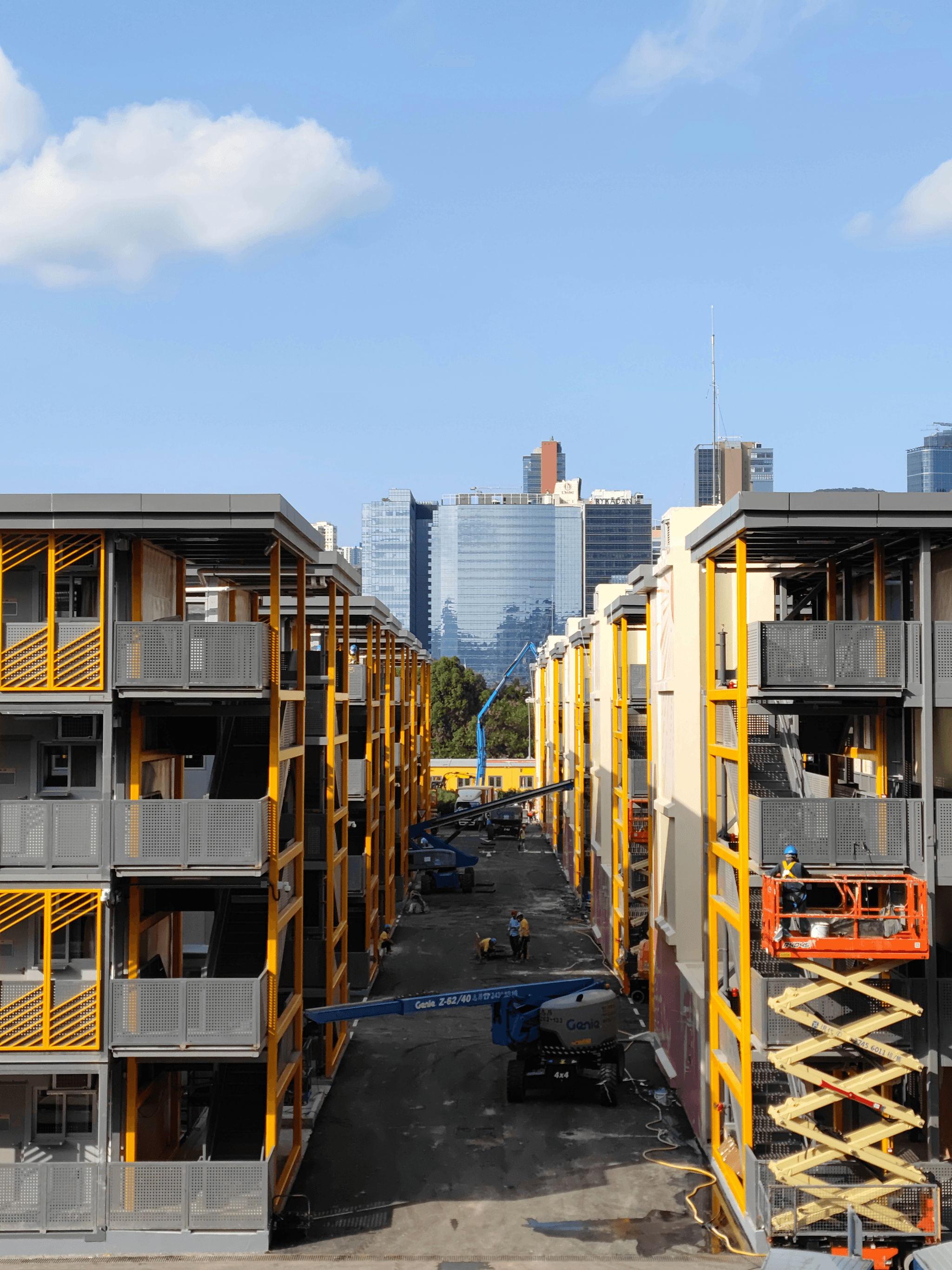
The journey of modular building systems has been nothing short of fascinating, showcasing how innovation can reshape the way we construct our environments. From their humble beginnings to the advanced techniques employed by companies like PreFab Inc., these systems have continually evolved to meet modern demands. Understanding this evolution provides insight into their significance in today’s architectural landscape.
Historical Context
Modular building systems trace their roots back to the early 20th century, when prefabrication began as a solution to housing shortages and wartime needs. Early examples included simple wooden structures that could be easily assembled and disassembled, allowing for flexibility in housing solutions. Over the decades, advancements in materials and technology have transformed these systems into sophisticated structures that rival traditional building methods.
The post-World War II era marked a significant shift, as modular construction gained traction due to its efficiency and cost-effectiveness. Housing booms created a demand for quick construction solutions, leading to innovations in design and manufacturing processes. Companies like PreFab Inc. emerged during this time, championing modular building systems as a viable alternative for residential and commercial projects alike.
Today, modular building systems are recognized not just for their speed but also for their ability to adapt to various styles and functions. As urban populations grow and space becomes more limited, these systems offer an innovative answer to modern architectural challenges. The historical context of modular buildings highlights their resilience and adaptability throughout changing societal needs.
Key Innovations
Key innovations have propelled modular building systems into mainstream architecture, making them more versatile than ever before. One significant advancement is the use of advanced materials such as steel frames and eco-friendly composites that enhance structural integrity while reducing environmental impact. Additionally, digital design tools now allow architects at PreFab Inc. to create highly customized modules tailored precisely to client specifications.
Another breakthrough is the integration of off-site construction techniques that streamline the building process significantly. By fabricating components in controlled environments before transporting them to site locations, companies can minimize waste and ensure quality control throughout production stages. This method not only reduces construction time but also lessens disruptions on-site—an appealing factor for urban developments.
Moreover, technological advancements like Building Information Modeling (BIM) have revolutionized project management within modular construction frameworks. This innovative approach enables real-time collaboration among stakeholders while optimizing resource allocation during each phase of development—ultimately leading toward smarter cities with efficient infrastructure built through modular building systems.
Notable Projects
Several notable projects exemplify the potential of modular building systems in transforming urban landscapes across the globe. One standout example is the Bunkhouse project by PreFab Inc., which showcases how these structures can blend seamlessly with natural surroundings while providing functional living spaces for communities in need of affordable housing options. The design prioritizes sustainability without compromising aesthetics or comfort—a hallmark of modern modular architecture.
Another impressive project is The Smile, located in New York City—a striking example where pre-fabricated units were stacked creatively to form an eye-catching residential complex amidst bustling city life! This remarkable feat emphasizes how modular design can push boundaries while meeting stringent regulatory requirements often associated with urban development.
Finally, we cannot overlook international projects like IKEA's BoKlok initiative—providing affordable homes across Scandinavia using pre-fabricated components designed specifically for efficiency! Such ventures highlight global recognition around adopting innovative approaches towards addressing housing crises through effective utilization of contemporary modular building systems.
Case Study: The Success of The Bunkhouse
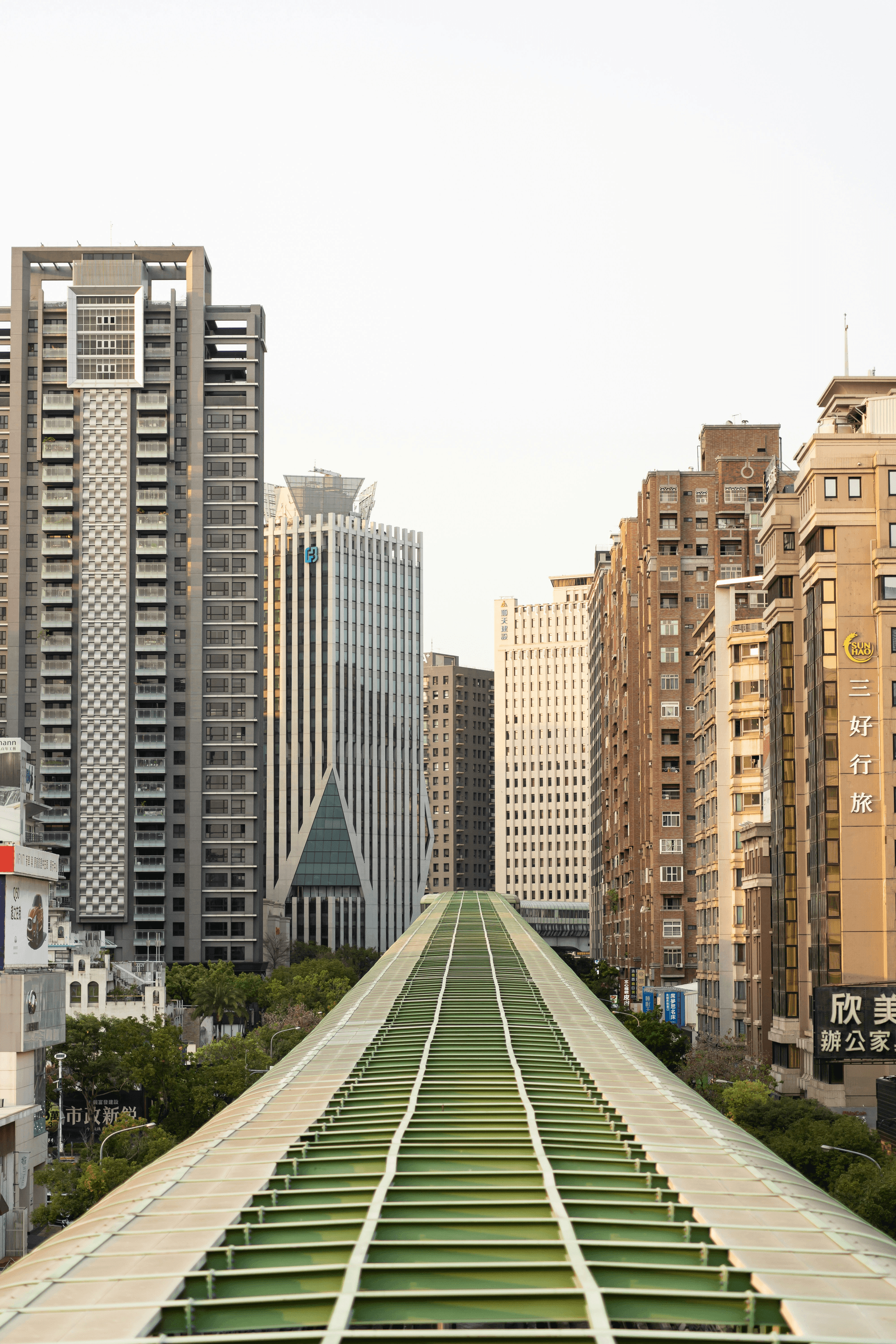
Overview of The Bunkhouse
The Bunkhouse represents a shining example of how modular building systems can be leveraged to create innovative living spaces. Located in an urban setting, this project was developed by PreFab Inc. to address the growing need for affordable housing without sacrificing quality or style. Its unique approach has garnered attention from architects, builders, and community members alike.
Design and Functionality
The design of The Bunkhouse is a perfect marriage of aesthetics and practicality, showcasing the versatility inherent in modular building systems. Each unit features an open floor plan that maximizes space while allowing for personalization—think cozy nooks and multifunctional furniture that make small living feel expansive. Additionally, the use of eco-friendly materials ensures that residents enjoy modern comforts while minimizing their environmental footprint.
Impact on the Community
The impact of The Bunkhouse extends far beyond its walls; it has become a catalyst for community engagement and revitalization in its neighborhood. By providing affordable housing options, it has attracted diverse residents who contribute to local businesses and cultural initiatives, fostering a sense of belonging among them. Thanks to PreFab Inc.'s commitment to quality modular building systems, The Bunkhouse stands as a testament to how thoughtful design can reshape communities for the better.
Sustainability in Modular Building Systems
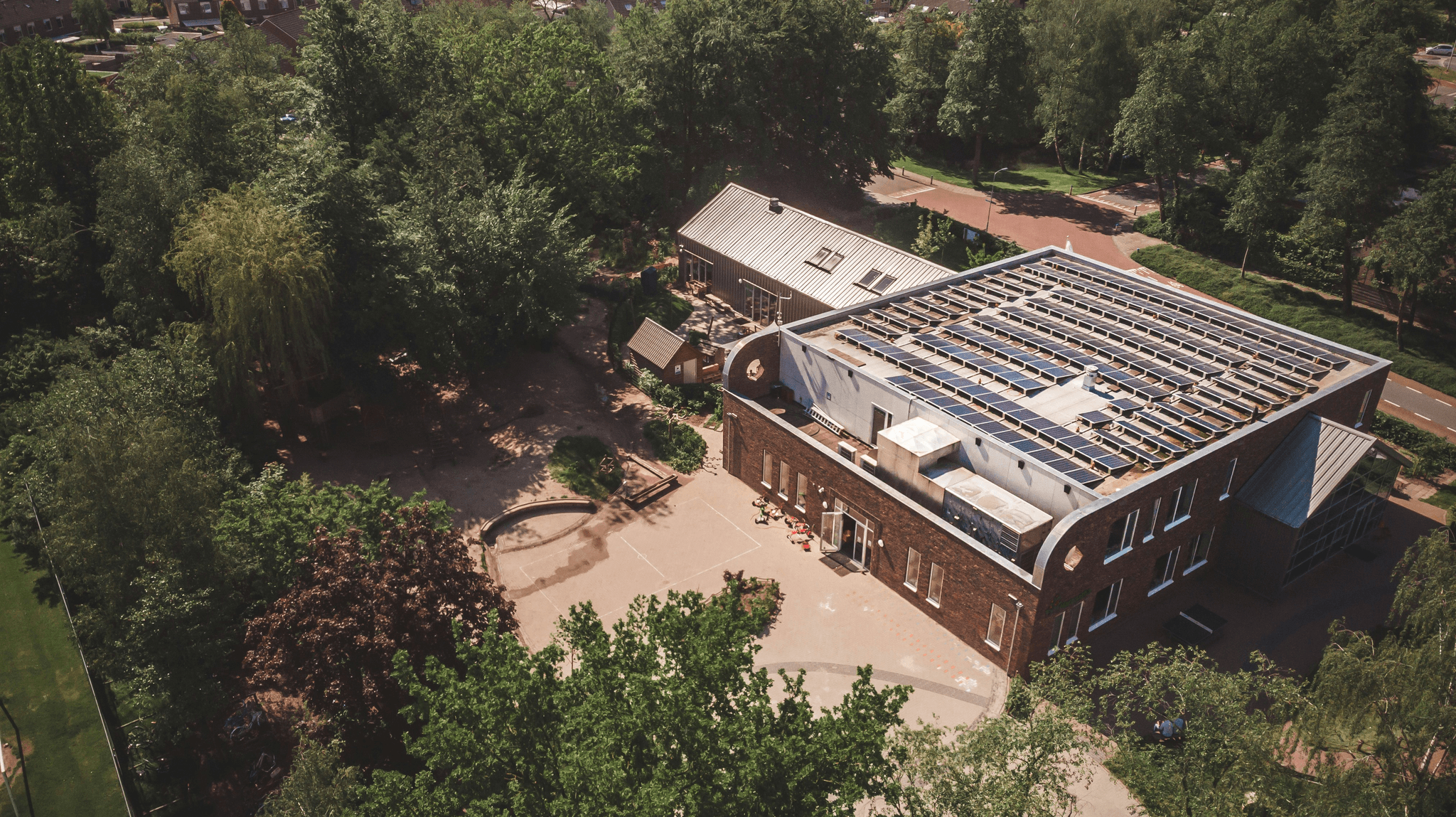
In today’s world, sustainability is not just a buzzword; it’s a necessity. Modular building systems are leading the charge in eco-conscious construction practices, making them an appealing option for environmentally aware builders and homeowners alike. By prioritizing sustainability, these systems are not only reducing their carbon footprint but also paving the way for a greener future.
Eco-Friendly Materials
One of the standout features of modular building systems is their use of eco-friendly materials. These materials often include recycled components and sustainably sourced resources that minimize environmental impact while maximizing durability. PreFab Inc. has made it a mission to incorporate such materials into their designs, ensuring that each modular unit is both stylish and sustainable.
Moreover, using eco-friendly materials can significantly reduce waste during the construction process, which is often a major contributor to landfill overflow. With modular building systems, many components are pre-manufactured in factories, allowing for precise cuts and less scrap material on-site. This thoughtful approach to material selection not only benefits the environment but also enhances the overall quality of the buildings produced.
Energy Efficiency
Energy efficiency is another cornerstone of modern modular building systems that cannot be overlooked. These structures are designed with advanced insulation techniques and energy-efficient windows that help regulate indoor temperatures year-round. As a result, residents can enjoy lower utility bills while contributing to a significant reduction in energy consumption.
PreFab Inc.’s commitment to energy efficiency goes beyond mere compliance with regulations; they actively seek out innovative solutions like solar panel integration and smart home technology to further enhance energy savings. By embracing these advancements, modular buildings become self-sustaining ecosystems that promote reduced reliance on traditional power sources. This forward-thinking approach ensures that modular living spaces remain comfortable without compromising environmental integrity.
PreFab Inc.'s Green Initiatives
PreFab Inc.'s green initiatives reflect their dedication to sustainable practices within the realm of modular building systems. They have implemented various strategies aimed at minimizing waste throughout the construction process while also promoting recycling efforts within their facilities. This commitment extends beyond just materials; it encompasses every aspect of production—from design through delivery—ensuring that sustainability remains at the forefront.
Additionally, PreFab Inc.’s partnerships with local organizations focused on environmental conservation demonstrate their commitment to community engagement alongside ecological responsibility. By investing in green technology and practices, they set an industry standard for what it means to be truly sustainable in construction today. Ultimately, PreFab Inc.’s vision aligns perfectly with global goals for sustainability while providing innovative solutions through modular building systems.
Challenges and Solutions in Modular Construction
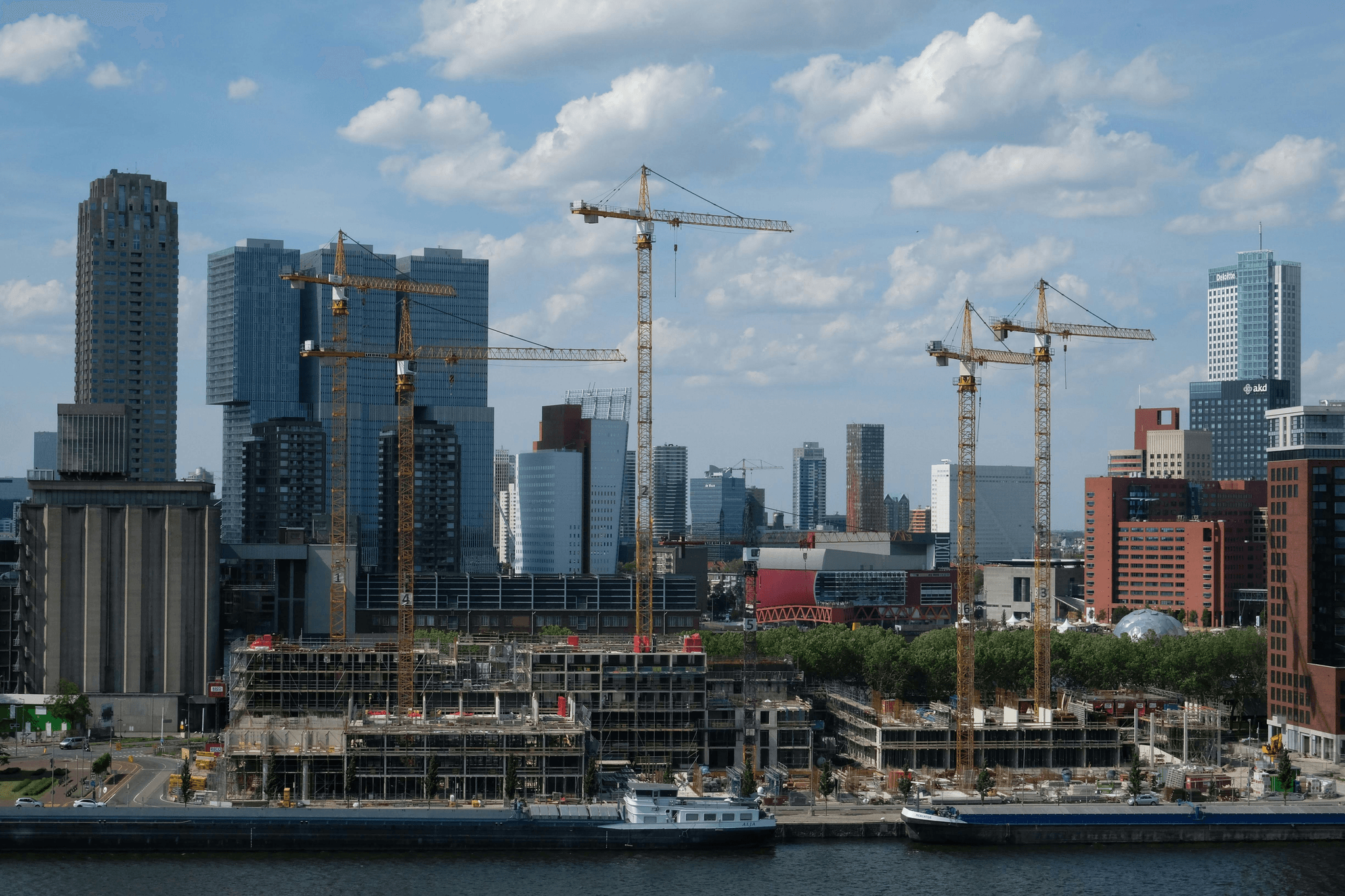
The world of modular building systems is not without its hurdles. As the industry continues to evolve, several common obstacles emerge that can hinder progress and implementation. Understanding these challenges is crucial for companies like PreFab Inc. to navigate the landscape effectively.
Common Obstacles
One of the primary challenges facing modular building systems is regulatory compliance. Different regions have varying codes and standards, which can complicate the approval process for modular units. Additionally, there is often a misconception about the quality and durability of modular buildings compared to traditional construction methods, leading to skepticism among potential clients.
Another significant obstacle is logistics and transportation costs associated with delivering large modular units to construction sites. Ensuring that these components arrive safely and on time requires meticulous planning and coordination, which can strain resources. Moreover, skilled labor shortages in the construction industry can impact the assembly process of these systems, potentially delaying projects.
Lastly, financing remains a challenge as lenders may be hesitant to invest in modular building systems due to perceived risks or unfamiliarity with this approach. This financial uncertainty can deter developers from embracing innovative solutions offered by companies like PreFab Inc., limiting growth opportunities within the sector.
Innovative Problem-Solving Strategies
To tackle these challenges head-on, innovative problem-solving strategies are essential within the modular construction space. One approach is fostering strong relationships with local authorities early in the planning process to ensure compliance with regulations while educating them about modern modular building systems' benefits and capabilities.
PreFab Inc. has also embraced technology by utilizing advanced software for project management and logistics tracking, streamlining operations from design through delivery. By leveraging data analytics and 3D modeling tools, they can optimize manufacturing processes while minimizing waste—making both construction more efficient and cost-effective.
Additionally, forming strategic partnerships with financial institutions that understand modular building systems can help alleviate funding concerns for developers. By collaborating on tailored financing solutions or pilot projects demonstrating successful outcomes, PreFab Inc. can pave new pathways for investment in this growing sector.
Lessons from Industry Leaders
Learning from industry leaders who have successfully navigated challenges in modular construction provides valuable insights for others entering this field. For instance, companies that prioritize transparency throughout their processes tend to build trust with clients while dispelling myths surrounding quality concerns related to modular building systems.
Moreover, embracing sustainable practices not only enhances brand reputation but also addresses growing consumer demand for eco-friendly solutions—a lesson well understood by PreFab Inc., which integrates green initiatives into its designs actively. By showcasing their commitment to sustainability alongside innovative designs, they position themselves as leaders rather than followers within an increasingly competitive market.
Finally, encouraging continuous training programs for workers involved in assembling modular units ensures that teams remain skilled and adaptable amid evolving technologies—an essential factor highlighted by successful organizations across various industries embracing change proactively rather than reactively.
The Future of Modular Building Systems

The future of modular building systems is a landscape ripe with potential and innovation. As urban centers grow and the demand for efficient, sustainable housing increases, these systems are poised to play a pivotal role in shaping our built environment. Companies like PreFab Inc. are leading the charge, ensuring that modular solutions not only meet current needs but also anticipate future challenges.
Emerging Trends
One of the most exciting emerging trends in modular building systems is the integration of smart technology. From automated energy management to advanced security features, these innovations are making modular homes more user-friendly and efficient than ever before. Additionally, there’s a growing focus on customization; buyers want their modular spaces to reflect their personal tastes while still benefiting from the speed and efficiency of factory-built designs.
Another trend gaining traction is the emphasis on community-centric developments. Modular building systems are increasingly being used to create affordable housing solutions that foster social interaction and support local economies. This shift reflects a broader societal desire for connectivity and inclusivity, positioning modular construction as not just a method for building but as a means to enhance community well-being.
Technological Advancements
Technological advancements are revolutionizing how we approach modular building systems, making them more accessible and efficient than ever before. Innovations such as 3D printing and robotics are streamlining production processes, allowing companies like PreFab Inc. to reduce waste while speeding up construction timelines significantly. Moreover, advancements in materials science have led to stronger yet lighter components that enhance both durability and flexibility in design.
Additionally, Building Information Modeling (BIM) is transforming project planning by enabling real-time collaboration among architects, engineers, and contractors involved in modular construction projects. This technology allows for precise visualization before any physical work begins, minimizing costly mistakes down the line. With these tools at their disposal, stakeholders can explore more complex designs without sacrificing efficiency or sustainability.
PreFab Inc.'s Vision
At PreFab Inc., our vision for the future of modular building systems revolves around sustainability and adaptability in urban landscapes. We aim to lead by example—developing cutting-edge designs that prioritize eco-friendly practices without compromising on aesthetics or functionality. Our commitment extends beyond merely constructing buildings; we aspire to create vibrant communities through thoughtful design that meets diverse needs.
Furthermore, we recognize that education plays a crucial role in advancing public perception about modular construction's benefits—both environmentally and economically. By actively engaging with communities through workshops and outreach programs, we aim to demystify this innovative approach while showcasing its transformative potential within urban settings across the globe.
Conclusion
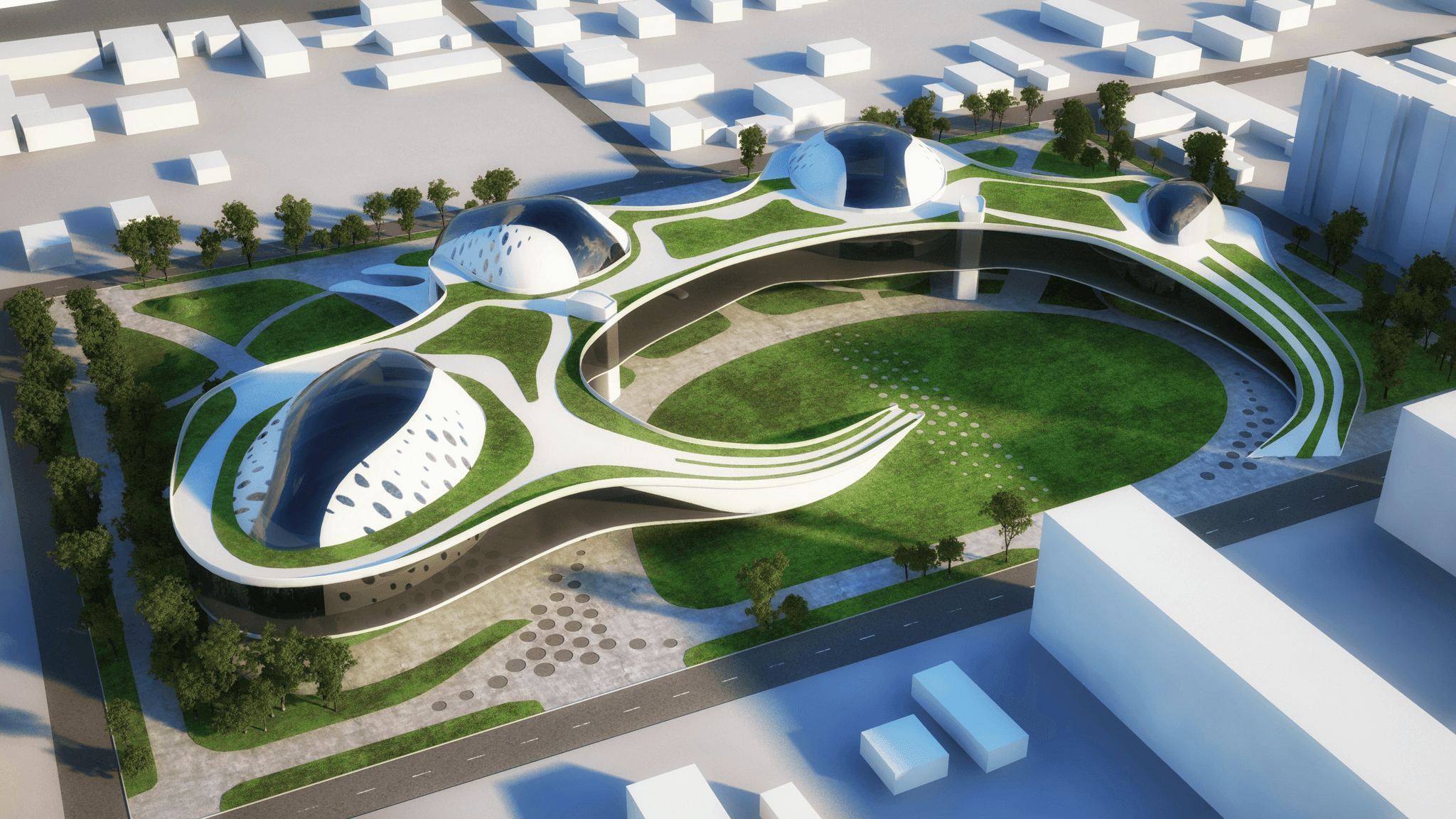
As we wrap up our exploration of modular building systems, it's clear that these innovative structures are not just a passing trend; they are actively reshaping the urban landscape. With their flexibility, efficiency, and sustainability, modular systems are becoming integral to city planning and development. As cities grow and evolve, the role of modular construction will only expand, providing solutions to housing shortages and urban challenges.
How Modular Building Systems Are Shaping Cities
Modular building systems are revolutionizing how we think about urban spaces by offering quick solutions that meet the demands of modern living. These systems allow for rapid deployment of housing and commercial facilities, making it easier for cities to adapt to changing populations and needs. PreFab Inc., with its focus on innovation and quality, is at the forefront of this transformation, ensuring that cities can grow sustainably while maintaining aesthetic appeal.
Key Takeaways from Transformations
The journey through the world of modular building systems has highlighted several key takeaways: first, adaptability is crucial in today’s fast-paced environment; second, sustainability should be at the heart of every construction project; and finally, collaboration among industry leaders drives innovation forward. Companies like PreFab Inc. exemplify how embracing these principles leads to successful outcomes in both design and functionality. As we move into an era where efficiency meets creativity, these lessons will guide future projects.
The Future Role of PreFab Inc. in the Industry
Looking ahead, PreFab Inc.'s role in the modular building systems industry is poised for growth as new technologies emerge and societal needs evolve. By continuing to prioritize eco-friendly materials and energy-efficient designs, PreFab Inc. can lead the charge toward a more sustainable future in construction. With a commitment to innovation and community impact, PreFab Inc.'s vision will undoubtedly shape not only buildings but also vibrant communities for generations to come.