

Introduction
In a world where time is money and efficiency reigns supreme, the concept of prefabricated property has taken center stage in the housing market. Prefabricated property refers to homes and buildings that are constructed off-site in a factory setting, then transported and assembled on location. This innovative approach not only streamlines the construction process but also offers a myriad of benefits for both builders and homeowners alike.
What is Prefabricated Property?
Prefabricated property encompasses a range of structures that are built using pre-manufactured components, which can include panels, modules, or entire sections of homes. Unlike traditional construction methods that rely heavily on on-site labor and materials, prefabrication allows for greater precision and quality control in a controlled environment. This method significantly reduces construction time while maintaining high standards of craftsmanship.
The Rise of Prefabricated Housing
The rise of prefabricated housing can be attributed to several factors, including rising construction costs, labor shortages, and an increasing demand for rapid housing solutions. With urban populations expanding rapidly, the need for affordable housing has never been more pressing; prefabricated properties offer an effective answer to this challenge. Companies like PreFab Inc. have emerged as leaders in this field by providing innovative designs that cater to modern needs while adhering to sustainable practices.
Benefits of Investing in Prefabricated Property
Investing in prefabricated property comes with a wealth of advantages that appeal to both seasoned investors and first-time buyers alike. One significant benefit is cost-effectiveness; these properties typically require less investment upfront compared to traditional homes due to reduced labor costs and faster completion times. Additionally, investors can expect lower maintenance costs over time—another attractive feature when considering long-term profitability in real estate ventures such as those offered by PreFab Inc.
Understanding Prefabricated Construction

Prefabricated construction is revolutionizing the way we think about building homes and properties. This method involves assembling components of a structure off-site and then transporting them to the final location for assembly. By understanding prefabricated property, investors can appreciate the efficiency and innovation driving this modern approach to housing.
Types of Prefabricated Properties
When it comes to prefabricated properties, variety is the name of the game. You have modular homes, which are built in sections and then transported to the site for assembly; panelized homes, where walls are pre-made and assembled on-site; and manufactured homes, which are fully constructed in factories before being placed on permanent foundations. Each type offers unique advantages, making it essential for investors to identify which form of prefabricated property aligns with their investment goals.
The diversity in types allows for flexibility in design and function, catering to different market needs—from affordable housing solutions to luxurious retreats. For example, PreFab Inc. specializes in modular designs that not only enhance aesthetic appeal but also prioritize energy efficiency. This versatility opens up a world of possibilities for investors looking to capitalize on emerging trends in housing.
How Prefabrication Works
Prefabrication works through a systematic process that emphasizes speed without sacrificing quality. It begins with meticulous planning and design using advanced software tools that allow architects to visualize every detail before construction starts. Once designs are finalized, various components—such as walls, roofs, and floors—are manufactured in a controlled environment.
Once these parts are complete, they are transported to the building site where skilled crews assemble them efficiently. This streamlined process minimizes delays typically associated with traditional construction methods while ensuring high-quality standards throughout production. With PreFab Inc.'s expertise in this area, investors can trust that their prefabricated properties will be delivered on time and within budget.
Materials Used in Prefabricated Homes
The materials used in prefabricated homes play a crucial role in their durability and sustainability. Commonly utilized materials include engineered wood products like plywood or oriented strand board (OSB), steel framing for structural integrity, and eco-friendly insulation options that enhance energy efficiency. These choices not only contribute to lower environmental impact but also ensure longevity—a key selling point for any prefabricated property.
Moreover, advancements in technology have led to innovative materials such as recycled composites or sustainable timber options becoming more prevalent within the industry. As consumers increasingly demand greener living solutions, companies like PreFab Inc. prioritize sourcing sustainable materials that meet these expectations without compromising quality or aesthetics. Investors should keep an eye on material trends as they can significantly influence both market appeal and resale value.
The Financial Advantages
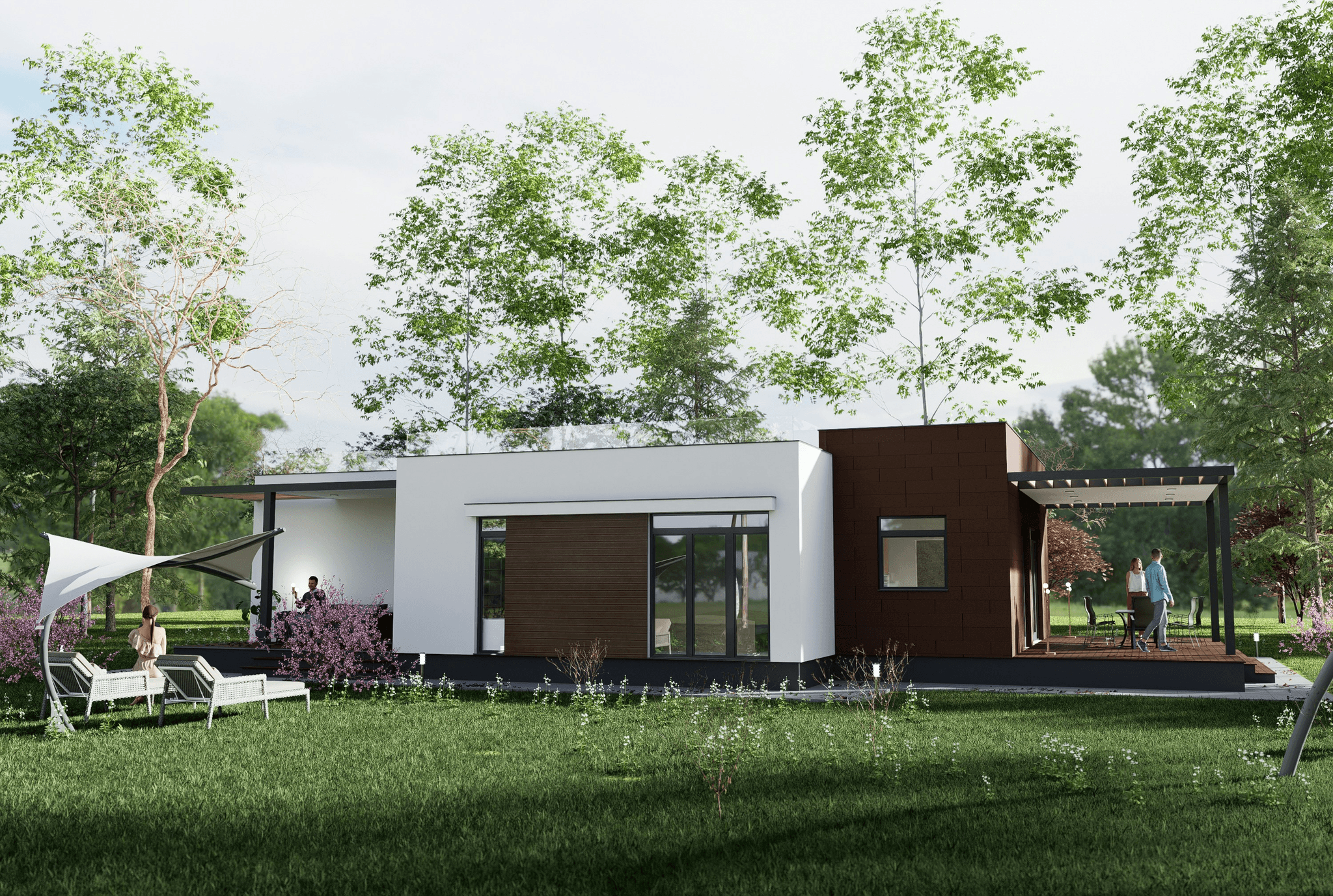
When considering investment opportunities, the financial advantages of prefabricated property are hard to ignore. Prefabricated homes not only present a unique approach to construction but also offer a variety of economic benefits that can make them an attractive option for savvy investors. In this section, we'll explore how these properties can save you money upfront and throughout their lifecycle.
Cost-Effectiveness Compared to Traditional Homes
One of the standout features of prefabricated property is its cost-effectiveness when stacked against traditional homes. The streamlined construction process reduces labor costs and minimizes waste, leading to lower overall expenses for buyers. With PreFab Inc., you can expect competitive pricing without compromising quality, making it easier than ever to get into the real estate market.
Moreover, prefabricated homes often come with shorter build times compared to conventional houses, allowing investors to start generating rental income or selling sooner. This quick turnaround can significantly impact your cash flow positively, especially in a fast-paced housing market. When you factor in the savings on labor and materials, it's clear that investing in prefabricated property is a financially sound decision.
Potential for High Returns on Investment
Investing in prefabricated property presents an enticing opportunity for high returns on investment (ROI). As demand for affordable housing continues to rise, especially among millennials and first-time buyers, these homes are becoming increasingly sought after. With PreFab Inc., you're not just purchasing a home; you're tapping into a growing trend that promises robust appreciation potential.
Additionally, the flexibility of design options allows investors to cater specifically to market demands—whether it’s eco-friendly features or modern aesthetics—enhancing resale value significantly. Properties built with innovative designs often attract premium prices due to their uniqueness and efficiency. Thus, investing in prefabricated housing isn't just about saving money; it's about maximizing your profits down the line.
Lower Maintenance Costs
Another financial advantage of prefabricated properties is their lower maintenance costs over time. Many modern prefab homes are constructed with durable materials designed specifically for longevity and minimal upkeep needs, which means fewer repairs and replacements down the road. This translates into significant savings for homeowners and landlords alike who want hassle-free living spaces.
Furthermore, energy-efficient designs commonly found in prefabricated properties help reduce utility bills—a win-win situation! Efficient insulation systems and energy-saving appliances mean you'll spend less on heating and cooling while maintaining comfort year-round. By choosing PreFab Inc., you're investing not only in a beautiful home but also in one that keeps your wallet happy long after purchase.
Key Players in the Prefabricated Market
The prefabricated property market has seen an influx of innovative companies that are reshaping the way we think about housing. These key players are not only pushing the boundaries of design and efficiency but also setting new standards for quality and sustainability in construction. Understanding who they are can provide valuable insight into the future of prefabricated homes.
Companies Leading the Way
Several companies have emerged as leaders in the prefabricated property sector, each bringing unique approaches to construction. Firms like Katerra and Blu Homes have made headlines with their cutting-edge technology and sustainable practices, while others like Method Homes focus on customizable designs tailored to individual needs. PreFab Inc., with its commitment to quality craftsmanship, innovative designs, and customer satisfaction, is carving out a significant niche in this competitive landscape.
Notable Prefabricated Property Projects
Across the globe, notable projects showcase the versatility and appeal of prefabricated properties. From luxury modular homes in California's wine country to affordable housing solutions built in record time after natural disasters, these projects highlight how prefab can meet diverse needs. PreFab Inc.'s recent collaboration on a community-focused development demonstrates how prefabricated properties can offer stylish living spaces while promoting sustainable practices.
How PreFab Inc. Stands Out
What sets PreFab Inc. apart from other players in the market is its unwavering focus on innovation combined with a deep understanding of customer desires. The company offers a range of customizable options that allow buyers to tailor their prefabricated homes according to lifestyle preferences without sacrificing quality or efficiency. With an eye toward sustainability and affordability, PreFab Inc.'s approach not only meets current demands but also anticipates future trends in the ever-evolving world of prefabricated property.
Navigating Legal and Regulatory Aspects

Investing in prefabricated property requires a solid understanding of the legal and regulatory landscape. From zoning laws to environmental regulations, various factors can influence the feasibility and success of your investment. Familiarizing yourself with these aspects is crucial for ensuring compliance and maximizing your investment potential.
Zoning Laws and Building Codes
Zoning laws dictate how land can be used in specific areas, which can significantly impact your prefabricated property plans. These regulations vary widely from one municipality to another, so it’s essential to research local zoning ordinances before proceeding with any construction or investment decisions. Building codes also come into play, setting minimum safety standards that all structures must meet; working with a knowledgeable company like PreFab Inc. can help ensure compliance with these requirements.
Understanding zoning laws is particularly vital for prefabricated housing, as some areas may have restrictions on the types of homes allowed or their intended use—residential versus commercial, for instance. Additionally, some jurisdictions may require special permits for prefabricated properties due to their unique construction methods. By navigating these regulations effectively, you can avoid costly delays and ensure that your investment in prefabricated property is both legal and profitable.
Environmental Regulations
As sustainability becomes increasingly important, environmental regulations are evolving to address the unique challenges posed by prefabricated construction methods. Depending on where you plan to invest in prefabricated property, you may need to comply with various environmental assessments or permits aimed at minimizing ecological impacts during construction and operation. PreFab Inc., known for its commitment to sustainable practices, stays updated on these regulations to help investors navigate this complex landscape.
Moreover, many states are implementing stricter guidelines regarding energy efficiency and waste management in new constructions—including prefabricated homes—making it essential for investors to be aware of these changes. This focus on sustainability not only helps protect our planet but also often leads to cost savings over time through energy-efficient designs and materials used in prefabricated properties. By understanding environmental regulations early on, you position yourself as a responsible investor while enhancing the long-term value of your investment.
Financing Options for Prefabricated Homes
Financing a prefabricated property can differ significantly from traditional home financing options; however, there are numerous pathways available that cater specifically to this type of construction. Many lenders now offer specialized loans designed explicitly for prefabricated homes that take into account their unique characteristics and potential benefits over traditional builds. PreFab Inc., having established relationships with various financial institutions, can guide you toward suitable financing options tailored for your needs.
It's also worth noting that some government programs might provide advantages such as lower interest rates or grants aimed at promoting sustainable living through innovative housing solutions like those offered by prefab technology. Understanding these options allows investors not only to secure favorable terms but also potentially increase their return on investment through reduced upfront costs associated with financing a prefabricated home compared to conventional properties. With careful planning around financing strategies tailored specifically for the growing market of prefabricated properties, you’ll be one step closer to realizing your real estate dreams.
Future Trends in Prefabricated Property
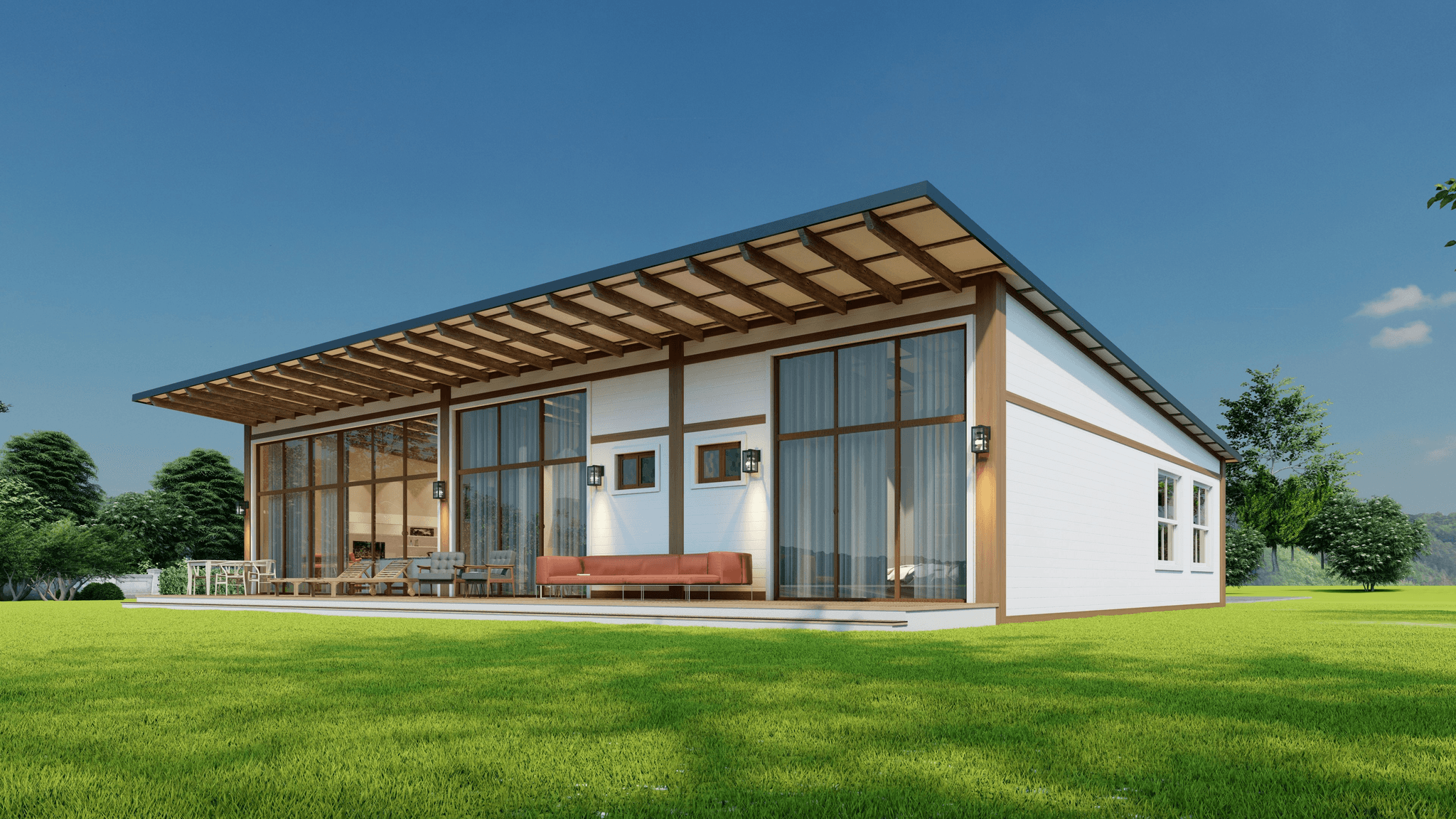
The future of prefabricated property is looking brighter than ever, driven by innovative technologies and a surge in demand for sustainable living solutions. As the world grapples with urbanization and environmental challenges, prefabricated homes are stepping up to meet modern needs while delivering efficiency and style. With companies like PreFab Inc. leading the charge, the landscape of prefabricated housing is evolving rapidly.
Innovative Technologies in Construction
Innovative technologies are transforming how prefabricated properties are designed and built, making them more efficient and customizable than ever before. Techniques such as 3D printing and modular construction allow for quicker assembly times, reducing labor costs and minimizing waste—a win-win for both investors and the environment. PreFab Inc., for instance, is leveraging cutting-edge software to create precise designs that can be easily modified to suit individual preferences while maintaining high standards of quality.
Moreover, smart home technology is becoming increasingly integrated into prefabricated property designs, offering features like energy-efficient systems that can be controlled remotely. This trend not only enhances convenience but also appeals to tech-savvy buyers looking for modern amenities in their homes. As these innovations continue to evolve, investors can expect a dynamic market where prefabrication meets advanced technology seamlessly.
Increasing Demand for Sustainable Living
With an increasing focus on sustainability, the demand for eco-friendly prefabricated properties is on the rise. Homebuyers today are more conscious of their environmental footprint and seek out options that align with their values—making sustainable living a top priority when choosing a home. PreFab Inc.'s commitment to using sustainable materials ensures that its homes not only look great but also contribute positively to the environment.
The shift towards greener living has prompted many manufacturers to adopt practices that minimize resource consumption during construction and promote energy efficiency in finished homes. From solar panels to rainwater harvesting systems, today's prefabricated properties are designed with sustainability at their core—an attractive feature for both investors and homeowners alike. The growing market for eco-conscious housing presents an exciting opportunity for those looking to invest in prefabrication.
How Prefabricated Homes Meet Modern Needs
Prefabricated homes have evolved significantly over recent years, adapting to meet contemporary lifestyles while offering flexibility that traditional homes often lack. The ability to customize layouts and features allows homeowners to create spaces tailored specifically to their needs—whether that's a home office or an open-concept living area perfect for entertaining guests. Companies like PreFab Inc., which prioritize customer input during design phases, ensure that every aspect of a home reflects modern living requirements.
Furthermore, as urban areas become increasingly crowded, prefabricated properties provide an efficient solution by allowing builders to maximize land use without compromising on quality or aesthetics. These homes can be constructed quickly on-site or delivered ready-made—ideal solutions for those seeking speedy occupancy without sacrificing comfort or style. As society continues embracing change at an unprecedented pace, investing in prefabricated property becomes not just practical but essential.
Conclusion
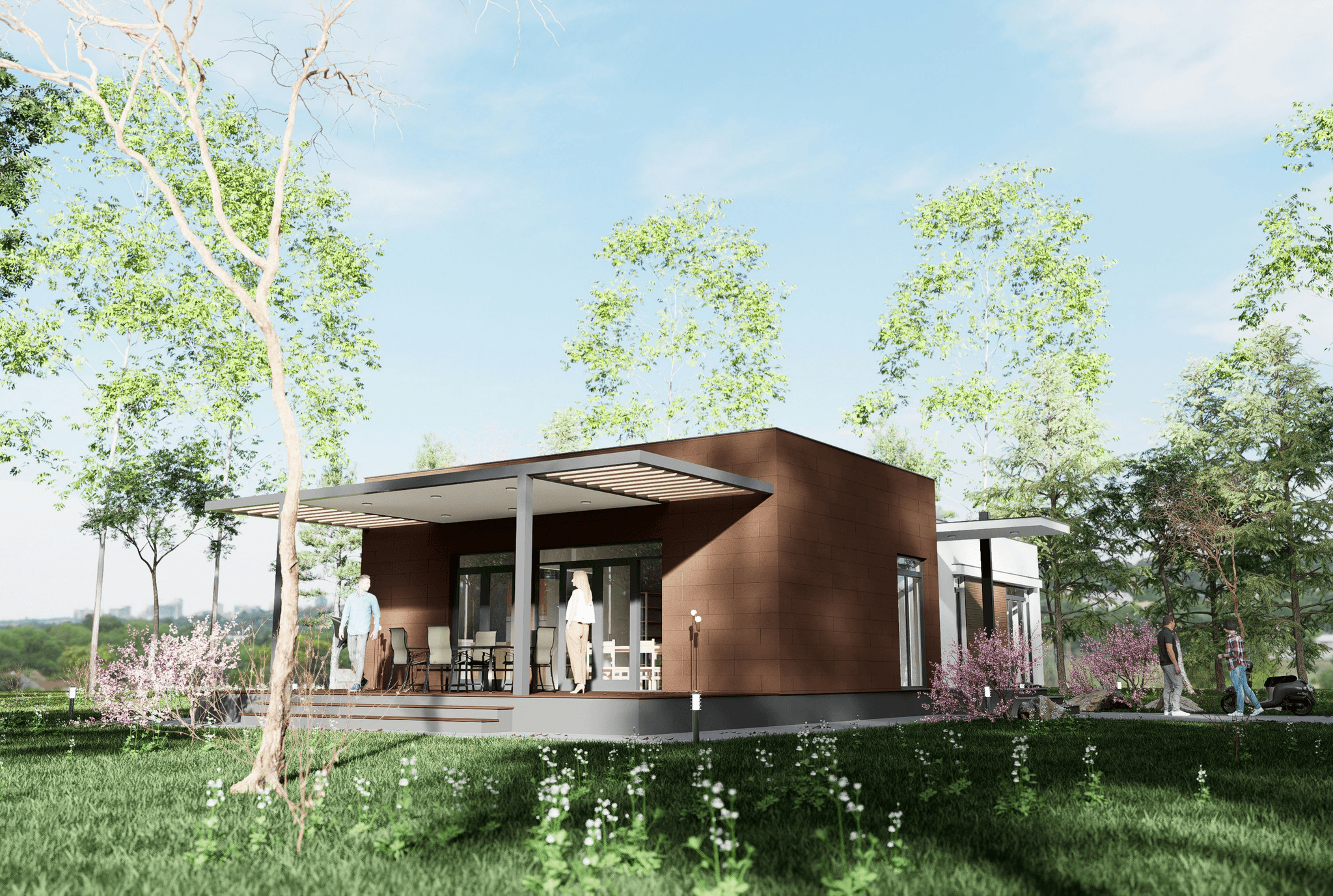
As we wrap up our exploration of prefabricated property, it's clear that this innovative approach to housing is not just a trend but a viable investment opportunity. With its blend of affordability, sustainability, and modern design, prefabricated housing is poised to redefine the real estate landscape. For those looking to diversify their portfolios or enter the property market, investing in prefabricated homes could be a smart move.
Making the Case for Prefabricated Investing
Investing in prefabricated property offers numerous advantages that can appeal to both seasoned investors and newcomers alike. The cost-effectiveness of these homes often translates into higher returns on investment compared to traditional construction methods. Additionally, with increasing interest in sustainable living and energy-efficient designs, prefabricated properties are becoming more desirable among homebuyers, ensuring a strong market demand.
Essential Considerations for New Investors
Before diving into the world of prefabricated property investment, there are several essential factors to consider. Understanding zoning laws and building codes will help you navigate potential legal hurdles when purchasing or developing land for your new home. Moreover, familiarize yourself with financing options tailored specifically for prefabricated homes; this knowledge can significantly impact your overall investment strategy.
Getting Started with PreFab Inc.
If you're ready to make your move into the realm of prefabricated property investing, look no further than PreFab Inc. Our team specializes in guiding investors through each step of the process—from selecting the right model to understanding all financial aspects involved. With our expertise and commitment to quality construction and customer satisfaction, you can confidently embark on your journey toward owning a piece of modern real estate.