

Introduction
In recent years, the architectural landscape has been significantly transformed by innovative prefabricated building design trends that are reshaping how we think about construction. Prefabricated architecture is not just a fleeting trend; it represents a fundamental shift towards efficiency, sustainability, and creativity in building practices. As we delve into this fascinating world, we'll explore the myriad benefits of prefabricated building design, highlighting how companies like PreFab Inc. are leading the charge.
Innovative Prefabricated Building Design Trends
The latest trends in prefabricated building design showcase a blend of technology and creativity that challenges traditional construction methods. From modular homes to commercial structures made off-site, these designs prioritize speed and flexibility without compromising on aesthetics or functionality. Companies like PreFab Inc. have embraced these innovative approaches to create spaces that cater to modern living while addressing pressing environmental concerns.
Benefits of Prefabricated Architecture
Prefabricated architecture offers numerous advantages that make it an appealing choice for both residential and commercial projects. The efficiency of off-site construction leads to reduced labor costs and shorter project timelines, allowing clients to enjoy their new spaces sooner than ever before. Moreover, the precision involved in prefabricated building design often results in higher quality structures with fewer defects compared to traditional methods.
Leading Companies in Prefabricated Design
As the demand for prefabricated solutions grows, several companies have emerged as leaders in the field of prefabricated building design. PreFab Inc., along with other innovators like Katerra and Factory OS, is at the forefront of this movement, pushing boundaries with cutting-edge designs and sustainable practices. These companies not only redefine what’s possible in architecture but also inspire others to adopt more efficient and eco-friendly construction methods.
The Rise of Modular Construction
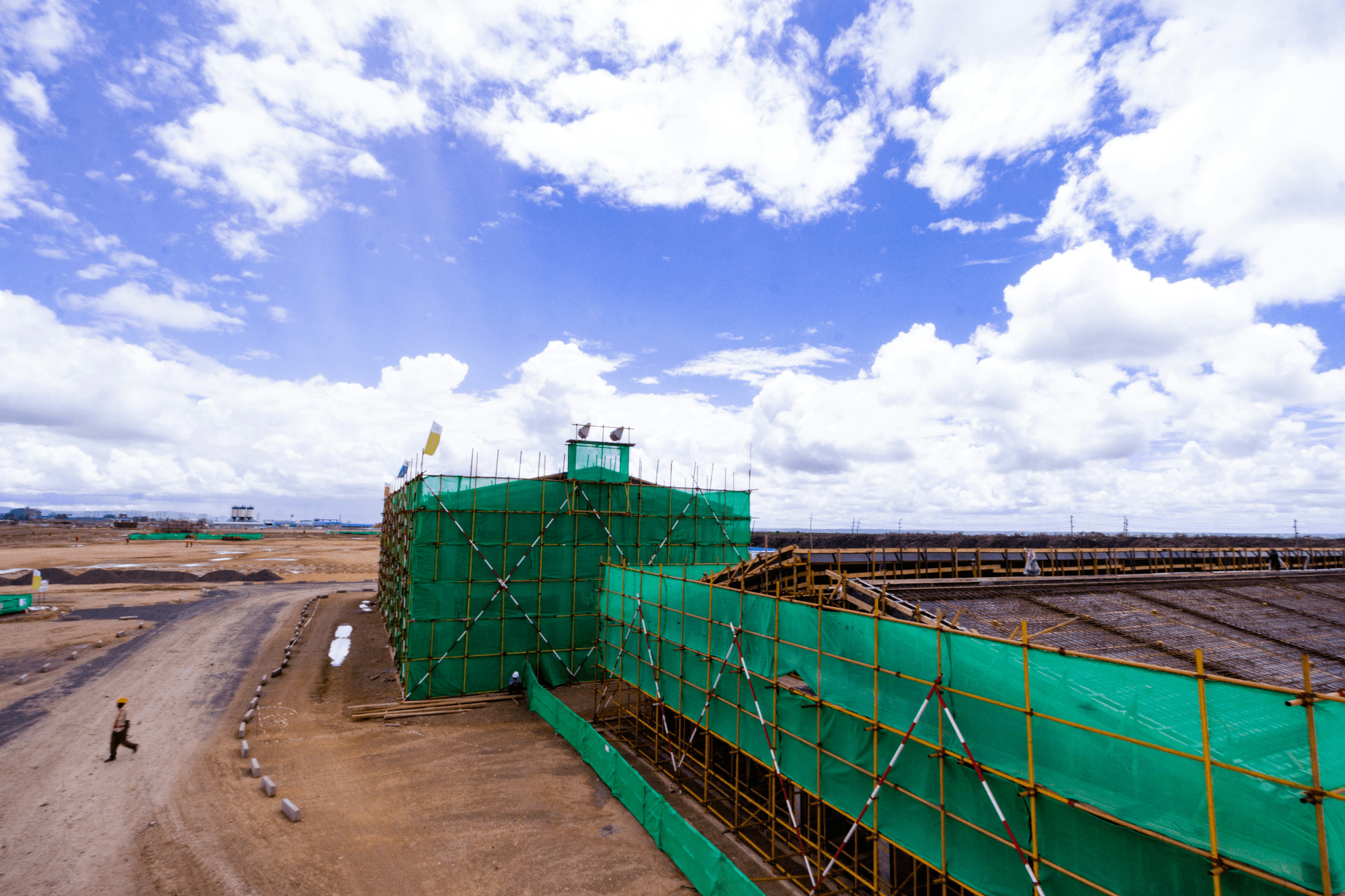
Modular construction is transforming the landscape of prefabricated building design, offering a fresh alternative to traditional methods. Unlike conventional construction, which often unfolds on-site over an extended period, modular building involves creating sections or modules in a factory setting before transporting them to the final location. This approach not only accelerates project timelines but also enhances quality control and reduces labor costs.
Understanding Modular vs. Traditional Building
When comparing modular and traditional building techniques, the differences are striking and impactful for both developers and homeowners alike. Traditional buildings are constructed entirely on-site, leading to potential delays due to weather conditions or labor shortages. In contrast, prefabricated building design allows for modules to be built simultaneously in a controlled environment, minimizing disruptions and improving efficiency.
Moreover, modular designs can be tailored for various applications—residential homes, commercial spaces, or even schools—making them incredibly versatile. This adaptability is particularly appealing in today’s fast-paced world where time and resources are often limited. With companies like PreFab Inc., clients can experience firsthand how modular solutions can revolutionize their construction projects.
Case Studies: Katerra and Factory OS
Two prime examples of successful modular construction are Katerra and Factory OS, both pioneers in reshaping the prefabricated building design industry. Katerra aimed to streamline the entire construction process by integrating technology into every phase—from design to supply chain management—ultimately delivering projects faster than traditional methods allow. Their innovative approach has led to impressive projects that highlight how efficient modular designs can be.
Factory OS takes a slightly different angle by focusing specifically on affordable housing solutions through its prefabricated modules. By utilizing advanced manufacturing techniques in their facilities, they create high-quality homes that address pressing housing shortages while keeping costs manageable for buyers. These case studies exemplify how embracing modular solutions is not just about speed; it’s also about creating sustainable living environments.
Environmental Impact of Modular Solutions
One of the most compelling arguments for adopting modular construction lies in its environmental benefits associated with prefabricated building design. By producing components off-site, factories can optimize material usage and reduce waste significantly compared to traditional on-site methods where excess materials often end up discarded. This streamlined process contributes directly to sustainability goals that many developers now prioritize.
Additionally, because modular buildings can be designed with eco-friendly materials from the outset, they promote energy efficiency throughout their lifecycle—reducing heating and cooling demands once occupied by residents or businesses alike. Companies like PreFab Inc., committed to green practices in their designs, demonstrate that modern architecture doesn't have to compromise environmental responsibility for aesthetics or functionality.
Creative Prefabricated Home Designs
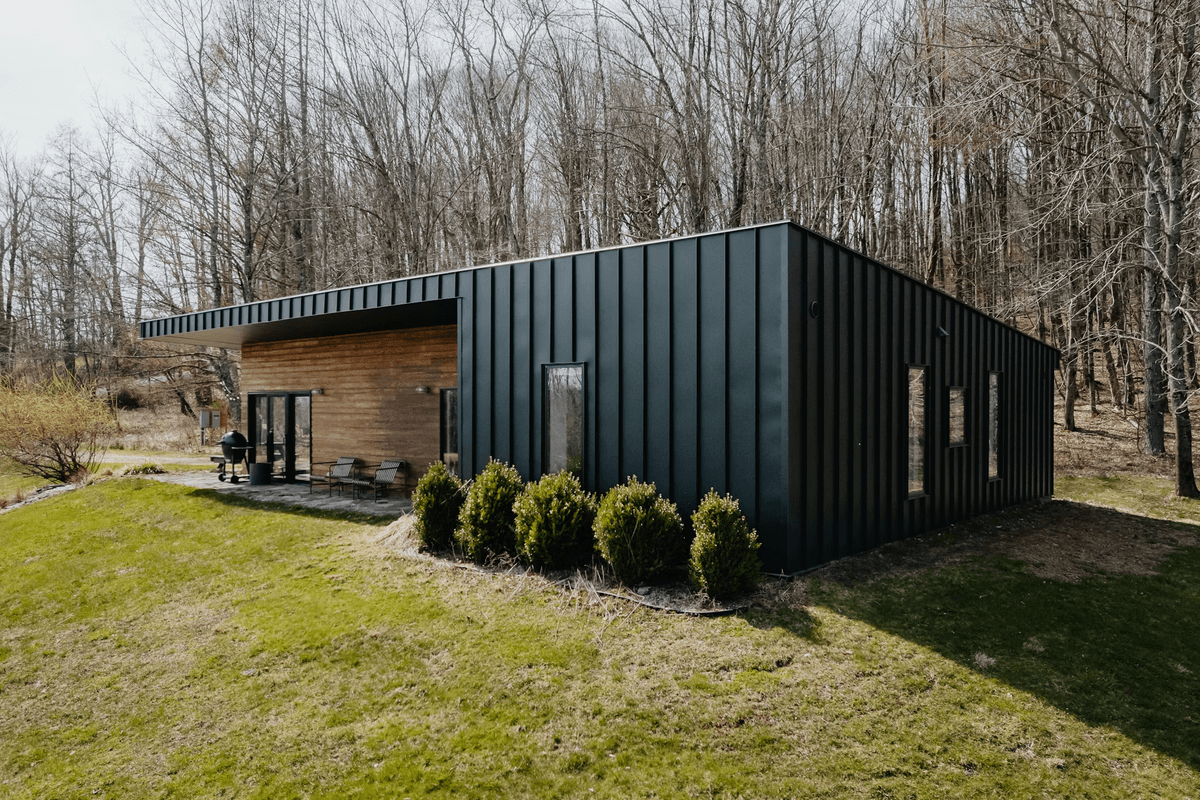
The world of prefabricated building design is bursting with creativity, allowing homeowners to express their individuality while enjoying the benefits of efficient construction. From sleek modern aesthetics to innovative layouts, these designs are reshaping the way we think about homes. Companies like PreFab Inc. are leading the charge, offering unique solutions that blend functionality with flair.
Unique Designs from Blu Homes
Blu Homes has carved a niche for itself in the prefabricated building design arena by offering stunning and sustainable homes that stand out in any neighborhood. Their designs often feature expansive glass walls, open floor plans, and eco-friendly materials that not only look good but also minimize environmental impact. With a focus on modern aesthetics and smart technology integration, Blu Homes showcases how prefabrication can elevate home design to new heights.
Exploring the Work of LivingHomes
LivingHomes takes prefabricated building design to another level by emphasizing sustainability and health alongside style. Their homes are designed with a keen eye for detail, incorporating features like solar panels and energy-efficient systems that reflect a commitment to eco-conscious living. By collaborating with renowned architects, LivingHomes ensures each structure is not just a house but a statement piece that harmonizes with its surroundings.
Affordability Meets Aesthetics
One of the most appealing aspects of prefabricated building design is its ability to marry affordability with stunning aesthetics—an area where companies like PreFab Inc. excel. Prefab homes often come at a lower price point than traditional builds due to reduced labor costs and shorter construction times without compromising quality or style. This perfect blend allows more people to access beautifully designed homes without breaking the bank, making modern living both attainable and stylish.
Commercial Prefabricated Building Solutions
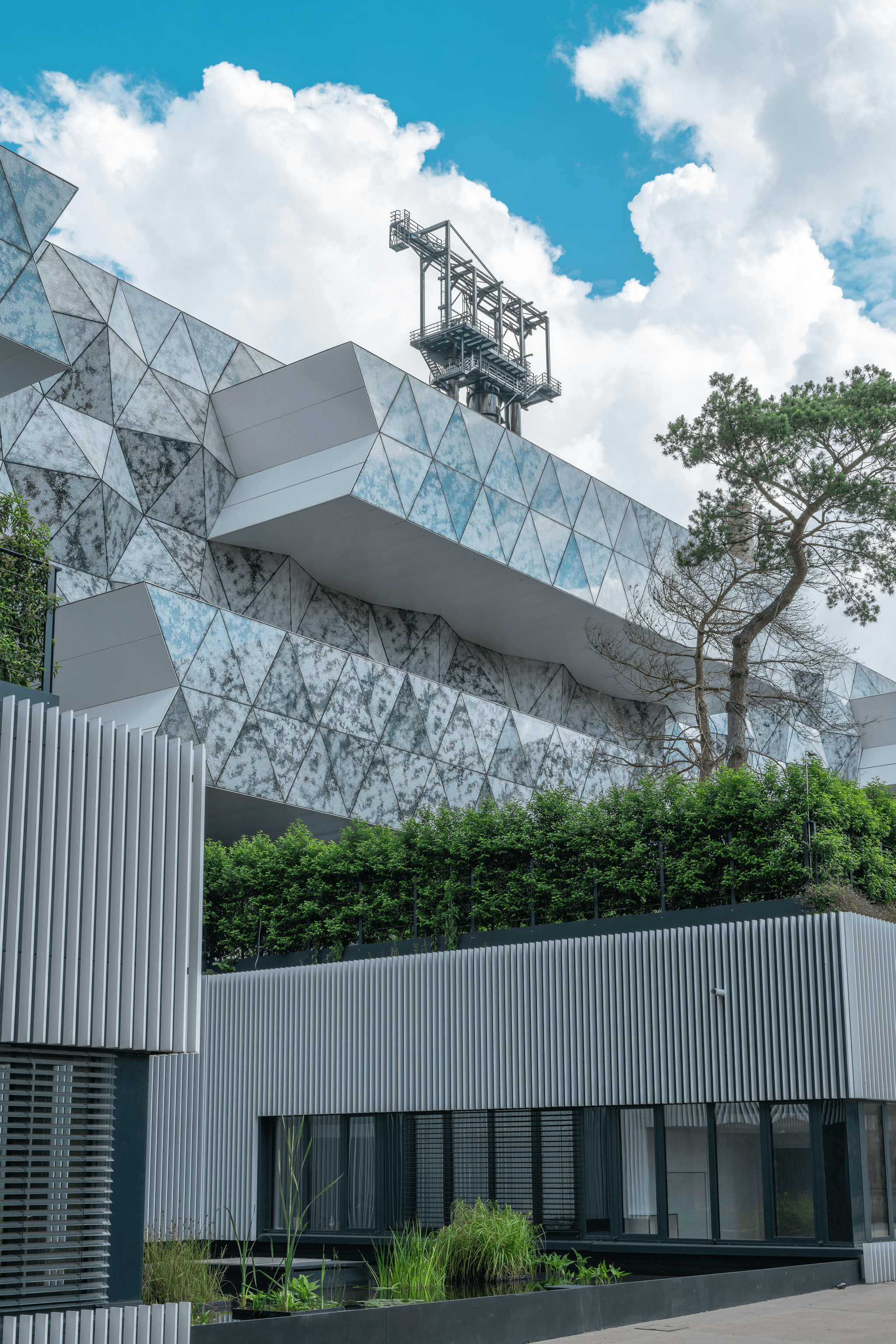
The landscape of commercial prefabricated building design is rapidly evolving, with businesses recognizing the benefits of speed, cost-efficiency, and sustainability. Traditional construction methods often lead to delays and budget overruns, but prefabrication offers a streamlined approach that can significantly reduce both time and costs. As companies look for innovative solutions to meet their growing space needs, prefabricated buildings have become an attractive option.
The Evolution of Prefabricated Offices
The evolution of prefabricated offices has transformed the way businesses operate and utilize space. Once viewed as a temporary solution or a last resort, modern prefabricated office designs now boast impressive aesthetics and functionality, making them suitable for long-term use. With advancements in technology and materials, today's prefabricated building design allows for customizable layouts that cater to various business needs while maintaining a sleek appearance.
As more companies embrace remote work and flexible workspaces, prefabricated offices are stepping up to provide adaptable environments that promote collaboration and productivity. This shift has led to an increased demand for modular designs that can be easily reconfigured as teams grow or change in size. Ultimately, the evolution of these spaces reflects a broader trend toward efficiency and adaptability in the workplace.
Notable Projects by Skanska
Skanska has made remarkable strides in the realm of commercial prefabrication with several notable projects showcasing their commitment to innovative building practices. One standout example is their work on the Sustainable Office Building project in Sweden where they implemented advanced prefabrication techniques that reduced construction time by nearly 30%. By utilizing off-site manufacturing processes, Skanska not only enhanced efficiency but also minimized waste during construction—a key aspect of sustainable architecture.
Another impressive project is Skanska's involvement in constructing modular healthcare facilities across various locations. These buildings exemplify how prefabricated building design can be applied effectively within demanding environments such as hospitals or clinics while ensuring compliance with stringent health regulations. As Skanska continues to push the envelope on what’s possible with commercial prefab solutions, they set a benchmark for quality and innovation.
The Future of Retail Spaces with Prefabrication
Prefabrication is poised to revolutionize retail spaces as businesses seek flexible solutions that adapt quickly to changing consumer demands. With e-commerce on the rise, retailers are rethinking their physical spaces; hence, customizable prefab structures offer an ideal solution for pop-up shops or seasonal stores without hefty investments in traditional construction methods. This adaptability allows brands like PreFab Inc., specializing in bespoke designs, to create eye-catching retail experiences tailored specifically for short-term engagements.
Moreover, modern consumers are increasingly drawn toward sustainable practices; thus incorporating eco-friendly materials into retail prefab designs not only meets customer expectations but also enhances brand reputation. As retailers embrace this shift towards sustainability through innovative prefabricated building design strategies, we can anticipate a future where shopping environments are not just functional but also environmentally responsible and aesthetically pleasing.
In conclusion, commercial prefabrication is paving the way towards smarter business solutions—whether through efficient office spaces or dynamic retail environments—making it clear that this trend isn't just a passing phase; it's here to stay!
Sustainability in Prefabricated Building Design
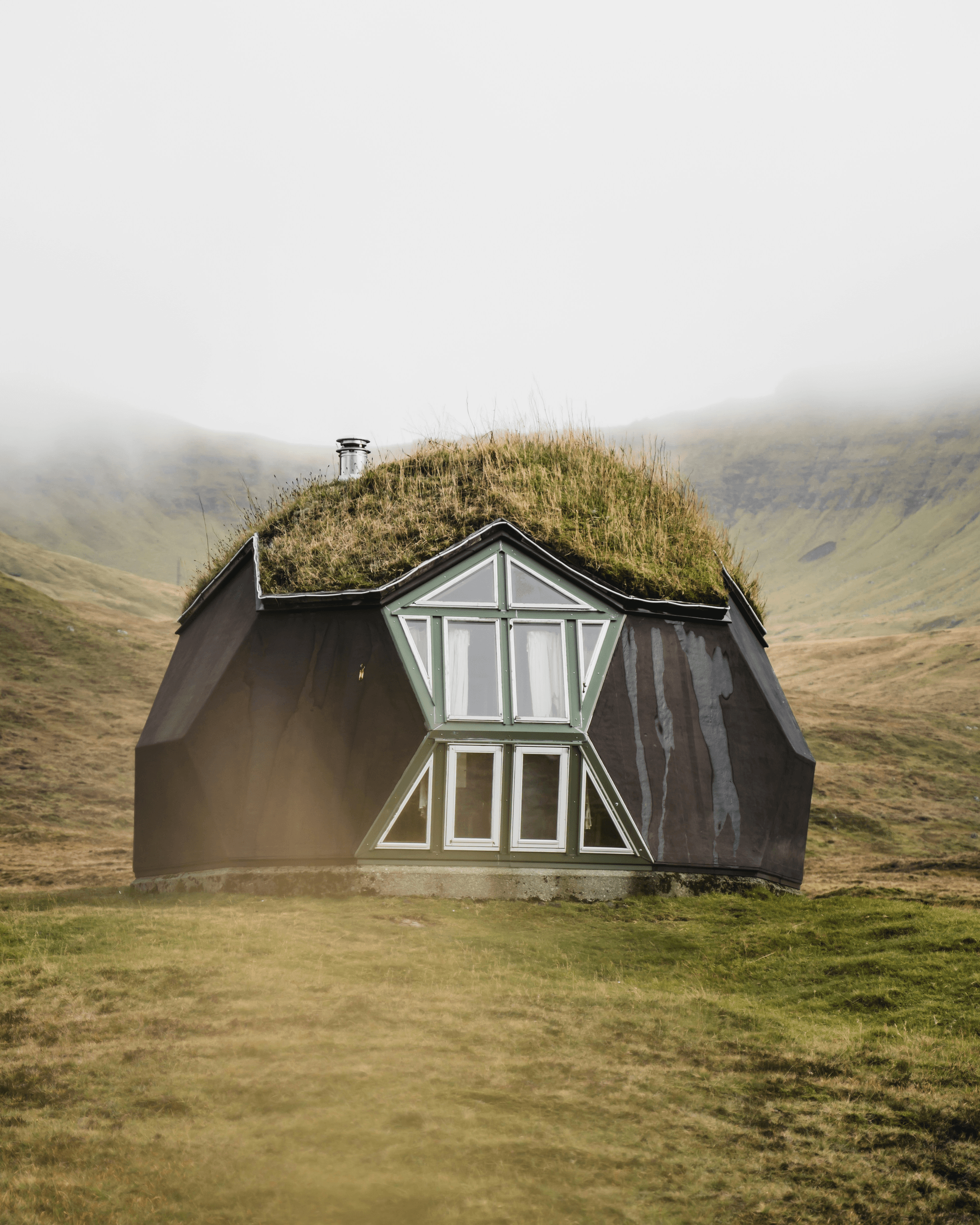
In today's world, sustainability is more than just a buzzword; it's a necessity. Prefabricated building design offers innovative solutions that prioritize eco-friendliness and energy efficiency. By utilizing advanced techniques and materials, this approach not only minimizes environmental impact but also creates structures that align with modern sustainability goals.
Eco-Friendly Materials and Techniques
When it comes to sustainable construction, the choice of materials is paramount. Prefabricated building design often incorporates recycled or sustainably sourced materials, such as reclaimed wood, bamboo, and low-VOC (volatile organic compounds) finishes. Techniques like modular construction allow for precise cutting and assembly, which reduces waste during the building process while ensuring durability.
Moreover, many prefabricated designs focus on energy efficiency through smart insulation techniques and renewable energy integrations like solar panels. For instance, companies like PreFab Inc. are pioneering the use of eco-friendly technologies that enhance the overall sustainability of their projects. As the demand for green buildings increases, these innovative practices are setting new standards in architecture.
Companies Leading the Way: Green Building Solutions
Several companies are making waves in the prefabricated building design sector by championing sustainability as a core value. Notably, PreFab Inc. stands out for its commitment to environmentally responsible practices while delivering high-quality structures that meet diverse client needs. Their dedication to using sustainable materials and energy-efficient designs places them at the forefront of green building solutions.
Another leader in this space is Katerra, which has integrated technology with sustainable practices to reduce waste significantly during construction processes. By focusing on factory-built components that can be assembled on-site efficiently, they exemplify how prefabrication can lead to greener outcomes without compromising quality or aesthetics. These companies are proving that prefabrication can harmonize with environmental goals while meeting modern architectural demands.
The Role of Prefabrication in Reducing Waste
One of the most significant advantages of prefabricated building design is its capacity to minimize waste throughout the construction process. Traditional building methods often result in excess material due to inefficiencies on-site; however, modular construction streamlines production by allowing components to be manufactured under controlled conditions where precision reigns supreme.
This reduction in waste not only lowers costs but also lessens the environmental footprint associated with construction debris—an issue that plagues many projects today. Moreover, by employing strategies such as just-in-time delivery systems and reusing off-cuts from manufacturing processes, companies like PreFab Inc. demonstrate how effective planning can lead to substantial reductions in material waste overall.
In conclusion, embracing sustainability within prefabricated building design isn't just beneficial—it's essential for our planet's future! With innovative materials and forward-thinking companies taking charge of this movement toward greener architecture, we can expect exciting advancements that will redefine how we think about constructing our built environment.
Customizable Prefabricated Structures
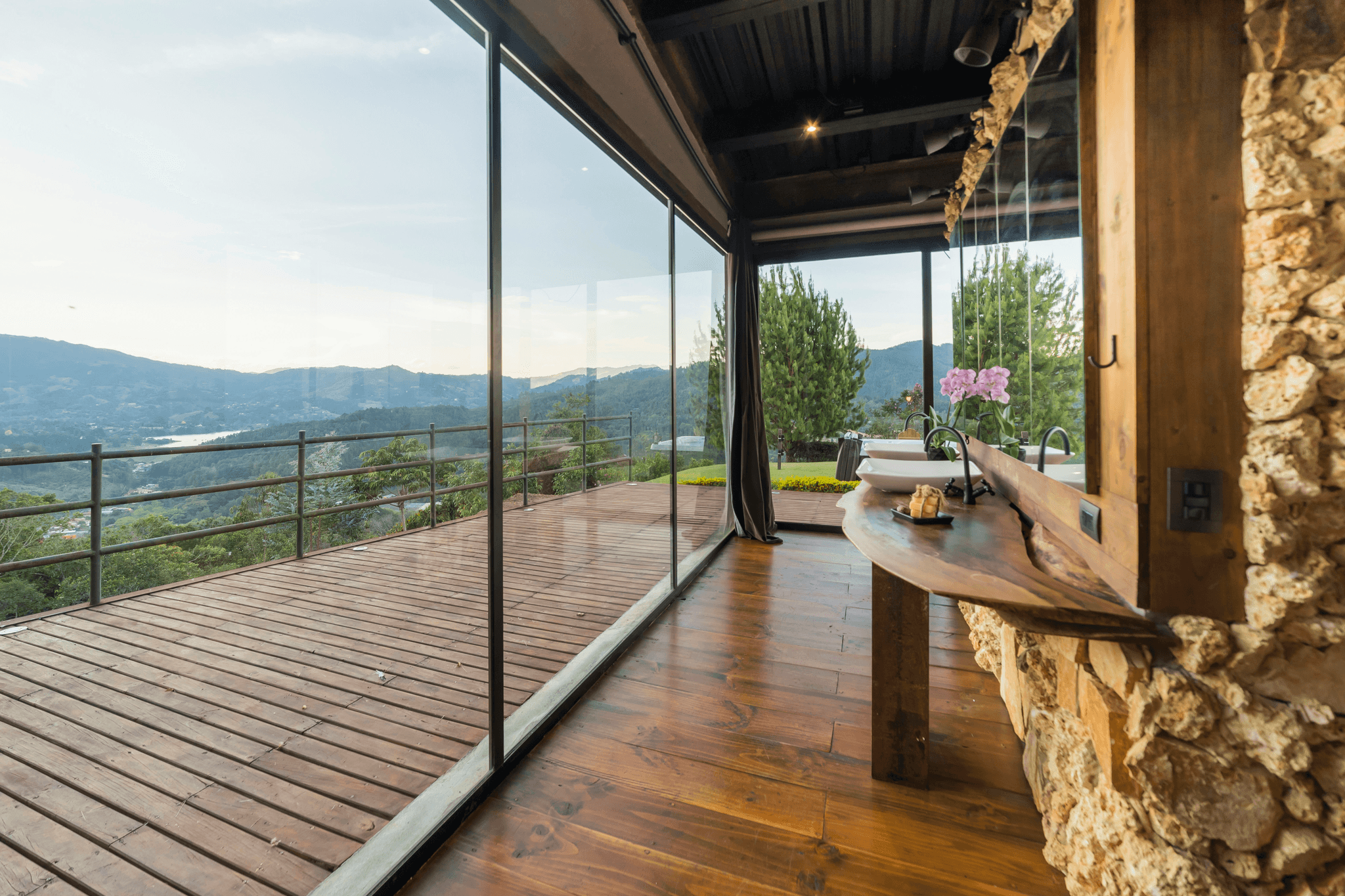
In the realm of prefabricated building design, customization is becoming the name of the game. Homeowners and businesses alike are seeking unique structures that reflect their personal style and functional needs. With companies like PreFab Inc., the possibilities for tailored designs are practically endless.
Personalization Options from PreFab Inc.
PreFab Inc. offers an impressive array of personalization options that cater to diverse tastes and requirements in prefabricated building design. From choosing exterior finishes to selecting floor plans and layouts, clients can create a structure that truly feels like their own. Additionally, energy-efficient features can be integrated seamlessly into these designs, ensuring that customized homes are not only beautiful but also sustainable.
Moreover, PreFab Inc.'s commitment to innovation means they are constantly updating their offerings based on customer feedback and emerging trends in the market. This flexibility allows clients to make adjustments even during the construction process, ensuring that their vision comes to life exactly as intended. Ultimately, this level of customization sets PreFab Inc. apart in the competitive landscape of prefabricated architecture.
Real-Life Examples of Custom Designs
The beauty of customizable prefabricated building design is illustrated through various real-life examples from satisfied clients of PreFab Inc. One standout project involved a family who transformed a standard model into a modern oasis by adding expansive glass walls for natural light and an open-concept living space perfect for entertaining guests. Another example showcases a small business owner who utilized modular components to create an eye-catching retail space tailored specifically for their brand identity.
These projects highlight how customizable elements can enhance both aesthetics and functionality in prefabricated structures. Clients have reported increased satisfaction not just with the final product but also with the streamlined process offered by PreFab Inc., which eliminates many headaches typically associated with traditional construction methods. Such success stories further emphasize why customizable prefabrication is becoming increasingly popular among those looking for unique solutions.
The Future of Bespoke Prefabricated Buildings
Looking ahead, the future of bespoke prefabricated buildings appears bright as advancements in technology continue to reshape what’s possible in architectural design. Companies like PreFab Inc. are investing heavily in new materials and construction techniques that allow for even greater levels of customization while maintaining efficiency and sustainability at heart—think 3D printing or advanced modular systems! As consumer demand grows for personalized spaces that reflect individual lifestyles, we can expect more innovative solutions to emerge within this sector.
Moreover, as urban environments become denser, customizable prefabricated building design will play a crucial role in addressing housing shortages without sacrificing quality or character. The ability to adapt designs quickly based on local regulations or site-specific challenges will further solidify prefab's place within modern architecture moving forward—making it not just a trend but rather an integral part of our built environment's evolution.
Conclusion
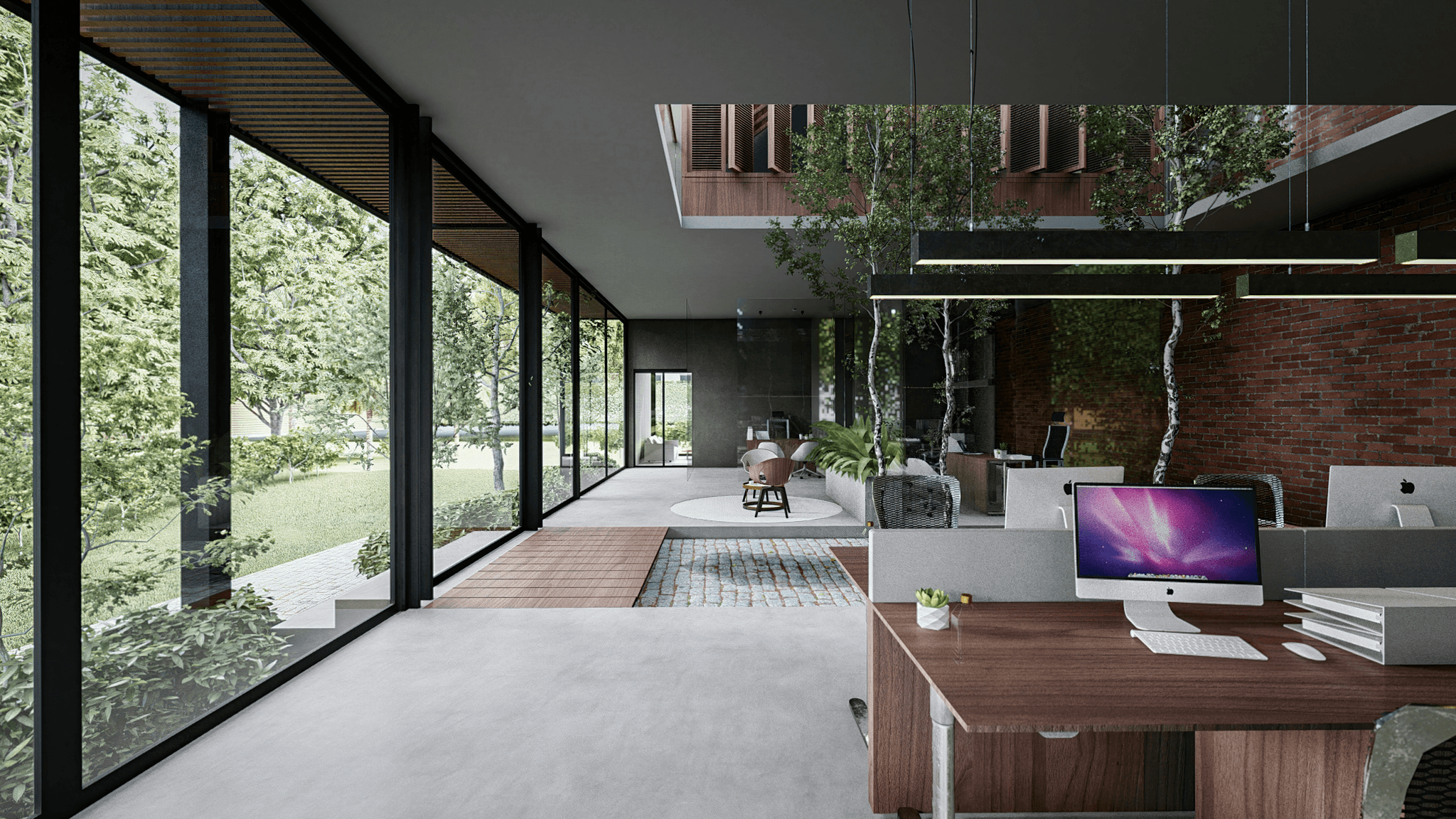
In a world where time is of the essence and efficiency is key, prefabricated building design emerges as an innovative solution that meets modern demands. By embracing this approach, builders and homeowners alike can enjoy reduced construction times, lower costs, and a myriad of design options that cater to individual tastes. It's clear that the future of construction lies in the hands of prefabrication—an exciting trend that's reshaping our skylines.
Why Choose Prefabricated Building Design
Opting for prefabricated building design offers numerous advantages that traditional construction methods simply can't match. For starters, these structures are often built in controlled environments, which minimizes weather-related delays and enhances quality control throughout the process. Additionally, with companies like PreFab Inc., customization becomes a breeze—allowing you to create a space that truly reflects your personal style while maintaining efficiency.
Moreover, prefabricated designs can significantly reduce labor costs and project timelines, enabling quicker occupancy without sacrificing quality or aesthetics. This is particularly appealing for both residential and commercial projects where time-to-market is crucial. Ultimately, choosing prefabrication means investing in a smarter way to build—one that prioritizes sustainability and innovation.
The Future of Architecture and Prefabrication
The future of architecture is undeniably intertwined with the evolution of prefabricated building design. As technology advances, we can expect even more sophisticated modular solutions that push the boundaries of creativity while adhering to sustainable practices. Architects will increasingly embrace these methods not only for their efficiency but also for their potential to create striking visual statements in urban landscapes.
With an emphasis on environmental responsibility becoming central to architectural discourse, prefabrication stands out as a champion for green building practices. As more companies adopt eco-friendly materials and techniques within their designs, we anticipate a shift towards buildings that harmonize with nature rather than disrupt it. Ultimately, the marriage between architecture and prefabrication heralds an era where functionality meets artistry in unprecedented ways.
Getting Started with Your Prefabricated Project
Ready to dive into the world of prefabricated building design? Start by outlining your project goals: consider your budget, desired aesthetics, and specific needs for space utilization before reaching out to experts like PreFab Inc., who can guide you through every step of the process. Research various designs available on the market; you'll find options ranging from sleek modern homes to innovative commercial spaces—all customizable to suit your vision.
Once you've settled on a concept you love, work closely with designers who specialize in prefabrication; they will help you navigate material choices while ensuring compliance with local regulations and sustainability standards. With careful planning and collaboration at each stage—from initial sketches to final assembly—you'll be well on your way toward realizing your dream space through cutting-edge prefabricated solutions.