

Introduction
In recent years, US prefabricated homes have surged in popularity, captivating the attention of prospective homeowners and builders alike. These innovative structures offer a unique blend of efficiency, affordability, and modern design that appeals to a wide range of lifestyles. With companies like PreFab Inc. leading the charge, the world of prefabricated housing is evolving rapidly, making it an exciting time to explore your options.
Understanding US Prefabricated Homes
US prefabricated homes are constructed using pre-manufactured components that are assembled on-site, allowing for quicker build times and reduced labor costs. This method can include modular homes, panelized systems, and even shipping container conversions—each offering distinct advantages for homeowners seeking alternatives to traditional construction methods. By understanding the fundamentals of these homes, buyers can make informed decisions that align with their needs and values.
Benefits of Choosing Prefabricated Housing
Choosing US prefabricated homes comes with numerous benefits that extend beyond just cost savings. These homes often boast energy efficiency due to modern building practices and materials used in their construction, which can lead to lower utility bills over time. Additionally, the design flexibility inherent in prefab housing allows homeowners to create personalized spaces without compromising quality or sustainability—an enticing proposition for many.
Debunking Myths About Prefab Homes
Despite their growing popularity, misconceptions about US prefabricated homes still persist in public discourse. Many people believe prefab houses lack durability or aesthetic appeal; however, advancements in technology have proven otherwise—today's models are built to last and can be designed with stunning architectural features. By debunking these myths through education and awareness campaigns led by companies like PreFab Inc., we can help potential buyers see the true value of choosing a prefab home.
The History of Prefabricated Homes
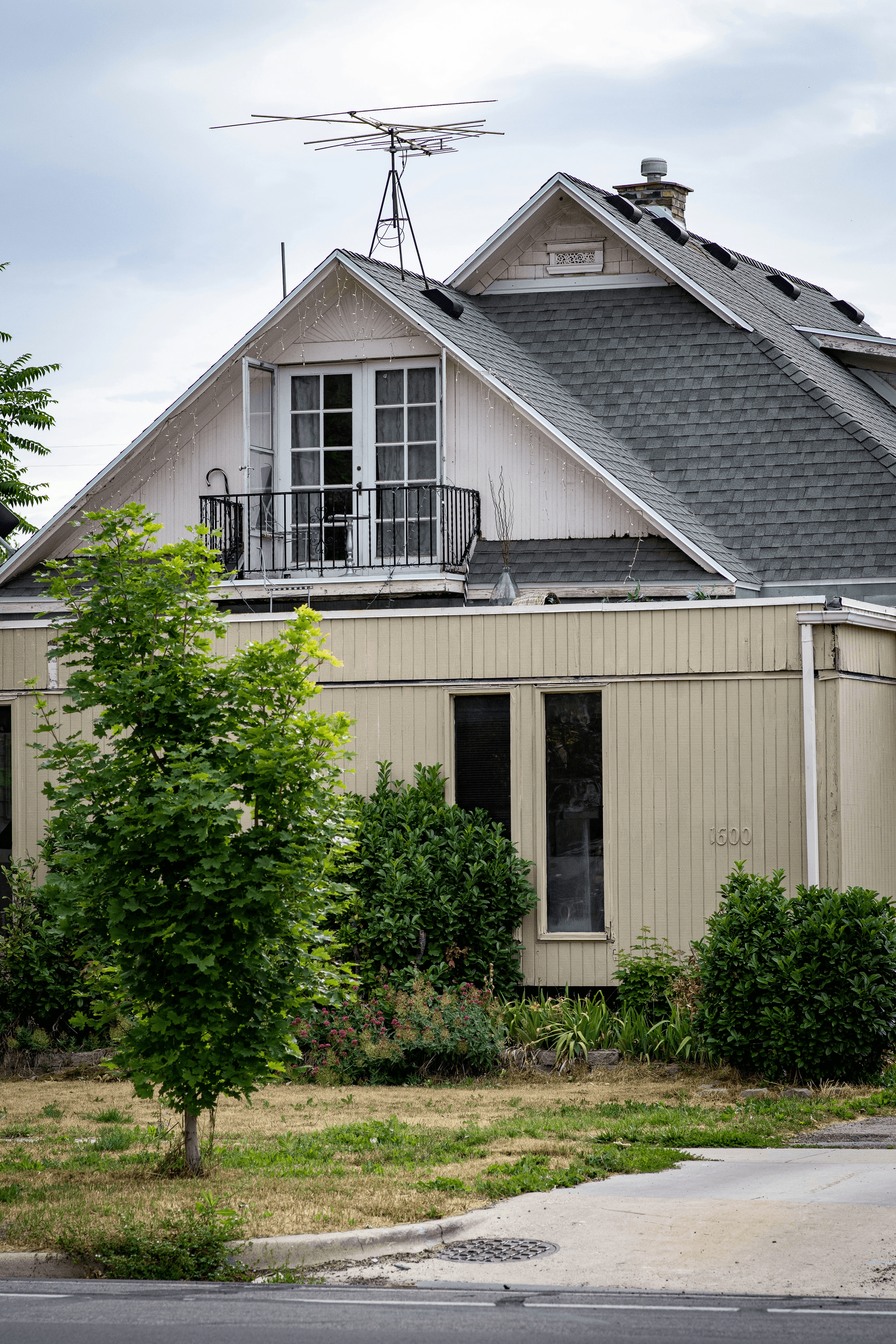
The journey of US prefabricated homes is a fascinating tale that intertwines innovation, creativity, and practicality. From humble beginnings to modern marvels, these homes have evolved significantly over the years. Understanding this history not only sheds light on their current popularity but also showcases the ingenuity behind prefab construction.
Early Innovations in Prefab Construction
The concept of prefabrication dates back to the early 19th century when builders sought efficient ways to construct homes rapidly. One notable innovation was the use of standardized parts, which allowed for quicker assembly and reduced costs—a precursor to today’s modular designs in US prefabricated homes. This approach paved the way for future developments and set the stage for a housing revolution.
In the mid-20th century, World War II catalyzed further advancements as soldiers returning home needed affordable housing solutions quickly. This urgent demand led to a surge in prefab designs that could be mass-produced efficiently without sacrificing quality or comfort. As a result, US prefabricated homes began to gain traction among families looking for practical living options.
Key Figures Who Shaped Prefab Design
Throughout history, several visionaries have played pivotal roles in shaping the landscape of prefab design in the United States. One such figure is Frank Lloyd Wright, whose principles of organic architecture influenced many modern prefab concepts by emphasizing harmony between structure and environment. His ideas inspired architects and builders alike to think outside traditional constraints when designing US prefabricated homes.
Another significant contributor was developer William Levitt, who revolutionized suburban living with his mass-produced Levittown communities in the post-war era. His success demonstrated that affordable housing could be stylish and functional while appealing to middle-class families across America. The influence of these key figures continues to resonate today as new generations explore innovative approaches within prefab construction.
Milestones in US Prefabricated Homes Development
The evolution of US prefabricated homes has been marked by several milestones that highlight their growing acceptance and sophistication over time. In 1950, one of the first manufactured home communities opened its doors, showcasing how prefab living could offer both affordability and comfort—an idea that still holds strong today. With each passing decade, technological advancements have further refined construction methods and materials used in these homes.
The introduction of computer-aided design (CAD) technology in the late 20th century marked another turning point for US prefabricated homes, allowing for greater customization without increasing costs significantly. Today’s homeowners can choose layouts tailored specifically to their needs while enjoying all the benefits associated with modern building practices—efficiency being at the forefront! As we look ahead, it’s clear that this ever-evolving industry will continue adapting to meet consumer demands through companies like PreFab Inc., which are dedicated to making quality prefabs accessible for everyone.
Types of Prefabricated Homes

When it comes to US prefabricated homes, variety is the spice of life! From modular structures that can be tailored to your needs, to innovative shipping containers and the rising trend of tiny homes, there’s something for everyone. Let’s dive into these exciting options that make prefabricated living both practical and stylish.
Modular vs. Panelized Homes
Modular homes are like the Lego sets of the housing world—built off-site in sections or modules and then assembled on your chosen lot. These homes often come fully equipped with plumbing and electrical systems, making them ready for immediate occupancy upon assembly. On the other hand, panelized homes are constructed using pre-made wall panels that are shipped to the site and erected by a builder; this method allows for more customization while still benefiting from quicker build times compared to traditional construction.
Both types offer unique advantages when it comes to US prefabricated homes; modular designs tend to be more cost-effective due to their factory-built nature, while panelized options provide greater flexibility in design choices. The choice between modular and panelized ultimately depends on your specific needs, budget, and preferences—so it’s wise to consult with companies like PreFab Inc., who can guide you through this exciting decision-making process.
Shipping Containers as Living Spaces
Who would have thought that old shipping containers could evolve into trendy living spaces? These robust metal boxes have found new life as eco-friendly alternatives in the realm of US prefabricated homes. They can be transformed into stylish residences featuring modern amenities while maintaining their industrial charm—perfect for those who want a unique home with a story!
Transforming shipping containers into livable spaces is not only sustainable but also surprisingly versatile; they can be stacked or arranged in various configurations to create multi-story dwellings or compact single-family units. Plus, they’re incredibly durable against weather elements! For those considering an unconventional yet eco-conscious lifestyle, PreFab Inc. offers plenty of design inspiration and expertise on how best to utilize these containers.
Tiny Homes: The New Face of Prefab
Tiny homes have taken the world by storm—and they’re here to stay! As one of the most popular trends within US prefabricated homes, these compact dwellings emphasize simplicity without sacrificing style or functionality. With an average size ranging from 100 to 400 square feet, tiny houses encourage minimalism and intentional living while providing all necessary amenities.
The appeal lies not just in their size but also in their affordability and eco-friendliness; fewer materials mean less waste during construction! Plus, tiny home communities are popping up across the country—creating a sense of belonging among like-minded individuals who appreciate downsizing without compromising quality living standards. If you’re intrigued by this movement toward smaller footprints but still want modern comforts, PreFab Inc.'s experts can help you navigate your options.
The Prefabrication Process
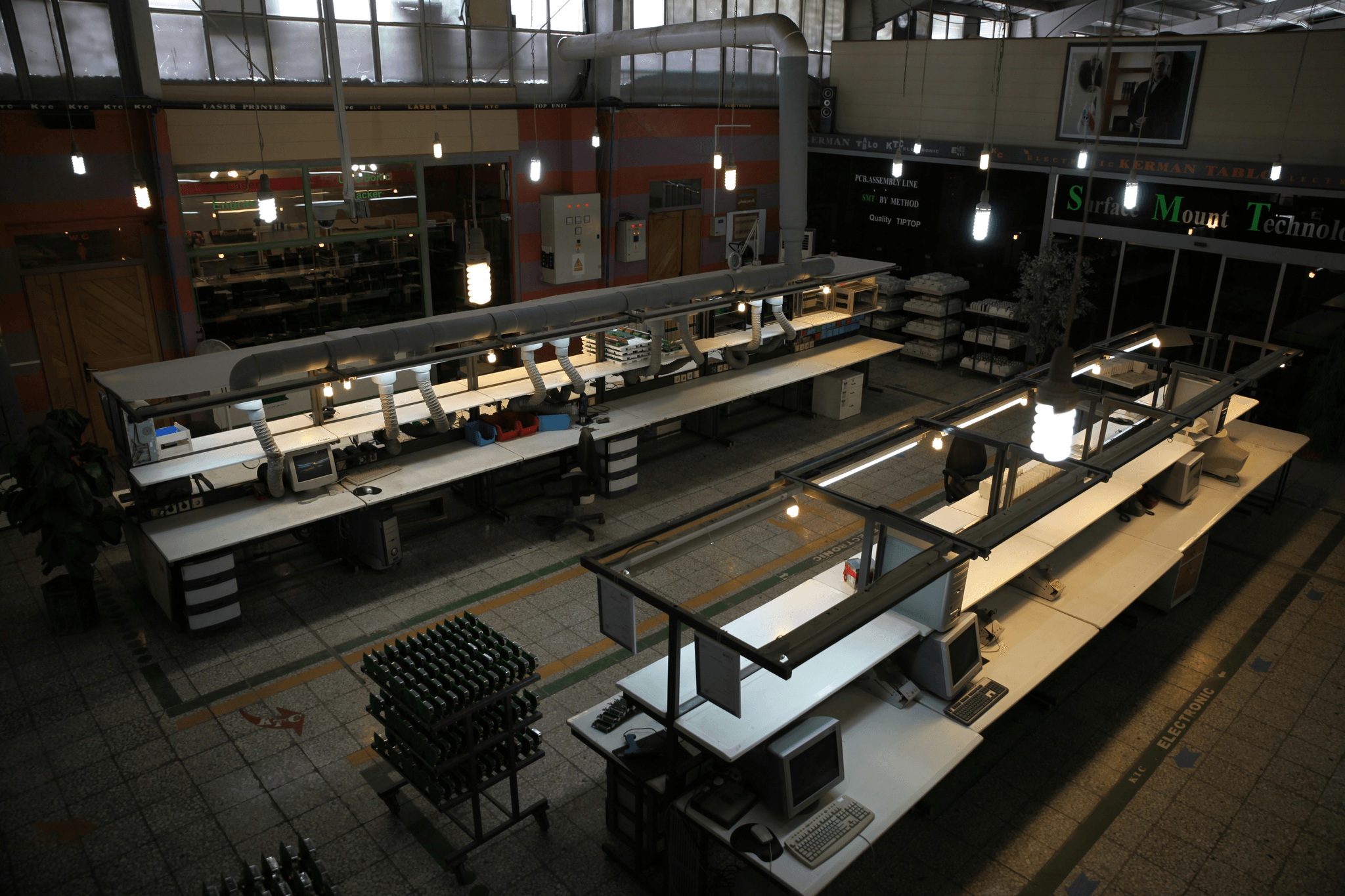
The journey of creating US prefabricated homes is a fascinating blend of efficiency, innovation, and craftsmanship. In this section, we’ll explore how these homes are built, the technology that drives their construction, and the rigorous quality control measures in place to ensure they meet high standards. With companies like PreFab Inc. leading the charge, the process has evolved into a streamlined operation that caters to modern housing needs.
How Prefab Homes Are Built
Building US prefabricated homes begins with meticulous planning and design. Architects create detailed blueprints that are then transformed into modular sections or panels in a controlled factory environment. Once completed, these sections are transported to the construction site where they are assembled quickly and efficiently—often in just a matter of days—minimizing on-site labor and reducing overall project timelines.
This method not only speeds up construction but also allows for greater precision compared to traditional building methods. The use of pre-engineered components means that each part fits together seamlessly, which enhances structural integrity and reduces waste. Additionally, homeowners can often customize their designs before production begins, ensuring their new home reflects their personal style while still benefiting from the efficiencies of prefab construction.
The Role of Technology in Prefab Construction
Technology plays a pivotal role in revolutionizing US prefabricated homes through advanced manufacturing techniques and innovative design software. Computer-aided design (CAD) programs allow architects to create detailed 3D models that can be easily modified before any physical work begins. This not only improves accuracy but also helps clients visualize their future home before it’s even built.
Moreover, automation in factories has led to increased efficiency during production processes; robots can handle repetitive tasks with precision that humans simply can't match. This technological integration ensures consistent quality across all components being produced for your new home while minimizing human error—an essential factor when you’re investing in a long-term asset like housing.
Quality Control in US Prefabricated Homes
Quality control is paramount when it comes to constructing US prefabricated homes; after all, no one wants surprises once they’ve moved into their new abode! At various stages throughout the manufacturing process, rigorous inspections are conducted to ensure every component meets industry standards for safety and durability. From materials used to assembly techniques, every detail is scrutinized so you can rest easy knowing your home is built to last.
Additionally, many manufacturers adhere to strict guidelines set forth by national organizations which further guarantee quality assurance throughout production phases. PreFab Inc., for example, employs comprehensive testing protocols on materials such as insulation and structural elements before they ever leave the factory floor—ensuring your future home isn’t just beautiful but also energy-efficient and resilient against environmental factors.
In conclusion, understanding how US prefabricated homes are constructed gives potential homeowners confidence in choosing this modern housing solution. With cutting-edge technology enhancing every step from design through assembly—and stringent quality controls ensuring excellence—there's never been a better time to consider prefab living as an option for your next home sweet home!
Design and Customization Options
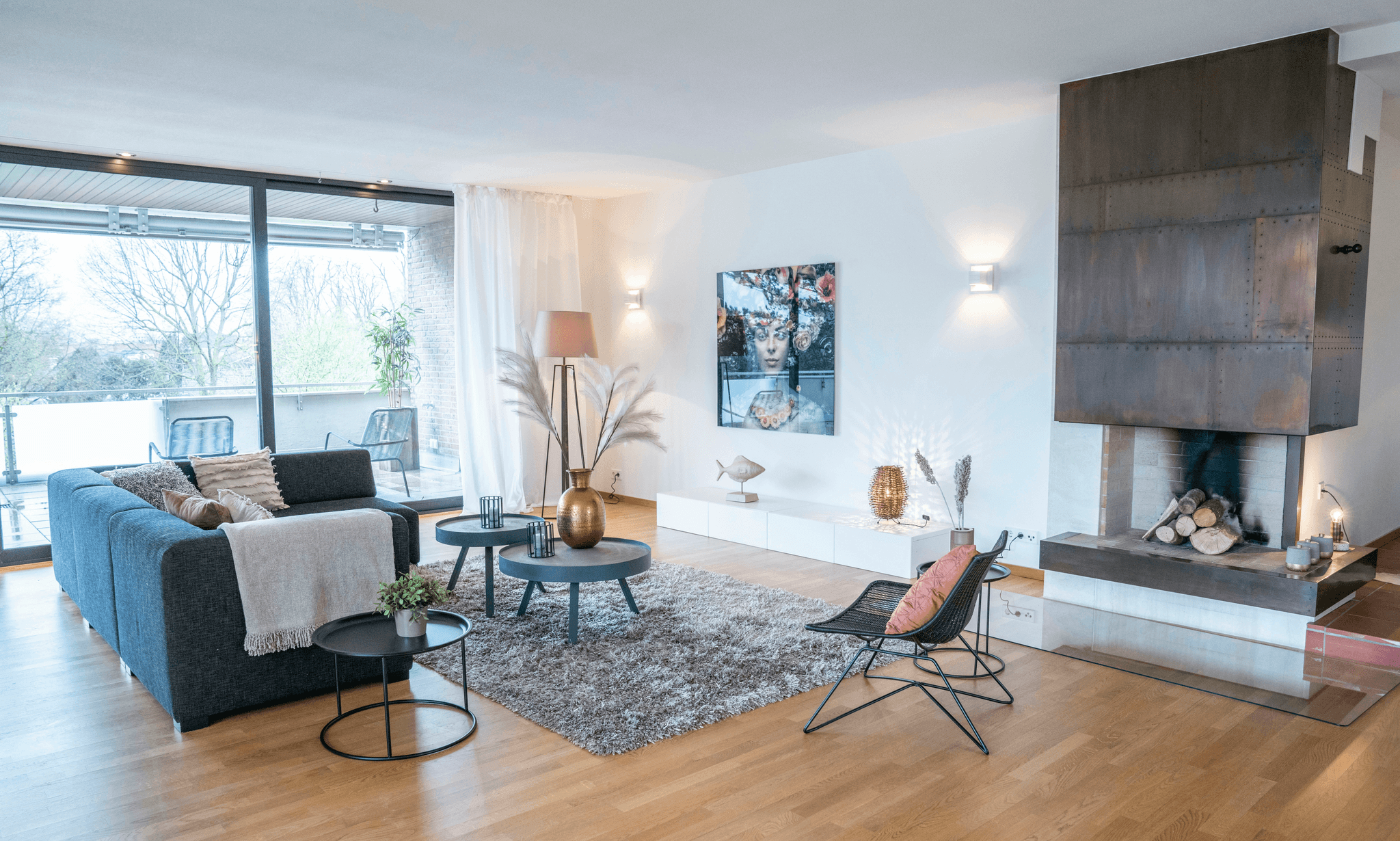
When it comes to US prefabricated homes, design and customization options can be as varied as your imagination. The beauty of prefabricated housing lies in its flexibility, allowing homeowners to tailor their living spaces to meet their unique needs and tastes. Whether you're looking for a minimalist aesthetic or a cozy family retreat, there's a prefab solution waiting for you.
Choosing the Right Floor Plan
Selecting the right floor plan is crucial when investing in US prefabricated homes. With an array of layouts available, from open-concept designs to more traditional room configurations, you'll want to consider how each space will function for your lifestyle. PreFab Inc. offers expert guidance in navigating these choices, ensuring that your new home is not only stylish but also practical.
The key is to envision how you’ll use each area; think about entertaining guests or enjoying quiet evenings at home. Additionally, many manufacturers provide customizable options within their floor plans, allowing you to tweak dimensions or add features like extra bedrooms or outdoor decks. So go ahead and dream big—your ideal layout could be just a blueprint away!
Sustainable Materials in Prefab Homes
Sustainability is increasingly becoming a priority for homeowners seeking US prefabricated homes that align with eco-friendly values. Many prefab builders are now using sustainable materials such as reclaimed wood, recycled steel, and energy-efficient insulation systems that reduce waste and environmental impact during construction and throughout the home's life cycle. PreFab Inc. champions these practices by connecting clients with manufacturers who prioritize sustainability without compromising on quality.
Choosing green materials not only helps the planet but can also lead to significant savings on utility bills over time due to improved energy efficiency. Furthermore, many modern prefab homes incorporate renewable energy solutions like solar panels right from the start—making them both forward-thinking and cost-effective! By opting for sustainable materials in your prefab home design, you're making a choice that's good for both your wallet and Mother Earth.
Personalizing Your US Prefabricated Home
Personalization is where the magic happens in US prefabricated homes! From selecting color palettes that reflect your personality to choosing fixtures that make everyday living enjoyable, every detail counts when creating your dream space. PreFab Inc. understands that no two homeowners are alike; therefore, we encourage you to explore various customization options available through our network of trusted builders.
You might consider adding custom cabinetry or unique lighting fixtures that showcase your style while enhancing functionality within the space—after all, it’s about making it yours! Don’t forget about outdoor areas either; patios or gardens can be designed with personal touches like fire pits or vertical gardens that transform outdoor living into an extension of your home’s character. In short, let your creativity flow when personalizing your US prefabricated home—it’s all about crafting a sanctuary tailored just for you!
Financing Your Prefabricated Home
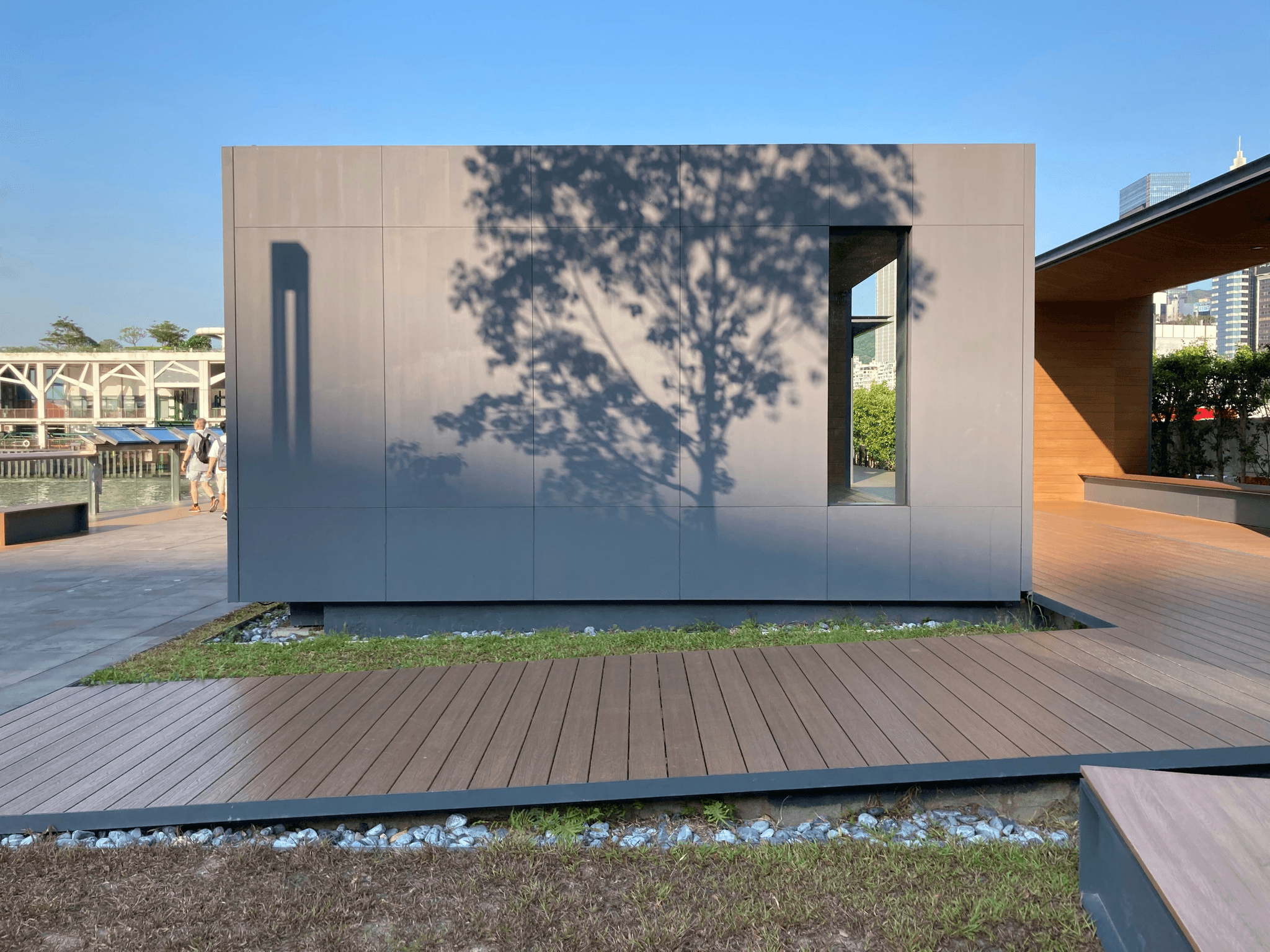
Navigating the financial landscape of US prefabricated homes can feel like trying to find your way through a maze. However, understanding the costs, lending options, and budgeting tips can make this journey much smoother. With some knowledge in your back pocket, you’ll be ready to make informed decisions about your dream prefab home.
Understanding Costs of Prefab Construction
When it comes to US prefabricated homes, costs can vary widely based on design, size, and materials used. On average, you might expect to spend anywhere from $100 to $200 per square foot for a modular home. This pricing typically includes manufacturing, delivery, and assembly but doesn’t always cover land acquisition or site preparation—so be sure to factor those in!
Additionally, while upfront costs are essential to consider, it’s also important to account for long-term savings associated with energy efficiency and lower maintenance expenses that many prefab homes offer. With innovative designs and sustainable materials becoming more prevalent in US prefabricated homes, homeowners often find themselves enjoying lower utility bills over time. Ultimately, understanding these costs will help you evaluate whether a prefab home aligns with your budgetary goals.
Lending Options for Prefabricated Homes
Financing your US prefabricated home may come with unique challenges compared to traditional stick-built houses; however, there are plenty of lending options available! Many banks and credit unions now offer loans specifically tailored for modular or manufactured homes. These loans may include conventional mortgages as well as specialized financing programs designed for prefab construction.
It's crucial to shop around for lenders that understand the nuances of US prefabricated homes since some may have stricter requirements than others regarding appraisal values or down payments. Additionally, working with companies like PreFab Inc., which have established relationships with lenders experienced in financing prefab projects can ease the process significantly! Remember: securing a competitive interest rate could save you thousands over the life of your loan.
Budgeting Tips for Future Homeowners
Creating a budget is an essential step when planning for your new US prefabricated home—after all, no one wants any financial surprises! Start by listing out all potential expenses related not only to construction but also land purchase (if applicable), permits fees, utility connections, and landscaping costs that might crop up along the way. This comprehensive approach will give you a clearer picture of what you'll need financially before diving headfirst into building.
Next up? Don’t forget about ongoing costs such as property taxes and homeowner's insurance specific to US prefabricated homes; these factors play an important role in maintaining financial stability after moving in! Finally—and perhaps most importantly—always set aside an emergency fund dedicated solely for unexpected repairs or renovations once you've settled into your new abode.
Conclusion
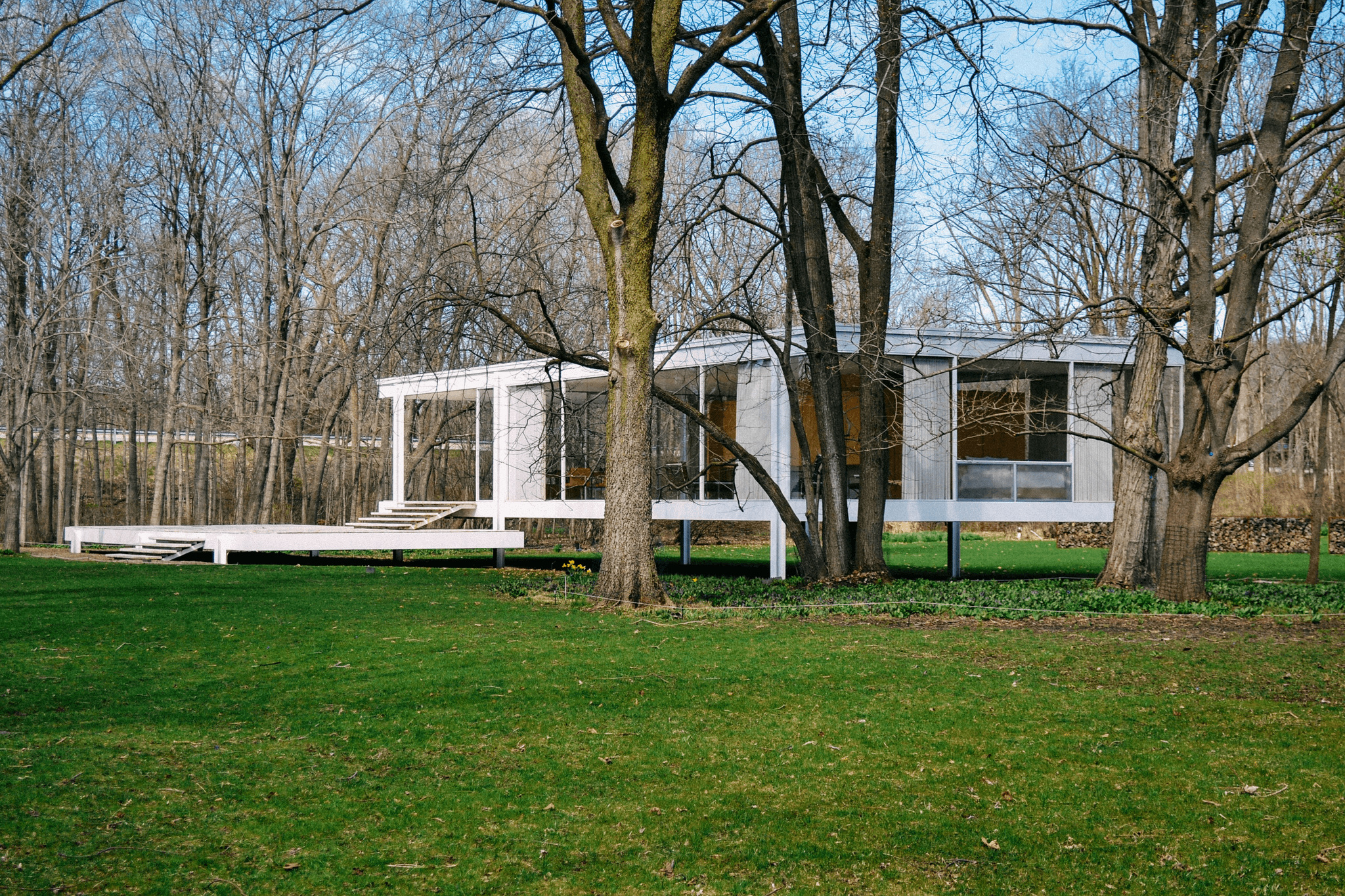
In the ever-evolving landscape of housing, US prefabricated homes stand out as a practical and innovative choice for many homeowners. With their unique blend of affordability, efficiency, and design flexibility, these homes offer solutions that traditional construction methods often struggle to match. As we move forward, the appeal of prefabricated housing continues to grow, making it a worthy consideration for anyone looking to build or buy a new home.
Why US Prefabricated Homes are Worth Considering
US prefabricated homes provide numerous advantages that can simplify the home-buying process. They are typically more affordable than traditional houses due to streamlined construction processes and reduced labor costs. Additionally, with their customizable designs and eco-friendly materials, these homes allow buyers to create a living space that reflects their personal style while also being mindful of environmental impact.
Moreover, the quick assembly time associated with prefabricated homes means you can move into your new space sooner rather than later. This is particularly appealing for families eager to settle down or individuals looking for a swift transition into homeownership. With all these benefits combined, it's no wonder that US prefabricated homes are capturing the attention of prospective homeowners across the nation.
Future Trends in Prefabricated Housing
The future of US prefabricated homes looks bright as technology continues to advance and consumer preferences evolve. One trend gaining traction is the integration of smart home technologies into prefab designs, allowing homeowners to enjoy modern conveniences right from day one. Additionally, sustainable building practices are becoming increasingly important; expect more eco-friendly materials and energy-efficient designs in upcoming models.
Another exciting development is the rise of community-focused prefab projects that promote shared spaces and resources among residents—think tiny house villages or modular neighborhoods designed with social interaction in mind. As urban areas become more crowded and housing prices soar, these innovative approaches could redefine how we think about living spaces in America. In short, US prefabricated homes are not just a passing fad; they represent a forward-thinking approach to housing.
How PreFab Inc. Can Help You Find Your Home
At PreFab Inc., we specialize in guiding you through every step of your journey toward owning a beautiful US prefabricated home tailored just for you! Our team is dedicated to helping you navigate design choices, financing options, and everything in between—making your dream home not only achievable but enjoyable too! We understand that building or buying a home can be overwhelming; that's why we're here to simplify the process while ensuring you have all the information needed at your fingertips.
Whether you're interested in modular constructions or tiny homes crafted from shipping containers, our extensive portfolio has something for everyone! Let us help you create an inviting space where memories can flourish while enjoying all the perks that come with choosing US prefabricated homes! Reach out today so we can start planning your future together!