

Introduction
In recent years, the world has witnessed a remarkable shift towards compact houses, redefining our understanding of living spaces. As urbanization continues to surge and housing costs soar, many are discovering the charm and practicality of smaller living environments. This trend is not just about downsizing; it's about embracing a lifestyle that prioritizes efficiency, sustainability, and creativity.
The Rise of Compact Houses
Compact houses have emerged as a response to modern challenges such as limited space and environmental concerns. From tiny homes on wheels to cleverly designed micro-apartments, these innovative structures are capturing the imagination of homeowners around the globe. Companies like PreFab Inc. are at the forefront of this movement, crafting designs that maximize functionality while minimizing ecological footprints.
Why Opt for Smaller Living Spaces
Choosing smaller living spaces offers numerous advantages that extend beyond mere aesthetics. For many individuals and families, compact houses provide an opportunity to reduce living expenses significantly while promoting a simpler lifestyle free from excess clutter. Additionally, smaller homes often encourage stronger community ties as residents interact more closely with their neighbors in shared spaces.
Benefits of Innovative Designs
The benefits of innovative designs in compact houses cannot be overstated; they represent a blend of form and function that caters to contemporary needs. With multi-functional furniture and smart technology integration becoming standard features, these homes are not only efficient but also adaptable to various lifestyles. As we look ahead, it’s clear that companies like PreFab Inc., with their commitment to sustainable materials and techniques, are paving the way for a future where compact living is both stylish and environmentally responsible.
Compact Houses: A Global Perspective
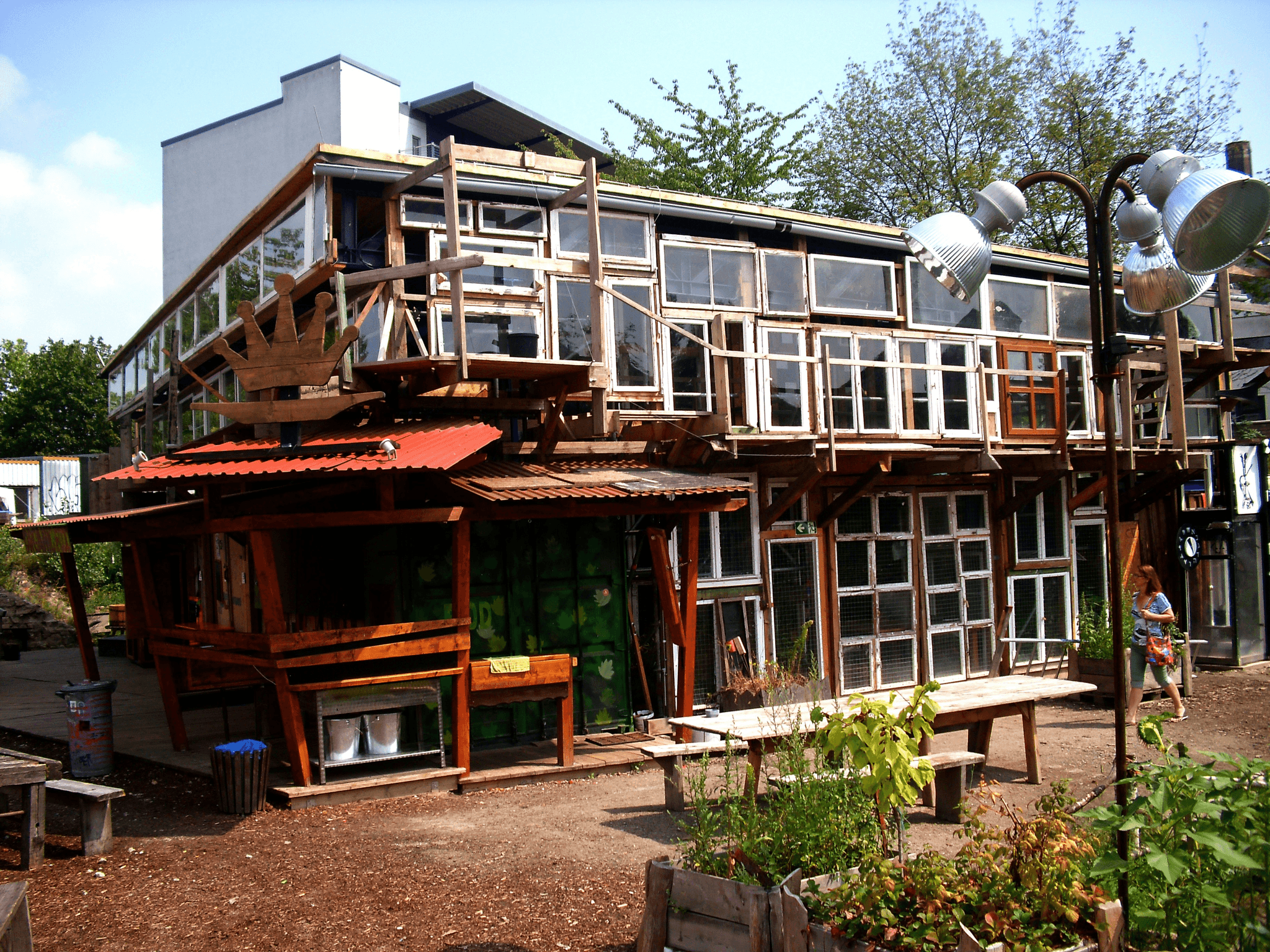
In recent years, the concept of compact houses has gained traction worldwide, reflecting a shift in how we perceive living spaces. These innovative designs are not confined to any single region; rather, they are popping up everywhere from bustling urban centers to serene rural landscapes. By examining notable examples around the globe, we can appreciate the diverse approaches to compact living.
Notable Examples Around the World
From the sleek micro-apartments in New York City to the whimsical tiny homes in Scandinavia, compact houses come in various forms and styles. For instance, Dutch architect Piet Boon has created stunning compact homes that embrace minimalism while maximizing functionality. Similarly, in Brazil, architect Marcio Kogan's work showcases how compact houses can harmoniously blend with nature and local culture.
These global examples highlight that no matter where you are, there’s a unique take on what it means to live smaller. In fact, countries like Germany have embraced “Wohngemeinschaften” or shared living spaces as a solution for affordable housing while fostering community ties. Meanwhile, Australia’s tiny house movement is gaining momentum as more people seek sustainable lifestyles without sacrificing comfort.
Cultural Influences on Compact Living
Cultural attitudes toward space and ownership significantly influence the popularity of compact houses across different regions. In densely populated cities like Tokyo and Hong Kong, where real estate prices skyrocket, smaller living spaces become not just a trend but a necessity for many residents. On the other hand, Scandinavian countries emphasize simplicity and sustainability in their design philosophies—values that resonate well with those opting for compact homes.
Moreover, cultural traditions play a crucial role; for instance, communal living practices found in many Asian cultures promote shared resources and communal spaces within compact houses. This perspective fosters not only an efficient use of space but also strengthens social bonds among residents. As more people become aware of their environmental impact and seek alternatives to traditional housing models, these cultural influences will continue shaping the landscape of compact living.
Case Study: Japan's Tiny House Movement
Japan's tiny house movement serves as an exemplary case study illustrating both innovation and necessity in compact housing solutions. With limited land availability and escalating property costs, Japanese architects have mastered creating functional yet aesthetically pleasing small homes that often measure less than 200 square feet! Many of these designs incorporate sliding doors and foldable furniture to maximize utility without compromising style.
PreFab Inc., recognizing this trend's significance globally, draws inspiration from Japan’s ingenuity while integrating modern technology into its own designs for compact houses. The emphasis on modularity allows homeowners flexibility—perfectly aligning with contemporary lifestyles seeking minimalism without sacrificing comfort or functionality! Furthermore, Japan's focus on sustainability through eco-friendly materials resonates strongly with PreFab Inc.'s commitment to greener building practices.
As we explore these global perspectives on compact houses further along this journey together—stay tuned for more insights into innovative designs shaping our future urban landscapes!
Design Innovations in Compact Houses
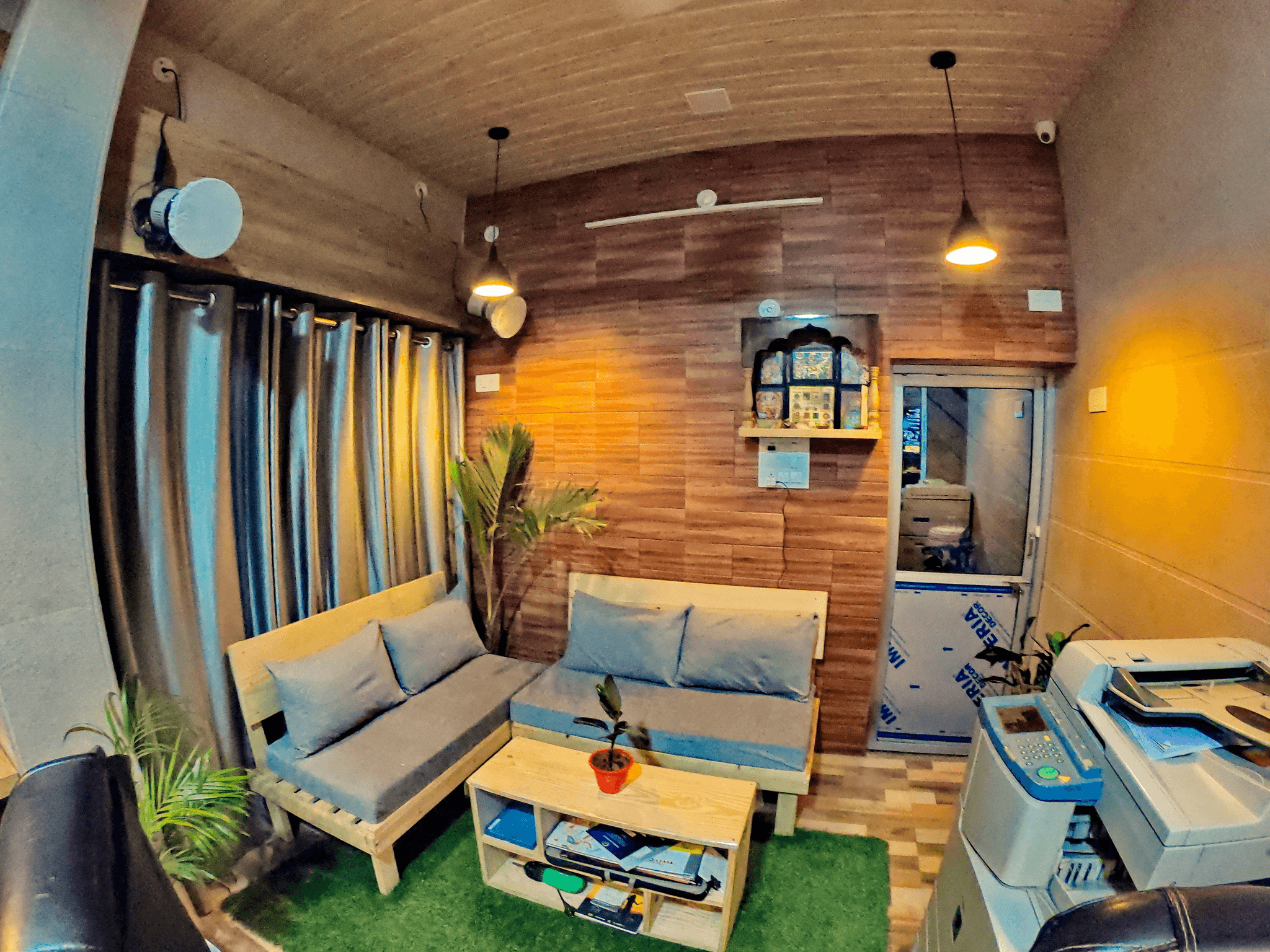
In the realm of compact houses, innovation is key to maximizing space while maintaining functionality and style. Designers are increasingly turning to creative solutions that allow for multi-functional living, smart technology integration, and sustainable materials. These innovations are reshaping how we think about small living spaces, making them not only livable but also desirable.
Multi-Functional Spaces
One of the most exciting aspects of compact houses is the concept of multi-functional spaces. Gone are the days when a room served just one purpose; today’s designs cleverly combine areas to maximize utility without sacrificing comfort or aesthetics. For instance, a living room can easily transform into a guest bedroom with the addition of a Murphy bed or convertible furniture, allowing homeowners to make the most out of their limited square footage.
Moreover, open floor plans are becoming increasingly popular in compact houses as they create an illusion of more space while facilitating easier movement between areas. This fluidity encourages creativity in how residents use their homes—dining tables can double as workspaces, and storage solutions can be seamlessly integrated into furniture designs. PreFab Inc. excels at crafting these adaptable environments that cater to modern lifestyles.
Smart Technology Integration
As technology advances, so does its integration into compact houses, providing homeowners with convenience and efficiency like never before. Smart home systems allow residents to control lighting, heating, and security from their smartphones or voice-activated devices—perfect for those seeking both comfort and energy savings in smaller spaces. With smart appliances designed specifically for compact living, such as mini dishwashers or refrigerators that fit snugly into tight corners, every inch counts.
Furthermore, automation features can help optimize energy consumption by learning habits and adjusting settings accordingly—an essential consideration for eco-conscious individuals living in compact houses. PreFab Inc.’s designs often incorporate these technologies to ensure homes are not just stylish but also equipped for modern-day needs. As we embrace smart technology in our daily lives, it becomes even more crucial within smaller living environments where efficiency is paramount.
Sustainable Materials and Techniques
Sustainability is another cornerstone of design innovations within compact houses that cannot be overlooked. Homeowners today are increasingly aware of their environmental footprint and seek out sustainable materials that reduce waste while offering durability and aesthetic appeal. From reclaimed wood flooring to recycled steel frames, these materials not only contribute to eco-friendly building practices but also add character to small spaces.
Additionally, innovative construction techniques such as modular building allow for efficient use of resources without compromising quality or design integrity—an approach championed by companies like PreFab Inc., which prioritize sustainability in all their projects. By utilizing energy-efficient insulation and solar panels on compact houses, residents can enjoy reduced utility bills while minimizing their impact on the environment. The future looks bright (and green!) for those embracing this lifestyle choice.
PreFab Inc.: Leading the Compact Revolution
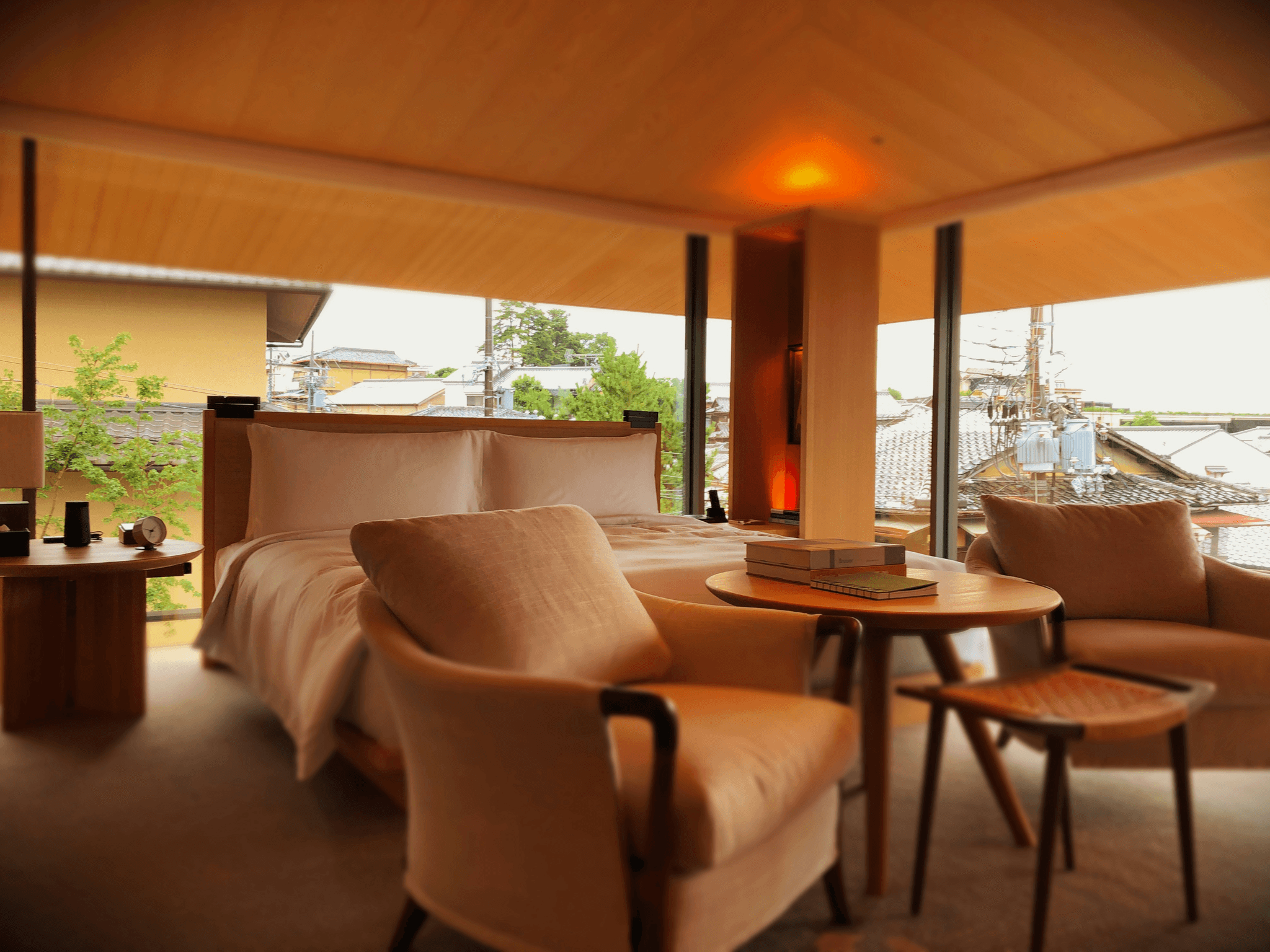
PreFab Inc. is at the forefront of the compact houses movement, revolutionizing how we think about living spaces. With a mission to create efficient, stylish, and sustainable homes, PreFab Inc. has become synonymous with innovative design in small living environments. By focusing on compact houses, they not only address housing shortages but also promote a lifestyle that embraces minimalism and sustainability.
Overview of PreFab Inc.'s Designs
The designs from PreFab Inc. exemplify the beauty of compact houses through clever architecture and thoughtful layouts. Each model is tailored to maximize space while ensuring functionality and aesthetic appeal, proving that small doesn’t have to mean cramped. From modular units that can be easily assembled to customizable options that cater to individual tastes, these compact houses are designed for modern living without sacrificing style.
One standout feature of PreFab Inc.'s designs is their ability to blend seamlessly into various environments—urban settings or rural landscapes alike benefit from their innovative approach. The use of large windows allows natural light to flood in, creating an illusion of spaciousness even within a smaller footprint. This commitment to thoughtful design ensures that every square inch serves a purpose while still feeling open and inviting.
Client Success Stories
Clients who have chosen PreFab Inc.’s compact houses often rave about how their lives have transformed since downsizing their living spaces. One family shared how moving into a compact house allowed them not only financial freedom but also more quality time together, as they embraced a simpler lifestyle devoid of excess clutter. Another couple highlighted the environmental benefits they experienced by reducing their energy consumption in one of PreFab's eco-friendly models.
These success stories showcase how PreFab Inc.'s designs can lead to happier lifestyles through efficient use of space and resources. Many clients express excitement about having more outdoor areas for gardening or entertaining due to the smaller footprint of their homes—proving that compact living can be both enjoyable and practical! As word spreads about these transformative experiences, more individuals are drawn toward embracing this new way of life offered by compact houses.
Collaboration with Innovative Architects
PreFab Inc.’s commitment to leading the charge in compact housing extends beyond just designing homes; it involves collaborating with some of the most innovative architects in the industry today. By partnering with creative minds who share a vision for sustainable living, they push boundaries on what’s possible within limited square footage while maintaining high standards for aesthetics and functionality in all their projects.
These collaborations often result in groundbreaking designs that challenge traditional notions around home-building practices—think floating structures or homes built from recycled materials! The synergy between PreFab Inc.’s focus on practicality and architects’ artistic flair creates unique solutions tailored specifically for modern needs without compromising on style or comfort found in larger homes typically seen across neighborhoods.
In conclusion, as we explore how companies like PreFab Inc.—with its dedication towards crafting beautiful yet functional compact houses—are reshaping our understanding about urban living today; it becomes clear: less really can be more when done right!
The Future of Urban Living
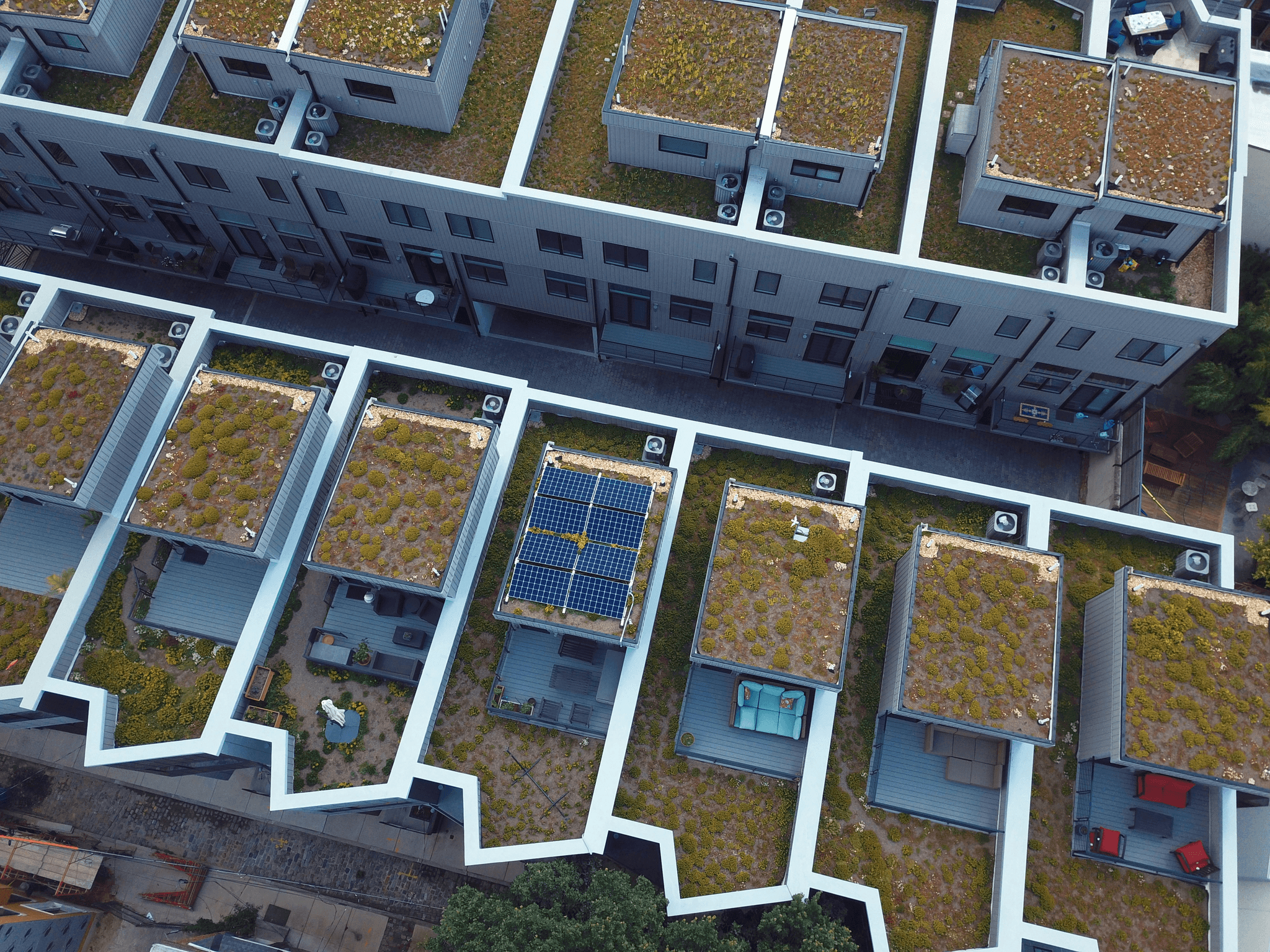
As urbanization continues to surge, the concept of compact houses is becoming increasingly relevant in city planning. With limited space and rising costs, these innovative living solutions are not just a trend; they represent a necessary shift in how we think about housing. Cities around the globe are beginning to embrace compact houses as viable options for modern living.
Compact Houses in Urban Environments
Compact houses fit seamlessly into urban environments where space is at a premium. These homes maximize functionality while minimizing their footprint, making them ideal for bustling city life. PreFab Inc. has been at the forefront of designing compact houses that cater to urban dwellers looking for style without sacrificing comfort or convenience.
Urban landscapes are evolving, and compact houses are leading the charge toward sustainable living solutions. With their smaller size, these homes require fewer resources to build and maintain, which aligns perfectly with eco-conscious lifestyles that many city residents aspire to adopt. As cities become more crowded, the demand for compact houses will only increase as people seek efficient and affordable housing options.
Community Impact and Shared Spaces
Compact houses foster a sense of community by encouraging shared spaces and collaborative living experiences. In densely populated areas, these homes often come with communal gardens or lounges that promote interaction among neighbors, breaking down barriers often found in traditional housing setups. PreFab Inc.'s designs frequently incorporate such shared elements, enhancing social connectivity while maintaining individual privacy.
Moreover, compact house communities can lead to reduced environmental impact through shared resources like energy-efficient appliances and gardening tools. This collective approach not only lowers costs but also cultivates a culture of sustainability among residents who prioritize eco-friendly living practices. As communities grow around these innovative housing designs, they contribute positively to urban ecosystems by promoting green spaces amidst concrete jungles.
Trends Shaping Future Developments
The future of urban living is being shaped by several exciting trends that revolve around compact houses and their unique advantages. One significant trend is the rise of modular construction techniques that allow for quicker assembly without compromising quality—an area where PreFab Inc.'s expertise shines brightly. These methods not only speed up building processes but also offer customizable options tailored to individual needs.
Additionally, smart technology integration within compact houses is revolutionizing how we interact with our living spaces—think automated lighting systems or energy management tools designed specifically for smaller environments! This tech-savvy approach enhances convenience while optimizing energy efficiency—a win-win situation for both homeowners and the planet alike! As we look ahead, it’s clear that innovations in design will continue to transform how we perceive urban living through the lens of compact houses.
Navigating Regulations for Compact Living

Navigating the world of compact houses can feel like trying to find your way through a maze, especially when it comes to regulations. Zoning laws and permitting processes vary significantly from one locality to another, often creating hurdles for those eager to embrace the compact lifestyle. Understanding these regulations is crucial for anyone looking to build or buy a compact house, as they dictate everything from minimum square footage to land usage.
Zoning Laws and Permitting
Zoning laws play a pivotal role in determining where compact houses can be built and how they can be used. Many municipalities have outdated regulations that prioritize larger homes, leaving compact living enthusiasts in a bind. Fortunately, organizations like PreFab Inc. are advocating for changes that support innovative housing solutions by pushing for more flexible zoning laws that accommodate smaller structures.
Permitting is another critical aspect of navigating the regulatory landscape for compact houses. The process can be time-consuming and complex, often involving multiple inspections and approvals before construction can even begin. However, with the rise of interest in sustainable living solutions, many local governments are streamlining their permitting processes specifically for smaller homes, making it easier than ever to embark on your journey toward minimalist living.
Sustainable Building Codes
Sustainable building codes are increasingly becoming a focal point in discussions about compact houses. These codes not only promote environmentally friendly construction practices but also encourage efficient use of space and resources—two hallmarks of successful compact designs. As more people choose to live in smaller spaces, building codes are evolving to incorporate sustainability measures that align with modern lifestyles.
PreFab Inc., with its commitment to eco-friendly designs, adheres strictly to these sustainable building codes while also pushing the envelope on innovation in small home construction. This means that when you opt for one of their stylish and functional compact houses, you’re not just getting a home; you’re investing in a future where sustainability is prioritized without sacrificing comfort or aesthetics.
Moreover, compliance with sustainable building codes often leads to financial incentives such as tax rebates or grants aimed at promoting green living—making your investment in a compact house even more attractive!
The Role of Local Governments
Local governments play an essential role in shaping the landscape for compact houses through policies and initiatives designed to promote affordable housing solutions. By recognizing the benefits of smaller living spaces—such as reduced environmental impact and increased affordability—they're beginning to implement programs that support this trend actively. This shift opens doors not just for individuals but also encourages developers like PreFab Inc., who focus on creating innovative designs tailored for urban environments.
Furthermore, community engagement initiatives led by local governments help educate residents about the advantages of adopting a compact lifestyle while addressing common misconceptions about tiny homes being cramped or substandard. Through workshops and informational sessions, cities are fostering acceptance around these unique housing options while paving the way for future developments.
In conclusion, navigating regulations surrounding compact living might seem daunting at first glance; however, understanding zoning laws and sustainable building codes—and leveraging local government support—can make all the difference when embarking on this exciting journey toward minimalist living.
Conclusion
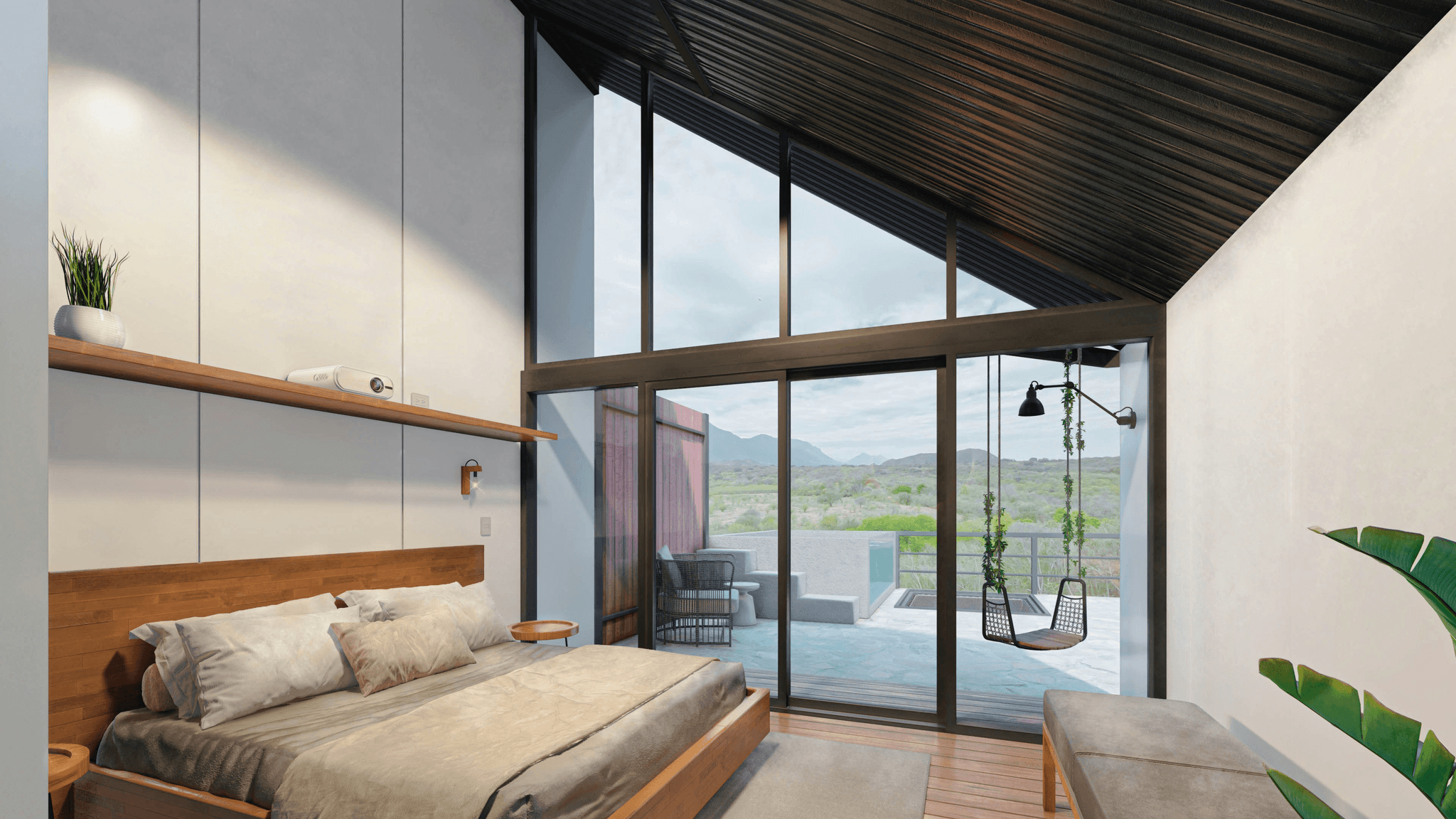
As we wrap up our exploration of compact houses, it’s clear that this trend is more than just a fleeting fad; it’s a lifestyle choice that resonates with many. Embracing the compact lifestyle means prioritizing efficiency, sustainability, and creativity in our living spaces. With companies like PreFab Inc. leading the charge, the future of housing looks not only smaller but smarter.
Embracing the Compact Lifestyle
The shift towards compact living is driven by various factors, including economic considerations and environmental awareness. People are increasingly recognizing that larger homes often come with larger carbon footprints and maintenance costs. By opting for compact houses, individuals can lead a more intentional life—focusing on experiences rather than material possessions.
This lifestyle also encourages community connection as neighbors interact more frequently in shared spaces designed for socialization and collaboration. Compact houses foster a sense of belonging and support local economies by promoting smaller businesses within walkable neighborhoods. Ultimately, embracing this trend allows us to redefine what “home” truly means.
Compact Houses in Pop Culture
Compact houses have made their mark in pop culture—from reality TV shows showcasing tiny home transformations to viral social media posts celebrating minimalist living. These portrayals have sparked widespread interest and curiosity about what it means to live within less square footage while still maintaining style and comfort. PreFab Inc.’s innovative designs have certainly caught the eye of designers and influencers alike, making waves across various platforms.
Films and documentaries have also highlighted how these unique dwellings can serve as both functional residences and artistic expressions of individuality. The rise of influencers advocating for minimalism has further popularized the idea that happiness doesn’t depend on square footage but rather on quality experiences. As society continues to embrace these narratives, compact houses will likely remain at the forefront of cultural discussions surrounding housing trends.
Looking Ahead to Sustainable Solutions
The future of urban living is ripe with opportunities for sustainable solutions through compact houses that prioritize eco-friendliness without sacrificing livability or style. Innovations in design will continue to emerge as architects collaborate with companies like PreFab Inc., ensuring that sustainability remains at the core of new developments. As regulations evolve to accommodate these efficient designs, we can expect an increase in urban environments embracing compact living as a viable solution to housing shortages.
Moreover, trends such as vertical gardens, solar energy integration, and rainwater harvesting systems will further enhance the appeal of compact houses while minimizing their environmental impact. Communities will increasingly recognize how shared spaces can promote social interaction while reducing individual resource consumption—a win-win situation! In summary, by looking ahead at sustainable solutions within this movement, we’re not just building homes; we’re creating vibrant communities ready for tomorrow.