

Introduction
In the ever-evolving landscape of construction, modular units have emerged as a game-changing solution for a variety of building needs. These prefabricated structures offer flexibility and efficiency that traditional construction methods often struggle to match. Whether you're considering a new office space, a residential home, or even temporary facilities, understanding the ins and outs of modular units is essential for making an informed decision.
Understanding Modular Units
Modular units are essentially pre-made sections of buildings that are constructed off-site before being transported to their final location for assembly. This method allows for quicker build times and reduced waste compared to conventional construction methods. The beauty of modular units lies in their versatility; they come in various shapes and sizes, catering to diverse applications from schools to healthcare facilities.
Benefits of Choosing Modular Construction
Choosing modular construction offers numerous benefits that can significantly enhance your project’s outcome. Firstly, the speed at which these units can be assembled means you can move into your new space sooner than with traditional builds—talk about instant gratification! Additionally, modular units often come with cost savings due to reduced labor expenses and material waste, making them an attractive option for budget-conscious projects.
Key Factors in Modular Unit Selection
When selecting the right modular unit for your needs, several key factors should be considered to ensure you make the best choice possible. Think about your specific space requirements—how much room do you really need? Also, don’t forget about customization options; many manufacturers like PreFab Inc. offer tailored solutions that allow you to maximize both functionality and aesthetics in your new modular unit.
What is a Modular Unit?

Modular units are revolutionizing the way we think about construction and space utilization. Essentially, a modular unit is a prefabricated structure that is manufactured off-site and then transported to the desired location for assembly. This innovative approach allows for quicker build times, reduced labor costs, and enhanced flexibility in design.
Definition and Types of Modular Units
A modular unit can be defined as a building component created in sections or modules that can be easily transported and assembled on-site. There are various types of modular units including single-unit modules, multi-story configurations, and even custom-designed units tailored to specific needs. Each type serves different purposes, from residential homes to commercial buildings and temporary structures like classrooms or offices.
Common Applications and Uses
The versatility of modular units makes them suitable for a wide range of applications. They are commonly used in residential housing developments, educational facilities, healthcare settings, and even disaster relief housing due to their rapid deployment capabilities. With companies like PreFab Inc., these modular units can also be customized for unique projects such as pop-up restaurants or event spaces.
How Modular Units Differ from Traditional Units
What sets modular units apart from traditional construction methods? For starters, while traditional buildings are constructed entirely on-site, modular units are built in controlled factory environments which enhances quality control and minimizes delays caused by weather conditions. Additionally, because they arrive at the site pre-assembled or nearly complete, modular units significantly reduce construction time compared to conventional methods—often cutting project timelines by half!
Assessing Your Space Requirements

When it comes to modular units, assessing your space requirements is crucial for ensuring that your project is a success. The right modular unit can make all the difference, from maximizing functionality to enhancing aesthetic appeal. Let’s dive into how to evaluate your available land and site conditions, understand size and layout options, and explore customization possibilities.
Evaluating Available Land and Site Conditions
Before you get too excited about your new modular unit, it’s essential to take stock of the land you have at your disposal. Factors such as terrain, soil quality, drainage systems, and accessibility can significantly impact the feasibility of placing a modular unit on your property. PreFab Inc. recommends conducting a thorough site analysis to ensure that your chosen location meets all necessary criteria for stability and safety.
A well-prepared site will not only accommodate the modular unit but also enhance its overall functionality. Consideration of local climate conditions is also vital; after all, you wouldn’t want a beautiful modular unit turning into an icebox in winter or a sauna in summer! By understanding these elements early on, you set the stage for a smooth installation process.
Understanding Size and Layout Options
Once you've evaluated the land conditions, it’s time to explore size and layout options for your modular unit. Modular units come in various shapes and dimensions, allowing for flexibility based on specific needs—be it residential or commercial applications. PreFab Inc. offers a range of sizes that cater to different space requirements while ensuring optimal use of available square footage.
Understanding how each layout option functions can help you visualize how best to utilize your new space effectively. For instance, an open floor plan may maximize natural light while creating an inviting atmosphere—perfect for offices or family gatherings! On the flip side, segmented layouts can provide privacy where needed without sacrificing style.
Customization Options for Modular Units
Customization is one of the most exciting aspects of choosing a modular unit; it's like building with Legos but way cooler! With PreFab Inc., you have countless options at your fingertips—from exterior finishes that match your personal style to interior layouts that reflect how you live or work best. Whether you're dreaming of large windows for breathtaking views or energy-efficient features for sustainable living, there's something available for everyone.
Additionally, customization allows you to incorporate specific functionalities such as built-in storage solutions or multi-purpose rooms tailored to fit unique needs—think home office by day and guest room by night! This level of personalization ensures that when you're finally enjoying life in your new modular unit, it feels just like home (or office) right from day one.
Budgeting for Your Modular Unit

When diving into the world of modular units, budgeting is key. Understanding the financial aspects can help you make informed decisions and avoid unpleasant surprises down the line. From initial costs to ongoing expenses, a comprehensive budget will ensure your modular unit project stays on track.
Cost Breakdown of Modular Construction
The cost breakdown of modular construction typically includes several components: materials, labor, transportation, and installation. Modular units can often be more economical than traditional construction because they are built in a controlled environment, which reduces waste and labor costs. However, it's essential to factor in site preparation and any additional features you might want to include in your modular unit.
In general, the base price of a modular unit may vary depending on size and complexity; however, you can expect it to be competitive with conventional building methods. Many manufacturers offer transparent pricing structures that outline these costs clearly—PreFab Inc., for instance, prides itself on providing detailed estimates so clients know exactly what they're getting into. Remember to account for potential upgrades or customizations that could enhance your modular unit but will also affect your overall budget.
Financing Options and Incentives
Financing your modular unit can be easier than you think! Many lenders now recognize the value of modular construction and offer specific loans tailored for this type of building project. Additionally, various state or federal incentives may apply depending on your location—these could range from tax breaks to grants aimed at promoting sustainable building practices.
PreFab Inc. is well-versed in these financing options and can help guide you through the process while connecting you with reputable lenders who understand the ins and outs of funding a modular unit project. Always explore all available avenues before making financial commitments; some programs even reward energy-efficient designs that might align perfectly with your vision for a sustainable living space.
Hidden Costs to Watch Out For
While budgeting for a modular unit is crucial, it’s equally important to keep an eye out for hidden costs that could sneak up on you! These may include site preparation expenses such as land clearing or grading that aren’t always included in initial quotes—so make sure you're asking all the right questions upfront! Additionally, utility hook-ups (water, electricity) might require extra investments that can quickly add up if not anticipated early in the planning stages.
Permits and inspections are another area where unexpected fees might arise; local regulations often dictate specific requirements that must be met before construction begins. PreFab Inc.'s team is committed to transparency throughout this process; we’ll help ensure you're aware of all potential costs associated with your new modular unit project so there are no unwelcome surprises along the way!
Selecting the Right Manufacturer

Choosing the right manufacturer for your modular unit is a critical step in ensuring that your project meets both quality and budget expectations. With numerous companies in the market, it can be daunting to sift through options and find a partner that aligns with your needs. This section will guide you through leading manufacturers, the importance of reputation, and how PreFab Inc. distinguishes itself from competitors.
Leading Modular Unit Companies
The modular construction industry is home to several prominent players known for their innovative designs and reliable services. Companies such as MODS, Katerra, and Skyline Champion have made significant strides in producing high-quality modular units suited for various applications. Each of these manufacturers brings unique strengths to the table, whether it's cutting-edge technology or sustainable practices, making it essential to evaluate them based on your specific needs.
When exploring these leading companies, consider factors like their product range, customization capabilities, and delivery timelines. A well-established manufacturer often has a portfolio showcasing successful projects similar to yours—this can be invaluable when assessing their expertise in creating modular units that fit your vision. Remember that a good manufacturer not only builds structures but also builds relationships; communication during the process can make all the difference.
Importance of Reputation and Reviews
In an age where information is at our fingertips, checking reviews and testimonials before committing to a manufacturer is more important than ever. A solid reputation within the community often speaks volumes about a company’s reliability and quality of work when it comes to modular units. Look for feedback from previous clients regarding their experiences: Did they find the process smooth? Were there any unexpected challenges?
Online platforms like Google Reviews or specialized construction forums are great places to gather insights about potential manufacturers' strengths and weaknesses. Additionally, don't hesitate to ask for references directly from manufacturers; speaking with past clients can provide firsthand accounts of what you might expect during your own project journey with modular units. Ultimately, selecting a reputable company will help ensure that you receive both quality craftsmanship and peace of mind.
How PreFab Inc. Stands Out from the Crowd
Amongst leading manufacturers in the modular unit space, PreFab Inc. shines brightly due to its commitment to innovation and customer satisfaction. With years of experience under its belt, PreFab Inc.’s team understands how crucial it is to create tailored solutions that meet diverse client needs while adhering strictly to budget constraints without compromising on quality or design aesthetics.
What truly sets PreFab Inc apart is its focus on sustainability—utilizing eco-friendly materials and energy-efficient designs makes every modular unit not just modern but also environmentally responsible. Furthermore, clients rave about personalized service throughout every phase of construction—from initial consultation through final delivery—ensuring that each project runs smoothly without unexpected hiccups.
In conclusion, selecting a manufacturer for your modular unit requires careful consideration of various factors including reputation and experience in delivering high-quality products tailored specifically for you—something PreFab Inc excels at! By choosing wisely now, you'll set yourself up for success throughout your entire construction journey.
Navigating Local Regulations
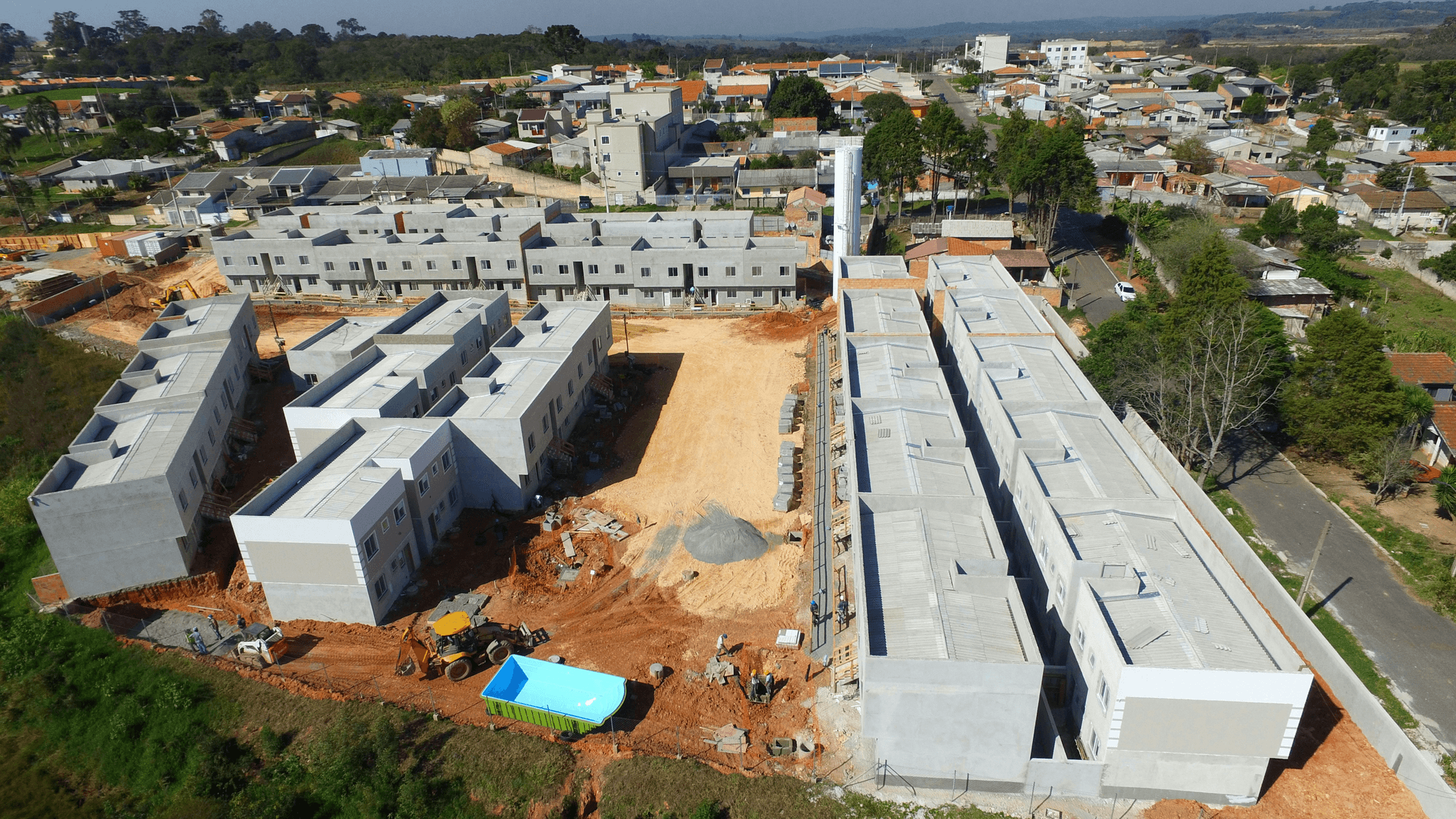
When it comes to modular units, navigating local regulations can feel like trying to solve a Rubik's Cube blindfolded. Zoning laws, permits, and environmental considerations are all part of the puzzle that need to be pieced together for a successful modular construction project. Fortunately, understanding these elements will not only help you avoid headaches but also ensure your modular unit is compliant and ready for action.
Understanding Zoning Laws
Zoning laws are the rules set by local governments that dictate how land can be used in specific areas. They determine whether your desired modular unit can be built in a given location and what types of structures are permissible. It’s essential to check these regulations early on because they can affect everything from building height to lot coverage—so don’t get caught off guard!
In many cases, zoning classifications will specify whether residential, commercial, or industrial modular units are allowed in certain areas. Some zones may even have restrictions on the aesthetics of your modular unit, which could impact your design choices. Therefore, before you break ground with PreFab Inc., make sure to consult local zoning ordinances to ensure your vision aligns with what’s legally acceptable.
Permitting Process Explained
Once you’ve wrapped your head around zoning laws and confirmed that your chosen location is viable for a modular unit, it's time to tackle the permitting process. This involves submitting various documents and plans to local authorities for approval before construction can commence. The permitting process can vary widely depending on where you live but typically includes submitting site plans, engineering reports, and sometimes even undergoing public hearings.
The key here is organization; having all necessary paperwork in order will speed up the approval timeline significantly. Keep in mind that some municipalities may require additional inspections during construction as well—so factor those into your timeline when planning with PreFab Inc.! Being proactive about permits not only saves time but also ensures that your modular unit meets all safety standards.
Environmental Considerations for Modular Units
Environmental considerations play an increasingly important role in the planning stages of any construction project—including those involving modular units. Local regulations often include guidelines aimed at protecting natural resources or minimizing environmental impact during construction and operation phases. This might involve conducting environmental assessments or ensuring compliance with sustainable building practices.
Moreover, many jurisdictions have incentives for environmentally friendly designs or materials—so why not take advantage of them? By opting for energy-efficient features in your modular unit from PreFab Inc., you could reduce long-term operational costs while also appealing to eco-conscious consumers if you're planning a commercial venture! Remember: being green isn't just good karma; it can also boost your bottom line.
Conclusion
As we wrap up our exploration of modular units, it’s essential to reflect on the key takeaways that can guide your decision-making process. Choosing a modular unit is not just about selecting a structure; it’s about embracing a modern construction solution that fits your unique needs. With the right planning and considerations, you can confidently move forward with your project.
Making the Final Decision
When it comes to making the final decision regarding your modular unit, it’s crucial to weigh all factors carefully. Consider how well the chosen unit aligns with your space requirements, budget constraints, and long-term goals. Remember, this is an investment in your future—so take your time to ensure that every aspect meets your expectations.
Future Trends in Modular Units
The world of modular units is evolving rapidly, with trends emerging that promise even greater efficiency and sustainability. Innovations like smart technology integration and eco-friendly materials are becoming increasingly popular in modular construction. As these trends continue to develop, choosing a forward-thinking company like PreFab Inc. will ensure you stay ahead of the curve.
Why Choose PreFab Inc. for Your Project
PreFab Inc. stands out as a leader in the modular unit industry for several compelling reasons. Our commitment to quality craftsmanship and customer satisfaction means you’ll receive not only a stunning structure but also unparalleled support throughout the entire process. With our extensive experience and innovative solutions, you can trust PreFab Inc. to bring your vision of a perfect modular unit to life.