

Introduction
In the ever-evolving landscape of construction, modular building construction has emerged as a game-changing approach, revolutionizing how we think about space and efficiency. This innovative method involves prefabricating sections of buildings in a factory setting before transporting them to the site for assembly, significantly reducing on-site labor and time. With its growing popularity, it’s no surprise that companies like PreFab Inc. are at the forefront, offering cutting-edge solutions that cater to diverse needs.
Overview of Modular Building Construction
Modular building construction is not just a trend; it's a paradigm shift in how structures are designed and built. By utilizing advanced techniques and materials, this method allows for faster completion times while maintaining high-quality standards. The process involves creating modules or sections of a building off-site, which are then transported and assembled on location, making it an efficient alternative to traditional construction methods.
Benefits Driving Popularity
The popularity of modular building construction can be attributed to several compelling benefits that resonate with developers and clients alike. First and foremost is cost efficiency; reduced labor costs combined with streamlined supply chains make projects more financially viable than ever before. Additionally, the speed at which these buildings can be constructed allows businesses to occupy their spaces sooner—an attractive proposition in today’s fast-paced market.
The Role of PreFab Inc.
At the heart of this modular revolution is PreFab Inc., a pioneer in providing tailored solutions for various industries through innovative modular designs. Our commitment to quality ensures that every project not only meets but exceeds expectations while adhering to sustainability principles. As we continue to push boundaries in modular building construction, we invite you to explore how our expertise can transform your next project into a model of efficiency and style.
What is Modular Building Construction?
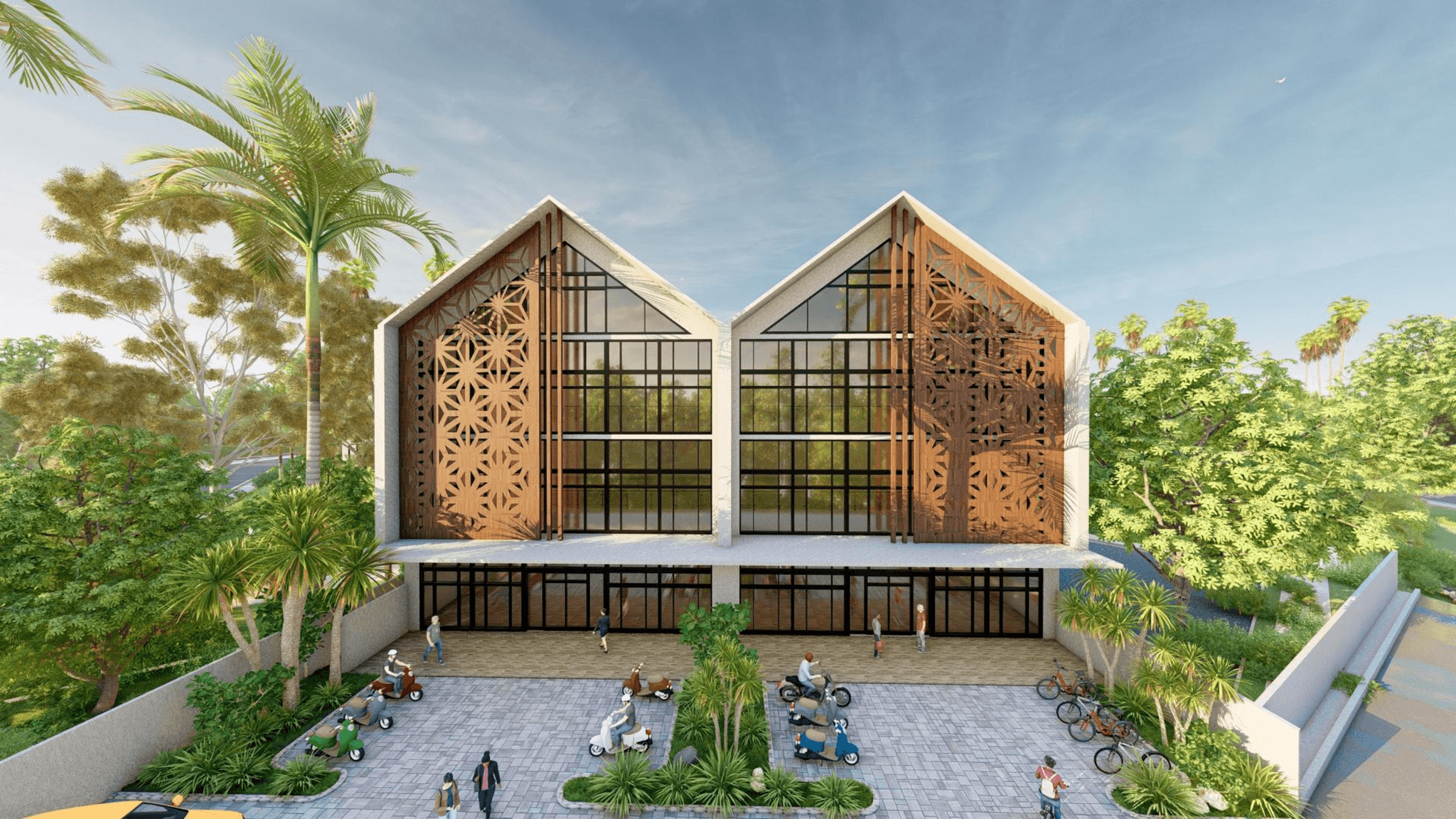
Modular building construction is a method that revolutionizes the way structures are designed and built. It involves prefabricating sections of a building in a controlled factory environment before transporting them to the construction site for assembly. This innovative approach not only enhances efficiency but also allows builders like PreFab Inc. to deliver high-quality results faster than traditional methods.
Defining Modular Building Techniques
At its core, modular building construction utilizes standardized, pre-manufactured modules that can be combined in various configurations to create a finished structure. These modules are typically constructed using similar materials and techniques as traditional buildings but are assembled off-site, reducing time spent on-site significantly. This technique allows for greater precision in building, minimizing the risk of errors and ensuring higher quality control throughout the process.
Key Components of Modular Construction
The key components of modular construction include the modules themselves, which can range from single-room units to multi-story complexes, along with essential structural elements like walls, floors, and roofs that are fabricated in advance. Additionally, systems such as plumbing and electrical setups can be integrated into these modules during production, streamlining installation once they arrive on-site. With manufacturers like PreFab Inc., clients benefit from a comprehensive approach that encompasses design flexibility and efficient project management.
Difference Between Traditional and Modular
The primary difference between traditional and modular building construction lies in their approach to assembly and timeline efficiency. Traditional methods often involve lengthy on-site processes where each element is constructed sequentially, leading to potential delays due to weather or labor issues. In contrast, modular construction allows for simultaneous site preparation while modules are being built off-site—resulting in quicker project completion times without compromising quality or safety standards.
Cost Efficiency of Modular Building
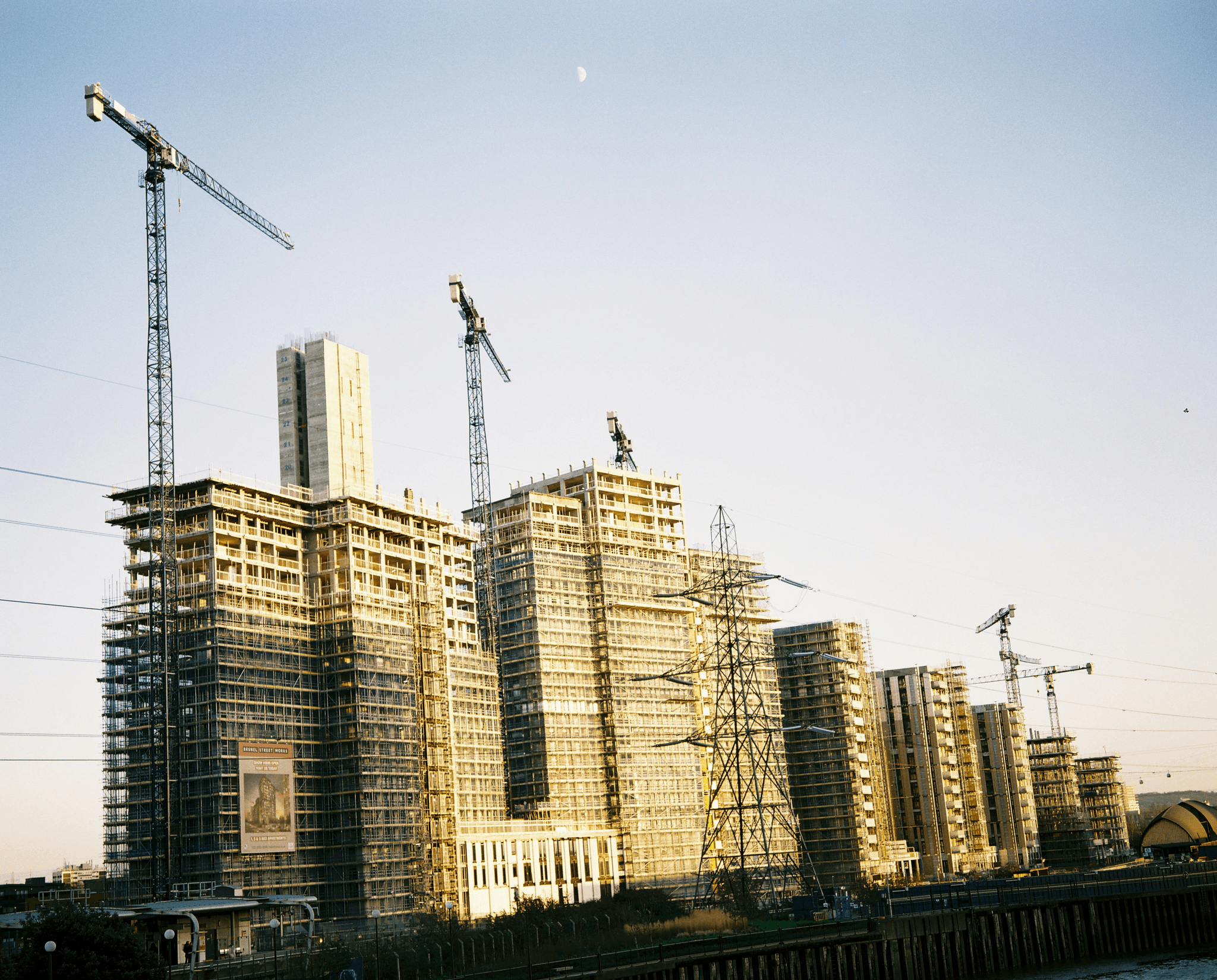
When it comes to construction, cost efficiency is a major player, and modular building construction shines in this arena. By adopting innovative techniques and leveraging technology, companies like PreFab Inc. are redefining how we think about budgets in the building industry. The result? A more economical approach that doesn't compromise on quality or aesthetics.
Reduced Labor Costs
One of the most significant advantages of modular building construction is the substantial reduction in labor costs. Traditional construction methods often require a large workforce on-site for extended periods, leading to higher expenses due to wages and benefits. In contrast, with modular techniques, many components are fabricated off-site in a controlled environment, which minimizes the need for extensive labor on location and allows for faster assembly once modules arrive at the site.
Additionally, because modular buildings can be constructed simultaneously with site preparation work, this parallel process saves both time and money. Fewer workers are needed on-site at any given time, which translates into lower overall labor costs for developers who choose PreFab Inc.'s services. This efficiency not only enhances profitability but also allows developers to allocate funds toward other vital aspects of their projects.
Streamlined Supply Chain
The streamlined supply chain associated with modular building construction is another factor contributing to its cost efficiency. PreFab Inc., for example, utilizes an integrated approach that connects all stages of production—from design to delivery—ensuring materials are sourced efficiently and delivered just-in-time for assembly. This minimizes delays caused by traditional supply chain bottlenecks that can inflate project costs significantly.
Moreover, by standardizing components across various projects, suppliers can reduce waste while optimizing inventory management practices within the modular building sector. This consistency not only leads to lower material costs but also fosters better relationships with suppliers who appreciate predictability in orders and delivery schedules. As a result, developers benefit from reduced overhead expenses while ensuring high-quality standards throughout their projects.
Financial Benefits for Developers
The financial benefits of choosing modular building construction extend well beyond initial savings; they create lasting impacts on a developer's bottom line. With reduced labor costs and streamlined supply chains already enhancing profitability, developers working with PreFab Inc. can expect shorter project timelines that allow them to bring properties to market faster than ever before. This speed translates into quicker returns on investment—a crucial factor in today's competitive real estate landscape.
Furthermore, many financial institutions have begun recognizing the value of modular construction as a low-risk investment option due to its predictable outcomes and reduced likelihood of budget overruns typical in traditional builds. Developers who embrace this modern approach not only save money upfront but also position themselves favorably when seeking financing or partnerships moving forward—an undeniable advantage in an ever-evolving industry landscape.
In conclusion, opting for modular building construction through PreFab Inc., means embracing a cost-efficient future where savings are plentiful without sacrificing quality or innovation.
Speed of Construction
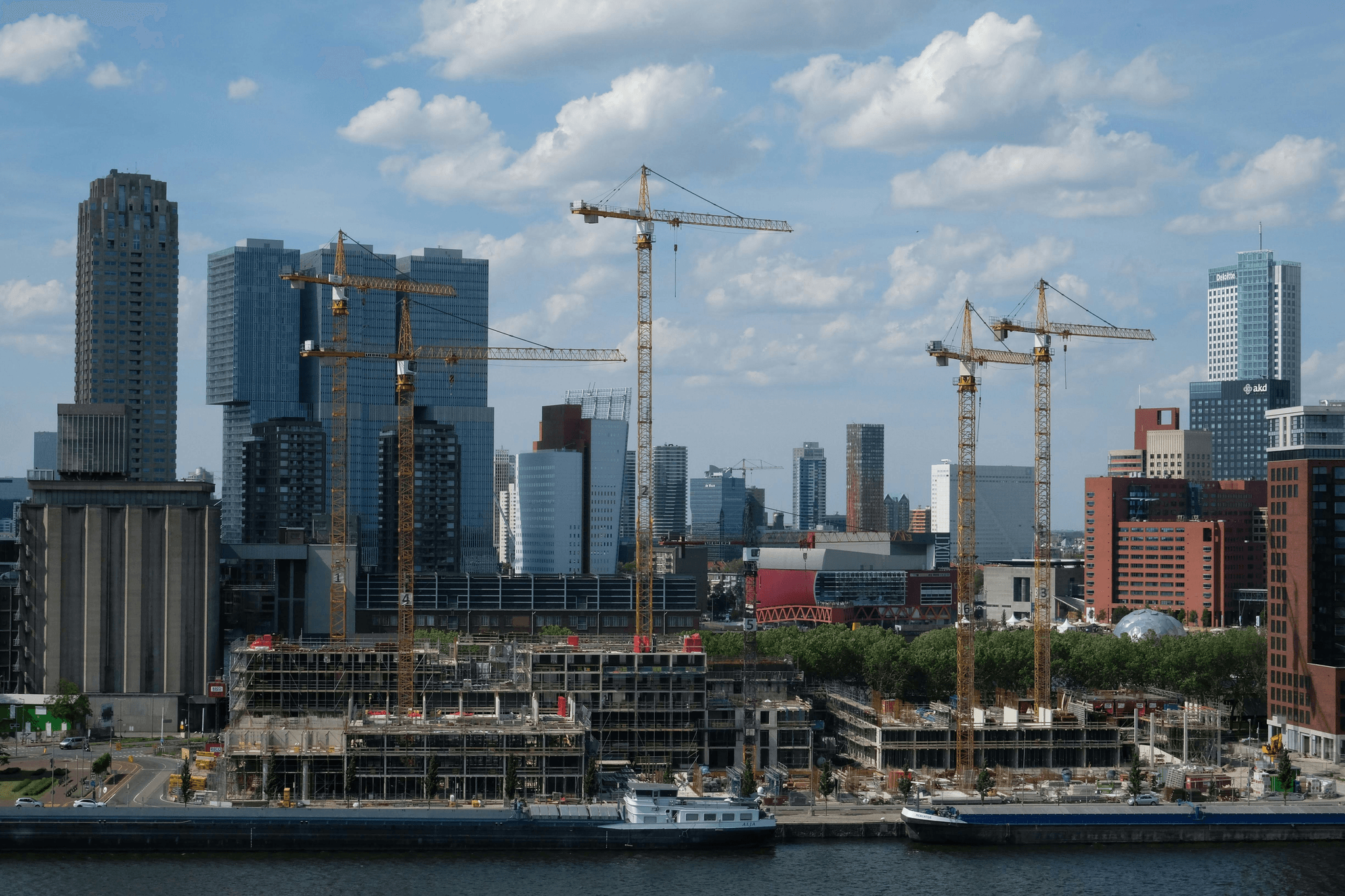
When it comes to the world of construction, speed is often the name of the game. Modular building construction has revolutionized timelines, allowing projects to be completed significantly faster than traditional methods. With components built off-site and then assembled on location, the efficiency of modular construction is hard to ignore.
Comparing Modular vs. Traditional Timelines
In a head-to-head comparison, modular building construction can shave weeks or even months off project timelines. Traditional building methods often involve lengthy permitting processes and on-site construction delays due to weather or labor shortages. In contrast, with modular techniques, while site preparation occurs simultaneously with module fabrication in a controlled environment, projects can hit the ground running as soon as components arrive.
Pre-Assembly Advantages
One of the standout features of modular building construction is its pre-assembly advantage. By constructing modules in a factory setting before transporting them to the site, builders can mitigate many common delays associated with traditional methods. This not only speeds up completion but also ensures higher quality control since everything is built under optimal conditions at PreFab Inc.
Impact on Project Scheduling
The impact on project scheduling when using modular building construction cannot be overstated. With reduced build times and more predictable delivery schedules, developers can plan their projects with greater confidence and less risk of overruns or delays. This streamlined approach allows for better resource allocation and ultimately leads to a more efficient use of time and money—benefits that make PreFab Inc.’s offerings even more appealing.
Sustainability and Environment
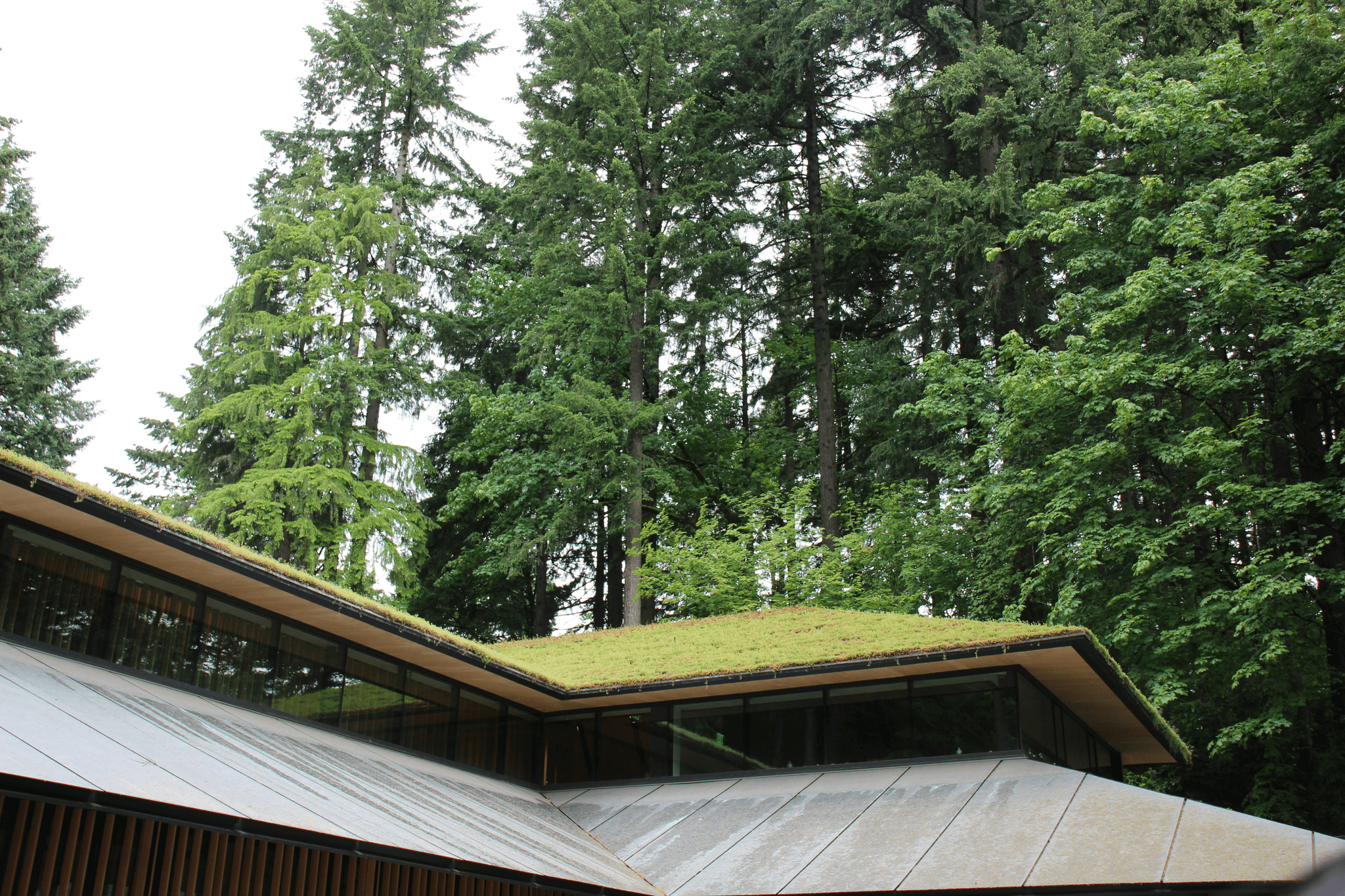
In a world increasingly focused on sustainable practices, modular building construction stands out as a beacon of eco-friendliness. This innovative approach not only reduces the carbon footprint associated with traditional construction methods but also promotes the use of sustainable materials and practices. Companies like PreFab Inc. are leading the charge in integrating these environmentally conscious methods into their projects.
Eco-Friendly Materials in Modular Building
One of the standout features of modular building construction is its emphasis on using eco-friendly materials. From recycled steel to sustainably sourced timber, these components significantly reduce environmental impact while maintaining structural integrity and aesthetic appeal. PreFab Inc. prioritizes sourcing materials that contribute to a greener future, ensuring that each project aligns with sustainability goals.
Moreover, many modular buildings utilize non-toxic finishes and insulation made from renewable resources, which not only enhance indoor air quality but also minimize harmful emissions during production and throughout the building's lifespan. The incorporation of such materials demonstrates a commitment to both quality and environmental stewardship in modular building construction.
Waste Reduction during Construction
Waste reduction is another compelling advantage of modular building construction that cannot be overlooked. Traditional construction sites often resemble chaotic dumping grounds due to excess materials left over after projects are completed; however, modular techniques streamline this process significantly. With controlled factory settings for assembly, PreFab Inc. can carefully manage material usage, leading to less waste generated overall.
Additionally, any leftover materials from the manufacturing process can often be repurposed or recycled within other projects, further enhancing sustainability efforts. This holistic approach not only minimizes landfill contributions but also reduces costs associated with waste disposal—an attractive prospect for developers looking to maximize their budgets.
Energy Efficiency and Long-Term Benefits
Energy efficiency is at the heart of modern design principles in modular building construction, promising long-term savings for occupants and owners alike. Buildings constructed using advanced insulation techniques retain heat better in winter months while keeping interiors cool during summer—reducing reliance on heating and cooling systems significantly over time. PreFab Inc.'s commitment to energy-efficient designs helps clients save money on utility bills while reducing their overall environmental impact.
Furthermore, many modular buildings incorporate renewable energy sources such as solar panels or green roofs that enhance energy efficiency even more dramatically over their lifespans. These features not only contribute positively to the environment but also provide attractive selling points for potential buyers or renters looking for sustainable living options.
In summary, embracing sustainability through eco-friendly materials, waste reduction strategies, and energy-efficient designs makes modular building construction an excellent choice for environmentally conscious developers today—and tomorrow!
Versatility and Customization
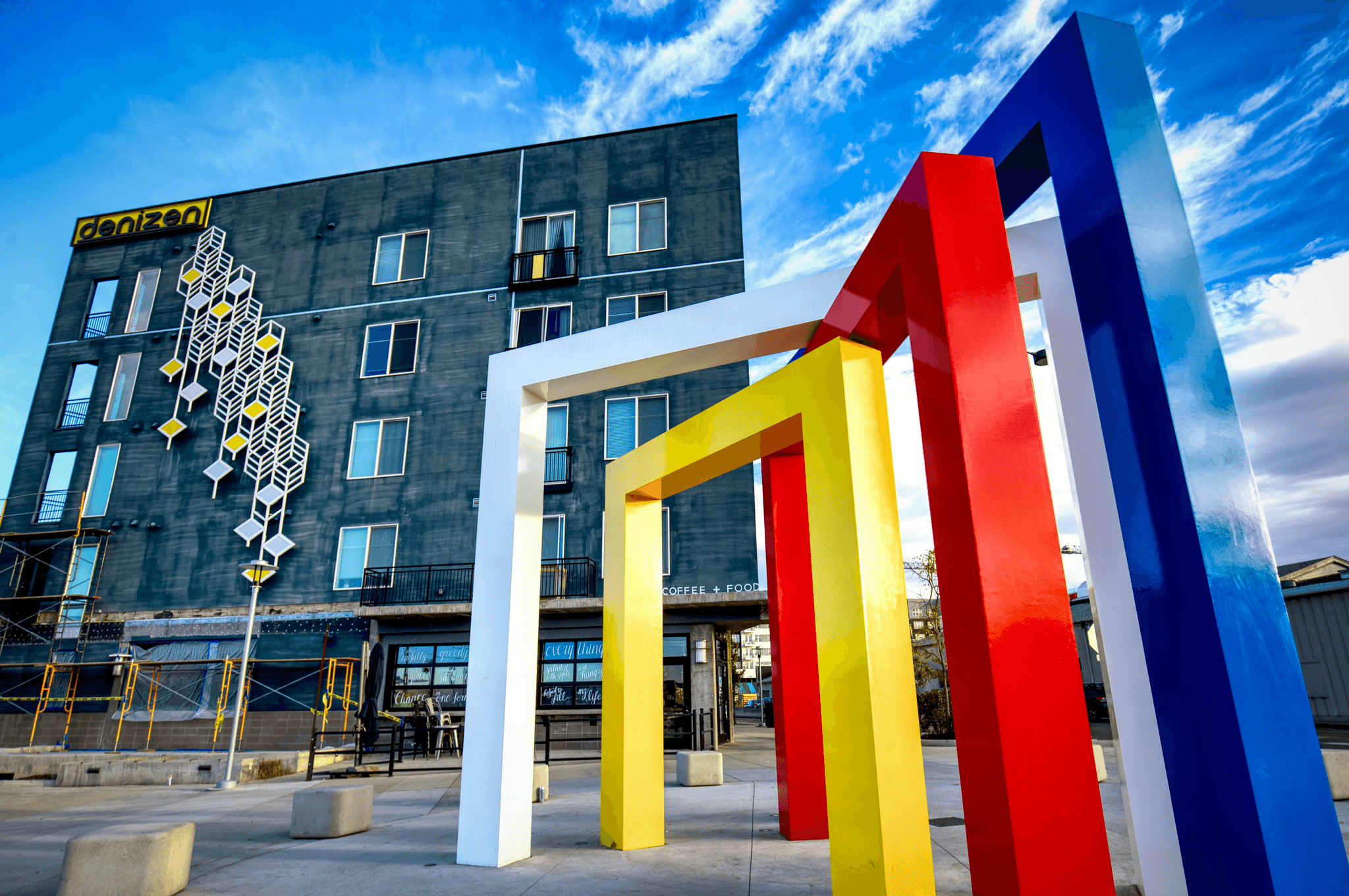
Modular building construction is renowned for its adaptability, allowing for a wide range of designs and layouts that cater to diverse needs. This flexibility not only appeals to architects and builders but also to clients looking for tailored solutions. With PreFab Inc., the possibilities are virtually limitless, ensuring that every project can reflect unique specifications and preferences.
Design Flexibility in Modular Buildings
One of the standout features of modular building construction is its inherent design flexibility. Unlike traditional building methods, which often require rigid adherence to standard dimensions and layouts, modular construction allows for innovative designs that can be easily adjusted or expanded as needed. Whether it’s a multi-story office complex or a cozy cottage, PreFab Inc. can customize each module to fit specific aesthetic and functional requirements.
The modular approach also enables efficient incorporation of advanced technologies and sustainable materials into the design process. This means that clients can opt for energy-efficient features or smart home integrations without compromising on style or comfort. Ultimately, this level of customization empowers clients to create spaces that truly resonate with their vision while benefiting from the efficiency of modular building construction.
Applications Across Various Industries
The versatility of modular building construction extends across numerous industries, making it a popular choice for projects ranging from healthcare facilities to educational institutions. In healthcare, for instance, modular units can be rapidly deployed as clinics or patient rooms during emergencies, providing critical services when they are most needed. Meanwhile, schools benefit from quick assembly times during peak enrollment periods without sacrificing quality.
Additionally, the commercial sector has embraced this innovative approach; businesses are increasingly utilizing modular buildings as offices or retail spaces due to their cost-effectiveness and speed of deployment. Even residential housing has seen a surge in interest in modular solutions as homeowners seek modern living spaces that are both stylish and efficient. PreFab Inc.'s extensive portfolio showcases how adaptable these structures can be across various sectors while maintaining high standards.
Case Studies of Successful Modular Projects
To illustrate the effectiveness of modular building construction, let’s explore some successful case studies facilitated by PreFab Inc., showcasing how customization meets real-world needs. One notable project involved constructing a series of emergency response units in record time following a natural disaster; these modules provided immediate shelter while being fully equipped with utilities—demonstrating both speed and functionality.
Another example includes an innovative corporate office designed using modular techniques that allowed for swift expansion as business needs grew; what started as a small workspace quickly transformed into an entire campus within months without disrupting daily operations. These case studies not only highlight the capabilities of PreFab Inc., but they also emphasize how adaptable modular buildings are in responding to various demands across industries.
Conclusion
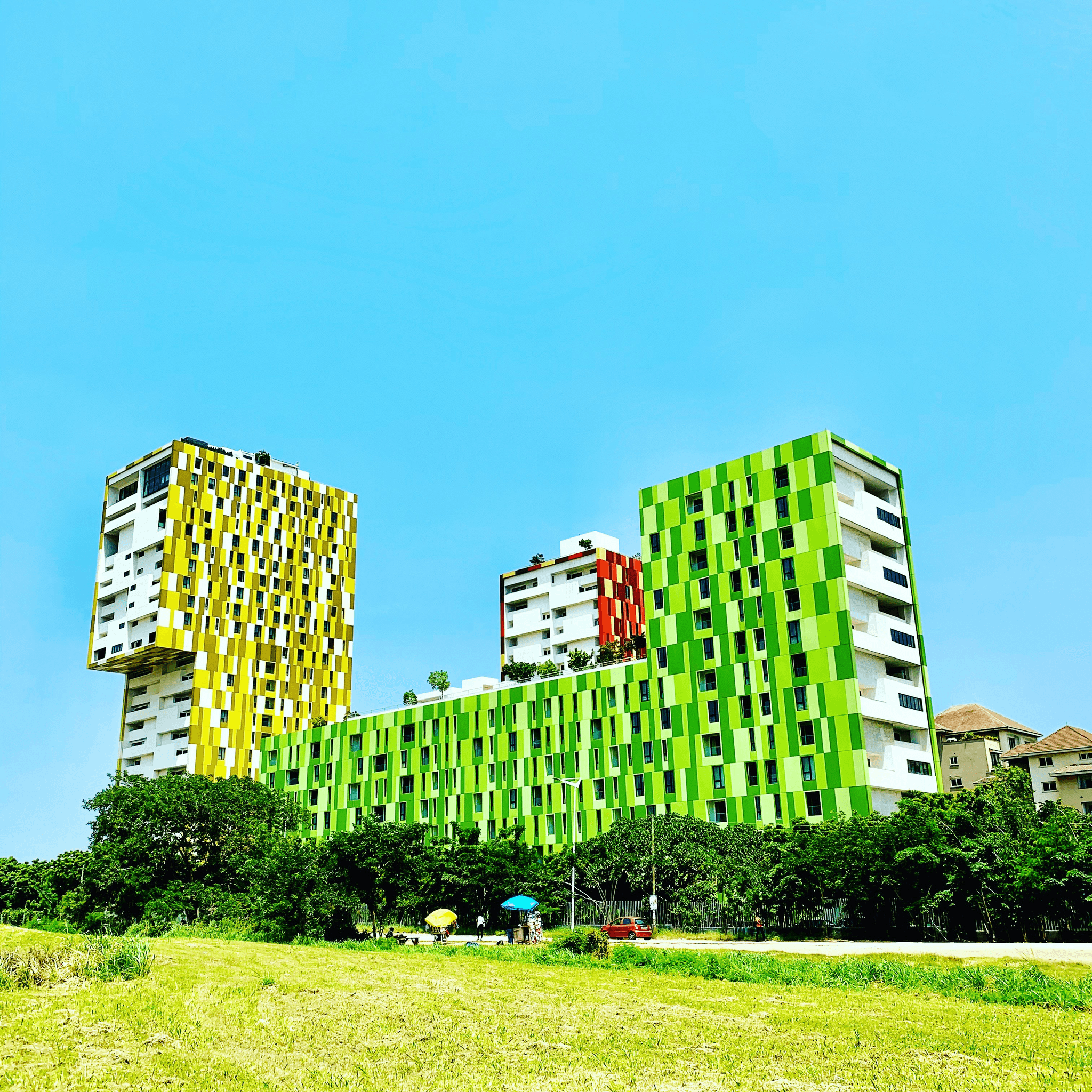
In the ever-evolving landscape of construction, modular building construction stands out as a beacon of innovation and efficiency. As we wrap up this exploration of its myriad benefits, it’s clear that the future is bright for this approach. With companies like PreFab Inc. leading the charge, the possibilities are not just exciting—they're transformative.
Future Trends in Modular Building Construction
Looking ahead, modular building construction is poised to embrace even more advanced technologies such as 3D printing and smart home integration. These trends will not only enhance design flexibility but also improve energy efficiency and sustainability efforts within the industry. As urbanization continues to rise, the demand for quick and adaptable solutions will only solidify modular construction's place at the forefront of building strategies.
Why Choose PreFab Inc. for Your Next Project
When it comes to embarking on a modular building construction journey, choosing PreFab Inc. means opting for expertise and innovation rolled into one package. Our commitment to quality ensures that every module meets high standards while still being cost-effective and timely in delivery. With a diverse portfolio that showcases successful projects across various industries, we’re ready to tailor solutions specifically to your needs.
Final Thoughts on Modular Advantages
In conclusion, modular building construction offers unmatched advantages—from reduced costs and expedited timelines to sustainability benefits that resonate with today’s eco-conscious consumers. By partnering with PreFab Inc., you’re not just investing in a structure; you’re embracing a future where efficiency meets creativity head-on. So why wait? The modular revolution is here, and it’s time for you to join in!