

Introduction
In recent years, modular housing has emerged as a transformative force in the construction industry. This innovative approach to building offers a solution to the pressing challenges of affordability and sustainability, making it an attractive option for many. As we delve into the world of modular housing, we'll explore its trends, benefits, and cutting-edge designs that are reshaping our living spaces.
Understanding Modular Housing Trends
The landscape of modular housing is continually evolving, driven by technological advancements and changing consumer preferences. More homeowners are recognizing the advantages of modular construction, which allows for quicker build times and reduced waste compared to traditional methods. With companies like PreFab Inc. leading the charge, these trends are not just fleeting; they represent a significant shift toward more efficient and adaptable housing solutions.
Benefits of Modular Housing Solutions
One of the most compelling benefits of modular housing is its cost-effectiveness. By streamlining the construction process and minimizing labor costs, modular homes can be built at a fraction of the price of conventional houses. Additionally, these homes often come with enhanced energy efficiency features that translate into long-term savings on utility bills—making them an appealing choice for budget-conscious buyers.
Innovations in Modular Design
Innovation is at the heart of modern modular housing design. From customizable floor plans to eco-friendly materials, today's modular homes offer a blend of functionality and style that meets diverse needs. PreFab Inc.'s commitment to incorporating smart technology into their designs exemplifies how innovation can enhance livability while keeping pace with contemporary lifestyles.
The Rise of Modular Housing

Modular housing has seen a significant surge in popularity, driven by the need for efficient, affordable, and sustainable living solutions. As urbanization continues to rise and housing shortages become more pronounced, modular homes offer an innovative alternative that meets modern demands. With companies like PreFab Inc. leading the charge, the modular market is poised for growth and transformation.
Key Players in the Modular Market
In the realm of modular housing, several key players have emerged as leaders, each contributing unique innovations and approaches to design and construction. Companies such as PreFab Inc., Katerra, and Method Homes are at the forefront of this movement, pushing boundaries with cutting-edge technology and eco-friendly practices. Their collaborative efforts not only enhance manufacturing efficiency but also promote a new standard for quality in modular housing.
The competitive landscape is evolving rapidly as these companies embrace advancements in automation and sustainable materials. By streamlining production processes and reducing waste, they are redefining what it means to build homes efficiently. As these key players continue to innovate, they set a benchmark that encourages others in the industry to adopt similar practices.
Case Studies: Successful Modular Projects
Examining successful modular projects provides insight into how this approach can effectively address housing challenges while delivering high-quality living spaces. One notable example is a community development project by PreFab Inc., which transformed an underutilized urban area into vibrant modular housing units that cater to diverse demographics. These homes not only met local needs but also exemplified sustainable design principles through energy-efficient technologies.
Another inspiring case study is the Modular Village project in New York City that showcased how modular construction can expedite timelines without compromising on quality or aesthetics. By utilizing off-site manufacturing techniques, this initiative significantly reduced construction time while ensuring compliance with local regulations. Such projects illustrate the potential of modular housing to create thriving communities quickly and efficiently.
The Impact of Climate Change on Modular Solutions
Climate change poses significant challenges for traditional construction methods; however, it also opens doors for innovative solutions within the modular housing sector. With increasing frequency of natural disasters prompting urgent calls for resilient infrastructure, modular designs can be tailored to withstand environmental stresses better than conventional homes. Companies like PreFab Inc., committed to sustainability, are integrating climate-responsive features into their designs.
Moreover, the adaptability of modular homes allows them to be relocated or modified based on changing environmental conditions or community needs—an essential characteristic as climate patterns evolve globally. This flexibility not only enhances resilience but also promotes sustainability by minimizing resource use over time through efficient building practices inherent in modular construction methods.
Modular Housing and Affordability
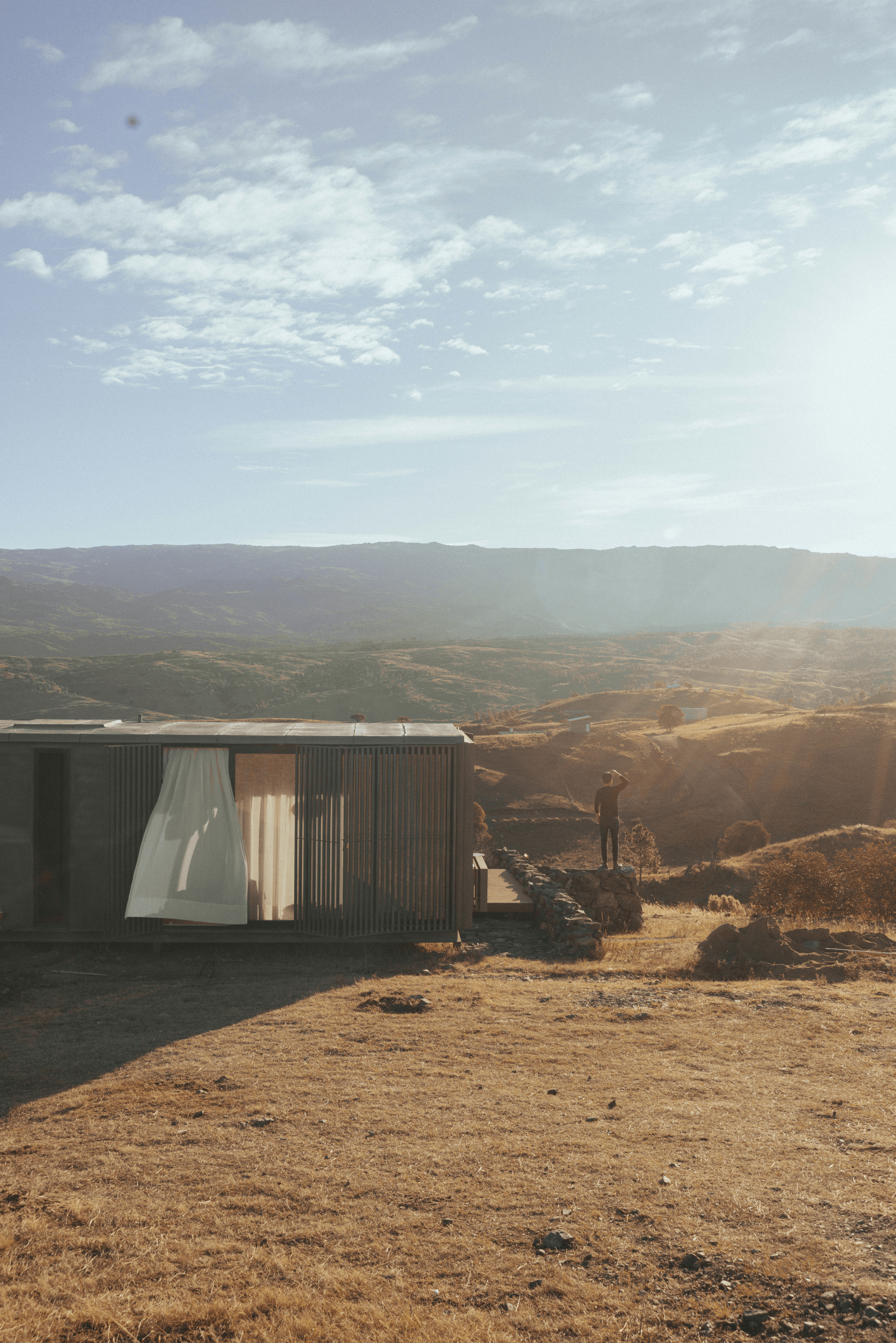
Modular housing is quickly becoming a beacon of hope in the quest for affordable living solutions. With rising construction costs and a housing market that seems to grow more inaccessible by the day, modular homes offer a refreshing alternative that combines efficiency with affordability. By streamlining the building process, modular housing not only reduces time on-site but also cuts down on labor costs, making it an attractive choice for budget-conscious homebuyers.
How Modular Homes Reduce Costs
One of the standout features of modular housing is its ability to significantly reduce overall construction costs. Unlike traditional homes that can suffer from delays due to weather or labor shortages, modular homes are built in controlled environments, allowing for faster assembly and fewer unexpected expenses. Additionally, bulk purchasing of materials and reduced waste during construction further drive down costs, making modular housing a financially savvy option.
Moreover, the efficiency of modular design means homeowners can save on utility bills in the long run. Many modern modular homes incorporate energy-efficient features right from the start—think superior insulation and high-quality windows—which translates to lower monthly expenses. This combination of initial savings and ongoing cost reductions makes investing in modular housing a wise financial decision.
Financing Options for Modular Housing
Financing options for modular housing are becoming increasingly accessible as awareness grows about their benefits. Traditional mortgage lenders are starting to recognize the value in these structures, offering tailored financing solutions specifically designed for modular homes. Buyers can explore various avenues such as FHA loans or personal loans that cater specifically to this innovative type of construction.
Additionally, PreFab Inc. has partnered with several financial institutions to provide clients with competitive financing options tailored to their needs. This means prospective homeowners can focus less on navigating complex financial waters and more on designing their dream space without breaking the bank. With flexible payment plans and low-interest rates available, getting into your own affordable modular home has never been easier.
Accessing Affordable Housing Through PreFab Inc.
PreFab Inc. stands at the forefront of providing accessible affordable housing through its innovative approach to modular design and construction. By leveraging advanced technology and efficient manufacturing processes, PreFab Inc.'s homes are not only cost-effective but also customizable to fit individual needs without inflating prices unnecessarily. This commitment ensures that families from all walks of life can find a suitable place they can call home.
Furthermore, PreFab Inc.'s focus on community-driven projects allows them to work closely with local governments and organizations dedicated to solving housing crises across various regions. Their initiatives aim not just at constructing houses but at creating thriving communities where affordability does not compromise quality or sustainability. If you're looking for an affordable solution in today's challenging market, look no further than PreFab Inc.'s range of stylish and economical modular housing options.
Sustainability in Modular Construction
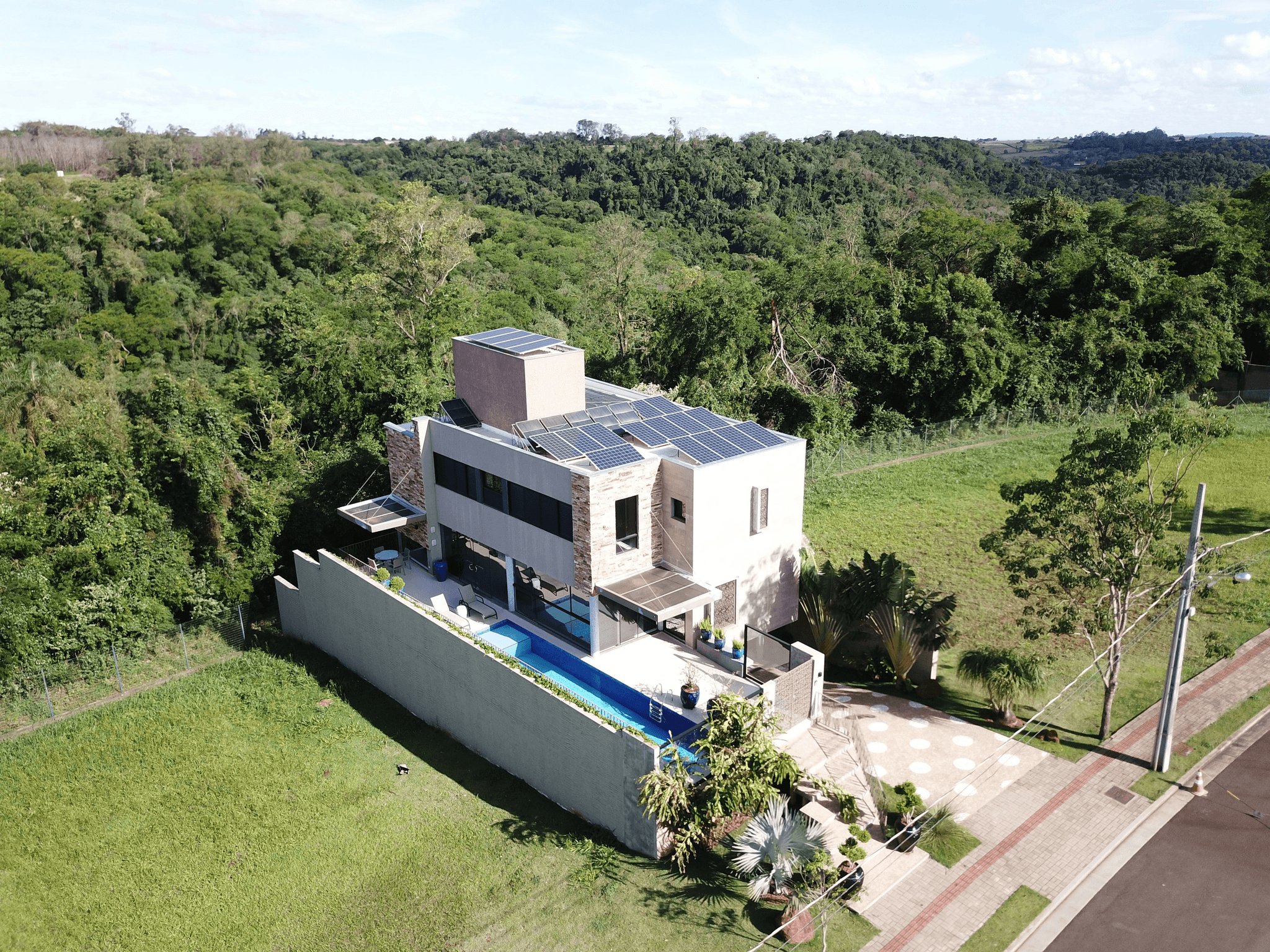
Sustainability is at the forefront of modern modular housing, and it's reshaping how we think about building homes. With a growing concern for the environment, modular construction offers innovative solutions that are both eco-friendly and efficient. This section explores the use of sustainable materials, energy efficiency, and how PreFab Inc. is leading the charge in this green revolution.
Eco-Friendly Materials for Modular Homes
When it comes to modular housing, choosing eco-friendly materials is crucial for reducing environmental impact. Many manufacturers now utilize sustainable resources such as reclaimed wood, recycled steel, and low-VOC (volatile organic compounds) paints to ensure that their homes are not only stylish but also safe for occupants and the planet. By prioritizing these materials in their designs, companies like PreFab Inc. are setting new standards for sustainability within the modular housing industry.
Moreover, using local materials minimizes transportation emissions and supports regional economies—an added bonus! Modular homes can be constructed with a variety of innovative materials that enhance durability while reducing waste during production. The commitment to eco-friendly practices ensures that modular housing remains a viable option as we strive toward a more sustainable future.
Energy Efficiency in Modular Housing
Energy efficiency is another significant advantage of modular housing that cannot be overlooked. These homes often come equipped with advanced insulation systems and energy-efficient windows that help maintain optimal temperatures year-round while minimizing energy consumption. By incorporating smart technology and renewable energy sources like solar panels into their designs, companies such as PreFab Inc. are transforming traditional notions of home energy usage.
Additionally, the compact design of many modular homes reduces the overall footprint without sacrificing comfort or style. This not only conserves resources but also lowers utility bills for homeowners—making modular living an attractive option for those looking to save money while being environmentally conscious. As we continue to face climate challenges, investing in energy-efficient modular housing becomes increasingly essential.
The Role of PreFab Inc. in Sustainable Building
PreFab Inc.'s commitment to sustainability goes beyond just using eco-friendly materials; it encompasses an entire philosophy aimed at creating livable spaces that respect our planet's limits. The company has pioneered several initiatives focused on reducing waste during construction processes while ensuring high-quality finishes in their modular homes. Their innovative approach demonstrates how modern design can harmonize with nature rather than disrupt it.
Moreover, PreFab Inc.'s dedication to education means they actively engage with communities about the benefits of sustainable living through workshops and outreach programs—helping potential homeowners understand why choosing modular housing is both an economical and environmentally responsible decision. As they continue to lead by example within this sector, it's clear that PreFab Inc.’s role in promoting sustainability will shape the future landscape of residential construction.
The Technological Revolution in Modular Housing
The technological revolution is reshaping the landscape of modular housing, making it more efficient, affordable, and appealing to a broader audience. Innovations in smart home technology, 3D printing, and automation are at the forefront of this transformation. Companies like PreFab Inc. are leading the charge, integrating these advancements to enhance the living experience in modular homes.
Smart Home Features in Modular Designs
Smart home features have become a staple in modern modular housing designs, providing homeowners with convenience and control at their fingertips. From automated lighting systems to advanced security measures, these technologies not only enhance comfort but also promote energy efficiency—a win-win for homeowners and the environment alike. PreFab Inc. embraces this trend by incorporating intelligent systems into their modular homes, ensuring residents can enjoy a seamless blend of technology and design.
Moreover, smart thermostats and energy monitoring systems allow homeowners to track usage patterns and reduce costs effectively. With voice-activated assistants becoming increasingly popular, integrating these capabilities into modular housing is a natural evolution that enhances everyday living experiences. As modular housing continues to evolve with smart features, it’s clear that innovation is key to attracting tech-savvy buyers.
Using 3D Printing for Modular Elements
3D printing is revolutionizing how we approach construction within the realm of modular housing by enabling rapid prototyping and customization of building components. This technology allows for intricate designs that were once too costly or time-consuming to create using traditional methods—think bespoke wall panels or uniquely shaped elements that can be produced off-site with precision. PreFab Inc., recognizing the potential of 3D printing in reducing waste and streamlining production processes, has started leveraging this innovative technique for its modular projects.
Additionally, 3D printing offers an eco-friendly alternative by minimizing material waste during construction while speeding up project timelines significantly. This means faster delivery times for homeowners eager to move into their new spaces without compromising on quality or aesthetic appeal. As more companies adopt this approach, we can expect a surge in creativity within the modular housing market.
The Future of Automation in Modular Construction
The future of automation in modular construction promises enhanced efficiency and productivity across various stages of building development. With robotics taking on repetitive tasks such as assembly line work or material handling, human labor can be redirected toward more complex problem-solving roles—an essential shift as demand for affordable housing continues to rise globally. PreFab Inc.'s commitment to embracing automation positions them as a forward-thinking leader prepared for tomorrow's challenges.
Moreover, automated systems can streamline quality control processes during construction phases by utilizing advanced sensors that monitor structural integrity throughout each step—ensuring every module meets high safety standards before reaching its final destination on-site. As automation technologies continue evolving at breakneck speed, we’re likely looking at an era where modular housing becomes synonymous with precision engineering.
In conclusion, the technological revolution is transforming the landscape of modular housing through smart features integration, innovative manufacturing techniques like 3D printing, and increasing reliance on automation—all paving the way for smarter living environments tailored to modern lifestyles.
Regulatory Challenges in Modular Housing
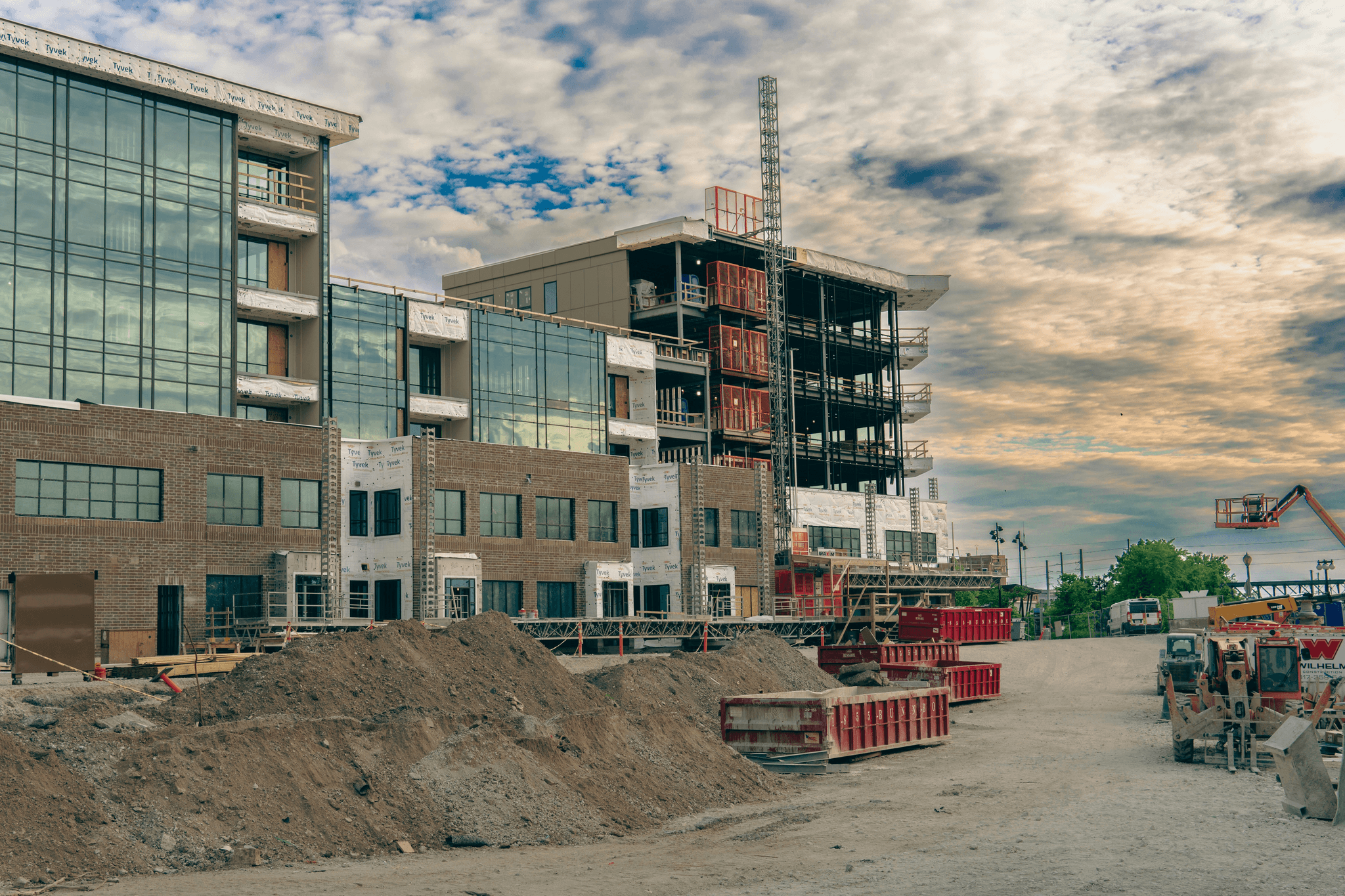
Navigating the regulatory landscape is crucial for the success of modular housing projects. Local building codes can vary significantly, presenting challenges that require careful attention and expertise to overcome. PreFab Inc. understands that compliance with these regulations not only ensures safety but also enhances the credibility of modular housing solutions in the eyes of potential homeowners.
Navigating Local Building Codes
Local building codes are designed to protect public safety, but they can sometimes be a maze for modular housing developers. Each jurisdiction may have different standards regarding materials, structural integrity, and energy efficiency, which can complicate the construction process. PreFab Inc. actively collaborates with local authorities to ensure that its modular homes meet or exceed these codes, streamlining approval processes and reducing delays.
Understanding these codes is essential for making informed decisions about design and construction methods in modular housing projects. By staying updated on changes in regulations, PreFab Inc. can adapt its practices accordingly, ensuring compliance while maintaining innovative designs. This proactive approach not only mitigates risks but also fosters trust with clients who seek reliable modular solutions.
Addressing Zoning Issues for Modular Homes
Zoning laws often dictate where modular homes can be placed, which can pose significant barriers to their development. In many areas, zoning regulations favor traditional housing models over innovative solutions like modular housing, leading to restrictions that limit options for homeowners and developers alike. PreFab Inc. advocates for zoning reforms that recognize the benefits of modular construction while promoting sustainable community development.
To address zoning challenges effectively, collaboration with local governments is key to finding mutually beneficial solutions that support both community needs and modern housing trends. Engaging in dialogue with stakeholders allows PreFab Inc. to present compelling arguments for integrating modular homes into existing neighborhoods without compromising aesthetics or property values. Such initiatives not only pave the way for more diverse housing options but also encourage communities to embrace innovative living arrangements.
Collaborating with Governments for Modular Solutions
Collaboration between private companies like PreFab Inc. and government entities is essential in overcoming regulatory hurdles related to modular housing development. By working together on policy reforms and best practices, both parties can create a more conducive environment for affordable and sustainable living options through modular solutions. This partnership approach helps streamline processes and fosters a shared vision of enhancing community resilience against economic fluctuations.
Moreover, government support can facilitate funding opportunities specifically aimed at promoting affordable housing initiatives through modular construction techniques. By leveraging these resources effectively, PreFab Inc., along with local authorities, can expand access to quality homes while addressing pressing issues such as homelessness or inadequate shelter availability in urban areas—proving once again how collaborative efforts yield tangible benefits.
In conclusion, navigating regulatory challenges is vital for advancing the acceptance of modular housing within communities across various regions; it requires an agile response from companies like PreFab Inc., dedicated advocacy efforts towards reforming outdated policies alongside proactive engagement with local governments that ultimately leads us toward a brighter future filled with diverse living possibilities.
Conclusion
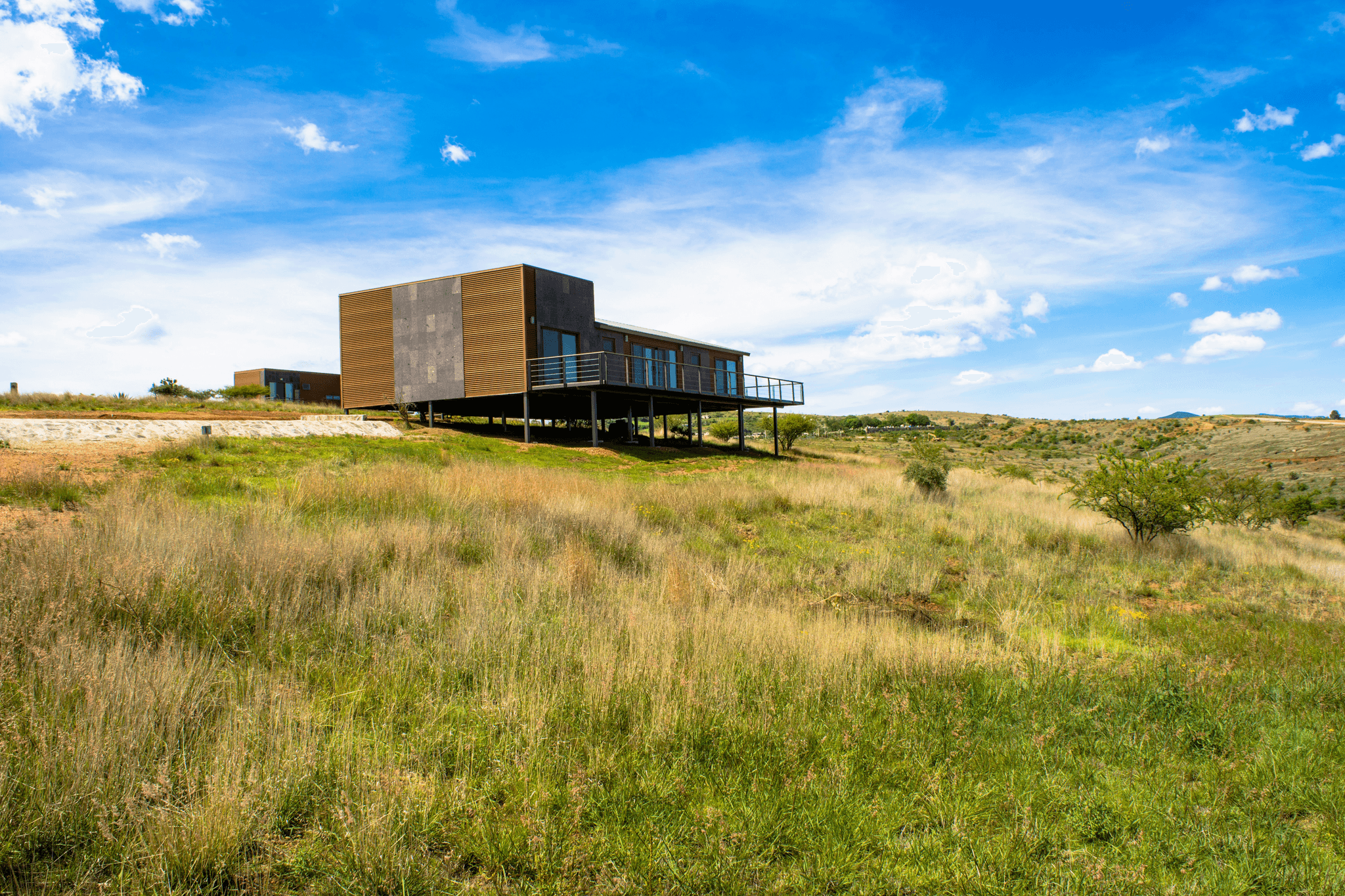
As we wrap up our exploration of modular housing, it's clear that this innovative approach is not just a passing trend but a viable solution for the future of affordable living. With its potential to address pressing issues like housing shortages and environmental sustainability, modular housing stands poised for widespread adoption. Companies like PreFab Inc. are leading the charge, ensuring that these designs are not only practical but also stylish and efficient.
The Future of Affordable Modular Housing
The future of affordable modular housing looks bright, with an increasing number of people recognizing its benefits. As urban populations swell and traditional construction methods struggle to keep pace, modular housing offers a streamlined alternative that can be built faster and more cost-effectively. By leveraging advanced technologies and innovative designs, we can expect to see a surge in accessible homes that cater to diverse needs and budgets.
Embracing Innovations in Modular Design
Embracing innovations in modular design is essential for keeping up with the ever-evolving demands of modern living. From smart home features to sustainable materials, the possibilities are endless when it comes to enhancing the functionality and aesthetic appeal of modular homes. PreFab Inc., at the forefront of this movement, continuously seeks out cutting-edge solutions that redefine what modular housing can be—making it not just a place to live but a lifestyle choice.
The Role of PreFab Inc. in Housing Evolution
PreFab Inc.'s role in the evolution of modular housing cannot be overstated; they are pioneers pushing boundaries while maintaining affordability at their core. By combining technology with environmentally friendly practices, they set an example for others in the industry to follow suit. With their commitment to innovation and sustainability, PreFab Inc. is shaping the future landscape of affordable living spaces that embrace both comfort and ecological responsibility.