

Introduction
The world of real estate is evolving, and modular homes are at the forefront of this transformation. Understanding the factors that influence modular home price is essential for potential buyers and investors alike. From location to construction materials, various determinants shape the cost of these innovative dwellings.
Understanding Modular Home Price Determinants
When considering a modular home price, it’s crucial to recognize the myriad factors that play a role in determining costs. These include everything from land prices and local zoning laws to the quality of construction materials used. By dissecting these elements, prospective homeowners can better navigate their choices and make informed decisions.
The Rise of Modular Homes in Real Estate
In recent years, there has been a notable surge in interest surrounding modular homes within the real estate market. This rise can be attributed to their affordability, speed of construction, and growing acceptance among buyers looking for sustainable living options. Companies like PreFab Inc. have led this charge by offering customizable designs that cater to diverse tastes while keeping modular home prices competitive.
Why Modular Home Prices Matter
Understanding why modular home prices matter goes beyond mere numbers; it influences investment decisions and lifestyle choices for many families. As more people explore alternative housing solutions, being aware of pricing dynamics can empower buyers to find value without compromising on quality or design preferences. Ultimately, grasping these concepts will help individuals make smarter investments in their future homes while navigating the ever-changing landscape of real estate.
Location and Land Costs
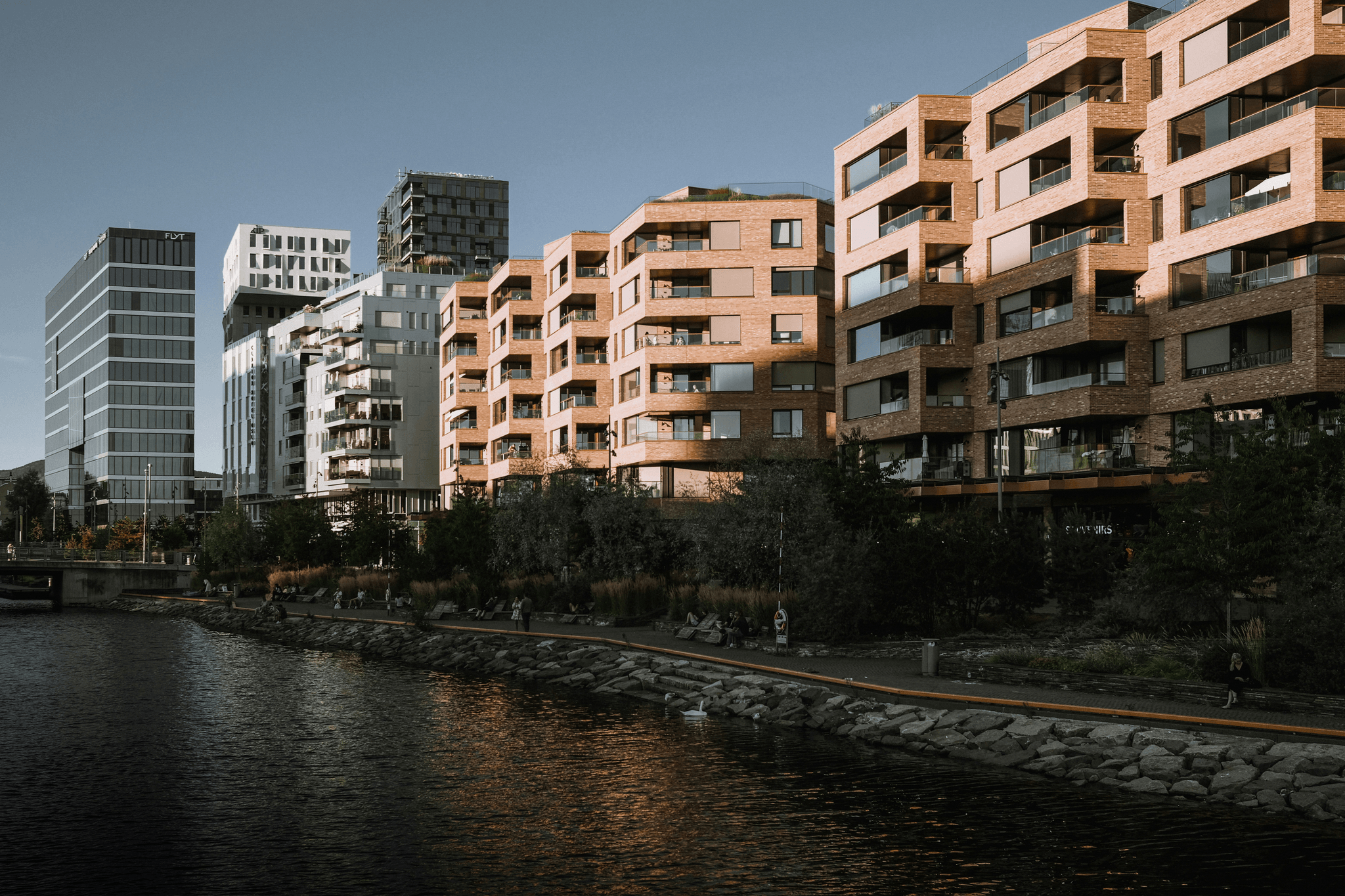
When it comes to determining the modular home price, location is a pivotal factor that can drastically influence costs. The difference between urban and rural settings often leads to significant pricing disparities, shaped by land availability, demand, and local amenities. Understanding these dynamics can empower potential buyers to make informed decisions about where to invest in their modular homes.
Urban vs. Rural Pricing Dynamics
Urban areas typically command higher modular home prices due to increased demand for housing and limited space for new developments. In cities, the cost of land skyrockets, often making it more expensive than the actual construction of the home itself! Conversely, rural locations usually offer lower land costs, allowing buyers to stretch their budget further while enjoying larger plots of land—ideal for those seeking a quieter lifestyle away from the hustle and bustle.
However, it's essential not only to consider initial costs but also long-term value when evaluating urban versus rural options. Urban homes may appreciate faster due to their proximity to jobs and amenities, while rural homes might offer more space but could struggle with resale value in some markets. Ultimately, location plays a crucial role in shaping both immediate expenses and future financial outcomes for modular home buyers.
Impact of Amenities on Modular Home Price
Amenities can significantly affect modular home prices in any given location. Homes situated near schools, parks, shopping centers, or public transportation tend to have higher prices due to the convenience they offer residents—a factor that many buyers are willing to pay a premium for! For instance, if you're eyeing a cozy modular home near vibrant nightlife or quality schools in an urban area like Los Angeles or New York City through PreFab Inc., expect those added conveniences reflected in your final price tag.
Moreover, additional features within communities—such as swimming pools or fitness centers—can also elevate overall property values. Buyers should evaluate how these amenities align with their lifestyles; after all, living near desirable facilities may enhance daily life but could also mean shelling out more upfront! Understanding this balance between cost and convenience is essential when considering your options.
Zoning Laws and Regulations
Zoning laws are another critical aspect influencing modular home prices that potential buyers must navigate carefully. These regulations dictate what types of structures can be built in certain areas and can vary widely from one locality to another—affecting everything from design choices to permissible uses of property! For example, if you're planning on placing your new PreFab Inc. modular home in an area with strict zoning laws limiting height or square footage—be prepared for potential additional costs related to compliance.
Additionally, understanding local regulations can help avoid costly surprises down the line; failure to adhere could lead not only to fines but also necessitate modifications that drive up overall expenses significantly! Therefore, before settling on a location for your dream modular home project—it’s wise first to consult local zoning authorities or do thorough research online. This knowledge will help you make better-informed decisions about where you want your future investment!
Construction Materials and Quality
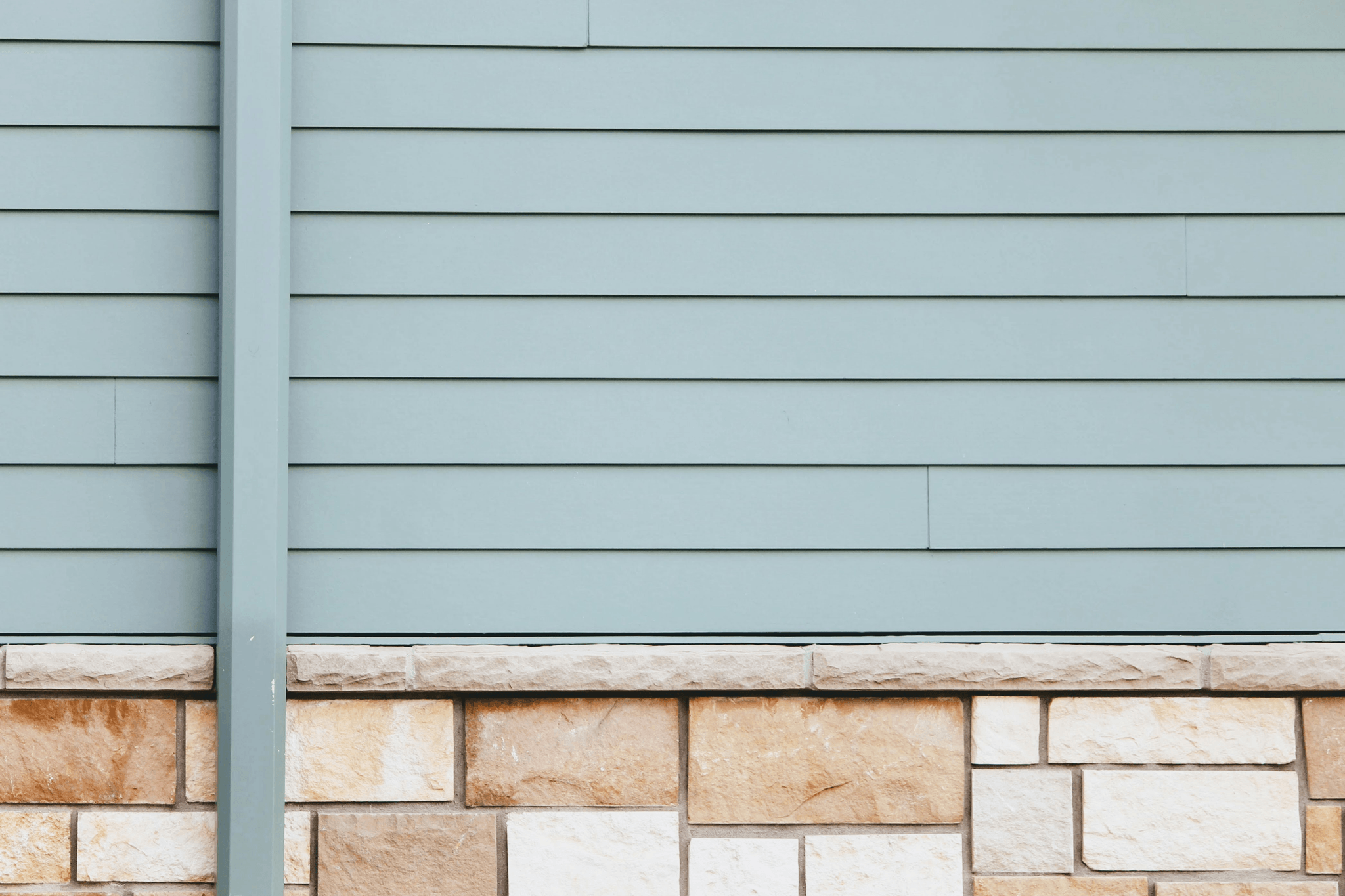
When it comes to modular home price, the choice of construction materials plays a pivotal role. Buyers often grapple with the decision between standard materials, which are budget-friendly but may lack longevity, and high-end materials that promise durability and aesthetic appeal. Understanding these differences can significantly impact both the initial investment and long-term value of a modular home.
Comparing Standard vs. High-End Materials
Standard materials are often favored for their affordability and quick availability, making them attractive options for those looking to keep modular home prices low. However, high-end materials such as hardwood flooring or premium siding not only enhance the visual appeal but also offer better insulation and longevity. It’s essential for buyers to weigh the upfront costs against potential savings in maintenance and energy efficiency over time when considering their choices.
Environmental Factors Affecting Material Choices
Environmental factors increasingly influence material choices in the construction of modular homes, affecting modular home price as well. For instance, regions prone to severe weather may necessitate stronger, more resilient materials that can withstand harsh conditions, thereby increasing overall costs. Additionally, sustainability concerns have led many builders like PreFab Inc. to incorporate eco-friendly materials that might come at a premium but offer long-term benefits for both homeowners and the environment.
How Material Quality Influences Modular Home Price
The quality of materials used in building a modular home directly correlates with its market value; higher-quality constructions typically command higher prices due to their durability and aesthetic appeal. Buyers should recognize that investing in superior materials not only enhances immediate comfort but also contributes to resale value down the line—essentially making it a smart financial decision in terms of overall modular home price appreciation. Ultimately, understanding how material quality influences pricing allows prospective homeowners to make informed choices that align with their budget while ensuring they get the best bang for their buck.
Home Design and Customization
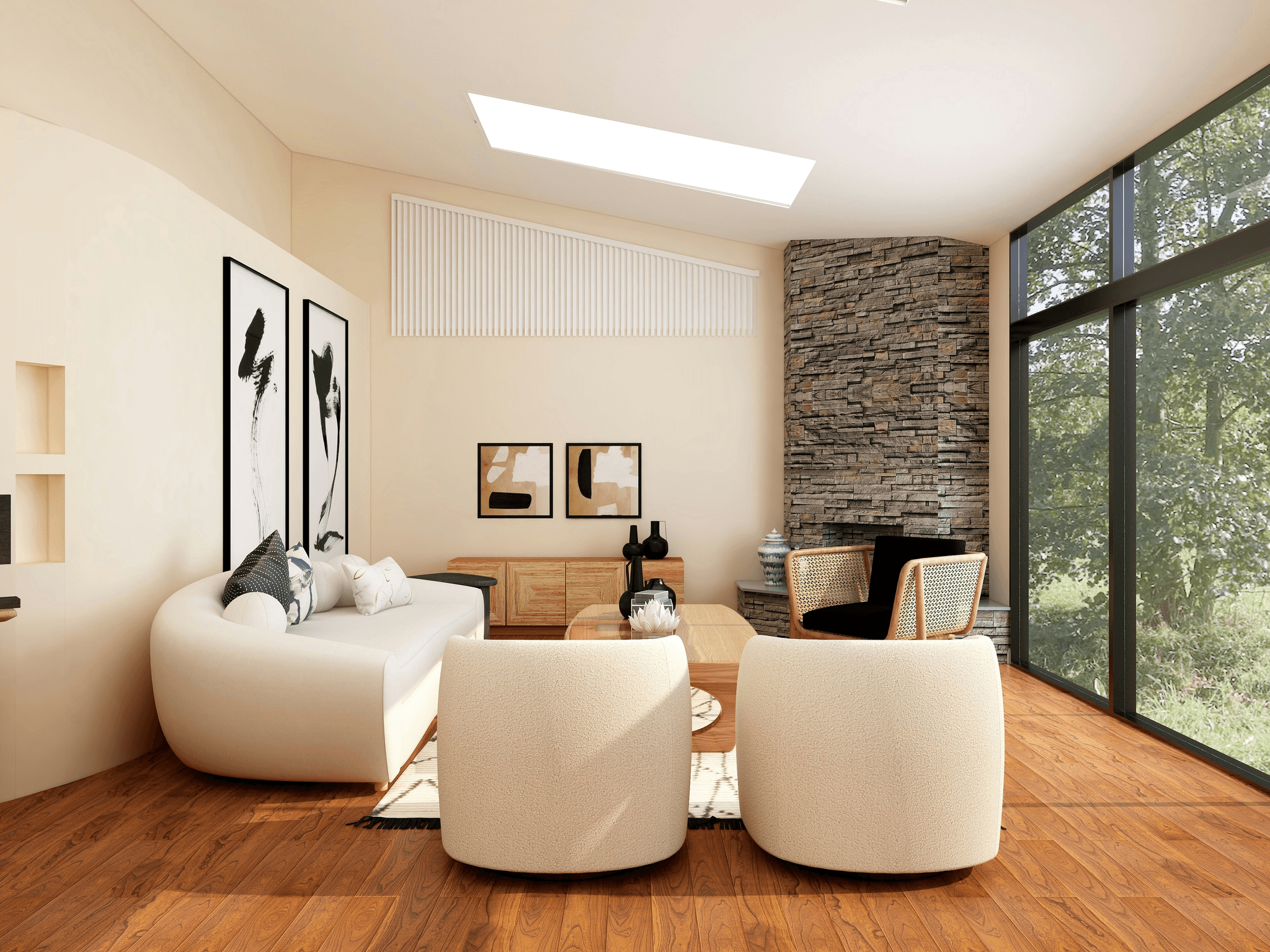
When it comes to modular homes, design and customization are at the forefront of buyer preferences. The beauty of modular construction lies in its flexibility, allowing homeowners to personalize their space without breaking the bank. Understanding how home design influences modular home price can help you make informed decisions that align with your vision and budget.
Popular Design Trends in Modular Homes
Modular homes have evolved significantly over the years, embracing contemporary styles that appeal to modern buyers. Open floor plans, large windows for natural light, and eco-friendly designs are all the rage right now. Additionally, many homeowners are opting for multi-functional spaces that maximize square footage while keeping modular home prices competitive.
The trend towards sustainable materials is also gaining momentum; buyers want homes that are not only stylish but environmentally friendly too. Features like energy-efficient appliances and solar panels are becoming standard considerations in new designs. As these trends continue to shape consumer preferences, they inevitably influence overall modular home price by adding value and desirability.
The Cost of Custom Features
While standard designs offer affordability, custom features can significantly impact modular home price. Homebuyers often find themselves torn between sticking to a budget or splurging on unique elements that enhance their living experience. From upgraded countertops to bespoke cabinetry, each custom feature adds a layer of personalization but also elevates costs.
It's essential to weigh the benefits of customization against potential budget constraints; after all, every added feature can contribute to your overall investment in a modular home. PreFab Inc. provides various options for customization that cater to diverse tastes without compromising quality or pushing prices beyond reach. Ultimately, understanding how these choices affect your modular home price will empower you as a buyer.
Standard Designs vs. Tailored Solutions
When considering a new build with PreFab Inc., you'll encounter two primary options: standard designs or tailored solutions based on individual preferences. Standard designs typically come at a lower cost due to streamlined production processes and fewer variations during construction—ideal for those looking for an affordable entry into the housing market while keeping an eye on modular home prices.
On the other hand, tailored solutions allow homeowners greater freedom in shaping their dream space but usually come with increased expenses tied directly to customization efforts and materials chosen. This choice ultimately boils down to personal priorities: do you prefer affordability or uniqueness? Understanding this balance is crucial when navigating the world of modular homes and their associated prices.
Labor and Builder Experience

When it comes to determining the modular home price, labor and builder experience play a crucial role. Skilled laborers bring expertise that can significantly influence both the quality of construction and the overall cost. The more experienced the builder, the less likely you are to encounter costly delays or mistakes, which can add unexpected expenses to your modular home price.
The Role of Skilled Labor in Pricing
Skilled labor is not just about having hands on deck; it's about bringing a wealth of knowledge and craftsmanship to the project. When builders employ skilled workers, they ensure that each aspect of the modular home is constructed with precision, ultimately affecting the modular home price. Higher-quality workmanship reduces maintenance costs in the long run, making it a smart investment for any homeowner.
Moreover, skilled labor often means faster completion times without sacrificing quality. This efficiency translates into lower overall costs for consumers since time is money in construction. Therefore, investing in skilled labor can lead to a more favorable modular home price that aligns with your budget while ensuring longevity and durability.
Choosing Reputable Builders like PreFab Inc.
Choosing a reputable builder like PreFab Inc. can make all the difference when it comes to navigating modular home prices effectively. With years of experience in constructing high-quality homes, PreFab Inc. has established a reputation for excellence that reflects positively on their pricing structure. Homebuyers who select reputable builders often find that they receive better service and higher-quality materials at competitive prices.
Moreover, working with an established company can provide peace of mind regarding warranties and post-construction support—both vital factors when considering your total investment in a modular home price. A trustworthy builder will also be transparent about costs upfront, helping you avoid hidden fees that could inflate your budget unexpectedly.
Understanding Labor Market Influences
The local labor market significantly impacts modular home prices as well; fluctuations in supply and demand for skilled workers can lead to varying costs across different regions. In areas where there’s high demand for housing but limited skilled labor availability, you may see an increase in pricing due to competition among builders trying to secure talent. Conversely, regions with an abundance of skilled workers might offer more competitive rates for construction services.
Additionally, economic conditions such as unemployment rates directly affect how much builders need to pay their workforce—factors which ultimately trickle down into the final modular home price for consumers like you! Understanding these dynamics empowers potential buyers by providing insight into why some areas may have higher or lower pricing than others.
Market Demand and Economic Factors

Understanding how market demand and economic factors influence modular home price is crucial for both buyers and builders. The modular home industry, like any other real estate sector, is not immune to the ebb and flow of economic conditions. As trends shift, so too do the prices associated with these innovative homes.
How Economic Trends Affect Modular Home Price
Economic trends play a significant role in determining modular home price fluctuations. When the economy is thriving, disposable income rises, leading to increased demand for housing options, including modular homes. Conversely, during economic downturns, potential buyers may hesitate to invest in new properties, which can lead to a decrease in modular home prices as sellers lower their expectations to attract buyers.
Moreover, factors such as employment rates and consumer confidence can significantly impact the modular home price landscape. For instance, when employment rates are high and consumers feel secure in their financial situations, they are more likely to invest in customizations or upgrades for their modular homes through companies like PreFab Inc., further driving up prices. On the flip side, uncertainty can lead to a cautious market where buyers prioritize affordability over luxury features.
Seasonal Variations in Modular Home Demand
Seasonal variations also affect the demand for modular homes and consequently their pricing structure. Typically, spring and summer months see an uptick in housing activity as families prefer moving during warmer weather; this seasonal trend often leads to higher modular home prices due to increased competition among buyers. In contrast, winter months may witness a slowdown as fewer people are inclined to move during colder seasons.
Understanding these seasonal dynamics allows prospective buyers to strategize effectively when considering their purchase timing; buying during off-peak seasons might yield better deals on modular homes at lower prices. Builders like PreFab Inc. often adjust production schedules based on these trends as well—if they anticipate high demand during peak seasons, they may increase inventory ahead of time while adjusting pricing strategies accordingly.
The Influence of Interest Rates on Pricing
Interest rates wield considerable influence over the overall cost of purchasing a modular home; they directly affect mortgage rates that potential homeowners will face when financing their purchases. When interest rates are low, borrowing becomes more accessible and affordable; this typically results in higher demand for all types of housing—including modular homes—and can consequently drive up the average modular home price due to increased buyer interest.
Conversely, rising interest rates can cool off an otherwise hot market by making mortgages less affordable for many potential buyers. This situation may compel sellers—including those offering modular homes—to reduce their asking prices or offer incentives just to attract interest from hesitant buyers who might be feeling squeezed by higher monthly payments.
In summary, understanding how various economic factors influence the market demand for modular homes is essential for both builders and potential homeowners alike—especially when it comes time to negotiate that all-important price tag!
Conclusion
As we wrap up our exploration of modular home pricing, it’s clear that various factors play a pivotal role in determining the final cost. From location and land costs to construction materials and builder expertise, each element interconnects to shape the overall modular home price. Understanding these dynamics not only helps potential buyers make informed decisions but also highlights why modular homes are becoming increasingly popular in today’s real estate market.
Key Takeaways on Modular Home Price
When considering a modular home price, it's essential to acknowledge that location significantly influences costs. Urban areas typically command higher prices due to land scarcity and demand, while rural settings offer more affordable options. Additionally, quality of materials and customization can drastically alter the final price tag—so keep your eyes peeled for those high-end finishes that might just put your budget over the edge!
Making Informed Decisions for Home Buyers
For prospective buyers navigating the modular home landscape, understanding pricing determinants is crucial for making savvy choices. Researching reputable builders like PreFab Inc., who prioritize quality construction and skilled labor, can lead to better investment outcomes. Armed with knowledge about zoning laws, design trends, and market demand fluctuations, buyers can approach their purchase with confidence and clarity.
Future Trends in Modular Home Pricing
Looking ahead, we anticipate several trends that could influence modular home pricing in exciting ways. As sustainable building practices gain traction, eco-friendly materials may become more prevalent—potentially shifting traditional pricing models as demand increases. Furthermore, advancements in technology may streamline construction processes further reducing costs and making modular homes an even more attractive option for future homeowners.