

Introduction
In recent years, container camps have surged in popularity, captivating the imagination of adventurers and minimalists alike. These innovative living solutions offer a fresh perspective on outdoor living spaces, blending functionality with creativity. With companies like PreFab Inc. at the forefront of this movement, container camps are not just a trend; they represent a transformative approach to how we think about our environments.
The Rise of Container Camps
Container camps have emerged from the shadows of shipping yards to become vibrant communities that redefine living spaces. As urbanization continues to rise, the need for affordable and flexible housing options has never been more pressing, making container camps an attractive alternative for many. PreFab Inc. has played a pivotal role in this rise, showcasing how repurposed shipping containers can be converted into stylish and sustainable habitats.
Transforming Outdoor Living Spaces
The charm of container camps lies in their ability to transform outdoor living into an art form that combines nature with modern design elements. Imagine sipping coffee on your deck while surrounded by nature—all from a beautifully designed container camp! This unique blend allows individuals to reconnect with the outdoors while enjoying all the comforts of home.
Sustainability and Container Living
Sustainability is at the heart of container living, making it an appealing choice for environmentally-conscious individuals and families alike. By repurposing shipping containers, we reduce waste while creating functional homes that require fewer resources than traditional construction methods. With PreFab Inc.'s commitment to eco-friendly practices, container camps are leading the charge toward sustainable living solutions that don’t compromise on style or comfort.
Understanding Container Camps
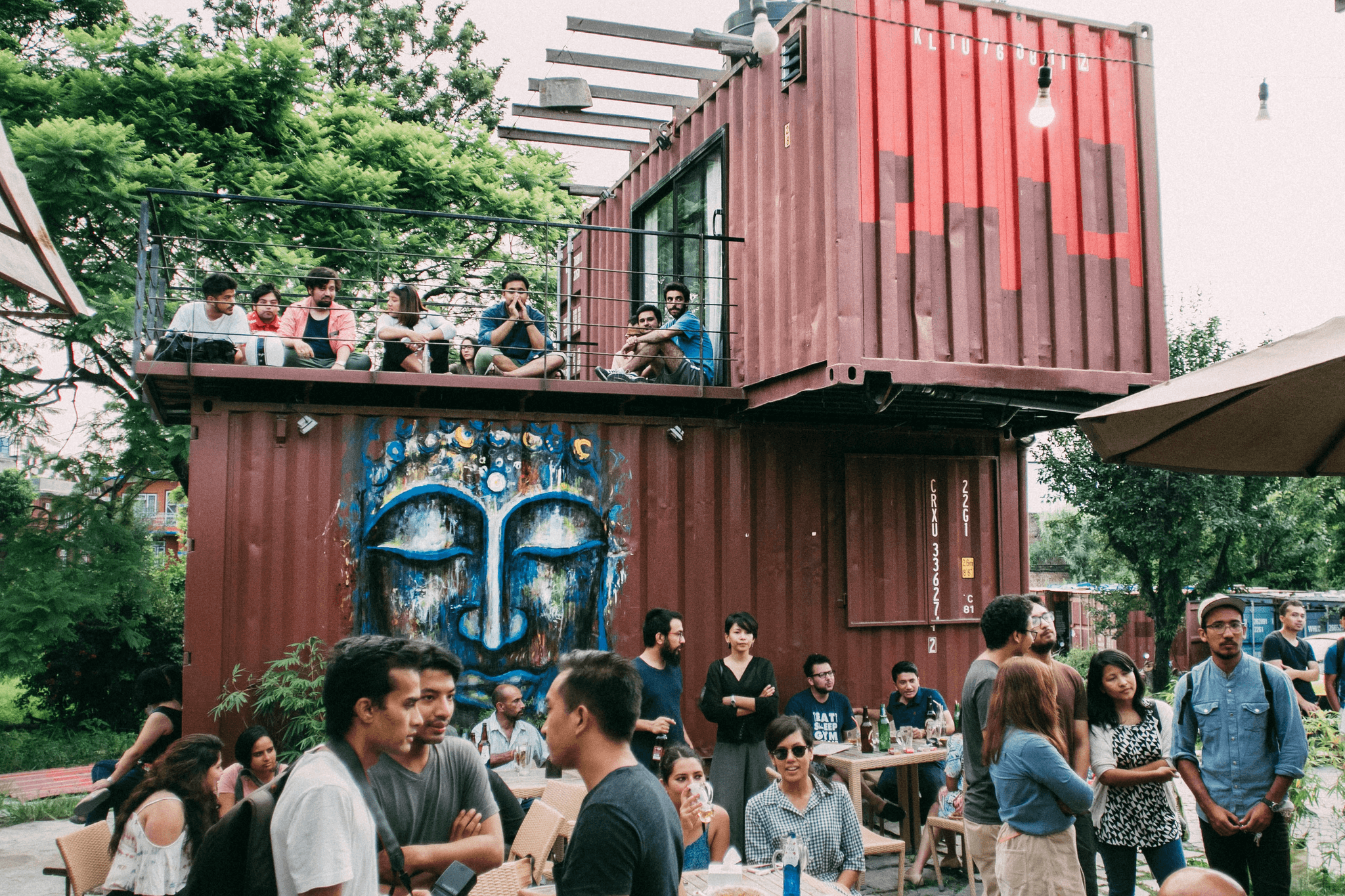
Container camps are revolutionizing the way we think about outdoor living and temporary housing solutions. These innovative structures, made from repurposed shipping containers, offer a unique blend of functionality and sustainability. With their rise in popularity, container camps are becoming a go-to choice for those seeking affordable and flexible living arrangements.
What Are Container Camps?
At their core, container camps consist of modified shipping containers that provide shelter and amenities for various purposes. These camps can be designed for anything from temporary housing to recreational spaces or even mobile offices. The versatility of container camps allows them to be adapted to suit a wide range of needs while maintaining a stylish and modern aesthetic.
Popular Uses for Container Camps
Container camps have found their niche in several sectors, making them an attractive option for many. They are commonly used in disaster relief situations, providing quick and efficient housing solutions when traditional options are unavailable. Additionally, container camps serve as trendy accommodations in the hospitality industry, offering unique lodging experiences that appeal to adventurous travelers.
The Benefits of Container Living
Living in container camps presents numerous advantages that make them increasingly appealing to many individuals and communities alike. First off, they are often more affordable than traditional housing options, allowing people to save money or invest it elsewhere. Beyond cost-effectiveness, container living promotes sustainability by utilizing recycled materials and minimizing waste—an ethos strongly supported by companies like PreFab Inc., which prioritize eco-friendly practices in their designs.
Innovations in Container Design
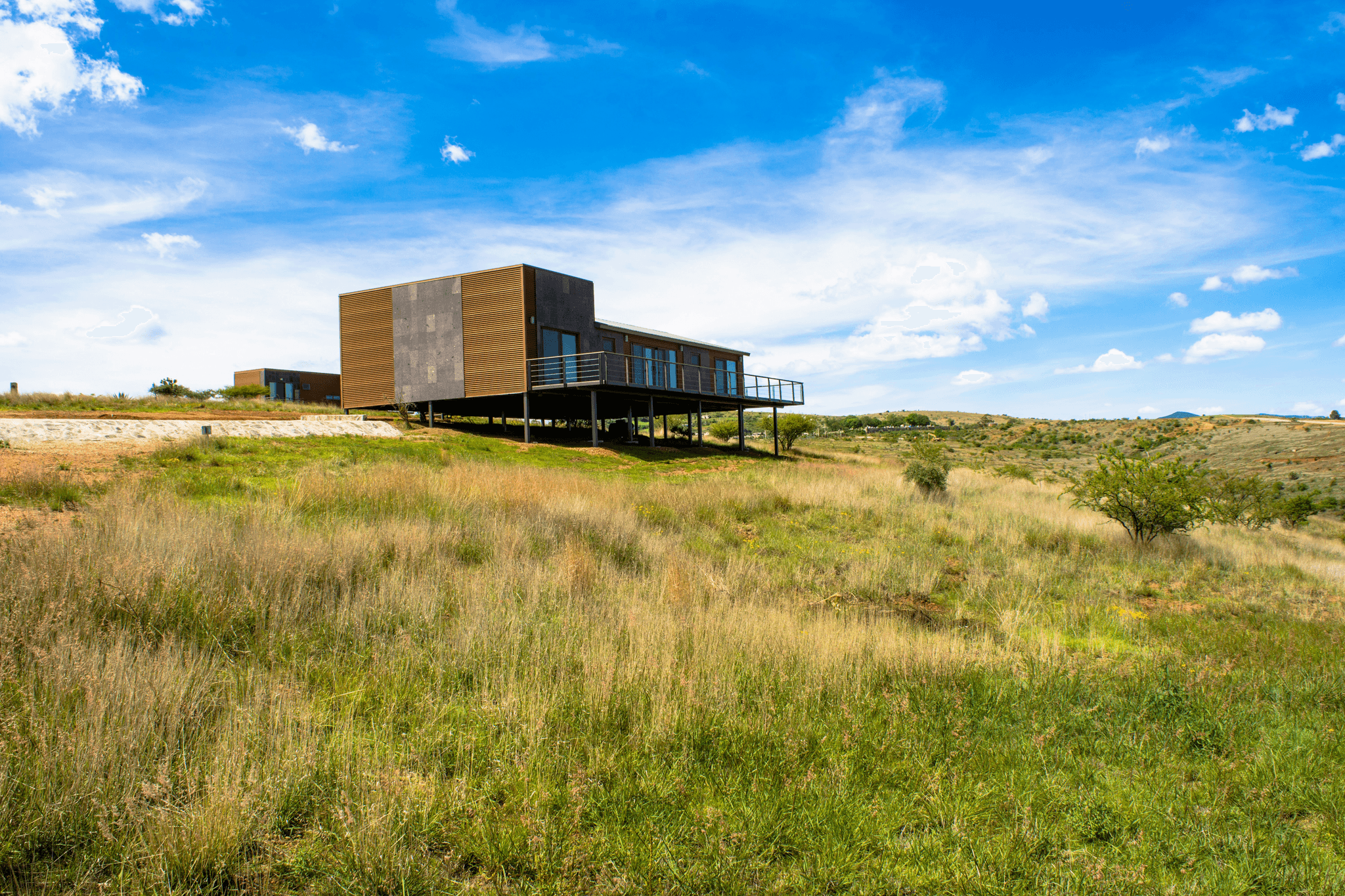
Container camps are not just a trend; they represent a creative revolution in outdoor living. With their modular nature, these camps allow for innovative designs that push the boundaries of traditional architecture. PreFab Inc. leads the charge by showcasing how container camps can be transformed into stunning living spaces that harmonize with their surroundings.
Creative Architecture in Container Camps
The architectural possibilities with container camps are virtually limitless, allowing for unique structures that stand out in any environment. Designers have embraced the challenge of reimagining these steel boxes, turning them into eye-catching retreats and functional habitats. From stacked configurations to cantilevered designs, container camps offer an artistic flair that traditional camping just can't match.
Moreover, the versatility of containers means they can be adapted to various terrains and climates, making them suitable for both urban and rural settings. PreFab Inc. exemplifies this creativity by developing projects that integrate seamlessly with nature while providing modern amenities. The result? A perfect blend of aesthetics and functionality that elevates outdoor living to new heights.
Multi-functional Spaces
One of the standout features of container camps is their ability to serve multiple purposes within a compact footprint. These innovative designs often incorporate flexible layouts that can transform from a cozy sleeping area to an open lounge or workspace at a moment's notice. With smart furniture solutions and modular components, residents can easily adapt their space based on needs—whether it's hosting friends or enjoying some solitude.
This multi-functionality is particularly appealing for those who want to maximize their outdoor experience without sacrificing comfort or style. PreFab Inc.'s commitment to creating versatile container camps ensures that every inch is utilized effectively, making them ideal for both short-term getaways and long-term living solutions. The ability to customize these spaces means each container camp can reflect its owner's personality while remaining practical.
Eco-friendly Features
Sustainability is at the forefront of container camp design, with many innovations focusing on eco-friendly practices and materials. By repurposing shipping containers, we reduce waste while creating stylish accommodations that minimize environmental impact—talk about a win-win! PreFab Inc.'s focus on sustainable features includes rainwater harvesting systems, solar panels, and energy-efficient appliances that make living off-grid not only possible but enjoyable.
Additionally, many container camps utilize recycled materials for interior finishes and landscaping elements—further enhancing their green credentials while maintaining aesthetic appeal. This commitment to sustainability attracts eco-conscious campers who want to enjoy nature without leaving a heavy footprint behind them. As awareness grows about climate change and resource conservation, eco-friendly features in container camps will become increasingly important.
Container Camps and the Environment
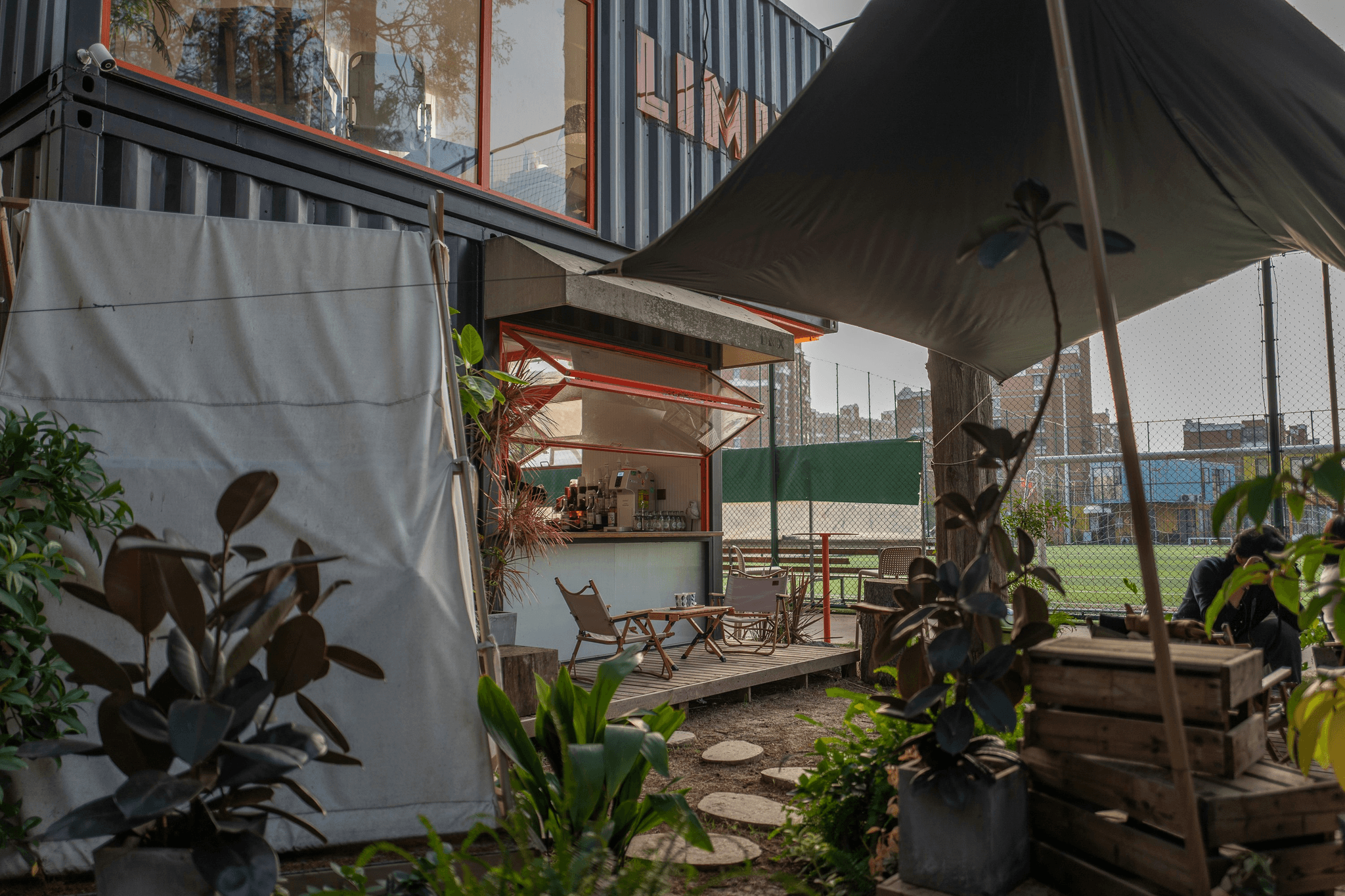
Container camps are at the forefront of sustainable living, blending modern design with eco-friendly practices. By utilizing repurposed shipping containers, these camps minimize waste and promote resourcefulness in construction. The emphasis on sustainability makes container camps an attractive option for environmentally conscious individuals and communities.
Sustainable Materials and Practices
One of the key aspects of container camps is their reliance on sustainable materials and practices. Shipping containers themselves are made from durable steel, which can withstand harsh conditions while requiring minimal maintenance. Furthermore, many container camp designs incorporate recycled or locally sourced materials for insulation, flooring, and furnishings—thus reducing the environmental impact associated with traditional building methods.
In addition to material choices, container camps often employ green building practices such as passive solar design and rainwater harvesting systems. These features not only enhance the livability of the space but also significantly reduce energy consumption over time. With PreFab Inc.'s commitment to sustainability, container camps become a beacon of eco-friendly living that encourages others to follow suit.
Reducing Carbon Footprint with Container Living
Container living inherently offers a reduction in carbon footprint compared to conventional housing options. The use of pre-existing shipping containers means that new materials are not constantly being produced or transported long distances—saving energy and resources along the way. Moreover, container camps can be designed for energy efficiency through innovative insulation techniques and renewable energy solutions like solar panels.
By promoting smaller living spaces that prioritize functionality over excess, container camps encourage a minimalist lifestyle that further reduces environmental impact. When people embrace this lifestyle through PreFab Inc.'s designs, they contribute to a collective effort in combating climate change while enjoying unique outdoor experiences. Ultimately, choosing container living is not just about aesthetics; it's about making conscious choices for our planet's future.
The Role of PreFab Inc. in Sustainability
PreFab Inc. plays a pivotal role in advancing sustainability within the realm of container camps by integrating cutting-edge technology with eco-conscious designs. Their commitment to using sustainable materials ensures that every project not only meets but exceeds industry standards for environmental responsibility. Through innovative strategies such as modular construction techniques and efficient supply chain management, PreFab Inc. helps minimize waste while maximizing quality.
Moreover, PreFab Inc.'s focus on creating adaptable spaces allows residents to modify their containers according to their needs without extensive renovations—further reducing resource consumption over time! By leading the charge in sustainable developments within container camps, PreFab Inc. inspires others to reconsider how we approach outdoor living environments in harmony with nature.
Container Camps in Urban Settings
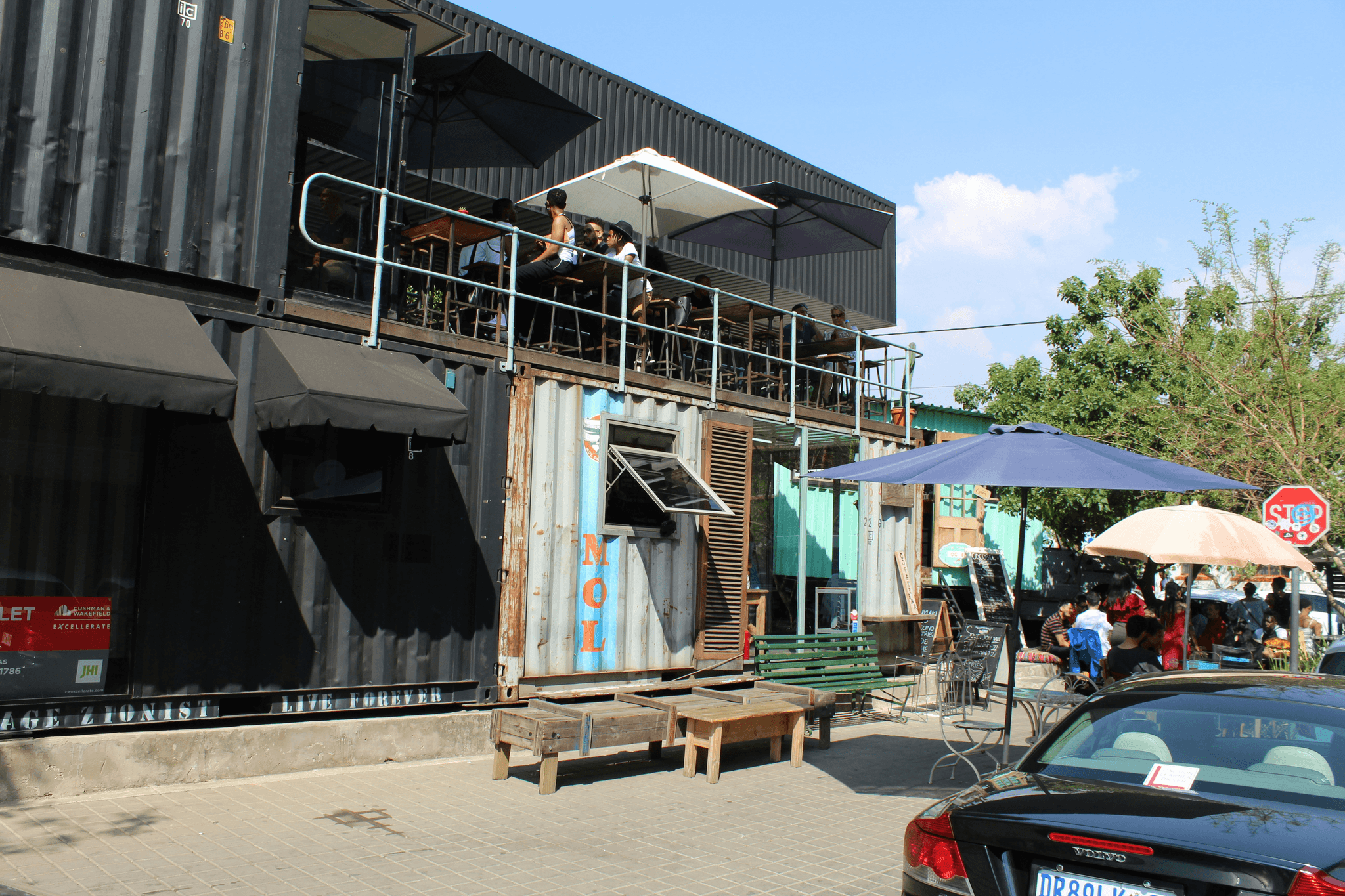
Urban environments are rapidly evolving, and one of the most exciting trends to emerge is urban camping through container camps. These innovative living spaces offer a unique blend of adventure and convenience, allowing city dwellers to experience the great outdoors without leaving their metropolitan surroundings. With container camps popping up in parks, rooftops, and vacant lots, they provide an opportunity for residents to reconnect with nature while maintaining access to urban amenities.
Urban Camping: A New Trend
Urban camping has taken the world by storm, transforming how we think about outdoor experiences in bustling cities. Container camps have become a go-to solution for those seeking a weekend getaway or a unique vacation experience right within city limits. The allure of these compact living spaces lies not only in their creative design but also in the sense of community they foster among urbanites looking to escape the daily grind.
In cities where traditional camping options may be limited, container camps present an accessible alternative that combines comfort with adventure. Imagine sipping your morning coffee on a rooftop container camp while enjoying panoramic views of skyscrapers around you—it's an experience that blends the best of both worlds! This trend is not just about leisure; it's also about promoting sustainable living practices within urban settings.
Case Studies of Successful Container Camps
Across various cities worldwide, numerous successful case studies highlight the potential of container camps as viable urban solutions. For instance, PreFab Inc.'s recent project in downtown Los Angeles showcases how creatively designed container camps can serve as temporary housing for those experiencing homelessness while providing essential services nearby. This initiative demonstrates that container camps can address pressing social issues while enhancing community engagement.
Another remarkable example is found in Amsterdam's innovative use of shipping containers transformed into vibrant community spaces and pop-up eateries. These container camps not only provide shelter but also host events that bring people together, fostering connections among diverse groups within the city. Such case studies underscore how flexible and adaptable these structures can be when thoughtfully integrated into urban landscapes.
Enhancing Community Spaces with Containers
Container camps have proven to be more than just temporary shelters; they are catalysts for revitalizing community spaces across urban environments. By repurposing unused lots or underutilized areas into inviting container camp setups, cities can create vibrant hubs for social interaction and outdoor activities—all while promoting sustainability through efficient use of resources.
PreFab Inc.'s commitment to eco-friendly design ensures that these containers are equipped with features like green roofs and solar panels, further enhancing their appeal as sustainable community assets. As more municipalities recognize the potential benefits of integrating container camps into public parks or recreational areas, we can expect to see even greater innovation in how these spaces are utilized for communal purposes.
In conclusion, as we embrace this new trend of urban camping through container camps, it becomes clear that they offer much more than just a place to stay—they provide opportunities for connection and creativity within our cities.
Future Trends in Container Camps

The future of container camps is bright, bursting with innovative ideas and trends that promise to reshape our outdoor living experiences. As urbanization continues to rise, these adaptable spaces are becoming more than just temporary shelters; they are evolving into sustainable lifestyle choices. With the help of PreFab Inc.'s cutting-edge designs, container camps are set to become a staple in modern living.
Innovative Technologies Shaping Container Camps
Technology is revolutionizing how we design and utilize container camps, making them smarter and more efficient. From solar panels that harness renewable energy to smart home systems that control lighting and temperature, innovation is at the forefront of this movement. PreFab Inc. is leading the charge by integrating these technologies into their designs, ensuring that each container camp meets the demands of contemporary living while remaining eco-friendly.
Moreover, advancements in modular construction techniques allow for quicker assembly and customization of container camps, catering to diverse needs and preferences. These innovations not only enhance functionality but also improve aesthetics, turning simple containers into stylish homes or community spaces. As technology continues to evolve, expect container camps to incorporate even more features that blend comfort with sustainability.
The Growth of Modular Living
Modular living is gaining traction as a viable solution for housing shortages and urban density challenges; container camps fit perfectly within this trend. By utilizing shipping containers as building blocks, communities can create flexible layouts that adapt to changing needs over time. PreFab Inc.’s commitment to modular design ensures that these spaces can be easily expanded or reconfigured without extensive renovations.
This growth in modular living also promotes a sense of community as people come together in shared spaces designed from these versatile containers. From pop-up parks made from repurposed shipping containers to communal kitchens in urban settings, the possibilities are endless for fostering connections among residents. The appeal lies not only in practicality but also in creating vibrant environments where social interactions thrive.
Predictions for Outdoor Living Evolution
Looking ahead, we can anticipate several exciting developments within the realm of outdoor living through container camps over the next decade. With increasing awareness about sustainability and minimalism, more individuals will gravitate towards these efficient solutions as their primary residences or vacation spots—think tiny house movement but with a twist! PreFab Inc.'s role will be pivotal as they continue innovating ways to make container living both stylish and sustainable.
Additionally, we may see an increase in hybrid models combining traditional architecture with modern container designs—think cozy cabins fused with sleek shipping containers! This evolution will cater not only to aesthetic preferences but also environmental concerns by maximizing space while minimizing wasteful practices typically associated with construction projects. Ultimately, outdoor living will embrace adaptability without sacrificing comfort or style.
Conclusion
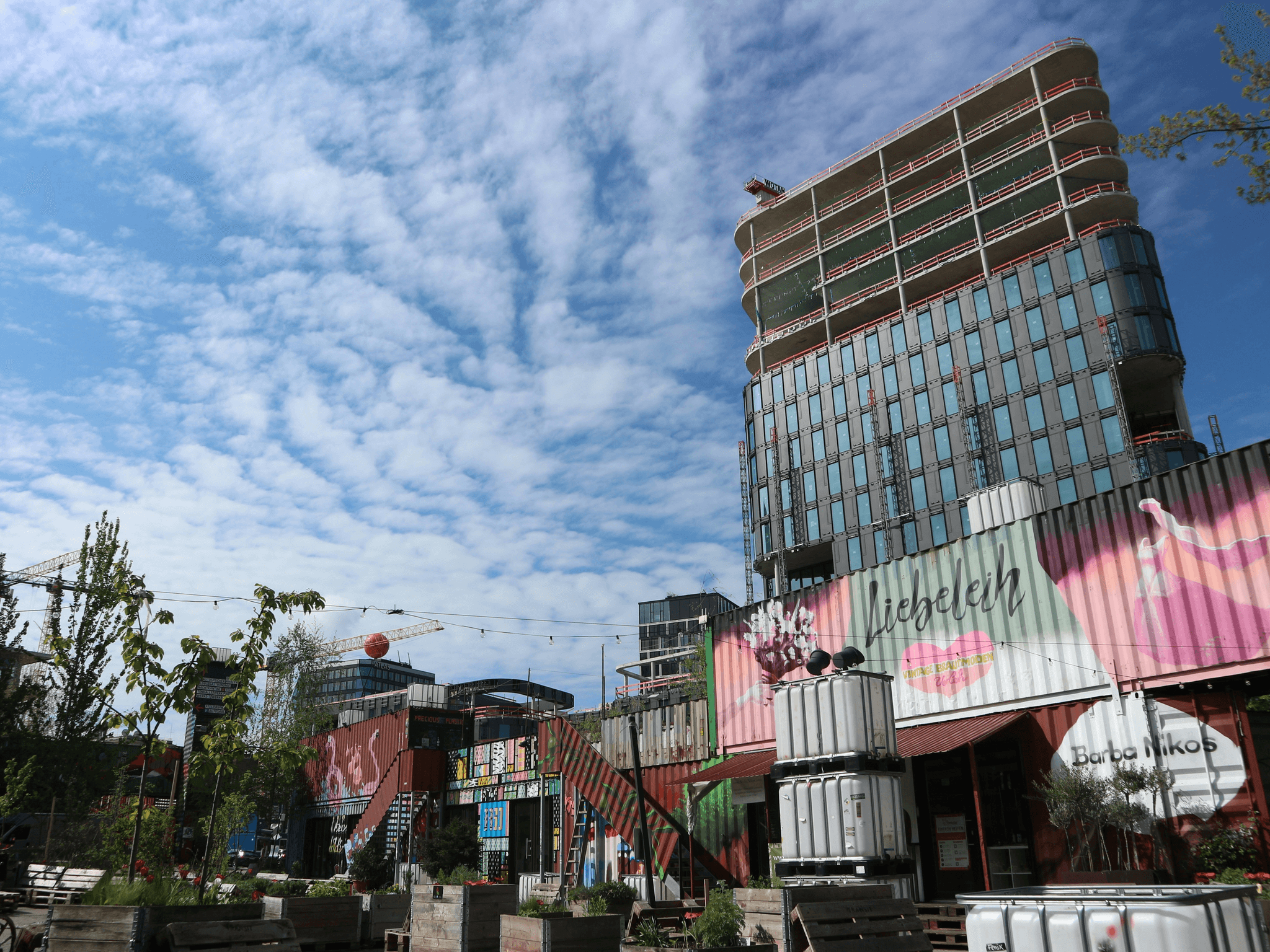
As we wrap up our exploration of container camps, it's clear that this innovative form of living is more than just a trend; it's a lifestyle choice that resonates with many. Embracing the container camp lifestyle means stepping into a world where flexibility meets sustainability, allowing individuals to connect with nature while enjoying modern comforts. With the rising popularity of container camps, it’s evident that they offer a unique blend of adventure and practicality for those seeking alternative living solutions.
Embracing the Container Camp Lifestyle
The container camp lifestyle invites people to rethink their relationship with space and nature. Imagine waking up in a cozy, repurposed shipping container surrounded by trees or mountains—it's an experience unlike any other! This lifestyle not only promotes outdoor living but also encourages community engagement and creativity as people customize their spaces to reflect personal tastes and needs.
Container Camps as a Solution for Housing
Container camps present an exciting solution to the ongoing housing crisis faced by many urban areas today. With their affordability, speed of construction, and versatility, these camps can provide immediate housing options for those in need without compromising on quality or style. PreFab Inc. is at the forefront of this movement, offering innovative designs that turn shipping containers into functional homes—making it easier than ever for communities to address housing shortages.
The Future of Outdoor Living with PreFab Inc.
Looking ahead, the future of outdoor living is bright with the continued evolution of container camps spearheaded by companies like PreFab Inc. As technology advances and sustainability becomes even more critical, we can expect container designs to incorporate smart features that enhance convenience while minimizing environmental impact. The combination of creativity and innovation in this field promises not only to redefine how we perceive outdoor living but also to inspire future generations toward eco-friendly lifestyles.