

Introduction
In a world where construction timelines can stretch longer than a toddler's tantrum, the modular building system emerges as a game-changer. This innovative approach to construction is not just about efficiency; it’s about reimagining how we build spaces that foster creativity and functionality. With its increasing popularity, it's no wonder that companies like PreFab Inc. are at the forefront of this transformative movement.
Discovering Modular Building Systems
The modular building system is an ingenious method where structures are prefabricated in sections or modules off-site and then assembled on location. Think of it as building with oversized Lego blocks—each piece meticulously crafted to fit seamlessly together, creating sturdy and stylish buildings in record time. As we delve deeper into this fascinating world, we’ll uncover how these systems are revolutionizing traditional construction practices.
The Benefits of Modular Construction
One of the standout benefits of the modular building system is its cost-effectiveness compared to conventional construction methods. By reducing waste and streamlining processes, projects often come in under budget while maintaining high-quality standards. Additionally, faster project completion times mean that clients can enjoy their new spaces sooner, making modular construction an appealing choice for many industries.
Why PreFab Inc. is Leading the Pack
PreFab Inc. has carved out a unique niche in the modular building system arena by prioritizing innovation and customer satisfaction above all else. With cutting-edge designs and sustainable practices at its core, PreFab Inc.'s projects exemplify what modern construction can achieve when traditional barriers are broken down. As we explore further, you’ll see why this company stands out as a leader in shaping the future of modular construction.
Understanding Modular Building Systems
Modular building systems are revolutionizing the construction industry, offering flexibility and efficiency that traditional methods often lack. At their core, these systems involve prefabricated components manufactured off-site and assembled on location, resulting in a streamlined building process. This innovative approach not only saves time but also enhances quality control, making modular construction an appealing choice for various projects.
Definition and Key Components
A modular building system is defined by its use of pre-manufactured modules or sections that can be easily transported and assembled to create a complete structure. Key components include the modules themselves, which can range from single-room units to multi-story complexes, as well as the essential infrastructure such as foundations and utilities that support these structures. By integrating advanced technology in design and manufacturing processes, companies like PreFab Inc. ensure that each module meets stringent safety standards while allowing for customization based on specific project needs.
Types of Modular Buildings
There are several types of modular buildings catering to diverse needs across industries. From educational facilities designed to foster learning environments to healthcare solutions that prioritize patient comfort and accessibility, modular systems can adapt to various functions with ease. Additionally, residential projects have gained popularity; homeowners appreciate the benefits of quick construction timelines without compromising quality or aesthetic appeal—showcasing just how versatile the modular building system can be.
How Modular Construction Works
The process behind modular construction is both efficient and systematic, beginning with detailed planning and design tailored to client specifications. Once designs are finalized, manufacturing takes place in controlled environments where precision is paramount; this reduces waste and improves overall quality compared to traditional on-site builds. After completing the modules at PreFab Inc., they are transported to the site for swift assembly—often leading to project completion in a fraction of the time typically required by conventional methods.
Advantages of Modular Construction
Modular construction is not just a trend; it's a revolution in how we build. With its innovative approach, the modular building system offers numerous advantages that traditional methods simply can't match. Let's dive into the key benefits that make this construction style increasingly popular among developers and homeowners alike.
1. Cost-Effectiveness compared to Traditional Methods
When it comes to budgeting, modular building systems shine like a diamond in the rough. By utilizing factory-based production methods, PreFab Inc. significantly reduces labor costs and material waste, making it more affordable than conventional construction techniques. This cost-effectiveness allows clients to allocate their resources more efficiently while still achieving high-quality results.
Moreover, the streamlined processes inherent in modular construction mean fewer delays and unexpected expenses during project execution. In essence, when you choose a modular building system, you're not just saving money—you're investing smartly in your future projects. With PreFab Inc., cost savings translate directly into enhanced value for all stakeholders involved.
2. Faster Project Completion Times
Time is money—and nowhere is this more evident than in the world of construction. Modular building systems facilitate faster project completion times by allowing parallel work streams; while components are being fabricated off-site, site preparation can occur simultaneously. This efficiency means that projects can be completed weeks or even months ahead of schedule compared to traditional methods.
PreFab Inc.'s commitment to speed doesn’t compromise quality either; each module is meticulously crafted before arriving on-site for assembly. The result? Quick turnaround times without sacrificing craftsmanship or durability—an unbeatable combination for any developer looking to get ahead of the competition.
3. Sustainability and Environmental Impact
In our ever-evolving world, sustainability has become a non-negotiable aspect of any construction project—and thankfully, modular building systems are leading the charge toward greener practices! PreFab Inc.'s approach minimizes waste through precise manufacturing processes and efficient use of materials, which significantly reduces environmental impact compared to traditional builds.
Additionally, many modular buildings are designed with eco-friendly features such as energy-efficient appliances and sustainable materials right from the start. By choosing a modular building system, you're not only making a smart financial decision but also contributing positively to our planet’s future—a win-win scenario that every conscientious builder should embrace!
Real-World Applications
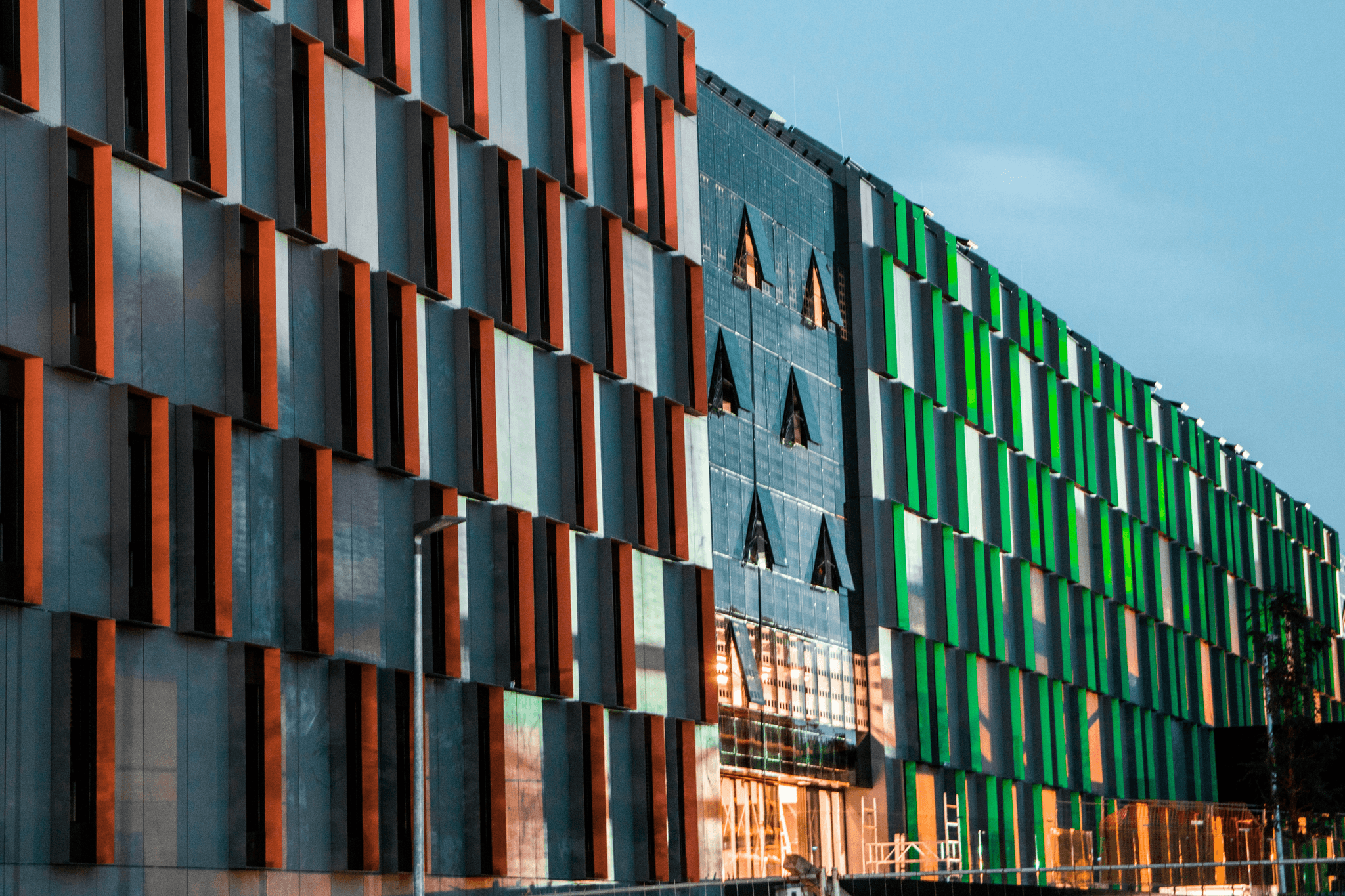
Modular building systems are transforming various sectors, proving their versatility and efficiency across multiple applications. From educational institutions to healthcare facilities and residential projects, these innovative structures are making waves. PreFab Inc. stands at the forefront of this movement, showcasing how modular construction can meet diverse needs.
Educational Facilities Built with Modular Systems
When it comes to educational facilities, modular building systems offer a practical solution for schools facing space constraints or rapid enrollment growth. These structures can be designed and built quickly, allowing institutions to accommodate students without the lengthy delays typical of traditional construction methods. PreFab Inc.'s modular classrooms not only provide functional learning environments but also foster creativity with customizable designs tailored to each school's unique vision.
In addition to speed and flexibility, modular buildings in education are often more cost-effective than conventional constructions. Schools can allocate saved resources towards enhancing educational programs or investing in technology for students. Moreover, the sustainability of modular systems aligns perfectly with modern educational goals focused on environmental stewardship.
Healthcare Solutions Using Modular Design
The healthcare sector is another area where modular building systems shine brightly, particularly in times of urgent need such as during public health crises or emergencies. PreFab Inc.'s modular healthcare solutions can be deployed rapidly to create essential facilities like clinics or temporary hospitals that meet immediate community needs without sacrificing quality or safety standards.
These modular units are designed with patient care in mind, incorporating state-of-the-art medical technologies while maintaining a comforting environment for patients and staff alike. Additionally, they allow for scalability; as demand fluctuates, healthcare providers can easily expand their facilities by adding more modules without significant disruption.
Residential Projects Showcasing Modular Success
Residential projects utilizing modular building systems have gained popularity among homeowners looking for efficient and stylish living options. With PreFab Inc.'s expertise in this realm, clients enjoy customizable homes that reflect their personal tastes while benefiting from reduced construction timeframes compared to traditional builds.
Moreover, the energy-efficient designs inherent in many modular homes contribute positively to sustainability efforts by minimizing waste during construction and promoting eco-friendly living environments post-completion. As more people recognize the advantages of these innovative residences—such as affordability and design flexibility—modular homes continue to reshape the housing market landscape.
The Future of Modular Building Systems
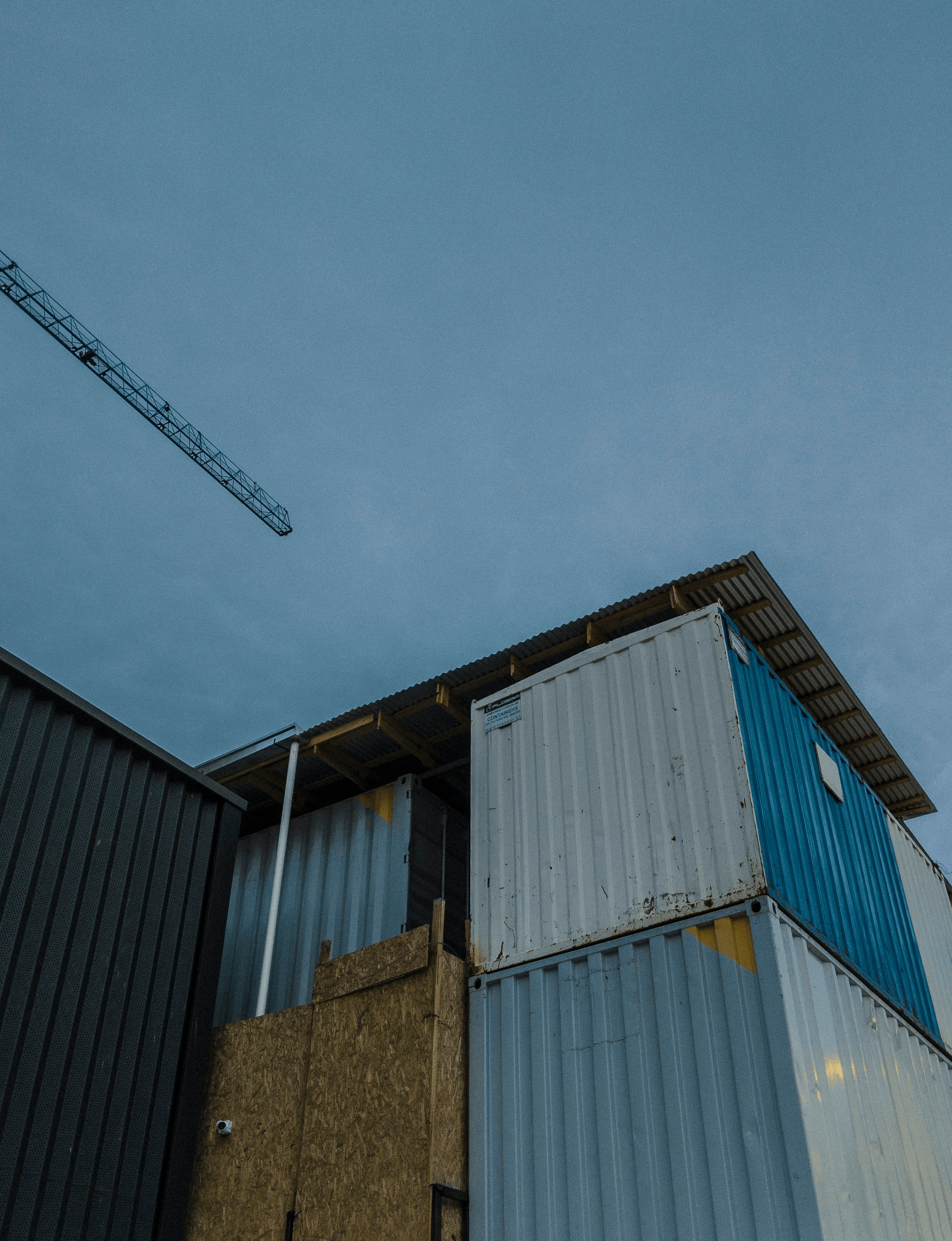
The future of modular building systems is bright, brimming with innovation and transformative potential. As the construction industry evolves, these systems are poised to redefine how we think about building design, efficiency, and sustainability. With companies like PreFab Inc. leading the charge, the next decade promises to be a game-changer for modular construction.
Innovations in Design and Technology
Innovations in design and technology are at the forefront of the modular building system revolution. From advanced materials that enhance durability to smart technology integration for energy efficiency, these innovations are reshaping how structures are conceived and constructed. PreFab Inc. is harnessing cutting-edge software for 3D modeling and virtual reality walkthroughs that allow clients to visualize their projects before they break ground.
Moreover, modular systems are becoming increasingly customizable, catering to diverse client needs without compromising on speed or quality. This adaptability not only appeals to residential buyers but also attracts commercial investors looking for scalable solutions. As technology continues to advance, we can expect even more sophisticated features in modular buildings that push boundaries further.
Trends Shaping the Modular Construction Landscape
Several trends are shaping the landscape of modular construction today, making it an exciting time for industry stakeholders. One significant trend is the growing emphasis on sustainability; more builders recognize that a modular building system can significantly reduce waste compared to traditional methods. This shift towards eco-friendly practices aligns perfectly with consumer demand for greener living spaces.
Another trend gaining traction is urbanization; as cities become more densely populated, there’s an increasing need for efficient housing solutions that can be deployed quickly without sacrificing quality or aesthetics. PreFab Inc.'s approach to urban-centric designs showcases how modular buildings can meet this demand effectively while enhancing community living spaces. With a focus on multifunctional designs and smart use of space, these trends ensure a robust future for modular construction.
The Role of PreFab Inc. in Future Developments
PreFab Inc.'s role in future developments within the modular building system sphere cannot be overstated; they’re not just participants but pioneers driving change forward! By investing heavily in research and development, PreFab Inc. aims to stay ahead of emerging trends while ensuring their products remain top-notch in quality and functionality. Their commitment extends beyond just constructing buildings; it’s about creating sustainable environments where communities can thrive.
Furthermore, as regulatory frameworks evolve alongside technological advancements, PreFab Inc.’s expertise will be invaluable in navigating potential challenges ahead—ensuring compliance while pushing innovation boundaries further than ever before! As they continue collaborating with architects and engineers globally, expect them to lead initiatives that set new standards across various sectors—from residential homes to large-scale commercial projects.
In conclusion, as we look forward into this exciting future filled with possibilities for modular building systems driven by innovation and sustainability efforts from leaders like PreFab Inc., one thing remains clear: change is not just coming—it’s already here!
Navigating Challenges in Modular Construction
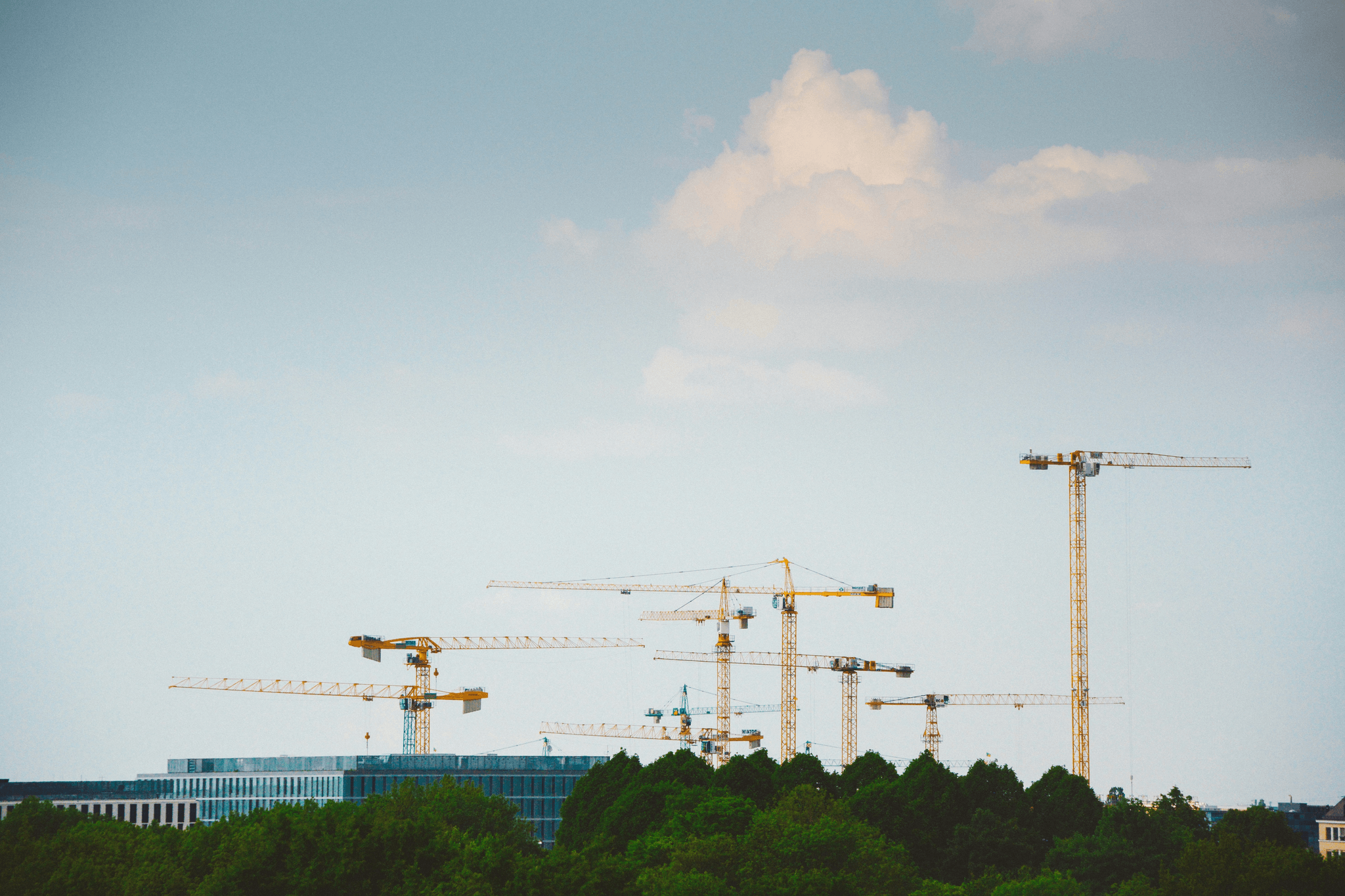
While the modular building system offers numerous advantages, it also faces its fair share of challenges. Understanding how to navigate these obstacles is crucial for stakeholders looking to embrace this innovative construction method. PreFab Inc. is committed to addressing these issues head-on, ensuring that the benefits of modular construction can be fully realized.
Overcoming Zoning and Regulatory Hurdles
One of the primary challenges in implementing a modular building system is navigating complex zoning and regulatory frameworks. Different regions have varying codes and regulations that can complicate the approval process for modular projects. PreFab Inc. understands these intricacies and works closely with local authorities to streamline approvals, ensuring that projects move forward without unnecessary delays.
Additionally, many municipalities are still catching up with the advancements in modular construction technology, leading to misconceptions about what is permissible. By actively engaging with regulatory bodies and advocating for updated guidelines, PreFab Inc. helps pave the way for smoother project execution across diverse locations. This proactive approach not only benefits individual projects but also contributes to a more favorable environment for future modular developments.
Quality Assurance in Modular Projects
Ensuring quality is paramount when it comes to any construction project, including those utilizing a modular building system. The perception that prefabricated structures are of lesser quality compared to traditional builds can hinder acceptance among potential clients and stakeholders alike. At PreFab Inc., rigorous quality assurance protocols are implemented throughout every phase of production and assembly.
From sourcing high-quality materials to conducting thorough inspections at various stages of construction, PreFab Inc.'s commitment to excellence ensures that each module meets or exceeds industry standards. This dedication not only reinforces confidence in the durability and safety of modular buildings but also showcases how modern manufacturing techniques can yield superior results compared to conventional methods.
Addressing Misconceptions about Modular Systems
Despite their growing popularity, misconceptions about modular building systems persist among both consumers and industry professionals. One common myth is that these structures lack design flexibility; however, modern modular systems offer an array of customizable options tailored to specific needs and aesthetics. PreFab Inc.’s innovative designs challenge this notion by showcasing versatile layouts that cater to various applications.
Another misconception revolves around longevity; many people question whether a prefabricated building can stand the test of time like its traditionally built counterparts. The reality is that when constructed with high-quality materials and techniques—such as those employed by PreFab Inc.—modular buildings can be just as durable as any other structure on the market today. By educating clients on these aspects, we help foster a greater appreciation for what modern modular construction truly has to offer.
Conclusion

In a world where efficiency and sustainability are paramount, modular building systems emerge as a game-changer in the construction industry. These innovative solutions not only streamline the building process but also redefine how we think about space and design. As we've explored, the transformative power of modular systems is reshaping our built environment for the better.
The Transformative Power of Modular Systems
Modular building systems are revolutionizing traditional construction methods by offering flexibility, speed, and cost savings that conventional approaches struggle to match. With advancements in technology and design, these systems allow for tailored solutions that meet specific needs without compromising quality or aesthetics. From schools to hospitals, the impact of modular construction is evident across various sectors, proving its ability to adapt and thrive in an ever-changing landscape.
How PreFab Inc. is Pioneering Change
PreFab Inc. stands at the forefront of this modular revolution, leading the charge with innovative designs and unmatched expertise in modular building systems. By prioritizing sustainability and efficiency in every project, PreFab Inc. exemplifies how modern construction can be both environmentally friendly and economically viable. Their commitment to quality assurance ensures that each modular structure not only meets but exceeds industry standards, setting a benchmark for others to follow.
Looking Forward: The Modular Future
The future of modular building systems holds immense promise as new technologies continue to emerge and reshape our understanding of what is possible in construction. Trends such as smart buildings and sustainable materials will further enhance the capabilities of modular designs, making them even more appealing for developers and consumers alike. With PreFab Inc.'s ongoing innovations paving the way forward, we can expect an exciting evolution in how we build our communities—efficiently, sustainably, and with style.