

Introduction
The construction landscape is undergoing a transformative shift, with modular structures emerging as a prominent solution to modern building challenges. These innovative designs allow for faster construction times, reduced waste, and enhanced flexibility in urban development. As companies like PreFab Inc. lead the charge, the rise of modular structures is not just a trend; it’s a revolution in how we think about building.
The Rise of Modular Structures
Modular structures have gained significant traction in recent years due to their efficiency and adaptability. By utilizing prefabricated components that are assembled on-site, these buildings can be constructed more quickly than traditional methods allow. This approach not only saves time but also minimizes labor costs and disruption in urban areas where space is at a premium.
Sustainability in Modular Design
Sustainability has become an integral part of modular design philosophy, as builders increasingly prioritize eco-friendly practices. Modular structures often incorporate sustainable materials and energy-efficient systems that significantly reduce their environmental footprint. Companies like PreFab Inc. are at the forefront of this movement, demonstrating that sustainability can go hand-in-hand with modern aesthetics and functionality.
Innovations Driving the Future
The future of modular construction is being shaped by groundbreaking innovations that enhance both design and functionality. From smart technology integration to advanced materials that promote durability and efficiency, the industry is ripe with possibilities for growth and improvement. As we embrace these innovations, modular structures will continue to redefine our skylines while addressing pressing issues such as affordability and climate change.
Recent Breakthroughs in Modular Construction
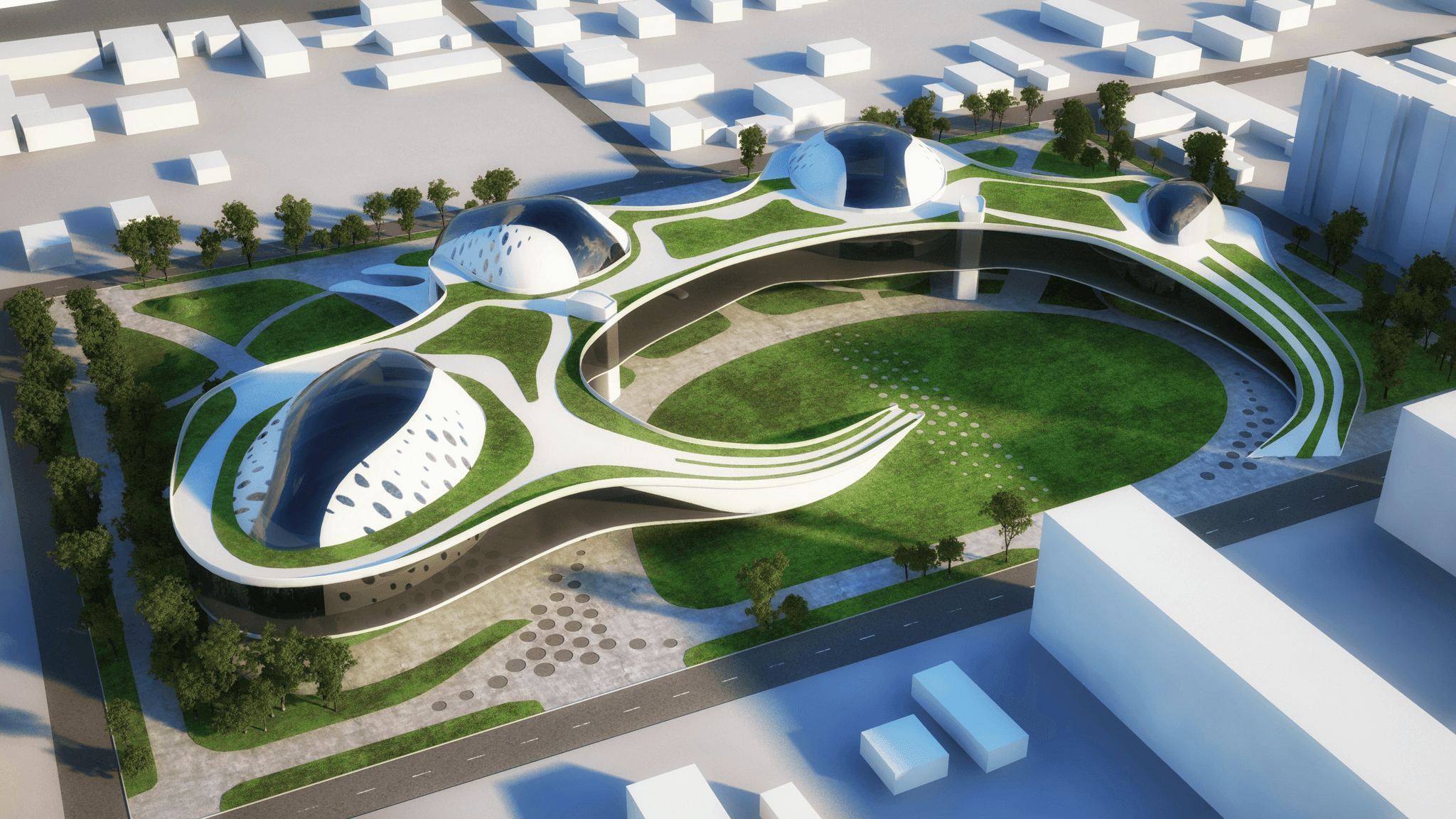
The modular construction industry is witnessing a renaissance, propelled by innovative techniques and technologies that are reshaping the way we think about building. As modular structures become more mainstream, recent breakthroughs are enhancing efficiency, sustainability, and adaptability in design. Companies like PreFab Inc. are at the forefront of these advancements, leading the charge toward a future where modular construction is the norm rather than the exception.
Prefabrication Techniques and Their Impact
Prefabrication techniques have dramatically transformed how modular structures are conceived and constructed. By assembling components off-site in controlled environments, builders can ensure higher quality control while significantly reducing construction time on-site. This not only leads to cost savings but also minimizes disruption to surrounding communities—a win-win for everyone involved.
Moreover, these techniques allow for greater design flexibility within modular structures. Builders can easily customize elements to meet specific needs or preferences, making it easier to integrate unique architectural features without sacrificing efficiency or speed. As companies like PreFab Inc. continue to refine these methods, expect even more innovative prefabrication solutions that push the boundaries of what modular construction can achieve.
Advances in Materials Efficiency
The push for materials efficiency has led to significant breakthroughs in how we approach modular structures today. New materials are being developed that not only reduce waste but also enhance durability and performance—think lightweight composites that stand up against harsh weather conditions while using fewer resources during production. This focus on sustainability means that each modular structure can be built with a smaller carbon footprint.
Additionally, recycling initiatives within the industry have gained momentum; using reclaimed materials is becoming commonplace in new builds. These efforts align perfectly with global sustainability goals and demonstrate how forward-thinking companies like PreFab Inc. are committed to minimizing environmental impact while delivering high-quality modular solutions.
Smart Technology Integration in Designs
Smart technology integration is revolutionizing how we interact with our living spaces within modular structures. From IoT-enabled devices that allow homeowners to control lighting and heating remotely to advanced energy management systems that optimize resource use—technology is making modern living more convenient and efficient than ever before. This trend is particularly appealing for urban developers looking to create smart cities where every square foot counts.
Furthermore, incorporating smart technologies into designs enhances the overall functionality of modular buildings, making them more adaptable over time as needs change or evolve within communities. With companies like PreFab Inc., embracing this tech-savvy approach ensures their projects remain relevant today while being prepared for tomorrow's challenges in urban planning and housing demands.
Top Companies Leading Modular Trends
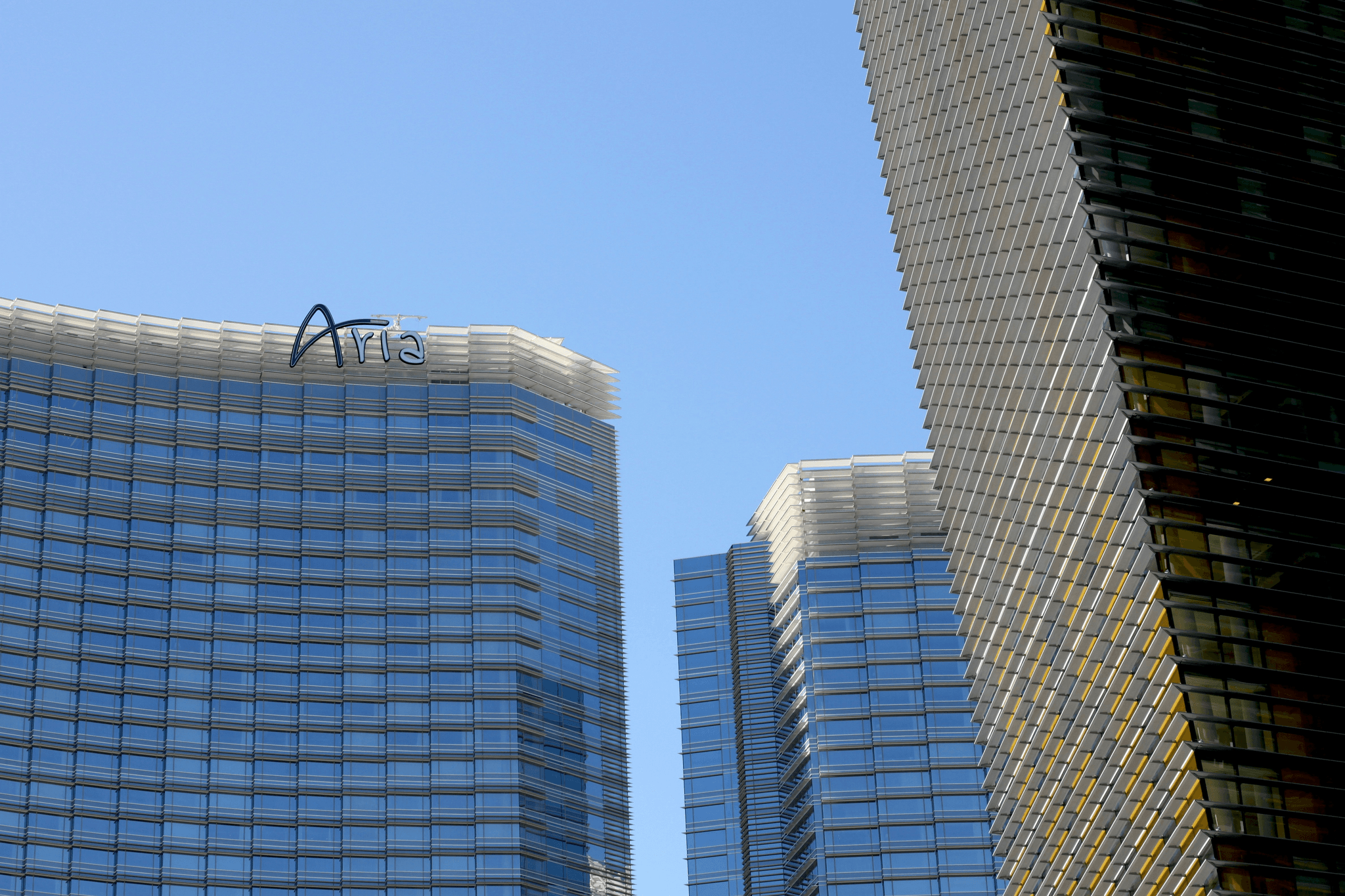
In the evolving landscape of modular construction, several companies stand out for their innovative approaches and commitment to sustainability. These industry leaders are not just reshaping how we think about modular structures; they are setting the stage for a future where efficiency and eco-friendliness go hand in hand. Let's delve into the vision of PreFab Inc., explore Katerra's notable projects, and examine Skender's role in driving modular growth.
Meet PreFab Inc. and Its Vision
PreFab Inc. is at the forefront of the modular structure revolution, with a mission to redefine traditional building methods through cutting-edge designs and sustainable practices. Their vision revolves around creating adaptable spaces that meet diverse needs while minimizing environmental impact. By leveraging advanced prefabrication techniques, PreFab Inc. aims to streamline construction processes, reduce waste, and promote energy efficiency—all essential elements in today's architectural landscape.
The company's commitment to innovation is reflected in its use of smart technology integration within modular structures, allowing for seamless connectivity and functionality in modern living spaces. With a focus on collaboration with architects and designers, PreFab Inc. ensures that each project is tailored to meet specific community needs while adhering to high sustainability standards. As they continue to push boundaries in modular design, PreFab Inc.'s influence on the industry cannot be overstated.
Notable Projects by Katerra
Katerra has made waves in the modular construction sector with its ambitious projects that exemplify modern design principles combined with efficient building practices. One standout project is their multi-family housing development that utilizes precast concrete panels—showcasing how modular structures can be both aesthetically pleasing and highly functional. By employing advanced prefabrication techniques, Katerra has significantly reduced construction times while increasing quality control throughout the building process.
Another remarkable initiative by Katerra focuses on educational facilities designed using sustainable materials that promote energy efficiency without compromising style or comfort for students and educators alike. Their ability to integrate smart technology into these environments enhances learning experiences while fostering community engagement through thoughtfully designed spaces. Katerra’s pioneering efforts demonstrate how innovative thinking can lead to transformative outcomes within the realm of modular construction.
The Role of Skender in Modular Growth
Skender is carving out its niche as a key player in the expansion of modular structures across various sectors, from residential buildings to commercial developments. Their approach emphasizes collaboration among stakeholders—from architects to contractors—to create cohesive designs that meet both aesthetic desires and functional requirements efficiently. Skender’s dedication to utilizing sustainable materials further aligns with contemporary demands for eco-friendly solutions in construction.
One notable initiative includes their work on healthcare facilities using off-site manufacturing techniques that enhance patient care environments while reducing build time significantly—a critical factor during urgent healthcare expansions or renovations. By focusing on precision engineering within their projects, Skender exemplifies how embracing technological advancements can lead not only to faster completion but also improved overall quality of life for end-users residing within these innovative spaces.
As we look toward a future shaped by these leading companies—PreFab Inc., Katerra, and Skender—it’s clear that they are pivotal players driving forward-thinking concepts in modular design while prioritizing sustainability at every turn.
Eco-Friendly Modular Solutions
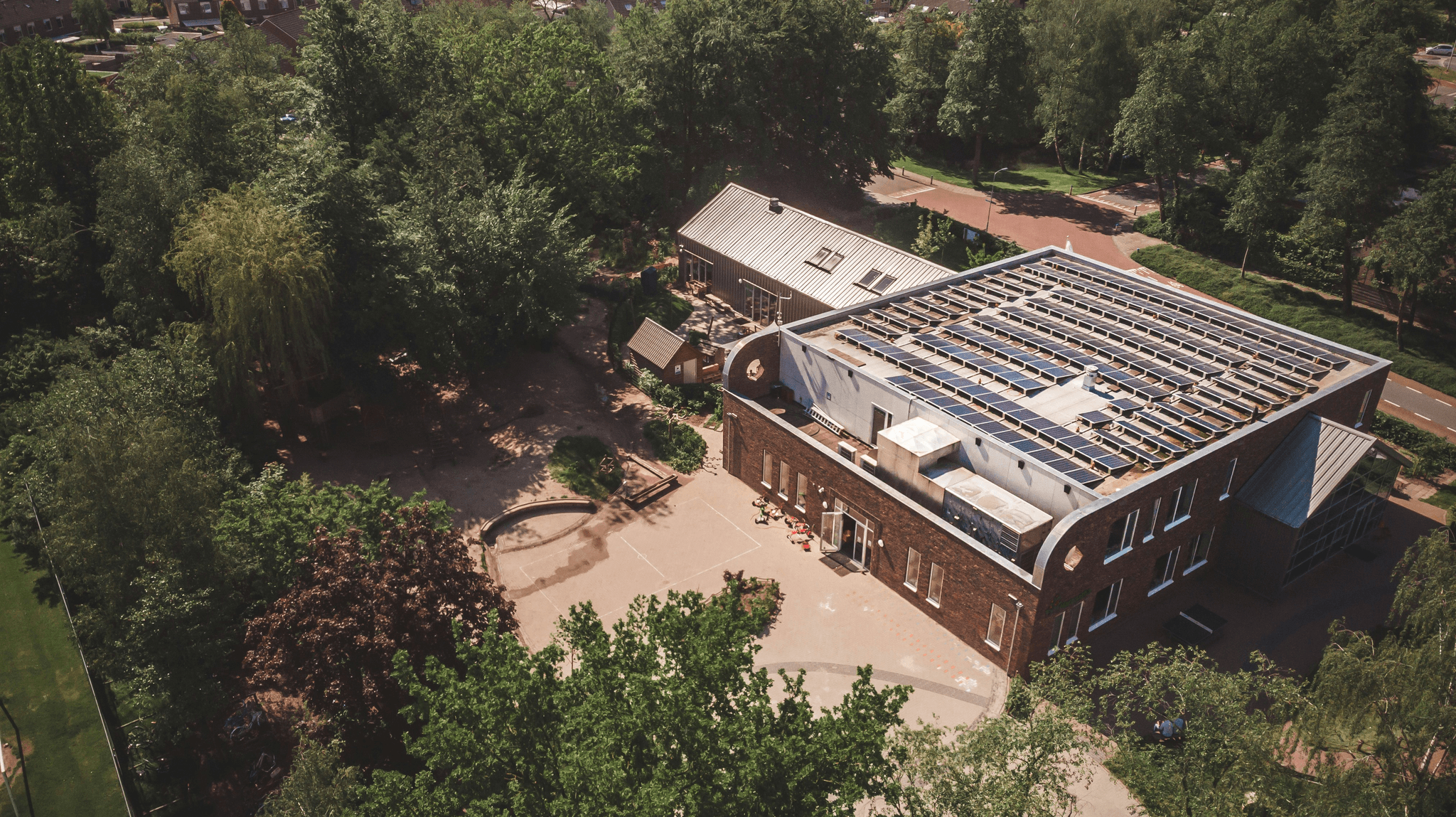
In recent years, the construction industry has been undergoing a significant transformation, with eco-friendly modular solutions leading the charge. These innovative designs not only prioritize sustainability but also enhance the efficiency of building processes. Companies like PreFab Inc. are at the forefront, championing green practices that redefine how we think about modular structures.
Green Building Practices in Modular Design
Green building practices in modular design focus on utilizing sustainable materials and minimizing environmental impact throughout the construction process. This includes sourcing renewable resources and implementing efficient waste management strategies during fabrication. By adopting these practices, modular structures can be constructed with a lower carbon footprint, making them an attractive option for environmentally conscious developers.
Moreover, green certifications such as LEED (Leadership in Energy and Environmental Design) are becoming increasingly common among modular projects. PreFab Inc., for instance, actively seeks to achieve these certifications by ensuring that their modular structures meet stringent environmental standards. The result is not just a building but a commitment to creating spaces that harmonize with nature.
Energy Efficiency and Waste Reduction
Energy efficiency is a cornerstone of eco-friendly modular solutions, as these buildings often incorporate advanced technologies designed to reduce energy consumption significantly. Features such as high-performance insulation and energy-efficient windows play crucial roles in minimizing heating and cooling demands within modular structures. This translates into lower utility bills for occupants while contributing positively to the environment.
Waste reduction is another vital aspect of sustainable modular design; prefabrication allows for precise material use, resulting in less scrap compared to traditional construction methods. By streamlining production processes, companies like PreFab Inc. can ensure that nearly every piece of material is utilized effectively—often recycling leftover components into new projects or products. This commitment not only conserves resources but also reduces landfill contributions significantly.
Case Studies of Sustainable Modular Projects
Examining successful case studies provides insight into how eco-friendly modular solutions are making waves across various sectors. One notable example is a residential project developed by Katerra that employed sustainable materials and green technologies to create an energy-efficient housing complex in California's Bay Area. The project achieved remarkable results by integrating solar panels and rainwater harvesting systems within its innovative modular structure.
Another impressive case study involves Skender's collaboration with local governments to create affordable housing units using eco-friendly practices and materials sourced from within 500 miles of the site—supporting local economies while reducing transportation emissions associated with construction materials. These examples illustrate how sustainable approaches can be effectively implemented within the realm of modular structures.
In conclusion, as we move towards a more sustainable future, embracing eco-friendly solutions in modular design will be essential for both urban development and environmental stewardship alike.
Regulatory Changes Shaping the Industry
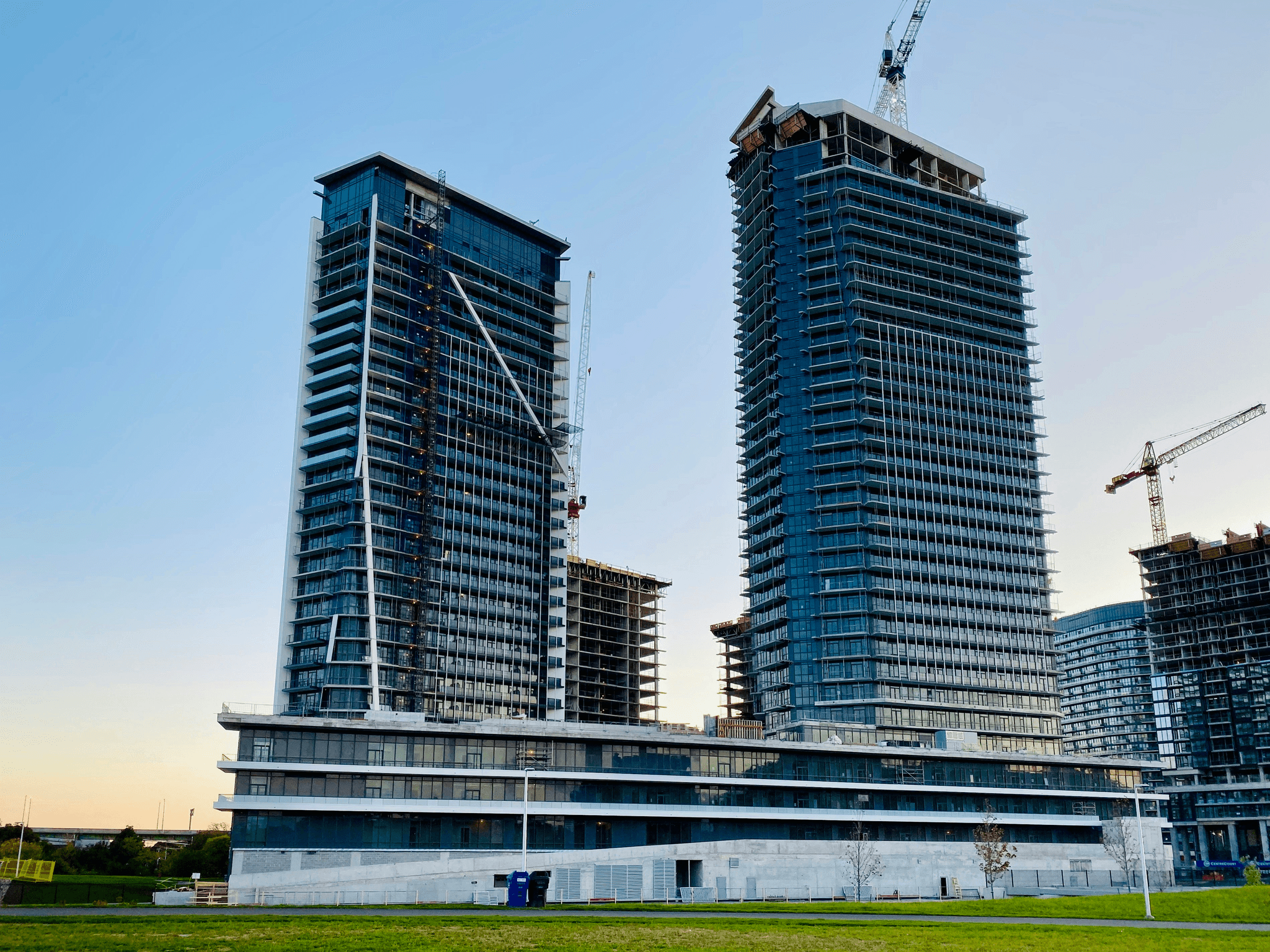
The modular construction industry is experiencing significant transformations, primarily driven by evolving regulatory frameworks. As cities and states recognize the potential of modular structures to address housing shortages and promote sustainability, they are adjusting their regulations accordingly. This shift not only facilitates the growth of companies like PreFab Inc. but also enhances public acceptance of these innovative building methods.
Understanding Zoning Laws for Modular Structures
Zoning laws are crucial in determining where modular structures can be built, influencing everything from residential developments to commercial projects. Many jurisdictions are beginning to adapt their zoning regulations to accommodate the unique characteristics of modular construction, allowing for increased flexibility in design and placement. For instance, areas that once restricted prefabricated homes are now opening up, paving the way for a new era of urban development.
Understanding these zoning laws is essential for companies like PreFab Inc., as they navigate local regulations while planning new projects. By collaborating with local governments and community stakeholders, they can help shape policies that support sustainable modular solutions. Ultimately, this collaborative approach fosters a more inclusive environment for innovative construction methods.
Building Codes and Their Adaptation
Building codes have historically posed challenges for modular structures due to their distinct assembly techniques and materials used in construction. However, recent advancements have led to a reevaluation of these codes, ensuring they accommodate the unique aspects of modular designs without compromising safety or quality standards. This adaptation is vital as it allows manufacturers like PreFab Inc. to streamline their processes while adhering to necessary regulations.
Moreover, updated building codes often encourage energy efficiency and sustainability practices within modular structures, aligning with broader environmental goals. By incorporating cutting-edge technologies and materials into their designs, companies can meet or exceed these revised standards while contributing positively to urban landscapes. The ongoing evolution of building codes reflects a growing recognition of the benefits that modular construction brings to both developers and communities alike.
The Impact of Government Initiatives
Government initiatives play a pivotal role in shaping the future landscape of modular construction by providing incentives and support for sustainable practices. Programs aimed at promoting affordable housing often include provisions specifically designed for modular structures due to their cost-effectiveness and quicker build times compared to traditional methods. These initiatives not only stimulate growth within the industry but also enhance public trust in innovative housing solutions offered by firms like PreFab Inc.
Additionally, government funding can facilitate research into new technologies that improve efficiency within modular design processes while ensuring compliance with evolving regulatory requirements. As municipalities invest in infrastructure improvements that support modular developments—such as transportation access—these initiatives further bolster collaboration between city planners and private sector innovators focused on creating eco-friendly living spaces through smart designs.
The Future of Modular Structures in Urban Areas
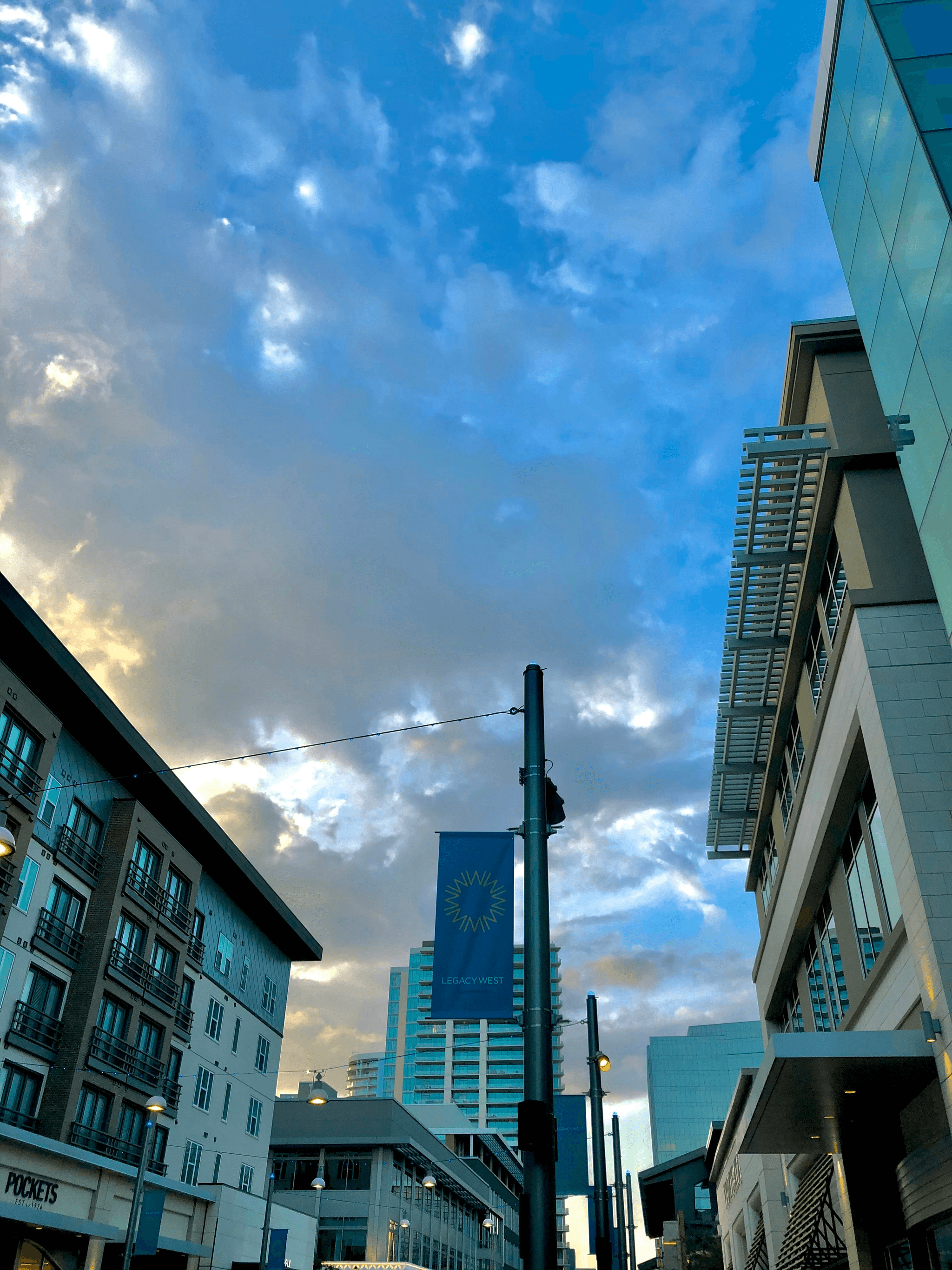
As urban areas continue to grow and evolve, modular structures are emerging as a viable solution to the challenges of urban densification. With limited land availability and increasing population density, cities are turning to innovative modular designs that can be quickly deployed to meet housing demands. PreFab Inc. is at the forefront of this movement, showcasing how modular structures can reshape cityscapes while addressing pressing social needs.
Urban Densification and Modular Solutions
Urban densification is no longer just a buzzword; it’s a reality that cities must navigate carefully. Modular structures offer an efficient response by allowing for rapid construction without compromising on quality or aesthetics. This technique enables developers to maximize space in crowded environments, creating vibrant communities where people can live, work, and play—all within walking distance.
Moreover, modular solutions can be tailored to fit various urban settings, from high-rise apartments to mixed-use developments. With their ability to stack and integrate into existing infrastructures seamlessly, these structures are revolutionizing how we think about city planning. As more municipalities embrace this trend, we can expect a surge in innovative designs that reflect the character and needs of urban populations.
Modular Housing for Affordability
One of the most pressing issues facing urban areas today is affordable housing—a challenge that modular structures are uniquely positioned to address. By streamlining construction processes and reducing labor costs through prefabrication techniques, companies like PreFab Inc. are making it possible to deliver quality housing at lower prices. This affordability factor is crucial in cities where skyrocketing real estate prices often leave low- and middle-income families out in the cold.
Modular housing not only accelerates the construction timeline but also allows for flexible design options that cater to diverse community needs. Whether it’s compact units for singles or larger family homes, these adaptable structures provide solutions that traditional building methods struggle to match. In essence, modular housing could be the key ingredient in creating more inclusive urban environments.
Collaborations Between Cities and Modular Firms
The future success of modular structures hinges on effective collaborations between municipal governments and innovative firms like PreFab Inc. By working together, they can navigate regulatory hurdles while ensuring that new developments align with community goals and sustainability initiatives. These partnerships pave the way for pilot projects that showcase the benefits of modular solutions—ultimately leading cities toward embracing this transformative approach.
Additionally, such collaborations foster knowledge sharing between public entities and private companies regarding best practices in sustainable design and construction techniques. This synergy not only enhances project outcomes but also cultivates a culture of innovation within local governments eager to keep pace with evolving trends in architecture and urban planning. As we look ahead, these alliances will be instrumental in shaping resilient cities equipped for future challenges.
Conclusion

The modular structure revolution is not just a trend; it's a transformative movement reshaping the way we think about construction and urban living. As we have explored, embracing innovation in modular designs is essential for meeting the demands of modern society. Companies like PreFab Inc. are at the forefront of this change, proving that creativity and efficiency can coexist harmoniously in the world of construction.
Embracing Innovation in Modular Designs
Innovation is the heartbeat of modular structures, driving advancements that redefine traditional building methods. With technologies such as 3D printing and advanced prefabrication techniques, designers are pushing boundaries to create efficient, aesthetically pleasing spaces faster than ever before. PreFab Inc., for instance, exemplifies how innovative thinking can lead to remarkable solutions that cater to both functionality and style.
The Importance of Sustainability
Sustainability is no longer an optional add-on; it’s a necessity in today’s construction landscape. Modular structures inherently promote eco-friendly practices by minimizing waste during production and maximizing energy efficiency once built. By focusing on sustainable materials and processes, companies like PreFab Inc. are leading the charge toward greener buildings that benefit both occupants and the planet.
Preparing for a Modular Future
As we look ahead, preparing for a future dominated by modular structures means understanding their potential impact on urban development and housing affordability. The integration of smart technologies within these designs will further enhance livability while addressing pressing issues like overcrowding in cities. With collaborations between municipalities and innovative firms like PreFab Inc., we can envision communities that thrive through sustainable, efficient modular solutions.