

Introduction
The world of housing is evolving, and modular build houses are at the forefront of this transformation. These innovative structures are not just a passing trend; they represent a significant shift in how we think about home construction and affordability. With the rise of prefabricated housing, many are left wondering: can these homes truly provide a cost-effective solution without compromising quality?
Understanding Modular Build Houses
Modular build houses are designed off-site in controlled environments before being transported to their final location for assembly. This method allows for precision engineering and often results in higher quality than traditional construction methods. By understanding what modular homes entail, potential homeowners can better appreciate their unique advantages and features.
The Rise of Prefabricated Housing
In recent years, prefabricated housing has gained traction as an appealing alternative to conventional homes, largely due to its efficiency and speed of construction. Companies like PreFab Inc. have made it their mission to revolutionize the housing market by offering stylish, customizable options that cater to modern lifestyles. As more people seek sustainable living solutions, the popularity of modular build houses continues to soar.
Are They Really Affordable?
Affordability is often a primary concern when considering any type of home purchase, and modular build houses are no exception. While initial costs may vary based on design choices and location, many find that these homes offer long-term financial benefits that traditional builds simply cannot match. So, are they really affordable? The answer lies in understanding both the upfront expenses and potential savings over time.
The Concept of Modular Build Houses
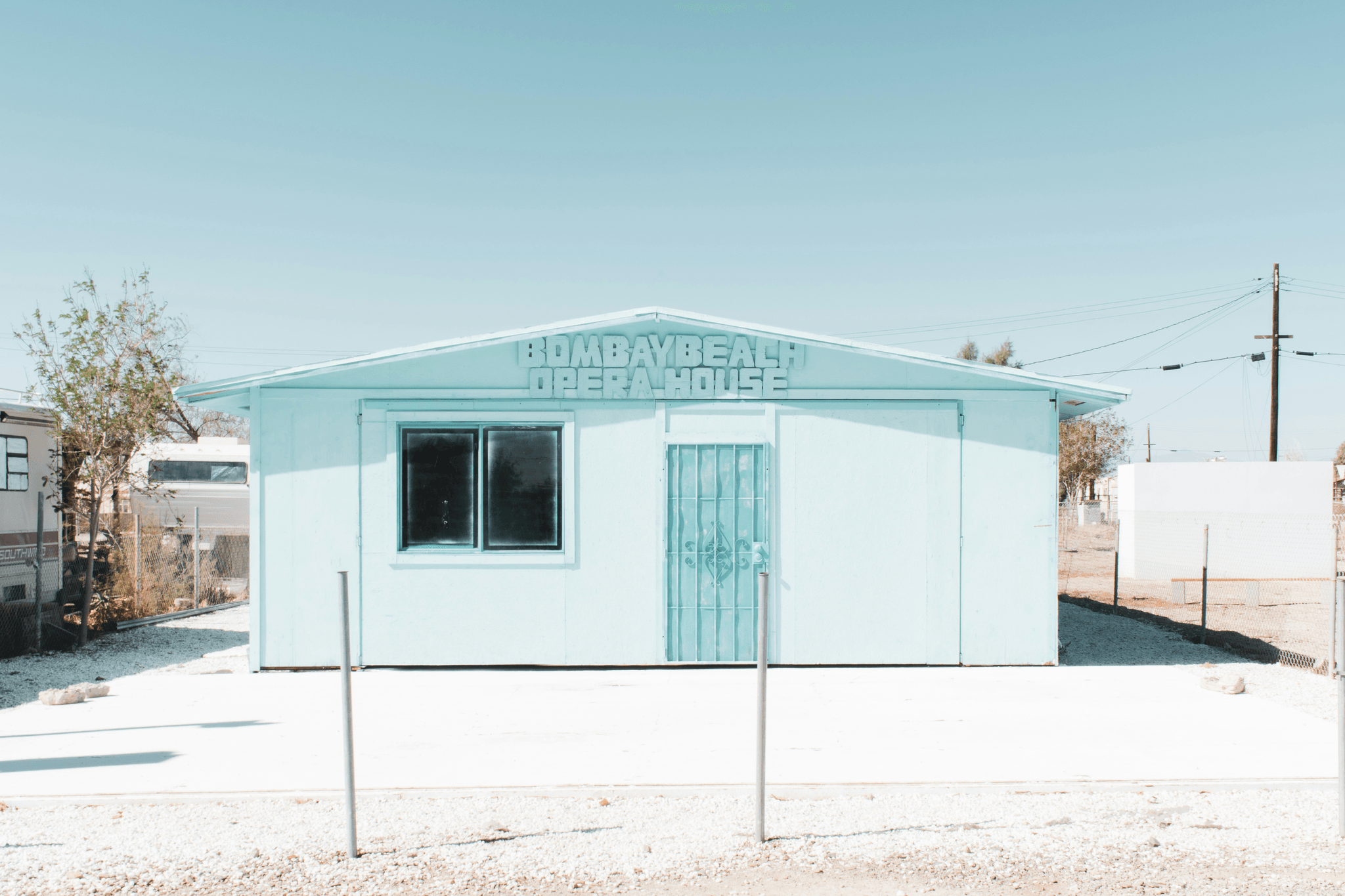
Modular build houses are revolutionizing the way we think about home construction. These homes are prefabricated in sections or modules in a factory setting, then transported to the building site for assembly. This innovative method is not just a trend; it’s reshaping the landscape of affordable housing.
Definition and Features of Modular Homes
Modular homes are constructed off-site in controlled environments, allowing for precision and efficiency that traditional building methods often lack. Each module is built using high-quality materials, ensuring that modular build houses can withstand the test of time while meeting local building codes. One key feature is their flexibility in design; homeowners can customize layouts and finishes to suit their personal tastes without significantly increasing costs.
Benefits of Choosing Modular Construction
Choosing modular construction comes with a plethora of benefits that make it an appealing option for many homebuyers. For starters, these homes can be built faster than traditional houses, often cutting down construction time by 30% or more. Additionally, modular build houses typically offer better energy efficiency due to modern insulation techniques and materials, leading to lower utility bills over time—who doesn’t love saving money?
Comparing with Traditional Building Methods
When comparing modular build houses to traditional building methods, several differences come into play that highlight the advantages of going modular. Traditional homes often face delays due to weather conditions and labor shortages, whereas modular homes are less susceptible to such issues since they are constructed indoors at a factory. Moreover, while conventional builds might leave room for cost overruns and unexpected expenses, modular construction usually sticks closer to budget estimates—thanks in part to PreFab Inc.'s commitment to transparency in pricing.
Cost Analysis of Modular Build Houses
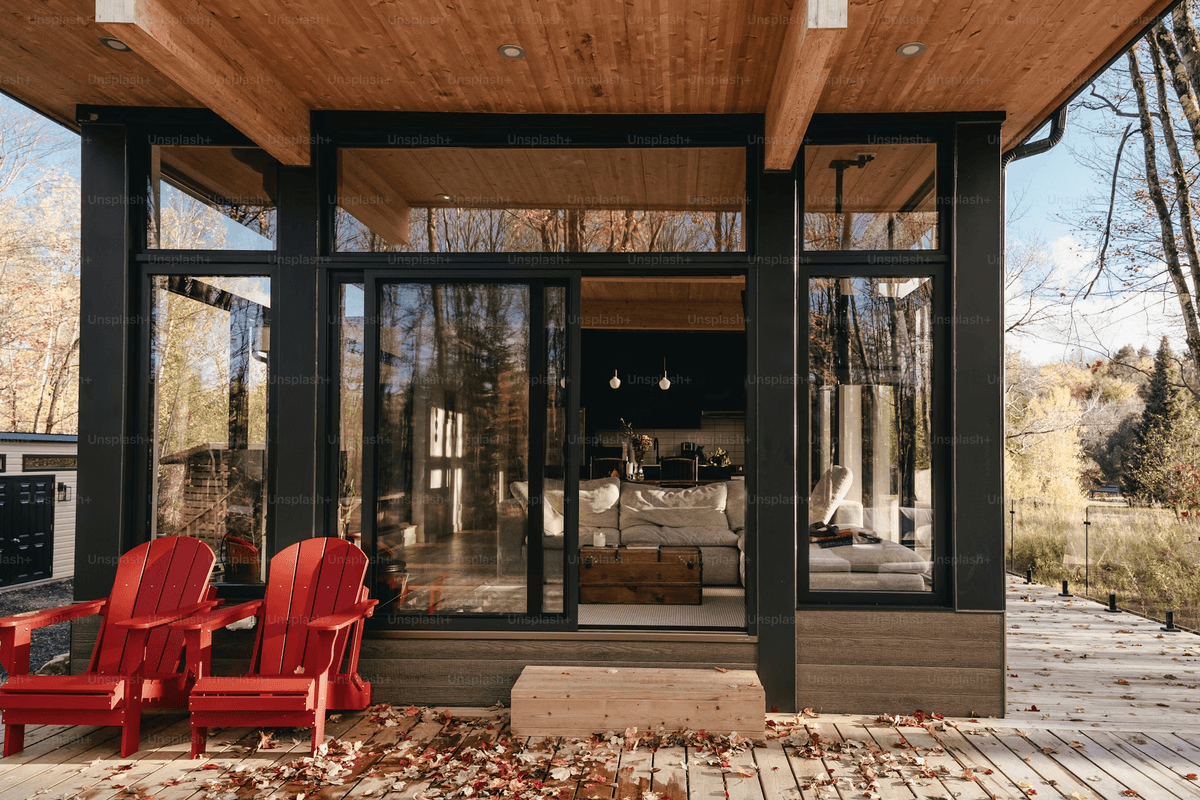
When considering modular build houses, understanding the cost structure is paramount. These homes often present a different financial landscape compared to traditional construction, making it essential to break down both initial and long-term expenses. With companies like PreFab Inc. leading the charge in affordability and efficiency, prospective homeowners can find significant value in modular options.
Breaking Down Initial Costs
The initial costs of modular build houses can be surprisingly straightforward when you know what to look for. Typically, these homes come with a base price that includes manufacturing, transportation, and assembly on-site, which can be less than traditional builds due to reduced labor costs. However, potential buyers should also budget for land acquisition and site preparation since these factors can significantly impact the total upfront investment.
Moreover, while the sticker price may seem lower at first glance, it's crucial to factor in additional elements such as permits and utility hook-ups that are often overlooked. PreFab Inc.'s expertise helps streamline this process by providing clear estimates and guidance throughout your journey toward homeownership. So while modular build houses might appear economical from the get-go, do your homework to ensure you’re fully prepared for all associated costs.
Long-Term Financial Benefits
Investing in modular build houses isn't just about immediate savings; it's also about long-term financial gains that can make a real difference over time. For starters, these homes typically boast superior energy efficiency due to their modern construction techniques and materials—leading to lower utility bills month after month. This energy efficiency translates into significant savings over the lifespan of your home compared to traditional builds.
Additionally, many modular homes appreciate in value just as well as their site-built counterparts—if not better—thanks to their quality construction standards enforced by companies like PreFab Inc. As neighborhoods evolve and demand for affordable housing increases, owning a modular home could mean a more substantial return on investment when it comes time to sell or refinance your property. Long-term financial benefits make choosing modular build houses not just an affordable option today but a smart move for tomorrow.
Hidden Costs to Watch Out For
While modular build houses offer numerous advantages, there are hidden costs that potential homeowners should keep on their radar before diving into this exciting venture. One common oversight is the cost of customization; while many manufacturers provide standard layouts at competitive prices, unique features or upgrades can quickly inflate your budget beyond expectations if you're not careful with planning.
Another often-missed expense involves land preparation; clearing trees or grading land may require hiring professionals which adds up quickly if not factored into your overall budget from the start. Lastly, don’t forget about ongoing maintenance costs which can differ from traditional homes based on materials used—make sure you understand what upkeep will look like down the line with your chosen design from PreFab Inc., so there are no surprises waiting around the corner.
Quality and Sustainability Factors
When considering modular build houses, quality and sustainability are paramount. These homes are designed not only for efficiency but also to minimize environmental impact. As the demand for eco-friendly living increases, manufacturers like PreFab Inc. are leading the charge in sustainable construction practices.
Materials Used in Modular Construction
The materials used in modular build houses can significantly influence both their durability and sustainability. Typically, these homes utilize high-quality, engineered materials that are often more robust than traditional building materials. PreFab Inc. focuses on sourcing sustainable products such as recycled steel, bamboo flooring, and low-VOC paints to ensure a healthier living environment.
Moreover, modular construction allows for better control over material waste during the building process because components are manufactured in a factory setting rather than on-site. This precision not only enhances quality but also reduces the overall carbon footprint associated with traditional home building methods. Choosing modular build houses means opting for a home that stands the test of time while being kinder to our planet.
Energy Efficiency and Savings
Energy efficiency is one of the hallmarks of modern modular build houses, which often feature advanced insulation techniques and energy-efficient appliances as standard offerings. Homeowners can enjoy lower utility bills thanks to these features, making it easier to budget for long-term savings without sacrificing comfort or style. PreFab Inc.'s designs integrate smart technology options that further enhance energy conservation.
Additionally, many modular homes come equipped with solar panels or other renewable energy sources that can drastically reduce reliance on non-renewable resources over time. This commitment to energy efficiency not only benefits homeowners financially but also contributes positively to the environment by reducing greenhouse gas emissions associated with traditional energy consumption methods. With proper planning, investing in a modular build house can lead to significant savings over its lifespan.
Environmental Impact of Modular Homes
The environmental impact of modular build houses is notably less than that of conventional homes due to their efficient manufacturing processes and reduced waste generation during construction. By utilizing prefabricated components made from sustainable materials, these homes can be built with a smaller carbon footprint while still maintaining high standards of quality and durability. Companies like PreFab Inc., committed to sustainability initiatives, ensure that their production methods align with eco-friendly practices.
Furthermore, many modular homes are designed with features aimed at minimizing water usage and enhancing indoor air quality—factors that contribute positively both at home and within local ecosystems. The ability to quickly assemble these structures also means less disruption to surrounding natural habitats compared to traditional site-built homes where extensive land clearing is often required. When you choose a modular build house from a forward-thinking company like PreFab Inc., you're making an environmentally conscious decision that's good for both you and the planet.
Financing Options for Modular Build Houses
Navigating the financial landscape of modular build houses can feel like a daunting task, but fear not! With a variety of financing options available, you can find the perfect fit for your budget and lifestyle. Whether you're considering traditional mortgages or specialized loans, understanding your choices will empower you to make informed decisions.
Traditional Mortgages vs. Specialized Loans
When it comes to financing modular build houses, traditional mortgages can be a common starting point. However, many lenders may not fully understand the nuances of modular homes, which is where specialized loans come into play. These loans are designed specifically for modular construction and often offer more favorable terms tailored to your unique situation.
Specialized loans might include options like FHA Title I loans or VA loans if you're eligible, providing flexibility that traditional mortgages may lack. It’s crucial to shop around and consult with lenders who are familiar with modular build houses to ensure you’re getting the best deal possible. PreFab Inc. can help connect you with resources that simplify this process and guide you toward financing solutions that suit your needs.
Grants and Incentives for Modular Housing
Another exciting avenue for financing modular build houses is through various grants and incentives available at local, state, or federal levels. Many governments recognize the benefits of affordable housing solutions like modular homes and have established programs aimed at promoting their development. These grants can significantly reduce upfront costs, making your dream home more attainable than ever!
Incentives might also include tax credits or rebates for energy-efficient features commonly found in modern modular construction. By leveraging these financial aids alongside conventional funding methods, you can stretch your budget further while investing in sustainable living solutions offered by companies like PreFab Inc., known for their commitment to quality and innovation in the industry.
Budgeting for Your Modular Home
Budgeting effectively is essential when planning for your new modular build house; after all, no one wants unexpected costs sneaking up on them! Start by creating a detailed list of all potential expenses associated with purchasing land, site preparation, transportation fees, installation costs, and any necessary permits or inspections required in your area.
Don’t forget to account for interior finishes and landscaping—these elements can add up quickly! Keeping an eye on both initial investment costs as well as long-term maintenance expenses will help ensure that owning a modular home remains affordable throughout its lifespan.
By working closely with PreFab Inc., you'll gain insights into realistic budgeting strategies tailored specifically for modular build houses so you can confidently embark on this exciting journey.
Real-Life Examples and Case Studies

Modular build houses are transforming the way we think about homeownership, and real-life examples showcase their potential. From families finding their dream homes to communities revitalized by innovative designs, the success stories surrounding modular homes are numerous. This section dives into inspiring tales of modular homeowners, the impact of PreFab Inc. on neighborhoods, and a cost comparison between modular and traditional site-built homes.
Success Stories of Modular Homeowners
One compelling success story comes from a young couple in Colorado who turned to modular build houses when traditional options felt out of reach. They were able to customize their home layout, ensuring it fit their lifestyle perfectly while sticking to a budget that wouldn’t break the bank. With energy-efficient features included in their design, they not only saved money upfront but also enjoyed lower utility bills each month.
Another heartwarming tale involves a retired veteran who sought an affordable living solution after downsizing from his family home. He discovered that modular homes offered not just affordability but also accessibility features tailored for his needs. The transition was seamless, allowing him to live comfortably while enjoying a sense of community among other modular homeowners.
These stories highlight how modular build houses can cater to diverse needs and budgets while providing quality living spaces that foster happiness and connection.
How PreFab Inc. Transformed Neighborhoods
PreFab Inc. has played a pivotal role in revitalizing neighborhoods through its innovative approach to modular construction. By partnering with local governments and organizations, they’ve transformed vacant lots into vibrant communities filled with modern modular homes that are both stylish and functional. This initiative not only provides affordable housing options but also brings new life into areas that had long been overlooked.
One notable project involved transforming a dilapidated section of town into a thriving neighborhood filled with sustainable modular build houses designed for families of all sizes. PreFab Inc.'s commitment to using eco-friendly materials ensured these homes were not only aesthetically pleasing but also environmentally responsible—setting an example for future developments across the country.
The impact is profound: increased property values, enhanced community cohesion, and improved quality of life for residents—all thanks to the transformative power of modular housing solutions developed by PreFab Inc.
Comparing Prices: Modular vs. Site-Built Homes
When it comes down to dollars and cents, comparing prices between modular build houses and traditional site-built homes reveals some eye-opening insights. On average, buyers can expect significant savings with modular construction due to reduced labor costs and shorter build times—often leading to an overall price reduction ranging from 10% to 20% compared to conventional methods.
Moreover, when factoring in long-term savings from energy efficiency—often built into these modern designs—the financial advantages continue even after moving in! Homeowners frequently report lower maintenance costs as well since many materials used in these structures are designed for durability against harsh weather conditions.
In conclusion, whether you're drawn by affordability or innovative design, choosing between modular build houses or site-built options becomes less about compromise and more about smart investment decisions for your future.
Conclusion
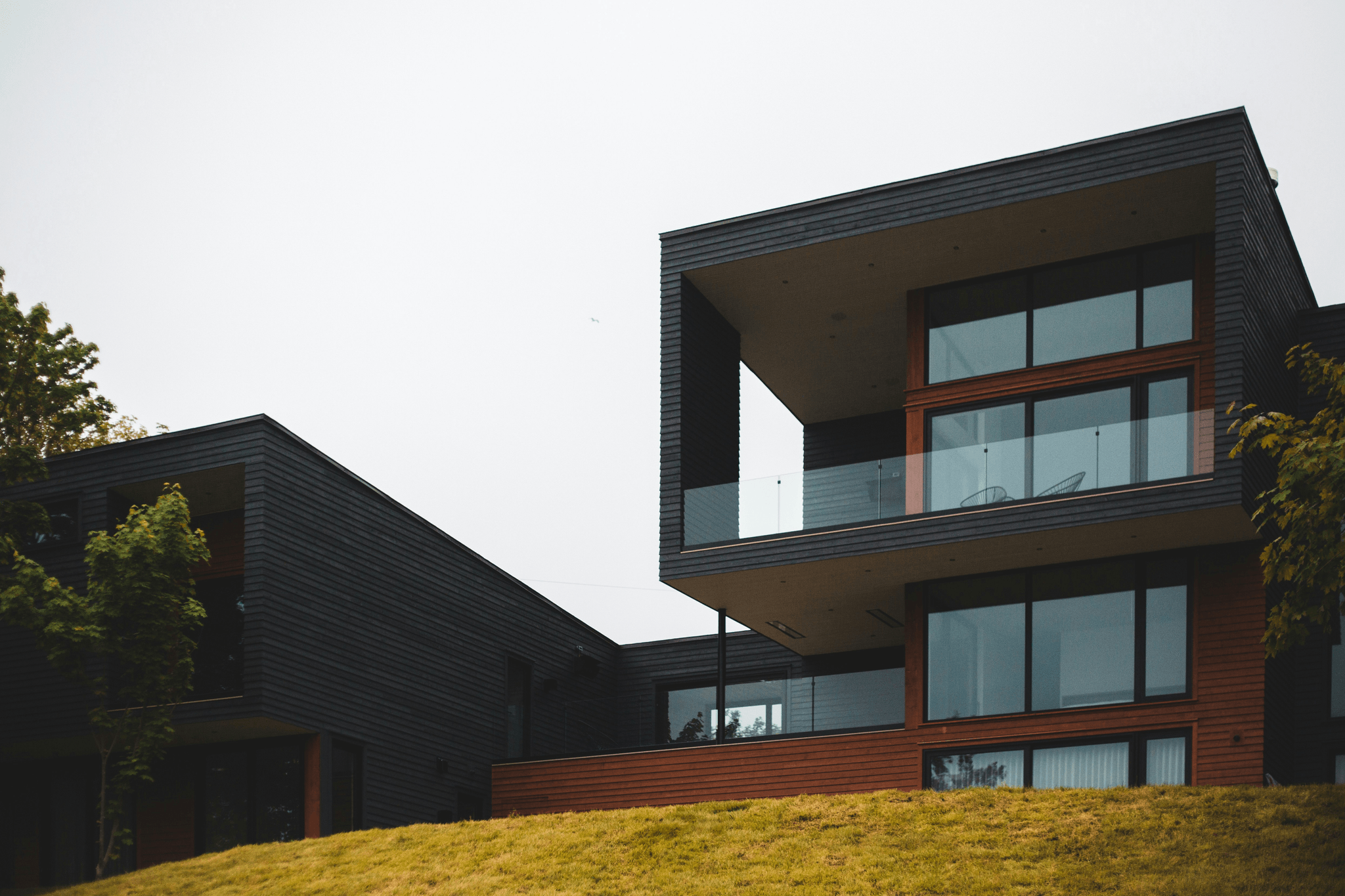
In the ever-evolving landscape of housing, modular build houses stand out as a compelling option for many potential homeowners. They offer a unique blend of affordability, efficiency, and sustainability that is hard to ignore. As we wrap up our exploration into this innovative housing solution, it's important to weigh both the pros and cons before making such a significant investment.
Weighing the Pros and Cons of Affordability
When considering modular build houses, affordability is often at the forefront of potential buyers' minds. On one hand, these homes typically come with lower initial costs compared to traditional site-built homes, which can be a game-changer for first-time buyers or those on a budget. However, it’s crucial to factor in potential hidden costs like land preparation and transportation fees that could impact overall affordability.
Moreover, while modular homes offer long-term savings through energy efficiency and reduced maintenance expenses, they may not always appreciate in value as quickly as conventional homes do. This can make financing options trickier down the line if you plan to sell your home in the future. Ultimately, understanding both sides will help you make an informed decision about whether modular build houses are right for you.
How to Get Started with Modular Housing
Getting started with your journey into modular housing is easier than you might think! First things first: research various manufacturers like PreFab Inc., which specializes in customizable designs that suit different budgets and styles. Once you've found a company that resonates with your vision for a modular build house, it’s time to explore financing options tailored specifically for this type of construction.
Next on your checklist should be securing land—whether you're looking at urban plots or rural expanses—and understanding local zoning laws that could affect where you can place your new home. After that comes design selection; collaborating with architects or designers can ensure your modular home meets both aesthetic preferences and functional needs while adhering to budget constraints.
The Future of Modular Build Houses in Real Estate
The future looks bright for modular build houses as they continue gaining traction in the real estate market. With increasing concerns about sustainability and affordable housing shortages worldwide, these prefabricated homes are becoming more appealing than ever before. Companies like PreFab Inc. are paving the way by innovating designs and materials that prioritize eco-friendliness without sacrificing style or comfort.
As technology advances further—think 3D printing and smart home integration—the possibilities for modular construction will expand exponentially. This could lead not only to more affordable housing solutions but also create communities built around modern living standards focused on energy efficiency and environmental responsibility. In conclusion, if you're considering investing in real estate today or tomorrow, keep an eye on how modular build houses are shaping our future!