

Introduction
The modular building industry is experiencing an unprecedented surge, revolutionizing the way we think about construction. This innovative approach not only streamlines the building process but also offers a plethora of benefits that are attracting attention from various sectors. With key players like PreFab Inc. at the helm, the future of modular construction looks brighter than ever.
The Rise of Modular Construction
In recent years, the modular building industry has gained momentum as a viable alternative to traditional construction methods. Factors such as increased urbanization, rising labor costs, and a growing demand for sustainable practices have fueled this rise. As builders and developers recognize the advantages of modular construction, more projects are being completed with efficiency and precision.
Benefits Fueling the Modular Building Boom
The benefits driving this boom in the modular building industry are numerous and compelling. From reduced construction time to lower overall costs, these advantages make modular solutions attractive to developers and investors alike. Additionally, innovations in design and materials ensure that buildings are not only functional but also aesthetically pleasing—something that companies like PreFab Inc. excel at delivering.
Key Players Shaping the Industry
As the modular building industry evolves, several key players are shaping its direction and future growth. Companies like PreFab Inc., with their focus on quality and sustainability, are leading the charge toward more efficient building practices. Their commitment to innovation is helping redefine standards within the industry while inspiring others to adopt similar approaches in their projects.
What is Modular Building?
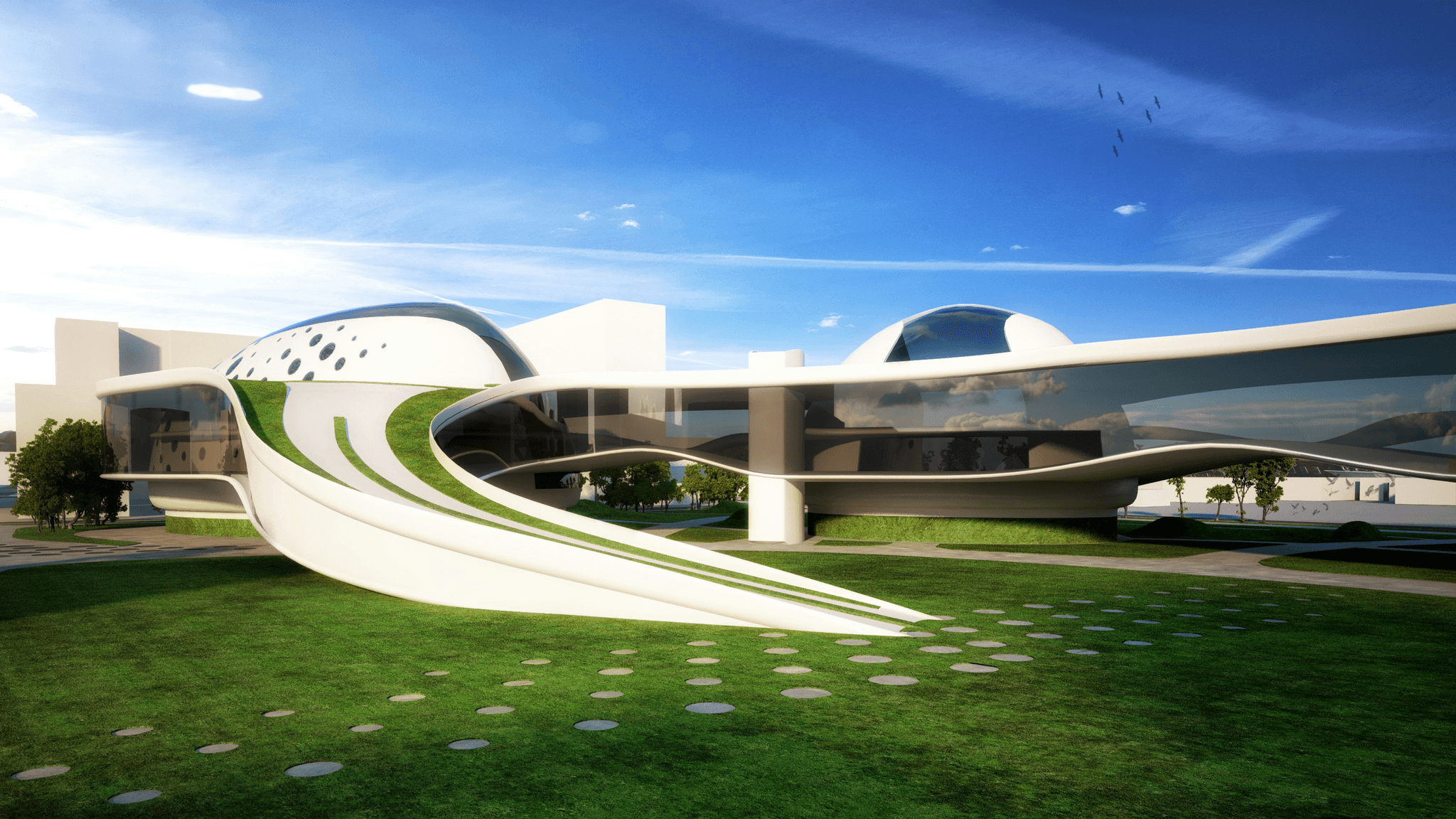
Modular building is rapidly changing the landscape of construction, offering a fresh perspective on how structures can be designed and assembled. This innovative approach involves the creation of prefabricated sections, or modules, that are constructed off-site and then transported to the final location for assembly. With its roots deeply embedded in the modular building industry, this method is not just a trend but a transformative shift in how we think about buildings.
Defining Modular Construction
At its core, modular construction refers to the process where buildings are made up of multiple pre-manufactured sections that are built in a factory setting before being delivered to their final destination. Each module is constructed to meet stringent quality standards and local building codes, ensuring durability and safety. PreFab Inc., a leader in the modular building industry, exemplifies this definition by producing high-quality modules that cater to various sectors including residential, commercial, and educational facilities.
Differences from Traditional Building
One of the most significant differences between modular construction and traditional building lies in the timeline of completion. While traditional methods can take months or even years due to weather delays and on-site complexities, modular projects can often be completed in a fraction of that time since much of the work occurs simultaneously rather than sequentially. Additionally, unlike conventional practices that rely heavily on labor-intensive processes at unpredictable sites, the modular building industry leverages factory settings which enhance efficiency and reduce waste.
Real-World Applications
The versatility of modular buildings has led to their application across various sectors such as healthcare, education, hospitality, and even emergency housing solutions during natural disasters. For instance, hospitals have utilized modular units for rapid expansion during crises like pandemics or emergencies—showcasing how adaptable this method can be when time is critical. Companies like PreFab Inc. have successfully delivered modular solutions ranging from temporary classrooms to permanent multi-family housing complexes—demonstrating that innovation in the modular building industry knows no bounds.
The Environmental Impact of Modular Buildings
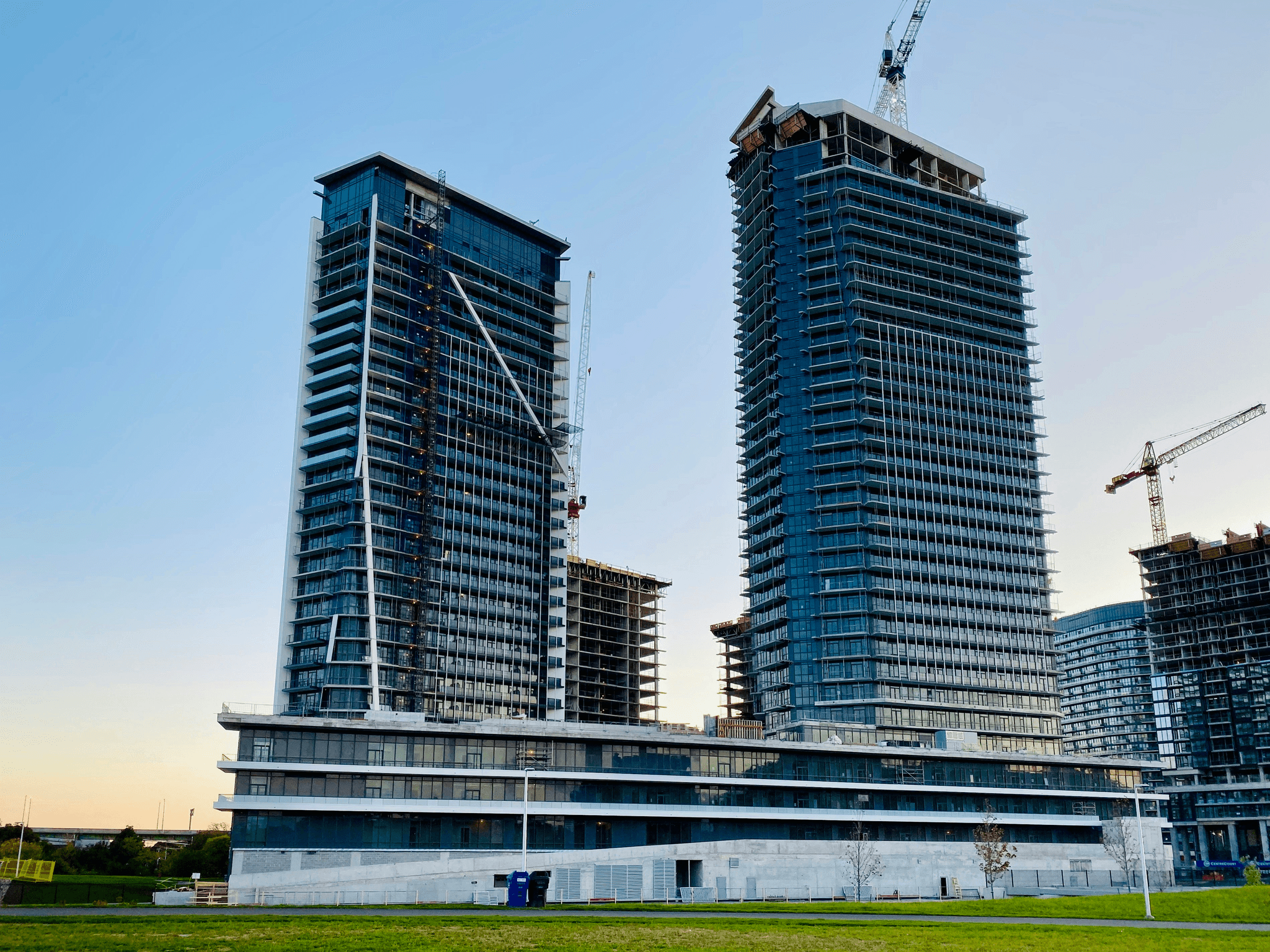
The modular building industry is making significant strides in addressing environmental concerns, and this is no small feat. With a growing emphasis on sustainability, modular construction techniques are being refined to minimize waste and energy consumption. As we delve into the environmental impact of these innovative structures, it’s clear that they are not just efficient but also eco-friendly.
Sustainability in Modular Design
Sustainability is at the core of modern modular design principles, transforming how buildings are conceived and constructed. The modular building industry emphasizes the use of renewable materials, which reduces reliance on non-renewable resources and lowers carbon footprints. Additionally, by creating components in a controlled factory setting, waste is significantly minimized compared to traditional construction methods that often lead to excess materials ending up in landfills.
Moreover, PreFab Inc. has been pivotal in promoting sustainable practices within the modular building industry by integrating green technologies into their designs. Their commitment to using recycled materials and low-impact manufacturing processes showcases how modular buildings can be both functional and environmentally responsible. By prioritizing sustainability, they set a benchmark for others in the industry to follow.
Energy Efficiency Innovations
Energy efficiency innovations are revolutionizing the way we think about energy consumption in buildings—especially within the modular building industry. Cutting-edge insulation techniques, energy-efficient windows, and smart technology integration contribute to lower energy usage over a structure's lifespan. This not only reduces operating costs for owners but also lessens overall environmental impact.
PreFab Inc., for instance, has embraced these advancements by incorporating solar panels and advanced HVAC systems into their modular designs. Their approach ensures that buildings are not only built quickly but also operate efficiently once completed—an essential consideration as we face increasing energy demands globally. The result? A new standard for what it means to build sustainably.
The Role of PreFab Inc. in Green Building
As a leader in the modular building industry, PreFab Inc.'s role extends beyond just constructing buildings; they’re pioneering green building practices that set them apart from conventional methods. Their innovative strategies include utilizing eco-friendly materials while ensuring that every aspect of their designs adheres to stringent sustainability guidelines. This commitment positions them as a trailblazer among other companies trying to navigate the complexities of environmentally conscious construction.
Furthermore, PreFab Inc.'s initiatives have inspired other players within the modular building industry to adopt similar sustainable practices—creating a ripple effect throughout the sector. By fostering collaboration with environmental organizations and investing in research for greener technologies, they’re not just constructing buildings; they’re shaping an entire movement towards eco-friendly construction solutions that will benefit future generations.
In conclusion, as we continue exploring how our built environment affects our planet's health, it's evident that companies like PreFab Inc., through their dedication to sustainability and innovation within the modular building industry, play an essential role in paving the way forward for greener living spaces.
Economic Advantages of Modular Construction
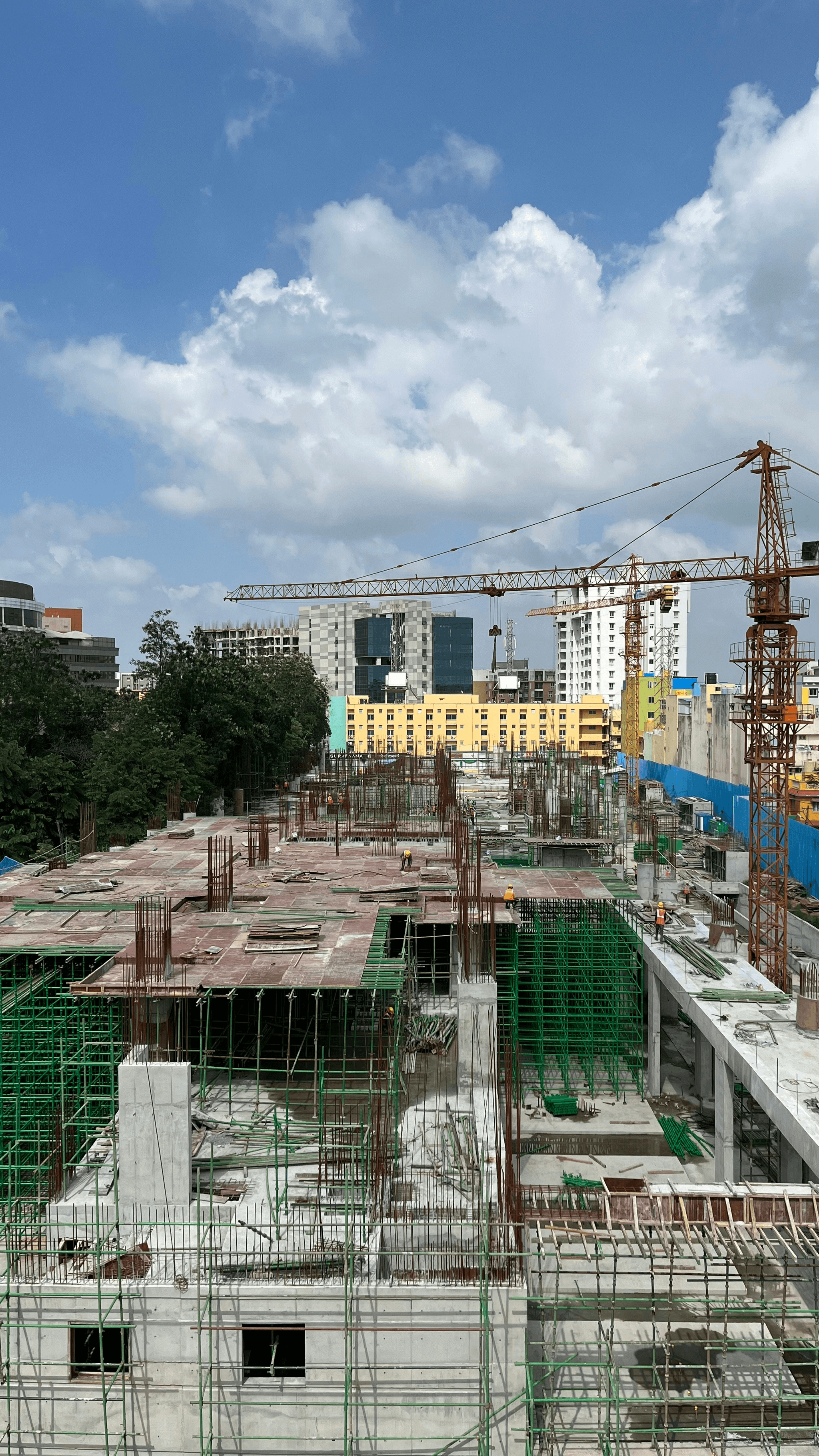
The modular building industry is rapidly gaining traction, and for good reason. This innovative approach to construction offers a plethora of economic advantages that traditional building methods simply can't match. From cost savings to expedited timelines, the benefits are clear and compelling.
Cost-Effectiveness in Projects
One of the standout features of the modular building industry is its cost-effectiveness. By utilizing prefabricated components, projects often see a reduction in labor costs and material waste, leading to significant savings. PreFab Inc., a key player in this space, has demonstrated that modular construction can deliver high-quality results without breaking the bank.
Moreover, the ability to purchase materials in bulk for multiple units can lead to further cost reductions. Traditional construction methods often involve unexpected expenses due to delays and inefficiencies; however, modular projects typically adhere more closely to budgetary constraints. This financial predictability makes it easier for developers and investors alike to plan their investments with confidence.
Speed of Build and Time Savings
Speed is another critical advantage offered by the modular building industry that cannot be overlooked. Since modules are constructed off-site simultaneously with site preparation, the overall project timeline shrinks significantly compared to conventional methods. For instance, PreFab Inc.'s innovative techniques allow for buildings to be erected in a fraction of the time it takes traditional builders.
This rapid turnaround not only minimizes downtime but also enables clients to start generating revenue sooner—an essential factor for commercial projects. The efficiency gained through modular construction means less time spent on-site dealing with weather delays or labor shortages that often plague traditional builds. In an age where time truly is money, this speed becomes a game-changer.
Case Studies of Successful Modular Projects
Numerous case studies highlight the economic benefits realized through successful ventures in the modular building industry. For example, a recent project by PreFab Inc., which involved constructing affordable housing units in record time, showcased how effective collaboration between design teams and skilled labor can yield impressive results at lower costs.
Another notable example comes from a commercial office space built using modular techniques that achieved completion six months ahead of schedule while staying well within budget constraints. These success stories illustrate not only how cost-effective modular construction can be but also how it fosters innovation within a competitive market landscape.
As we continue exploring these economic advantages, it's clear that embracing solutions from companies like PreFab Inc.—and understanding their impact on the broader modular building industry—will shape our future approach to construction.
Technology Transforming the Modular Building Industry
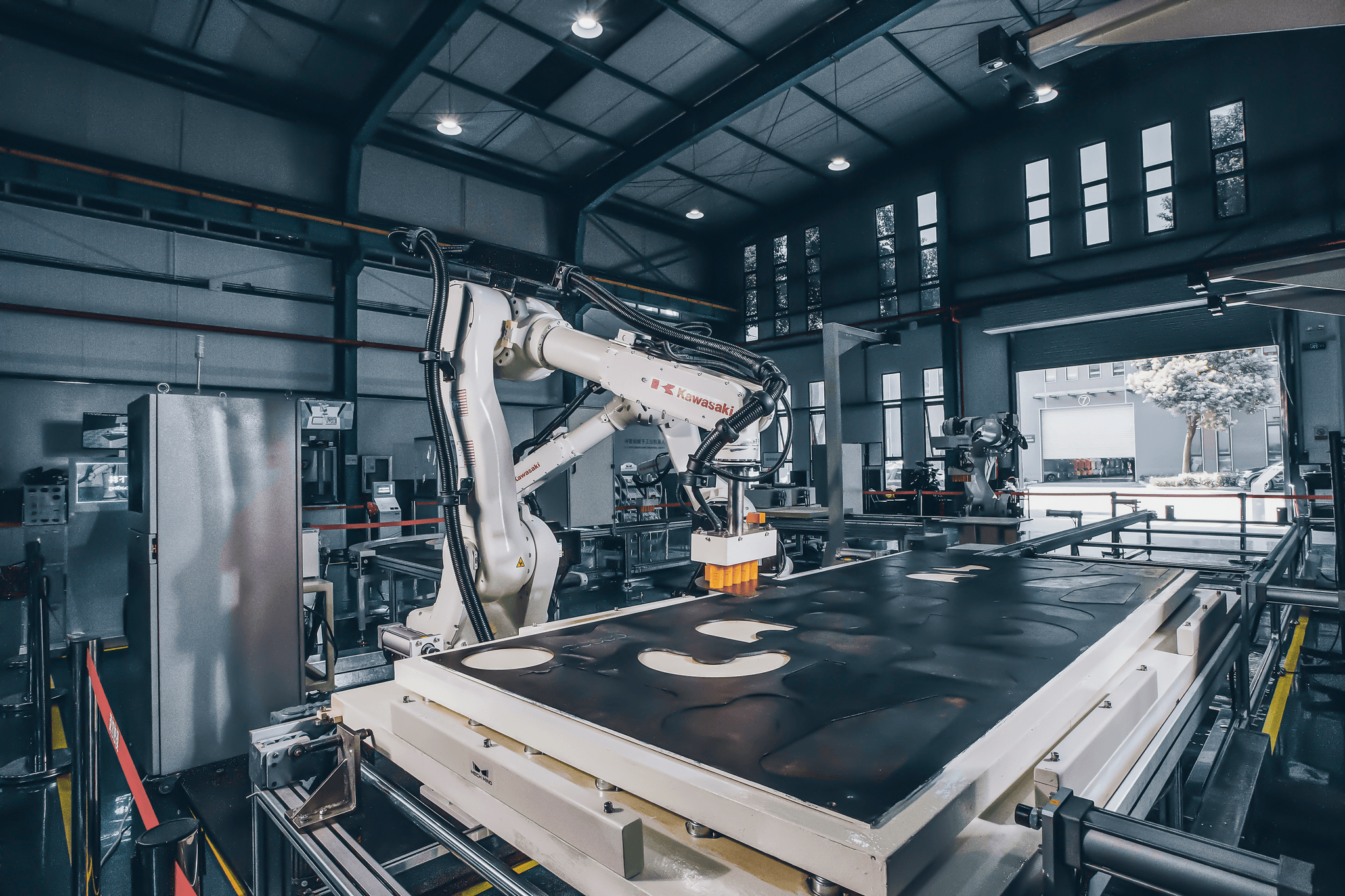
The modular building industry is undergoing a technological revolution that is reshaping how structures are designed, built, and delivered. With advancements in design software, prefabrication techniques, and automation, companies like PreFab Inc. are at the forefront of this transformation. These technologies not only enhance efficiency but also improve the overall quality of modular buildings.
Advanced Design Software
In the modular building industry, advanced design software plays a pivotal role in streamlining the planning and construction processes. Tools such as Building Information Modeling (BIM) allow architects and engineers to create intricate 3D models that can be easily modified and analyzed for structural integrity. This level of precision reduces errors during construction and ensures that all components fit together seamlessly when assembled on-site.
Moreover, these design tools facilitate collaboration among various stakeholders involved in a project. By providing a shared platform for updates and modifications, teams can communicate more effectively, thus minimizing delays often associated with traditional construction methods. As a result, PreFab Inc. leverages these advanced technologies to deliver high-quality modular solutions faster than ever before.
Prefabrication Techniques on the Rise
Prefabrication techniques are gaining traction in the modular building industry due to their ability to significantly reduce construction time while maintaining high standards of quality control. Components such as walls, roofs, and floors are manufactured off-site in controlled environments before being transported to the final location for assembly. This process not only speeds up timelines but also minimizes waste generated during traditional on-site construction.
Additionally, innovations like panelized systems or volumetric modules allow for greater flexibility in design while ensuring energy efficiency standards are met or exceeded. The rise of prefabrication has led many developers to explore new ways to optimize their projects—an area where PreFab Inc.'s expertise shines brightly within the industry landscape. Ultimately, these techniques contribute to a more sustainable approach to building by reducing resource consumption.
Automation and Robotics in Construction
Automation and robotics are revolutionizing the modular building industry by introducing unprecedented levels of efficiency into construction practices. From robotic arms that assemble components with pinpoint accuracy to automated machinery that handles repetitive tasks—technology is transforming how buildings come together piece by piece. This shift not only enhances productivity but also mitigates labor shortages often faced by traditional builders.
Furthermore, integrating automation into workflows allows for real-time data collection and analysis throughout each stage of production—enabling companies like PreFab Inc. to make informed decisions based on performance metrics rather than guesswork alone. As robots take over mundane tasks, skilled workers can focus on higher-level responsibilities that require creativity and problem-solving skills—fostering an environment ripe for innovation within the modular building sector.
In summary, technology is undeniably reshaping the landscape of the modular building industry through advanced design software, rising prefabrication techniques, and cutting-edge automation solutions—all contributing toward more efficient practices without compromising quality or sustainability.
Future Trends in Modular Construction

The modular building industry is on the brink of a significant transformation, driven by technological advancements and shifting societal needs. As we look ahead, several trends are emerging that promise to reshape how we think about construction and design. With companies like PreFab Inc. leading the charge, the future of modular construction looks not only innovative but also incredibly promising.
Predictions for Industry Growth
Industry analysts predict that the modular building industry will see exponential growth in the coming years, fueled by increasing demand for affordable housing and sustainable building solutions. As urbanization continues to rise, cities will look to modular construction as a way to quickly address housing shortages without compromising quality or aesthetics. Furthermore, with major players like PreFab Inc. at the forefront, we can expect new standards in efficiency and design that will further propel this sector into mainstream acceptance.
The global market for modular buildings is expected to reach unprecedented heights as more stakeholders recognize its benefits over traditional construction methods. This growth isn't just limited to residential projects; commercial spaces are also embracing modular solutions for their speed and cost-effectiveness. As these trends unfold, it’s clear that the future of construction is becoming increasingly modular.
The Influence of Remote Work on Office Spaces
The rise of remote work has dramatically altered how businesses approach their office spaces, creating new opportunities within the modular building industry. Companies are rethinking their real estate strategies and looking for flexible workspace solutions that can adapt to changing employee needs without breaking the bank. This shift opens doors for PreFab Inc., which specializes in creating adaptable work environments through innovative modular designs.
As organizations downsize or reconfigure their office layouts to accommodate hybrid work models, they are turning toward modular buildings as a practical solution. These structures offer scalability and customization options that traditional buildings simply cannot match—think movable walls or easily reconfigurable spaces! With remote work expected to remain prevalent even post-pandemic, it's likely we'll see an uptick in demand for versatile office solutions from within the modular building industry.
Innovations Coming from Emerging Markets
Emerging markets are poised to become hotbeds of innovation within the modular building industry as they adopt advanced technologies at a rapid pace. Countries with burgeoning populations face unique challenges regarding housing and infrastructure development; therefore, they are increasingly turning towards prefabricated solutions offered by companies like PreFab Inc. These markets often prioritize cost-efficiency while still aiming for sustainability—a perfect match for what modern modular construction offers.
From utilizing local materials to integrating smart technology into designs, innovations coming out of these regions could redefine global standards within our industry. Moreover, collaborations between local governments and private firms may lead to groundbreaking projects showcasing how adaptable and efficient modern buildings can be when designed with local needs in mind. As these innovations gain traction worldwide, they not only enhance lives but also solidify the role of the modular building industry as a key player in future urban development.
Conclusion

As we look towards the future, the modular building industry is poised to revolutionize how we think about construction. Embracing modular solutions means tapping into innovative methods that not only enhance efficiency but also promote sustainability. By integrating these advanced practices, stakeholders can create buildings that are not just structures but are part of a larger vision for a better environment.
Embracing Modular Solutions for the Future
The future of the modular building industry is bright, with endless possibilities for growth and innovation. As more builders and developers recognize the benefits of modular construction, we're likely to see an increase in demand for these efficient building methods. The flexibility and adaptability of modular designs allow them to cater to various sectors, from residential to commercial spaces, making them a go-to solution for modern construction challenges.
The Impact of PreFab Inc. on Building Practices
PreFab Inc. has been at the forefront of this transformation within the modular building industry, setting benchmarks for quality and sustainability. Their commitment to using cutting-edge technology and eco-friendly materials has made them a leader in green building practices. By championing innovative designs and efficient processes, PreFab Inc. is reshaping how builders approach their projects, proving that modern construction can be both effective and environmentally conscious.
Why Modular is Here to Stay
The advantages offered by modular construction ensure that it’s not just a fleeting trend; it's here to stay in the long haul. With its cost-effectiveness, speed of build, and sustainable practices becoming increasingly necessary in today’s world, the modular building industry will continue to thrive as it adapts to changing needs and technologies. As companies like PreFab Inc. lead by example, we can expect an exciting evolution in how we construct our environments—one module at a time.