

Introduction
In recent years, the construction landscape has witnessed a significant transformation with the rise of modular building homes. These innovative structures are not just a fleeting trend; they represent a paradigm shift in how we approach housing solutions. With their blend of efficiency and sustainability, modular homes are paving the way for a future where quality living is accessible to all.
The Rise of Modular Building Homes
The popularity of modular building homes has surged as more people seek affordable and efficient housing options. Unlike traditional construction methods that can be time-consuming and costly, modular homes are built in sections off-site and then assembled on location, drastically reducing build time. This shift towards prefabricated solutions is not merely about speed; it reflects a growing desire for smarter living spaces that cater to modern lifestyles.
Why Prefab is the Future of Housing
Prefab homes are quickly becoming synonymous with innovation in the housing market due to their versatility and cost-effectiveness. As urban populations grow and housing demands increase, these structures offer an attractive solution by maximizing space without compromising on quality or design. Companies like PreFab Inc. are at the forefront of this movement, showcasing how modular building homes can adapt to various needs while minimizing environmental impact.
Exploring Cost-Effective Living Solutions
Cost-effective living solutions are more crucial than ever in today's economy, making modular building homes an appealing choice for many buyers. By leveraging advanced manufacturing techniques and sustainable materials, these homes provide significant savings compared to traditional construction methods—both in terms of initial investment and long-term energy costs. With PreFab Inc.'s commitment to affordability without sacrificing style or comfort, it's clear that prefab is not just a trend but a viable path forward for future housing developments.
Understanding Modular Building Homes
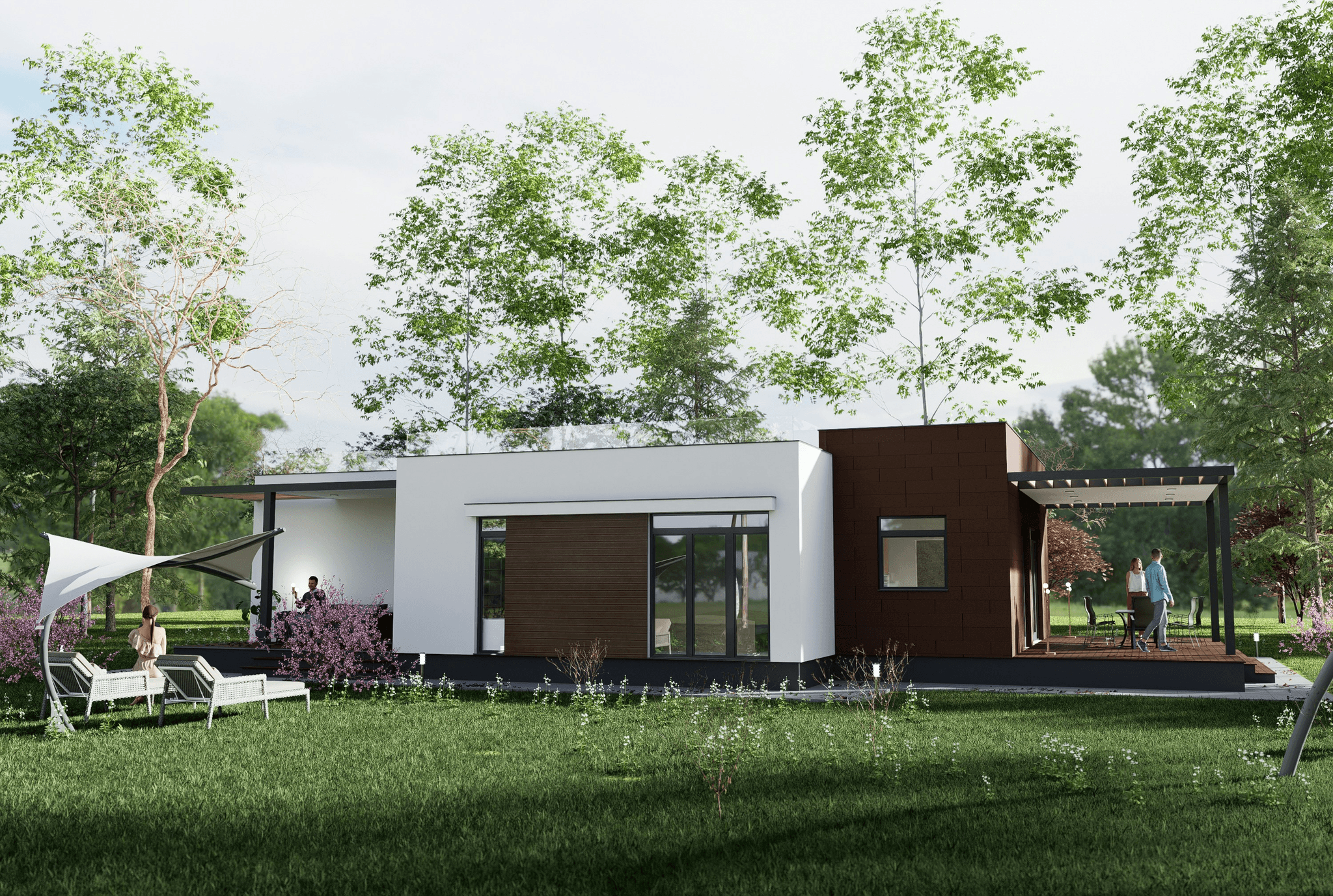
Modular building homes are revolutionizing the way we think about housing. These innovative structures are built off-site in controlled environments, then transported and assembled on location, offering a seamless blend of efficiency and quality. With the rise of modular homes, many are beginning to see them as a viable alternative to traditional construction methods.
What are Modular Building Homes?
At their core, modular building homes consist of pre-fabricated sections or modules that come together to create a complete living space. Each module is constructed in a factory setting, ensuring high-quality standards and reducing the likelihood of weather-related delays during construction. This method not only speeds up the building process but also allows for greater flexibility in design, making modular homes an attractive option for many buyers.
Benefits of Modular Construction
The benefits of modular construction extend far beyond just speed and efficiency; they also include significant cost savings and reduced waste. Because these homes are built in a controlled environment, there's less material waste compared to traditional building methods—meaning fewer resources go to landfills. Additionally, with PreFab Inc.'s focus on energy-efficient designs, homeowners can enjoy lower utility bills while contributing positively to the environment.
Moreover, modular building homes often allow for quicker financing options due to their predictable timelines and costs. Buyers can move into their new space much faster than with conventional builds, which can be a game-changer in today’s fast-paced real estate market. Overall, whether it’s about saving time or money—or both—modular construction presents compelling advantages.
Key Players in the Modular Industry
The modular industry is populated by several key players who are pushing boundaries and innovating continuously—PreFab Inc. being one of them! Companies like ours specialize in creating stylish yet functional modular building homes that cater to modern lifestyles while emphasizing sustainability and affordability. Other notable players include established manufacturers who have been around for decades as well as new startups bringing fresh ideas into this evolving field.
In this competitive landscape, collaboration is often essential; builders work closely with architects and engineers to ensure that each home meets rigorous quality standards while still being customizable for individual tastes. As consumer interest grows in these types of residences, it's exciting to see how various companies adapt and innovate within this thriving market focused on delivering high-quality living solutions through modular design.
The Environmental Impact of Prefab Homes

In a world increasingly focused on sustainability, modular building homes are stepping up to the plate with impressive eco-friendly credentials. These innovative structures not only minimize construction waste but also promote energy efficiency and utilize sustainable materials, making them a smart choice for environmentally conscious homeowners. With companies like PreFab Inc. leading the charge, the future of housing looks greener than ever.
How Modular Homes Reduce Waste
One of the standout features of modular building homes is their ability to significantly reduce waste during construction. Unlike traditional building methods that often result in excess materials ending up in landfills, modular homes are constructed in controlled factory environments where precision cutting and efficient assembly minimize leftover material. This streamlined process not only conserves resources but also contributes to a cleaner planet—something we can all rally behind!
Energy Efficiency in Modular Designs
Energy efficiency is another feather in the cap of modular building homes; they’re designed from the ground up with energy savings in mind. These homes often feature advanced insulation techniques, high-performance windows, and energy-efficient appliances that work together to reduce energy consumption and lower utility bills for homeowners. Thanks to PreFab Inc.'s innovative designs, living sustainably has never been so stylish or affordable.
Sustainable Materials in Construction
When it comes to sustainable materials, modular building homes offer a treasure trove of options that appeal to eco-conscious buyers. Many manufacturers prioritize using recycled or sustainably sourced materials in their constructions, ensuring that your new home isn’t just beautiful but also built with care for our planet's resources. With PreFab Inc.'s commitment to sustainability, you can rest assured your home is contributing positively to environmental conservation while providing you with comfort and style.
The Economic Advantages of Modular Building Homes
When it comes to the economic advantages of modular building homes, the benefits are hard to ignore. These homes not only provide a cost-effective solution for buyers but also offer financial perks that traditional construction methods simply can’t match. With PreFab Inc., you can explore how these modular designs make home ownership more accessible than ever.
Cost Savings Compared to Traditional Homes
One of the most compelling reasons to consider modular building homes is their significant cost savings compared to traditional houses. Modular homes are built in a factory setting, which allows for greater efficiency and reduced labor costs—savings that are often passed directly on to the consumer. In fact, buyers can save anywhere from 10% to 20% on their overall housing expenses, making modular living an attractive option for budget-conscious individuals.
Moreover, because these homes are constructed with precision and speed in mind, there’s less chance of costly delays that often plague traditional builds. This efficiency not only means lower costs but also translates into fewer financial surprises down the road. With PreFab Inc., you can rest assured that your investment in modular building homes is both financially sound and future-proof.
Speed of Construction and its Financial Benefits
Speed is another key advantage when it comes to modular building homes; they can be completed in a fraction of the time it takes for conventional houses. While traditional construction might take several months or even years due to weather delays and unforeseen complications, many modular projects can be finished within weeks once the site preparation is complete. This rapid turnaround means you could potentially move into your new home much sooner than expected.
The financial benefits extend beyond just saving time; quicker construction reduces financing costs as well since buyers aren’t stuck paying interest on loans while waiting for their home to be built. Additionally, faster completion allows homeowners to start enjoying their lives sooner—whether it's hosting family gatherings or simply savoring a peaceful evening in their new space. With PreFab Inc., your journey toward owning a modular building home becomes efficient and economically savvy.
Financing Options for Modular Home Buyers
When it comes to financing options for those interested in modular building homes, there’s good news! Many lenders now recognize the value of these innovative structures and offer tailored financing solutions specifically designed for them. From conventional mortgages to specialized loans aimed at manufactured or modular properties, prospective homeowners have various pathways available.
Working with PreFab Inc., buyers can access expert guidance on navigating these financing options effectively—ensuring they find terms that suit their budget and lifestyle needs best. Furthermore, lower upfront costs associated with modular homes often mean smaller down payments and more favorable loan conditions overall, making ownership feel more attainable than ever before!
In summary, whether you're drawn by cost savings or rapid construction times—or perhaps both—the economic advantages offered by modular building homes make them an appealing choice in today’s housing market.
Customization in Modular Home Design
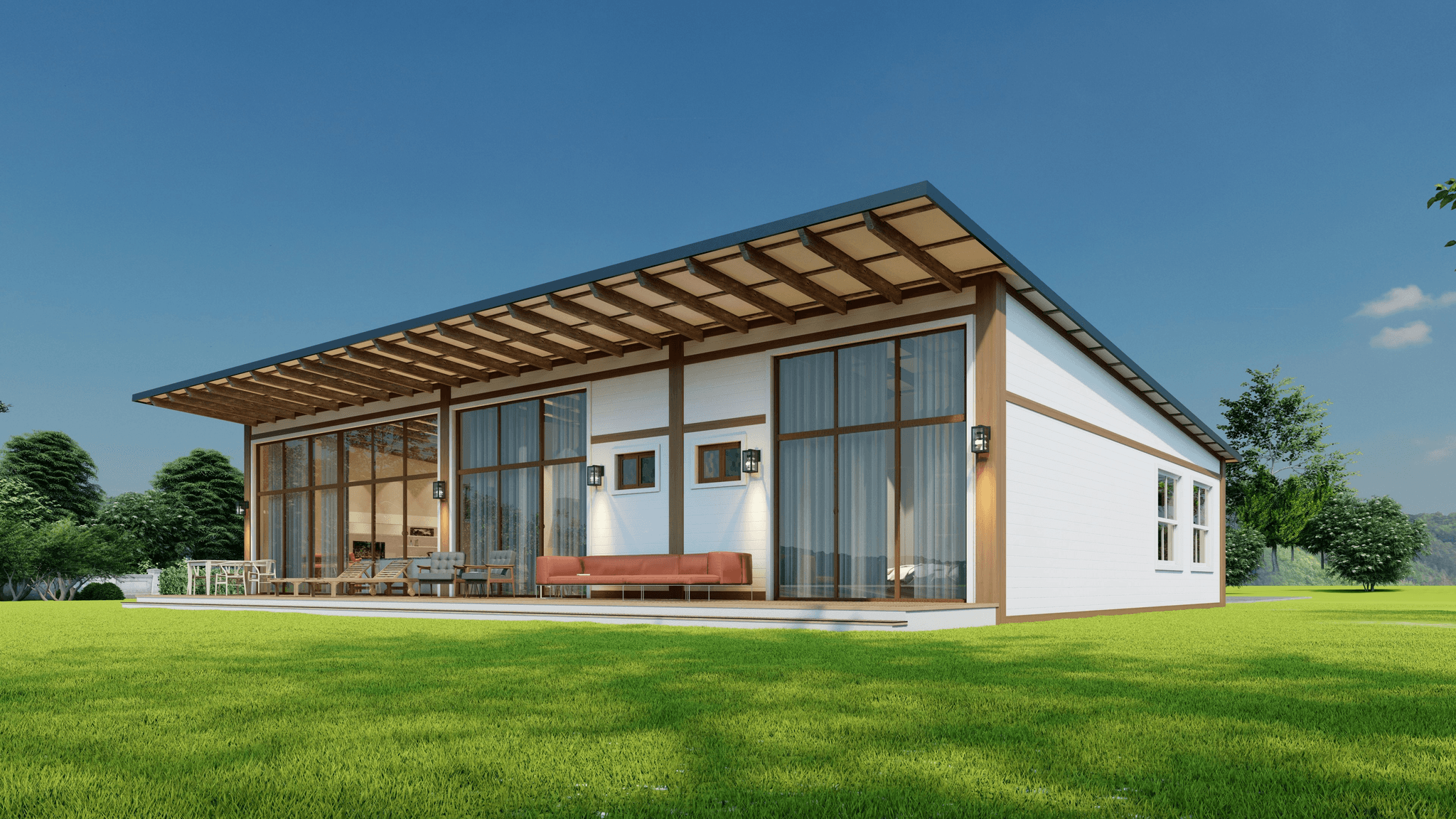
The beauty of modular building homes lies not only in their efficiency but also in their remarkable flexibility for personalization. Homeowners can tailor every aspect of their prefab space, from layout to finishes, ensuring that each home reflects its owner's unique style and needs. This customization capability is revolutionizing the way we think about housing, making modular homes an appealing choice for those who crave individuality without sacrificing practicality.
Personalizing Your Prefab Space
When it comes to personalizing your prefab space, the options are virtually limitless. Modular building homes allow you to choose everything from floor plans and room sizes to exterior finishes and interior colors. With companies like PreFab Inc., you can even incorporate eco-friendly features or smart home technology into your design, creating a living space that’s not only beautiful but also functional and sustainable.
Moreover, customization doesn’t stop at aesthetics; it extends to the very layout of your home. Whether you desire an open-concept living area or a more traditional segmented approach, modular construction adapts to your vision seamlessly. This level of personalization means that every family member can feel at home in a space designed just for them.
Examples of Innovative Modular Designs
Innovative designs are at the forefront of the modular building homes movement, showcasing how creativity can flourish within this construction method. One standout example is the use of multi-functional spaces that serve various purposes throughout the day; think a guest room that converts into a home office with ease! Such versatility not only maximizes square footage but also enhances usability.
Another exciting trend is the incorporation of outdoor living spaces into modular designs—think decks and patios seamlessly integrated into the overall architecture. These elements encourage homeowners to embrace nature while enjoying their modern amenities, proving that prefab doesn't mean compromising on lifestyle quality. With PreFab Inc., customers have access to cutting-edge designs that push boundaries while maintaining comfort.
Trends in Modular Home Customization
As we delve deeper into 2023, several trends are emerging within the realm of modular building homes customization that are worth noting. One significant trend is biophilic design—the practice of connecting indoor spaces with nature through natural light and materials—which many homeowners are embracing as they seek harmony between their living environment and natural surroundings.
Additionally, more people are opting for minimalist designs characterized by clean lines and functional spaces—this trend aligns perfectly with the efficient nature of modular construction while promoting simplicity and elegance in daily life. Lastly, tech integration continues to rise; smart home features such as automated lighting systems or energy-efficient appliances are becoming standard offerings in many new modular builds thanks to companies like PreFab Inc., ensuring modern convenience meets personalized comfort.
Real-Life Success Stories
The modular building homes movement is not just a trend; it has transformed lives and communities across the globe. From innovative designs to sustainable solutions, real-life success stories showcase the potential of prefab living. Let's dive into some inspiring cases that highlight the impact of modular construction.
Case Studies of Inspiring Modular Projects
One standout example is the “Cocoon House” in Oregon, a stunning modular building home designed for sustainability and efficiency. This project utilizes eco-friendly materials and showcases cutting-edge technology to minimize energy consumption while maximizing comfort. Another remarkable case is the “Wolverine Village,” where multiple modular units were assembled to create an affordable housing solution for low-income families, demonstrating how modular homes can address pressing social issues.
In both cases, these modular building homes were constructed in a fraction of the time it would take traditional builds, proving that speed doesn’t have to compromise quality or design. PreFab Inc. played a crucial role in these projects by providing innovative designs and efficient construction methods that meet modern housing needs. Such examples inspire others to consider how modular solutions can benefit their own communities.
Communities Built on Modular Principles
Across the country, several communities are embracing modular building homes as a viable solution to housing shortages and environmental concerns. One notable community is “Modular Meadows,” where an entire neighborhood was developed using prefab technology, creating stylish yet affordable homes for families and individuals alike. This community not only emphasizes sustainability but also fosters connections among residents through shared green spaces and communal areas.
Another inspiring model is “EcoVillage,” which integrates sustainable living with modern design principles through its collection of modular homes built from recycled materials. These communities demonstrate that when people come together around innovative concepts like modular building homes, they can create vibrant environments that enhance quality of life while being kind to our planet. PreFab Inc.'s commitment to eco-friendly practices has made them a key player in developing such pioneering neighborhoods.
Testimonials from Happy Modular Homeowners
Homeowners who have embraced modular building homes often share glowing testimonials about their experiences with prefab living. Mary, a proud owner in Florida, says her new home exceeded her expectations: Not only did I save money on construction costs with PreFab Inc., but my energy bills are significantly lower thanks to their efficient designs! Her enthusiasm reflects how many find joy in owning a customized space tailored perfectly for their lifestyle.
Similarly, John and Lisa from California rave about their experience: We never thought we could afford such a beautiful home until we discovered modular options! The process was seamless with PreFab Inc., making our dream home a reality. Their stories are just two examples among many happy homeowners who have found satisfaction in choosing modern living solutions through prefabricated designs.
Conclusion
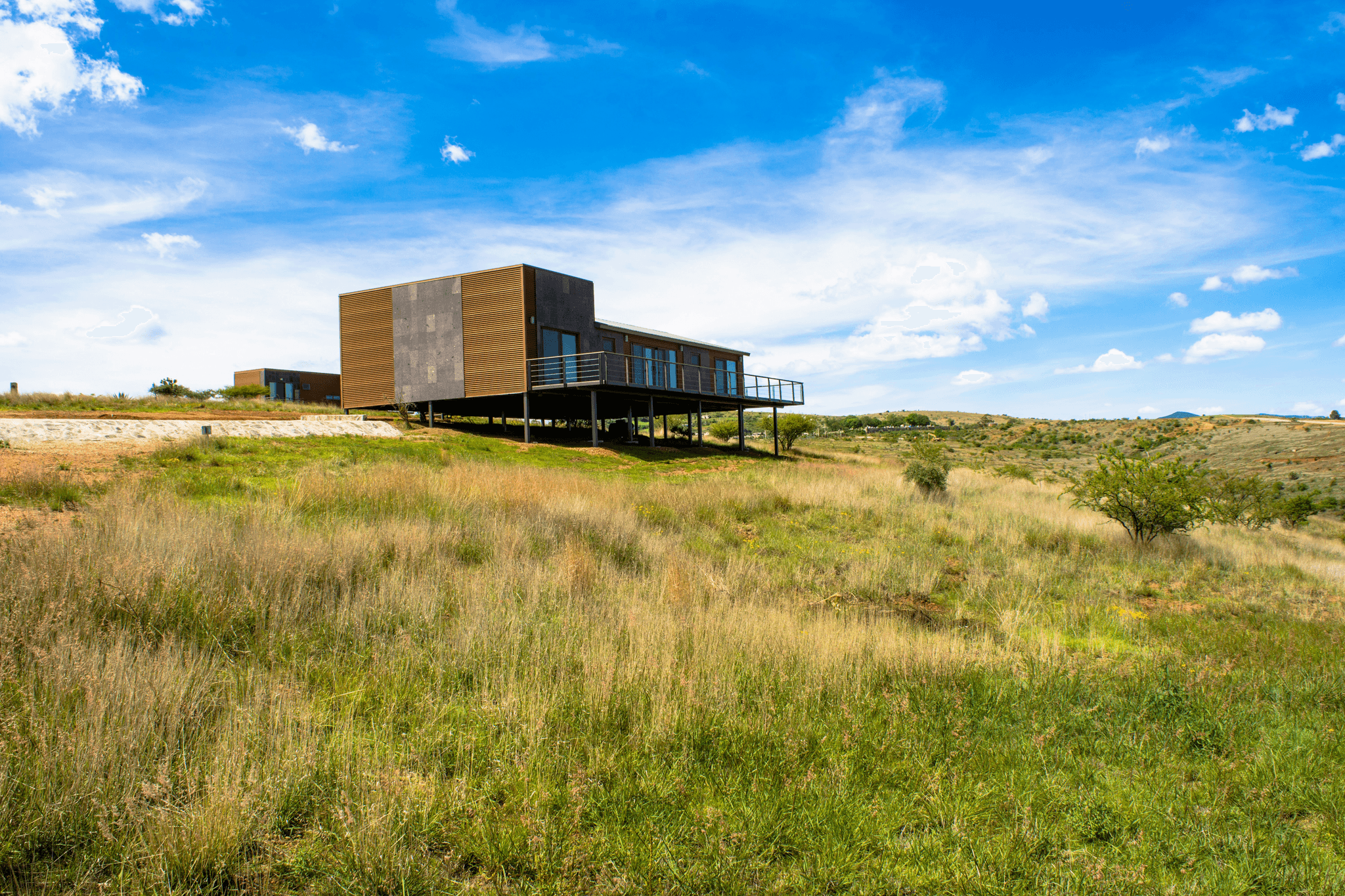
As we wrap up our exploration of modular building homes, it’s clear that this innovative approach to construction is not just a trend but a movement reshaping the future of housing. Embracing modular building homes means embracing efficiency, sustainability, and a new way of thinking about how we live. With companies like PreFab Inc. leading the charge, the potential for these homes to revolutionize our living spaces is immense.
Embracing the Modular Building Movement
The modular building movement encourages us to rethink traditional housing models and embrace flexibility and creativity in design. By adopting modular building homes, homeowners can enjoy quicker construction times without sacrificing quality or aesthetics. This shift not only addresses urgent housing needs but also promotes a more sustainable lifestyle—an essential factor in today's environment-conscious world.
The Future Landscape of Housing
Looking ahead, the landscape of housing will undoubtedly be transformed by the rise of modular building homes. As urbanization continues to accelerate and affordable housing becomes increasingly scarce, these structures offer a viable solution that meets both economic and ecological demands. Moreover, advancements in technology will further enhance customization options and energy efficiency in modular designs, making them an attractive choice for future generations.
Why PreFab Inc. Leads the Charge in Innovation
PreFab Inc. stands at the forefront of this exciting revolution in homebuilding by continually pushing boundaries with innovative designs and sustainable practices within modular building homes. Our commitment to quality craftsmanship ensures that every unit is not only stylish but also built to last—providing homeowners with peace of mind for years to come. As pioneers in this field, we are dedicated to making modern living accessible while maintaining our environmental responsibilities.