

Introduction
In recent years, the world of home construction has witnessed a significant transformation with the rise of prefabricated home construction. This innovative approach not only streamlines the building process but also caters to the evolving needs and desires of modern homebuyers. As a result, more individuals are turning to prefabricated homes as a viable alternative to traditional construction methods.
The Rise of Prefabricated Home Construction
Prefabricated home construction has gained momentum due to its efficiency and adaptability in today's fast-paced world. Gone are the days when modular homes were seen as mere temporary solutions; now, they represent a sophisticated choice for discerning buyers who appreciate both style and functionality. With companies like PreFab Inc. leading the charge, the landscape of housing is being reshaped by cutting-edge designs and sustainable practices.
Why Homebuyers are Choosing Prefab
Homebuyers are gravitating towards prefabricated homes for various compelling reasons, including affordability, speed of construction, and customization options. The traditional building process can be lengthy and costly, while prefab solutions offer a streamlined approach that significantly reduces both time and expenses. Moreover, many buyers appreciate the flexibility that comes with designing their own layouts within the framework provided by manufacturers like PreFab Inc.
Key Benefits of Modern Prefabricated Homes
Modern prefabricated homes come packed with benefits that appeal to today's environmentally conscious consumers and budget-savvy buyers alike. From reduced energy consumption thanks to innovative materials to lower overall costs without sacrificing quality or aesthetics, these homes deliver on multiple fronts. Additionally, companies like PreFab Inc. prioritize eco-friendly practices in their designs, ensuring that homeowners can enjoy their spaces while minimizing their environmental impact.
Current Trends in Prefabricated Home Design
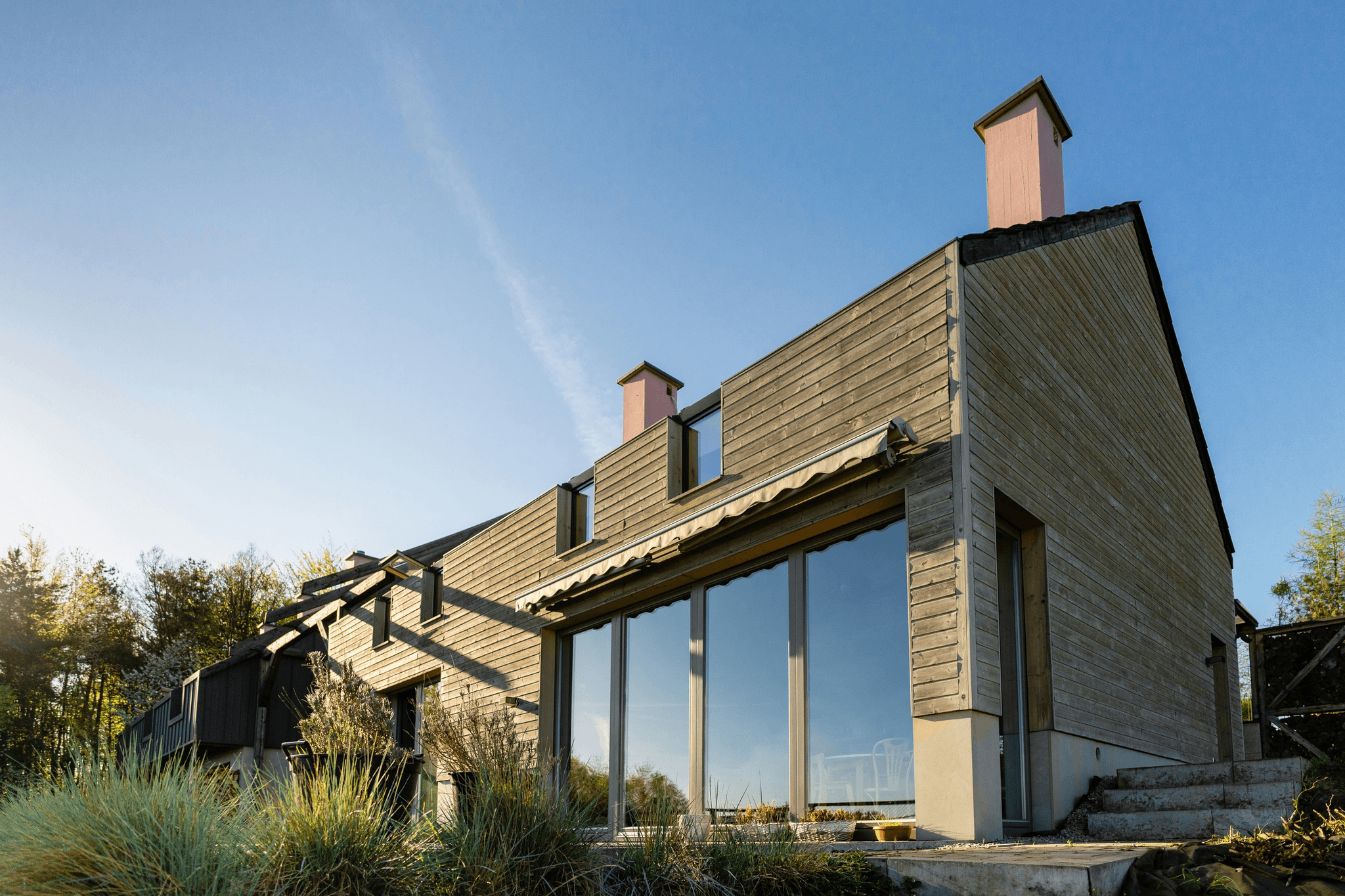
The world of prefabricated home construction is evolving rapidly, with innovative designs and materials that cater to modern preferences. As more homebuyers lean towards prefab solutions, the industry is responding with trends that prioritize sustainability, flexibility, and advanced technology. Let’s explore some of the most exciting current trends shaping the landscape of prefabricated homes.
Eco-Friendly Materials in Prefab Homes
Eco-friendly materials are at the forefront of prefabricated home construction, reflecting a growing commitment to sustainability. Builders are increasingly using recycled steel, sustainably sourced wood, and low-VOC (volatile organic compounds) paints to create healthier living environments. PreFab Inc. champions this trend by integrating these eco-conscious materials into their designs, ensuring that your new home not only looks good but also contributes positively to the planet.
Moreover, these sustainable choices often enhance energy efficiency and reduce waste during construction—a win-win for both homeowners and the environment. Homebuyers can now feel good about their investment while enjoying modern aesthetics and durability that eco-friendly materials provide. With a focus on sustainability becoming a hallmark of contemporary living, prefabricated homes lead the charge toward greener communities.
Open Floor Plans and Custom Layouts
The desire for open floor plans has gained significant traction in recent years, especially within the realm of prefabricated home construction. Modern families appreciate spaces that foster interaction while maximizing natural light—features easily achieved through customizable layouts offered by companies like PreFab Inc. This design flexibility allows homeowners to tailor their spaces according to personal preferences and lifestyle needs.
Custom layouts also enable efficient use of space without compromising style or functionality; whether it’s a cozy nook for reading or an expansive kitchen island for entertaining guests, prefab homes can accommodate diverse desires seamlessly. As more buyers seek unique touches in their living environments, open floor plans combined with custom options have become synonymous with modern prefab living—a true testament to how far this industry has come.
Technological Advancements in Home Construction
Technological advancements are revolutionizing prefabricated home construction in ways previously thought impossible. From 3D printing techniques that allow for rapid prototyping to smart home technology integration—these innovations are reshaping how we think about building homes today. PreFab Inc., at the forefront of this trend, utilizes cutting-edge technologies to streamline processes while enhancing overall quality.
Smart features such as automated lighting systems or energy-efficient appliances can be easily incorporated into prefab designs without hassle or excessive costs—making modern living both convenient and eco-friendly simultaneously. Additionally, virtual reality tools allow prospective buyers to visualize their future homes before they’re even built—truly an exciting development in customer experience! As technology continues its relentless march forward, it undoubtedly paves new paths for creativity within prefabricated home design.
Cost-Effectiveness of Prefabricated Homes
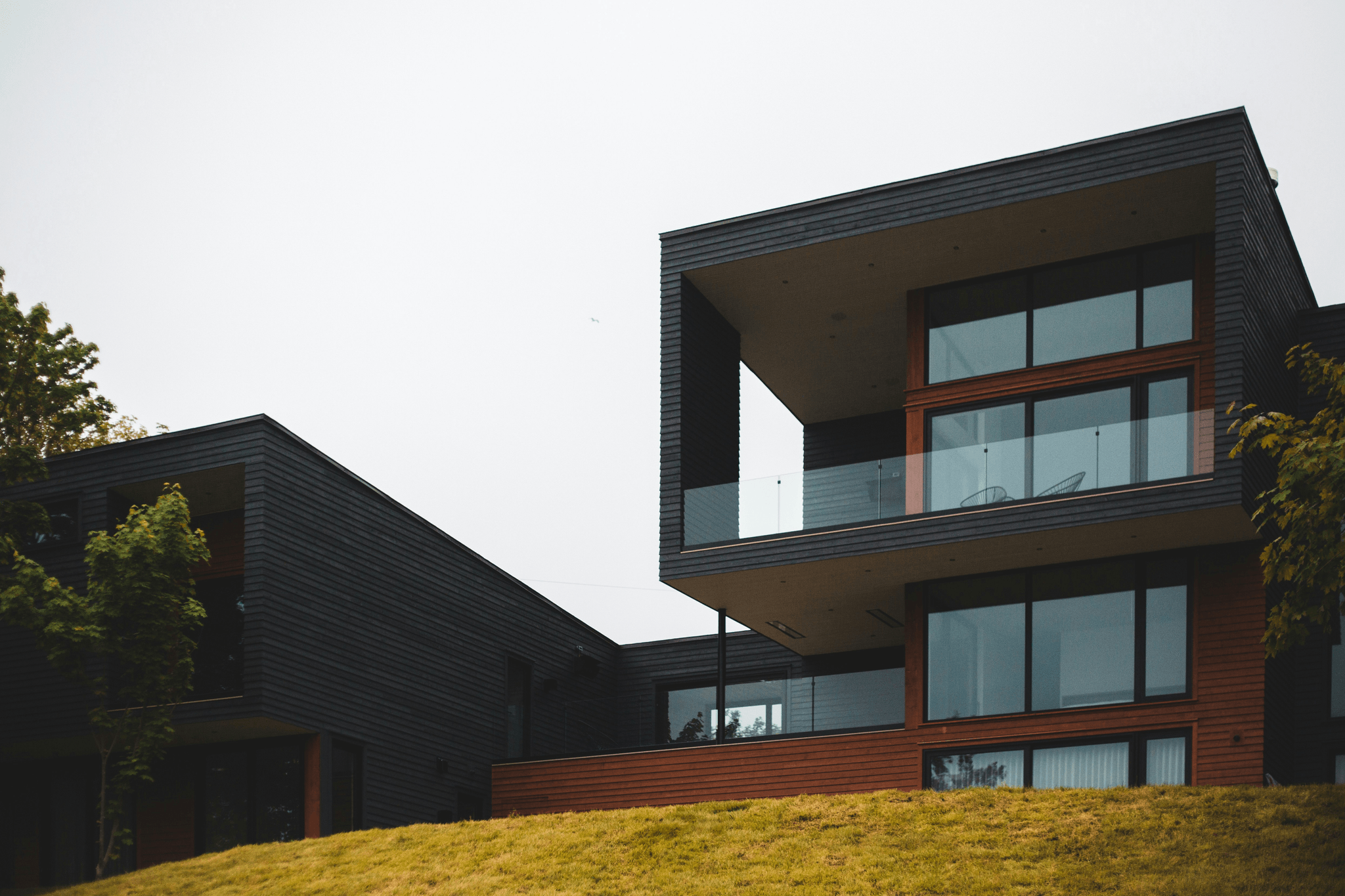
When it comes to home construction, cost is often a major concern for buyers. Prefabricated home construction offers a financially savvy alternative to traditional building methods, with significant savings across various aspects. In this section, we will explore how prefabricated homes stack up against conventional homes in terms of costs, labor efficiency, and long-term energy savings.
Comparing Costs: Traditional vs. Prefabricated
One of the most compelling reasons to consider prefabricated home construction is the cost comparison with traditional homes. Generally speaking, prefabricated homes can be built at a lower price point due to streamlined manufacturing processes and bulk purchasing of materials. While traditional construction can involve hidden costs like delays and unexpected expenses, prefab homes usually come with fixed pricing that allows buyers to plan their budgets more effectively.
Additionally, the speed of construction for prefabricated homes means that buyers can save on financing costs while waiting for their dream home to be completed. In many cases, homeowners can move into their new prefabricated house in a fraction of the time it takes to build a conventional one from scratch. This swift turnaround not only reduces stress but also allows families to start enjoying their new space sooner rather than later.
Reducing Labor Costs with Prefab Solutions
Labor costs are another significant factor when evaluating the affordability of prefabricated home construction versus traditional methods. With prefab solutions, much of the work is done off-site in controlled factory settings where skilled workers efficiently assemble components without weather-related delays or interruptions. This approach minimizes labor hours needed on-site and ultimately leads to lower overall labor expenses for homeowners.
Moreover, because many tasks are pre-assembled in the factory—like wall panels or entire sections—there’s less need for extensive on-site labor teams during installation. Homeowners often find themselves saving money not just on initial construction but also on ongoing maintenance since quality control in factory settings tends to yield more durable products than those assembled under unpredictable conditions outdoors.
Long-Term Savings on Energy Efficiency
Investing in prefabricated home construction isn't just about upfront costs; it's also about long-term savings through energy efficiency features built into modern designs. Many prefab homes incorporate sustainable materials and innovative technologies that help reduce energy consumption over time. These features may include high-efficiency insulation systems and energy-efficient windows that keep heating and cooling costs down—resulting in significant monthly savings.
In addition, smart technology options available through companies like PreFab Inc., allow homeowners to monitor and control their energy usage more effectively than ever before. By optimizing factors such as heating schedules or lighting systems remotely via smartphone apps, owners can further enhance their home's efficiency while reducing utility bills over time.
In conclusion, when weighing your options between traditional building methods and prefabricated home construction, consider not only immediate financial implications but also long-term benefits that come with modern designs focused on sustainability and efficiency.
Sustainability in Prefabricated Construction
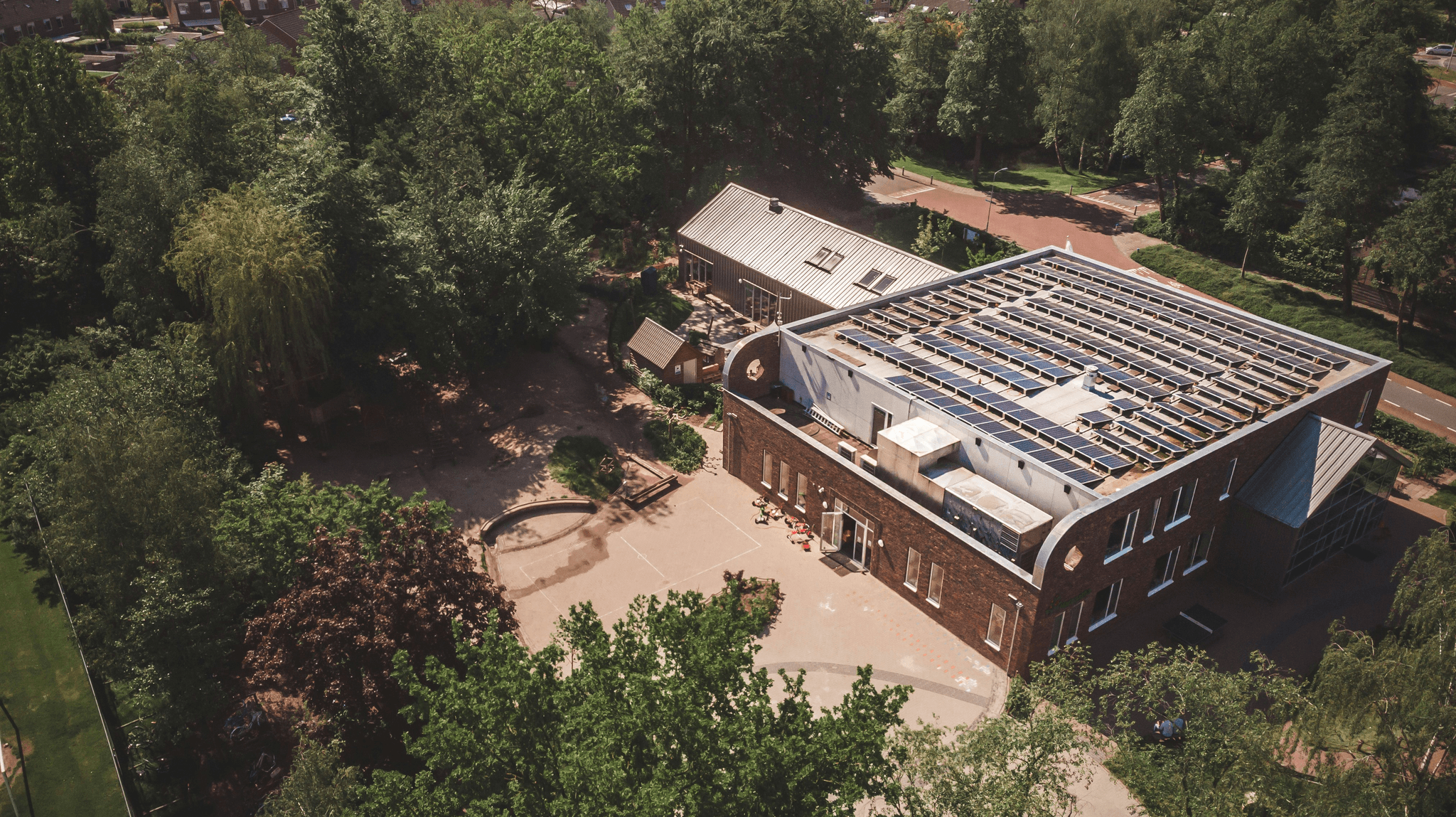
In recent years, sustainability has become a cornerstone of prefabricated home construction. The industry is making strides by incorporating eco-friendly materials and practices that minimize waste and energy consumption. As more homebuyers prioritize environmentally responsible living, prefab homes are increasingly recognized for their potential to meet these demands.
Sustainable Practices in the Prefab Industry
Sustainable practices are at the forefront of modern prefabricated home construction, with manufacturers adopting innovative methods to reduce their environmental footprint. Many companies now utilize recycled materials and sustainable sourcing, ensuring that the components of these homes are not only durable but also eco-conscious. Additionally, the controlled factory environment allows for precise measurements and reduced waste during production, making prefab homes a smart choice for those who care about sustainability.
The Role of PreFab Inc. in Green Building
PreFab Inc. is leading the charge in green building within the prefabricated home construction sector by implementing sustainable practices across all stages of design and manufacturing. Our commitment to using renewable resources and energy-efficient technologies sets us apart from traditional builders who may overlook these vital aspects. By prioritizing sustainability, PreFab Inc. not only enhances the livability of our homes but also contributes positively to the environment.
Innovations in Energy-Efficient Home Design
Energy efficiency is a critical component of modern prefabricated home construction, with innovations continually emerging to enhance performance while reducing utility costs for homeowners. From advanced insulation techniques to solar panel integration, prefab designs are becoming synonymous with cutting-edge energy solutions that cater to eco-conscious buyers. With companies like PreFab Inc., you can expect homes that not only meet today’s standards but also pave the way for future advancements in sustainable living.
The Role of Technology in Prefab Homes
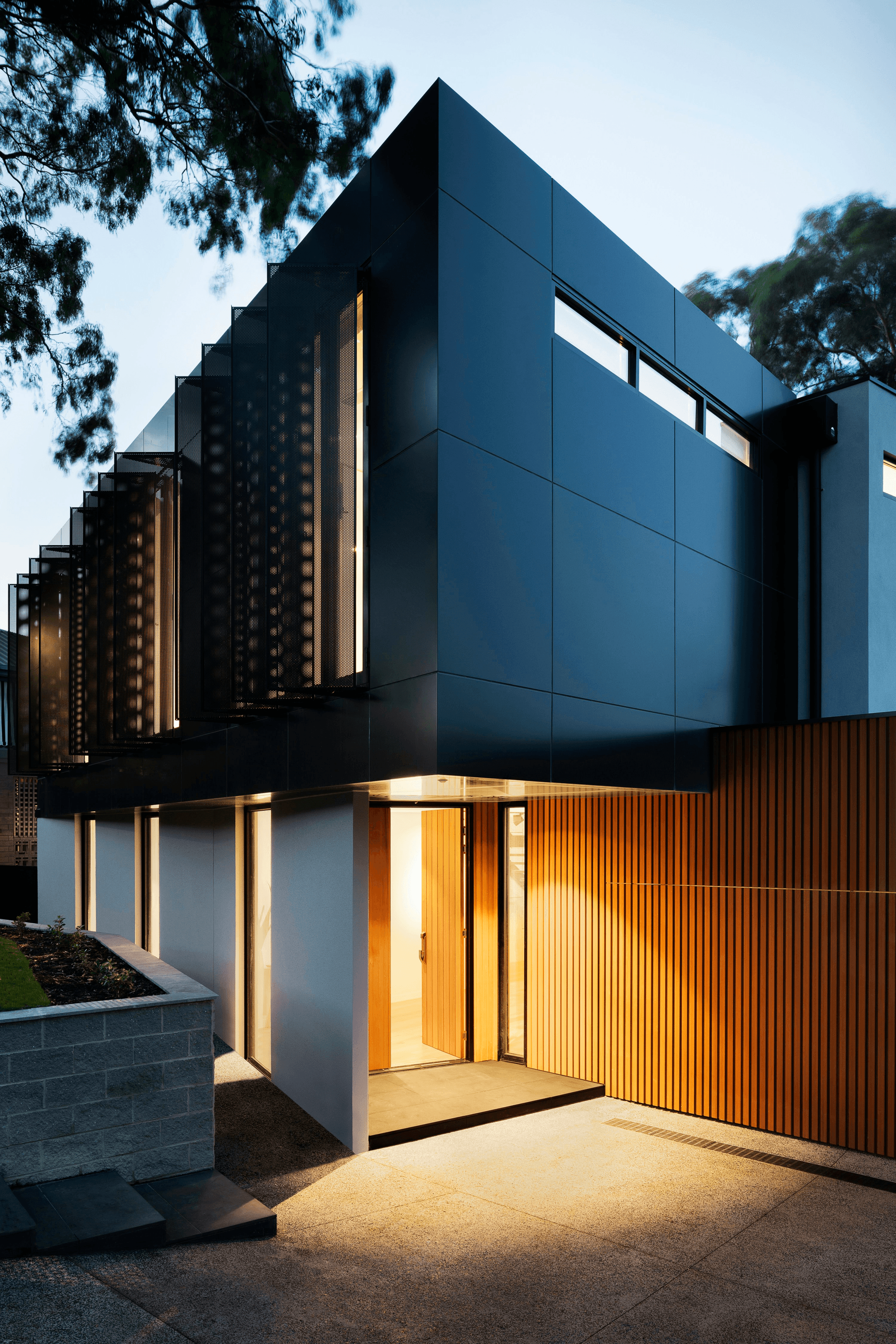
In the ever-evolving landscape of prefabricated home construction, technology plays a pivotal role in enhancing both design and functionality. From smart home features to innovative building techniques, modern prefab homes are setting new standards for convenience and efficiency. PreFab Inc. is at the forefront of these advancements, integrating cutting-edge technology into every aspect of their designs.
Smart Home Features in Prefabricated Designs
Smart home technology has become a hallmark of contemporary living, and prefabricated home construction is no exception. Many prefab homes now come equipped with smart thermostats, automated lighting systems, and advanced security features that can be controlled from your smartphone or tablet. By incorporating these technologies, PreFab Inc. not only enhances the comfort and safety of your living space but also promotes energy efficiency—making modern living both convenient and sustainable.
Moreover, smart home integration allows homeowners to customize their environments easily; imagine adjusting your home's temperature or lighting with just a voice command! This level of control adds an element of luxury to prefabricated homes while also appealing to tech-savvy buyers looking for modern amenities. As smart technology continues to evolve, so too will the possibilities within prefabricated home construction.
3D Printing and Modular Construction
The rise of 3D printing has revolutionized many industries, including prefabricated home construction. This innovative technique allows for rapid prototyping and manufacturing of building components, significantly reducing production times while maintaining high-quality standards. PreFab Inc. utilizes 3D printing technology to create custom elements tailored specifically to each homeowner's needs—bringing dreams to reality faster than ever before.
Modular construction complements this by allowing entire sections of a house to be built off-site before being transported for assembly on location. This method not only speeds up the building process but also minimizes waste—a crucial factor in sustainable practices within the industry. With 3D printing combined with modular design approaches, PreFab Inc.'s homes exemplify how technology can lead to smarter solutions in prefabricated housing.
Virtual Reality in Home Design
Virtual reality (VR) is another groundbreaking tool that is transforming how we approach prefabricated home construction today. With VR technology, potential homeowners can immerse themselves in lifelike simulations of their future spaces before any physical work begins—allowing them to visualize layouts and make adjustments seamlessly. This interactive experience helps clients feel more connected to their designs while ensuring satisfaction with every detail.
PreFab Inc.'s use of virtual reality not only streamlines the design process but also enhances communication between clients and designers by providing a clearer understanding of spatial relationships within the home layout. As VR continues to advance, it promises even more sophisticated applications within prefab designs—making it easier for buyers to envision their dream homes from inception through completion. Embracing these technological innovations positions PreFab Inc.'s offerings as some of the most desirable options on today's market.
Challenges and Considerations
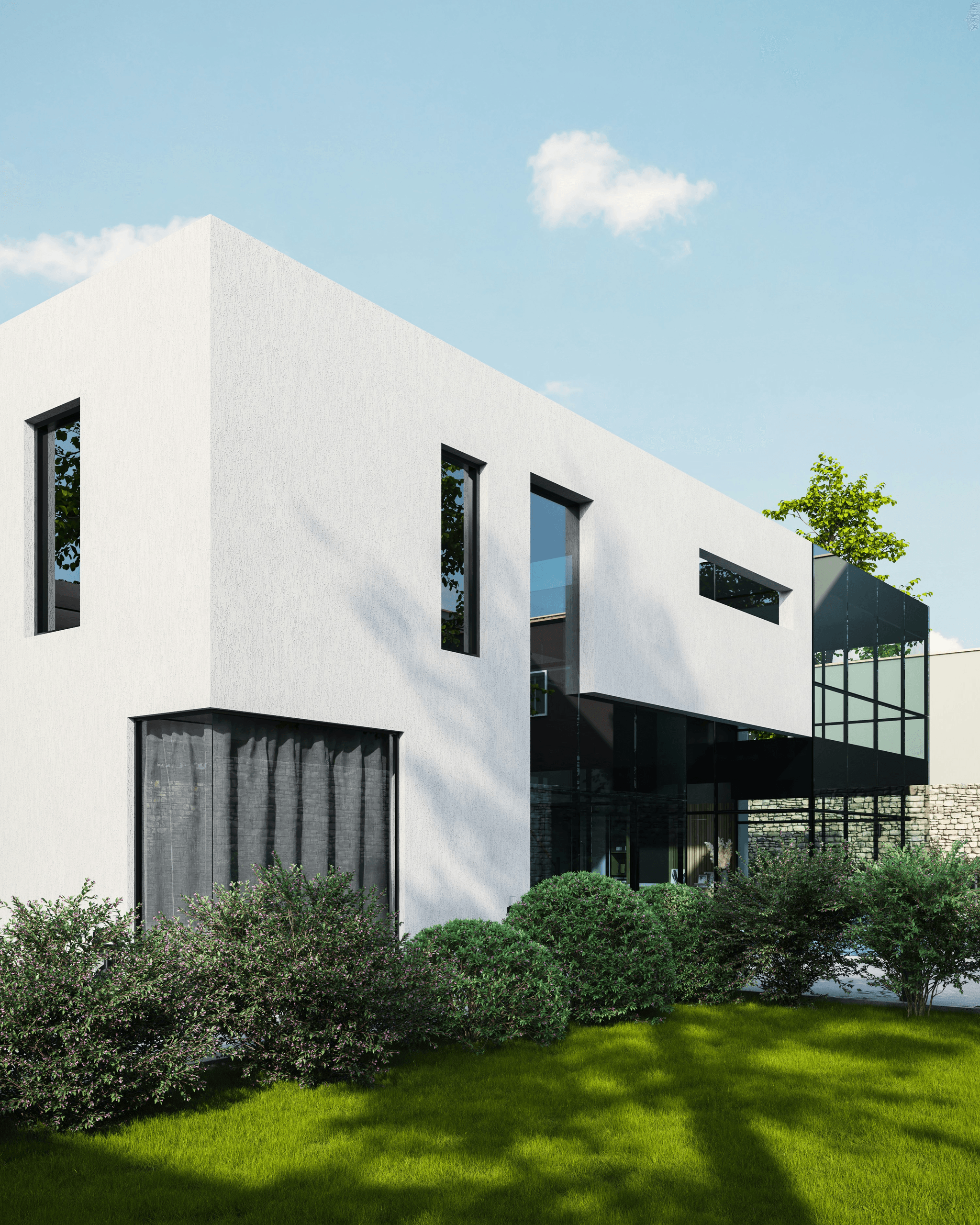
While the allure of prefabricated home construction is undeniable, there are several challenges and considerations that potential homeowners should keep in mind. Understanding these factors can help you make an informed decision about whether a prefab home is right for you. Let's dive into some common misconceptions, zoning laws, and tips for finding the right contractor.
Common Misconceptions about Prefabricated Homes
One of the biggest myths surrounding prefabricated home construction is that these homes lack quality and durability compared to traditional builds. In reality, modern prefab homes are constructed using advanced materials and techniques that ensure they can withstand the test of time. Additionally, many people believe that prefab homes come in limited designs; however, companies like PreFab Inc. offer a wide range of customizable options to suit individual tastes and preferences.
Another misconception is that prefabricated homes are only suitable for temporary living situations or low-income housing. This could not be further from the truth! Many luxury models exist within the prefab market, showcasing innovative designs and high-quality finishes that rival traditional custom-built homes.
Finally, some buyers fear that purchasing a prefabricated home means sacrificing energy efficiency or sustainability. On the contrary, modern prefabricated home construction often emphasizes eco-friendly materials and energy-efficient technologies—making them a smart choice for environmentally conscious homeowners.
Zoning Laws and Regulations for Prefab Construction
Navigating zoning laws can be one of the more complex aspects of investing in prefabricated home construction. Each locality has its own regulations regarding land use, building codes, and permits—meaning it’s crucial to do your homework before diving into your project with PreFab Inc. Certain areas may have restrictions on where you can place your prefab home or specific design requirements that must be met to comply with local ordinances.
Additionally, it’s essential to understand how zoning laws might affect your plans for customization or expansion down the line. Some regions may impose limits on square footage or height restrictions which could hinder your dream design if not addressed early on in the planning process.
Working with an experienced contractor familiar with local regulations can streamline this process significantly—and help you avoid any costly misunderstandings later on.
Finding the Right Contractor for Your Project
Choosing a reputable contractor is crucial when embarking on your journey into prefabricated home construction; after all, they will play a significant role in bringing your vision to life! Start by researching contractors who specialize in prefab projects—like those associated with PreFab Inc.—to ensure they have relevant experience under their belts.
Don’t hesitate to ask potential contractors about their past projects as well as client references; this will give you insight into their craftsmanship and reliability. Additionally, consider discussing timelines upfront so everyone is aligned on expectations from day one—because nobody wants surprises when it comes to scheduling!
Lastly, trust your instincts during this process: if something feels off during initial consultations or negotiations, it’s worth exploring other options until you find someone who aligns perfectly with both your vision and budget.
Conclusion
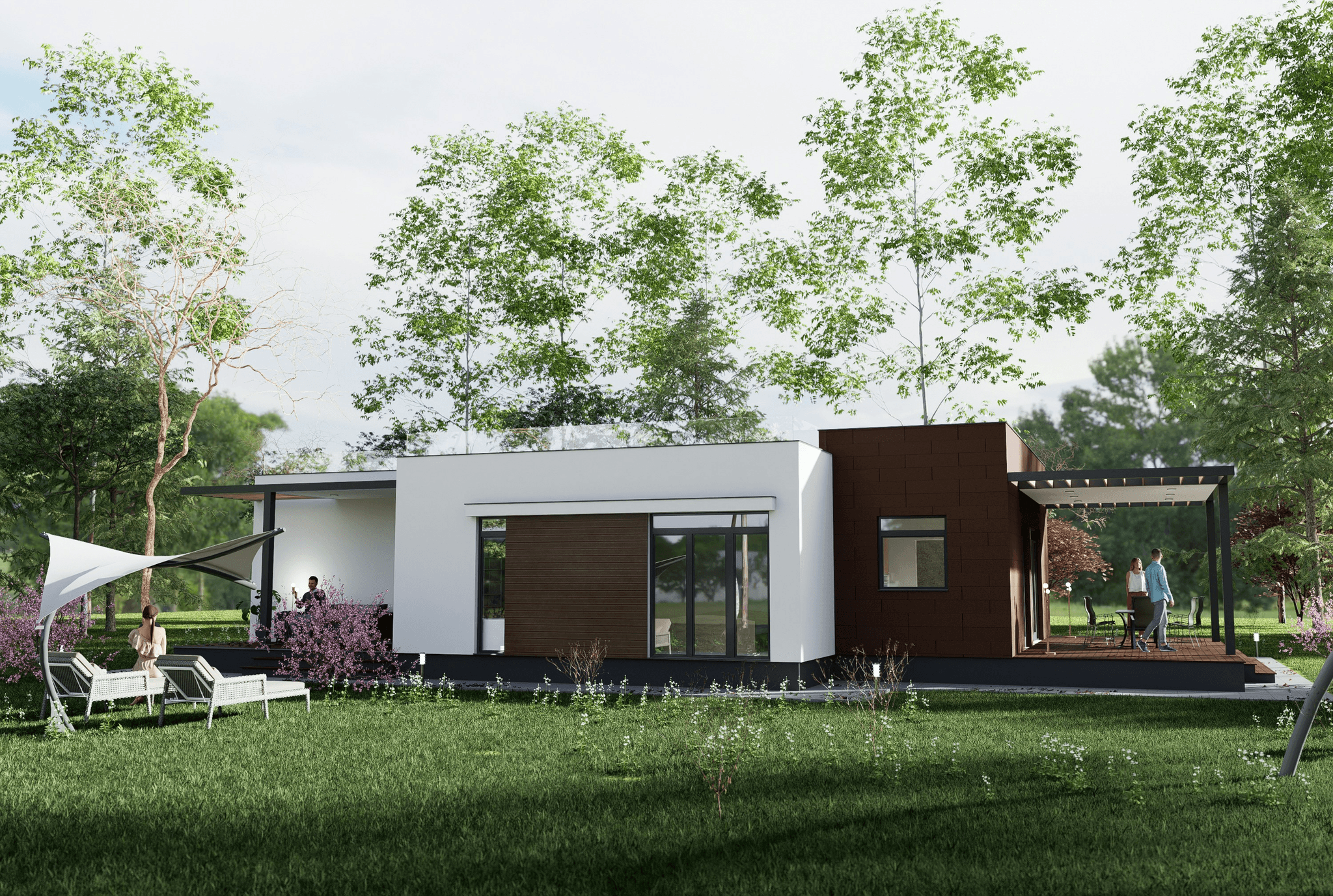
In a world where the landscape of home construction is rapidly evolving, embracing prefabricated home construction represents a forward-thinking choice for modern buyers. With its blend of efficiency, sustainability, and customization, prefab homes are not just a trend; they are paving the way for the future of housing. As we look ahead, it's clear that the advantages of prefabricated homes will continue to attract those seeking innovative solutions to their housing needs.
Embracing the Future of Home Construction
The shift towards prefabricated home construction is driven by a desire for sustainable living and cost-effective solutions. Homebuyers today are increasingly drawn to the idea of building homes that minimize environmental impact while maximizing comfort and functionality. By choosing prefab options, individuals can enjoy modern designs without compromising on quality or style.
Why PreFab Inc. is Leading the Way
At PreFab Inc., we’re not just riding the wave; we’re making it! Our commitment to innovation in prefabricated home construction sets us apart from competitors by integrating cutting-edge technology and eco-friendly materials into our designs. With our focus on customer satisfaction and sustainability, we empower homeowners to create spaces that reflect their unique lifestyles while contributing positively to the planet.
Your Guide to Choosing Prefabricated Homes
Navigating the world of prefabricated home construction can seem daunting at first glance, but it doesn’t have to be! Start by identifying your specific needs—consider factors like design preferences, budget constraints, and location requirements. Remember that with companies like PreFab Inc., you have access to expert guidance every step of the way as you embark on this exciting journey toward your dream home.