

Introduction
In the ever-evolving landscape of construction, the concept of a modular building factory has emerged as a beacon of innovation and efficiency. This approach to construction involves prefabricating building components in a controlled factory environment, which are then transported to the site for assembly. With companies like PreFab Inc. leading the charge, modular building factories are reshaping how we think about design and execution in the construction industry.
What is Modular Building Factory Design
Modular building factory design refers to the process of creating structures using pre-manufactured sections or modules that can be easily assembled on-site. Each module is produced in a factory setting, allowing for precise engineering and quality control, resulting in faster project completion times than traditional methods. By employing this design strategy, builders can streamline their operations while ensuring high standards of craftsmanship and durability.
Importance of Modular Construction
The importance of modular construction cannot be overstated; it represents a significant shift towards more sustainable and efficient building practices. This method reduces waste generated during construction and minimizes environmental impact by optimizing resource use throughout the manufacturing process. As urbanization continues to rise globally, modular building factories provide an innovative solution to meet housing demands without compromising quality or sustainability.
Key Benefits of Modular Factories
The key benefits of modular factories extend beyond mere efficiency; they encompass cost savings, improved safety standards, and enhanced flexibility in design options. By leveraging advanced manufacturing techniques, companies like PreFab Inc. can deliver high-quality structures at competitive prices while reducing on-site labor risks associated with traditional construction methods. Additionally, modular factories allow for greater customization possibilities, enabling clients to create tailored solutions that meet their specific needs without sacrificing speed or quality.
Understanding Modular Building Design
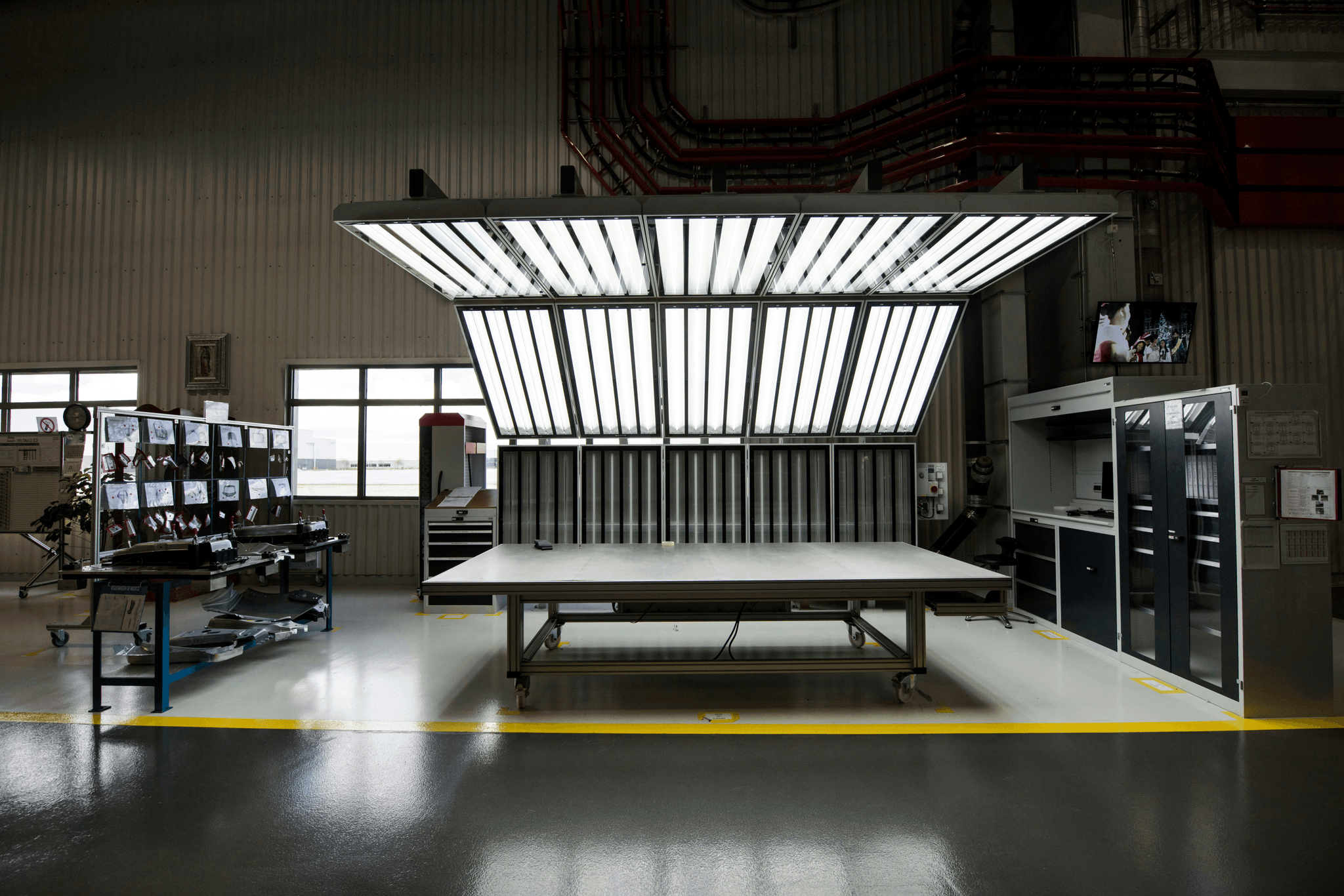
Modular building design is a fascinating approach that redefines traditional construction methods. By breaking down structures into manageable, pre-fabricated sections, modular building factories can streamline the entire construction process. This innovative method not only enhances efficiency but also allows for greater flexibility in design and functionality.
Components of Modular Structures
At the heart of every modular building factory are its components, which include modules, connectors, and systems for utilities like plumbing and electrical work. Each module is crafted off-site in a controlled environment, ensuring high-quality standards and precision that are sometimes hard to achieve on traditional job sites. This means that when the modules arrive at their final destination, they fit together seamlessly—like pieces of a well-designed puzzle.
Moreover, these components can be tailored to meet specific needs or preferences, whether it's residential housing or commercial spaces. PreFab Inc., for instance, excels at creating modular structures that incorporate cutting-edge materials and designs while maintaining cost-effectiveness. With an emphasis on sustainability and energy efficiency, the components used in these factories contribute significantly to reducing the overall carbon footprint of construction projects.
Innovative Manufacturing Processes
The manufacturing processes utilized in modular building factories are nothing short of revolutionary. By leveraging advanced technologies such as automation and robotics, these factories can produce modules with remarkable speed and accuracy. This not only minimizes human error but also allows for consistent quality across all units manufactured.
Additionally, innovative practices like lean manufacturing help reduce waste throughout production while maximizing resource efficiency—an essential consideration in today’s environmentally conscious world. PreFab Inc.'s commitment to adopting such processes ensures that their modular building factory remains at the forefront of industry advancements while delivering exceptional products to clients.
Furthermore, these processes enable rapid prototyping and iteration during design phases so that modifications can be made swiftly without derailing project timelines or budgets. The agility offered by modern manufacturing techniques empowers architects and builders alike to push creative boundaries when designing new modular solutions.
Customization Options in Modular Factories
Customization is one of the most appealing aspects of working with a modular building factory like PreFab Inc., allowing clients to tailor their projects according to unique requirements or visions. From choosing floor plans to selecting finishes and layouts, the options are virtually limitless! Clients can enjoy personalized touches without sacrificing speed or quality due to the streamlined nature of modular construction.
Moreover, many manufacturers offer flexible designs that accommodate future expansions or changes in use—perfect for businesses anticipating growth or homeowners looking for adaptable living spaces over time. The beauty lies in how each module can reflect individual tastes while still being part of a cohesive whole; it’s about creating spaces where people feel truly at home or businesses thrive effectively.
In conclusion, understanding modular building design involves appreciating its components, innovative manufacturing processes, and extensive customization options available through factories like PreFab Inc. As this sector continues evolving with technology advancements and market demands shifting toward sustainable practices—there's never been a more exciting time to explore what modular construction has to offer!
Site Selection for Modular Factories
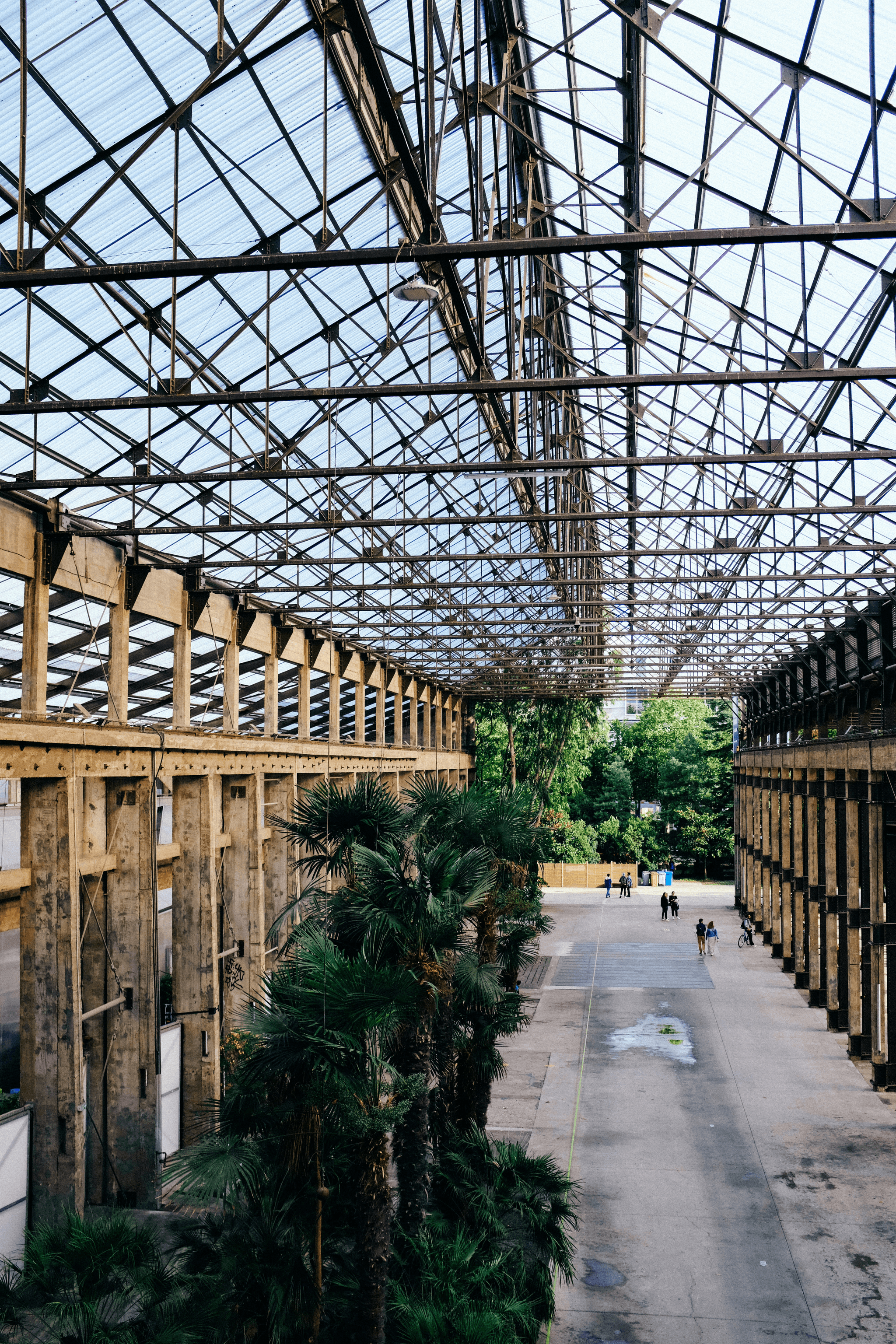
Selecting the right site for a modular building factory is crucial for maximizing efficiency and ensuring seamless operations. The location not only impacts logistics but also influences workforce availability, regulatory compliance, and community acceptance. A well-chosen site can significantly enhance the overall success of your modular construction projects.
Assessing Location Suitability
When evaluating potential locations for a modular building factory, it’s essential to consider several factors that contribute to suitability. Proximity to key markets and suppliers can reduce transportation costs and lead times, making your operations more efficient. Additionally, understanding local labor availability ensures you have access to skilled workers who can help PreFab Inc. maintain high-quality production standards.
Another aspect of location suitability is the area's economic climate; regions with favorable business conditions often provide incentives that can benefit your modular building factory in the long run. Conducting thorough market research will help identify areas where demand for modular construction is on the rise, allowing you to strategically position your factory for success. Ultimately, a suitable location sets the stage for efficient manufacturing processes and effective project delivery.
Infrastructure Considerations
Infrastructure plays a pivotal role in the successful operation of a modular building factory. Access to major highways, railroads, and ports facilitates smooth transportation of materials and finished products—key elements in maintaining production timelines at PreFab Inc. Furthermore, reliable utilities such as water, electricity, and internet connectivity are vital components that support daily operations.
In addition to transportation infrastructure, local amenities such as housing options and educational institutions contribute significantly to attracting talent to your workforce. A well-connected site enhances collaboration with suppliers while also providing employees with convenient access to their workplace. Consequently, investing time in evaluating infrastructure will pay off by streamlining logistics and fostering a productive environment within your modular building factory.
Environmental Impact Assessments
Conducting environmental impact assessments (EIAs) is an essential step when selecting a site for any new construction project—especially one as innovative as a modular building factory like those operated by PreFab Inc. EIAs help identify potential negative effects on local ecosystems while also ensuring compliance with environmental regulations imposed by governmental bodies. This proactive approach not only protects natural resources but also enhances your company’s reputation as an environmentally responsible manufacturer.
Furthermore, understanding how your factory might affect air quality or water sources can inform design choices that minimize ecological footprints throughout production processes. By prioritizing sustainability from the outset, you position PreFab Inc.'s modular building factories as leaders in eco-friendly practices within the industry while appealing to increasingly conscious consumers looking for greener alternatives in construction solutions.
Lastly, engaging with community stakeholders during this assessment phase fosters goodwill and transparency—an invaluable asset when launching new projects in any region!
Technology in Modular Building Factories
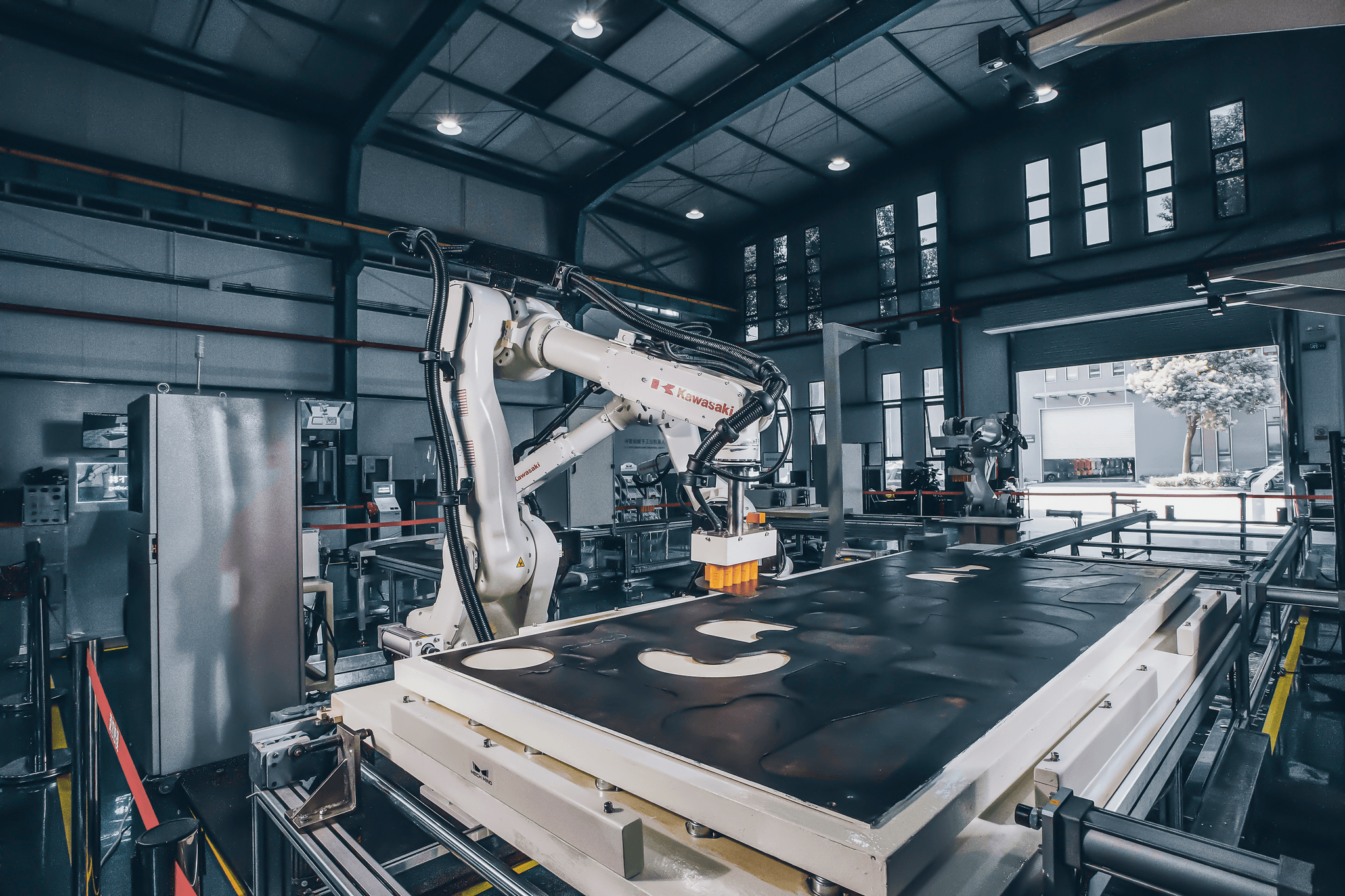
In the rapidly evolving landscape of construction, technology plays a pivotal role in enhancing the efficiency and effectiveness of modular building factories. With innovations ranging from automation to cutting-edge software solutions, these factories are redefining how structures are designed and manufactured. PreFab Inc. is at the forefront of this technological revolution, ensuring that every modular building factory leverages the latest advancements for optimal performance.
Role of Automation and Robotics
Automation and robotics have become indispensable in modern modular building factories, streamlining processes that were once labor-intensive and time-consuming. By integrating robotic systems into production lines, companies like PreFab Inc. can significantly reduce human error while increasing precision in assembly tasks. This not only speeds up production but also allows for consistent quality across all units produced in a modular building factory.
Moreover, automated systems can handle repetitive tasks with ease, freeing up skilled workers to focus on more complex aspects of design and customization. The synergy between human ingenuity and robotic efficiency creates a dynamic environment where innovation thrives within the modular building factory setting. As automation continues to advance, it promises even greater improvements in productivity and cost-effectiveness for manufacturers.
Software Solutions for Design and Manufacturing
The advent of sophisticated software solutions has revolutionized how modular building factories approach design and manufacturing processes. Advanced Building Information Modeling (BIM) software enables architects and engineers at PreFab Inc. to create detailed digital representations of projects before any physical work begins. This not only enhances collaboration among teams but also allows for real-time adjustments based on client feedback or regulatory changes.
Additionally, these software tools facilitate seamless integration with automated machinery used in production lines, improving overall workflow efficiency within the modular building factory environment. With features like 3D visualization and simulation capabilities, stakeholders can foresee potential challenges early on, leading to better decision-making throughout the project lifecycle. Embracing innovative software solutions ultimately results in reduced lead times and enhanced customer satisfaction.
Advancements in Sustainable Materials
Sustainability is no longer just a buzzword; it’s a necessity for modern construction practices within modular building factories like those operated by PreFab Inc. The industry is witnessing significant advancements in sustainable materials that minimize environmental impact while maintaining structural integrity and aesthetic appeal. From recycled steel to eco-friendly insulation options, these materials contribute to greener construction methods without compromising quality or durability.
Furthermore, incorporating sustainable materials into the design process aligns with growing consumer demand for environmentally responsible products—an essential consideration for any forward-thinking modular building factory today. As research continues to unveil new options that enhance energy efficiency or reduce waste during production, manufacturers will be better equipped to meet both regulatory standards and market expectations alike.
Regulatory Standards and Compliance
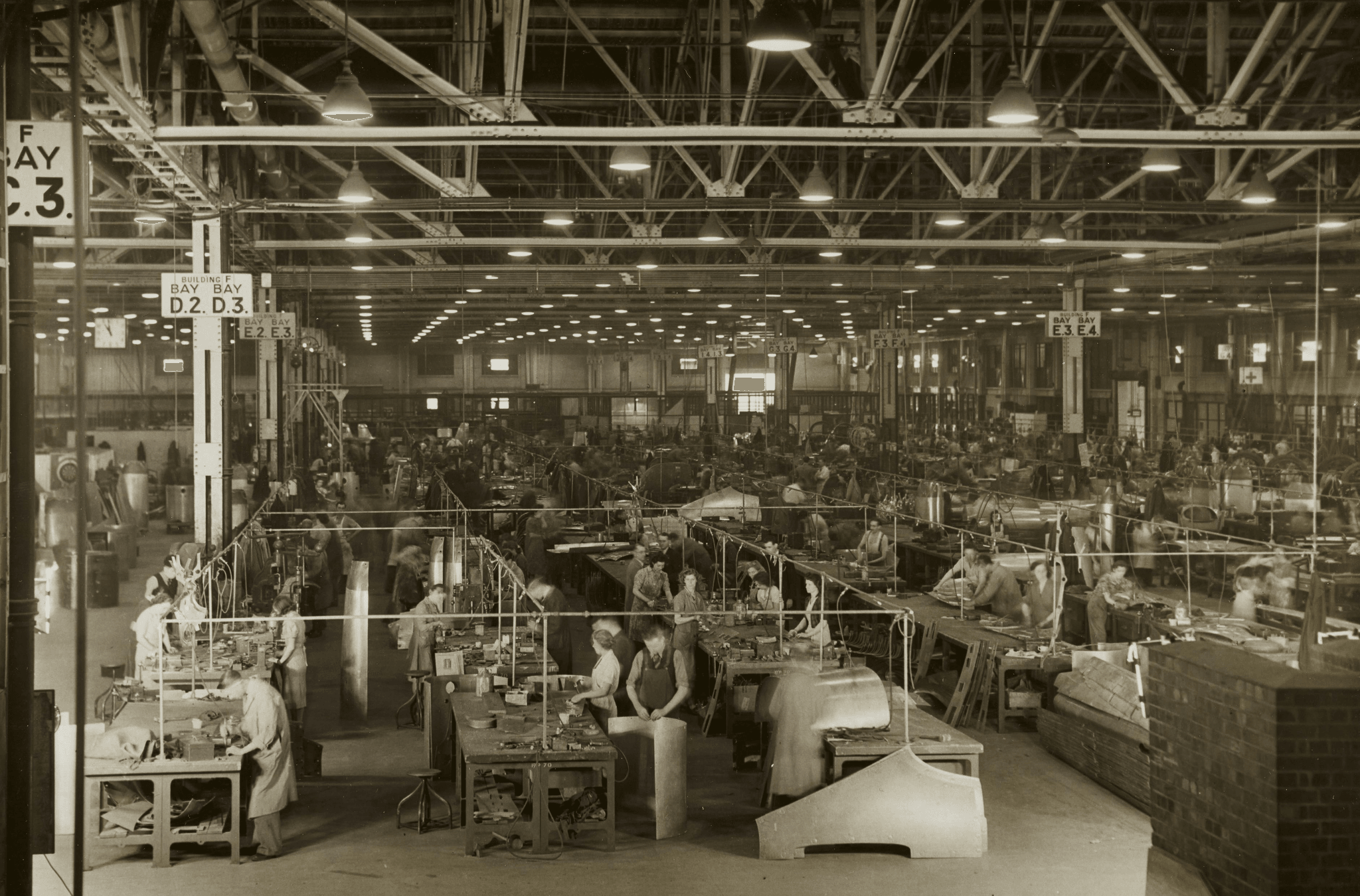
Navigating the regulatory landscape is crucial for any modular building factory. These regulations not only ensure safety but also streamline processes, making it easier for companies like PreFab Inc. to operate efficiently. Understanding the various standards can help in avoiding costly delays and penalties.
Zoning Laws and Building Codes
Zoning laws dictate how land can be used, which directly impacts the establishment of a modular building factory. Each region has specific building codes that must be adhered to, ensuring that structures are safe and suitable for their intended purposes. For PreFab Inc., compliance with these laws is essential in securing permits and maintaining a good relationship with local authorities.
Building codes also cover aspects such as structural integrity, fire safety, and energy efficiency, all critical in modular construction. By ensuring that their designs meet or exceed these codes, PreFab Inc. not only protects its investment but also enhances its reputation in the industry. Ultimately, understanding zoning laws and building codes helps streamline the establishment of a modular building factory while promoting community trust.
Quality Assurance Practices
Quality assurance practices are vital for maintaining high standards within a modular building factory environment. These practices involve regular inspections and testing throughout the manufacturing process to ensure that every module meets established specifications before leaving the factory floor. For PreFab Inc., implementing rigorous quality control measures not only guarantees customer satisfaction but also reduces waste and rework costs.
Moreover, consistent quality assurance helps build a strong brand reputation in the competitive market of modular construction. By adhering to industry best practices, PreFab Inc.'s commitment to excellence sets it apart from competitors who may overlook these critical aspects of production. Ultimately, effective quality assurance fosters confidence among clients looking to invest in modular buildings.
Safety Regulations in Modular Construction
Safety regulations play an indispensable role in operating a successful modular building factory like PreFab Inc., ensuring both worker safety and product reliability. These regulations encompass everything from machinery operation protocols to emergency response plans tailored specifically for manufacturing environments. By prioritizing safety compliance, PreFab Inc. not only protects its employees but also mitigates potential liabilities associated with workplace accidents.
In addition to protecting workers, adhering to safety regulations enhances overall operational efficiency within the factory setting by minimizing disruptions caused by unsafe conditions or accidents on-site. Furthermore, demonstrating a strong commitment to safety can serve as a significant selling point when attracting clients interested in sustainable business practices within modular construction projects. In conclusion, embracing safety regulations is essential for creating an environment where innovation thrives without compromising well-being.
Case Studies of Successful Modular Factories

The world of modular construction is rapidly evolving, and the successes of various companies showcase the potential of modular building factories. By examining these case studies, we can glean insights into innovative practices, project execution, and the overall benefits that come from utilizing modular design. Among these examples, PreFab Inc. stands out as a leader in industry innovations.
PreFab Inc. and Industry Innovations
PreFab Inc. has been at the forefront of revolutionizing the modular building factory landscape. Their commitment to innovation is evident in their state-of-the-art manufacturing processes that streamline production while maintaining high-quality standards. By integrating advanced technologies such as automation and robotics into their workflow, PreFab Inc. has significantly reduced construction timelines and costs associated with traditional building methods.
Moreover, PreFab Inc.'s focus on sustainability sets them apart from competitors; they utilize eco-friendly materials that not only minimize waste but also enhance energy efficiency in their structures. This combination of innovation and environmental responsibility positions PreFab Inc. as a benchmark for other modular factories aiming to make an impact in the industry. Ultimately, their approach demonstrates how a well-designed modular building factory can lead to both economic and ecological benefits.
Notable Projects Using Modular Design
Several notable projects have successfully utilized modular design principles, showcasing the versatility and efficiency of this construction method. For instance, a recent initiative involved constructing affordable housing units within just a few months using components fabricated at a dedicated modular building factory. This project not only addressed urgent housing needs but also highlighted how quickly communities can benefit from innovative solutions like those offered by PreFab Inc.
Another remarkable example is an educational facility built entirely through modular design techniques that allowed for rapid deployment without compromising on quality or aesthetics. The use of prefabricated modules enabled seamless integration with existing infrastructure while minimizing disruption during construction phases—a win-win for local stakeholders involved in urban development projects.
These successful implementations underscore how embracing modular design can yield impressive results across various sectors—from residential to commercial—proving that this approach is more than just a trend; it’s becoming essential for future developments.
Lessons from Leading Modular Manufacturers
Learning from leading manufacturers like PreFab Inc., several key lessons emerge about optimizing operations within a modular building factory context. First and foremost, investing in cutting-edge technology is crucial; automation not only enhances productivity but also ensures precision during fabrication processes—elements vital for achieving consistent quality across all projects.
Secondly, collaboration between architects, engineers, and production teams fosters creativity while streamlining communication throughout every phase of development—an essential aspect often overlooked in traditional construction methods where silos may exist among departments.
Lastly, adaptability remains paramount; successful manufacturers must be willing to pivot based on market demands or emerging trends within the industry landscape—something that companies like PreFab Inc. have mastered over time through continuous learning and improvement strategies embedded into their organizational culture.
In conclusion, these case studies illustrate both the practical applications of modular design as well as the transformative potential inherent within modernized manufacturing approaches found at leading firms such as PreFab Inc., paving pathways towards more efficient construction methodologies moving forward.
Conclusion
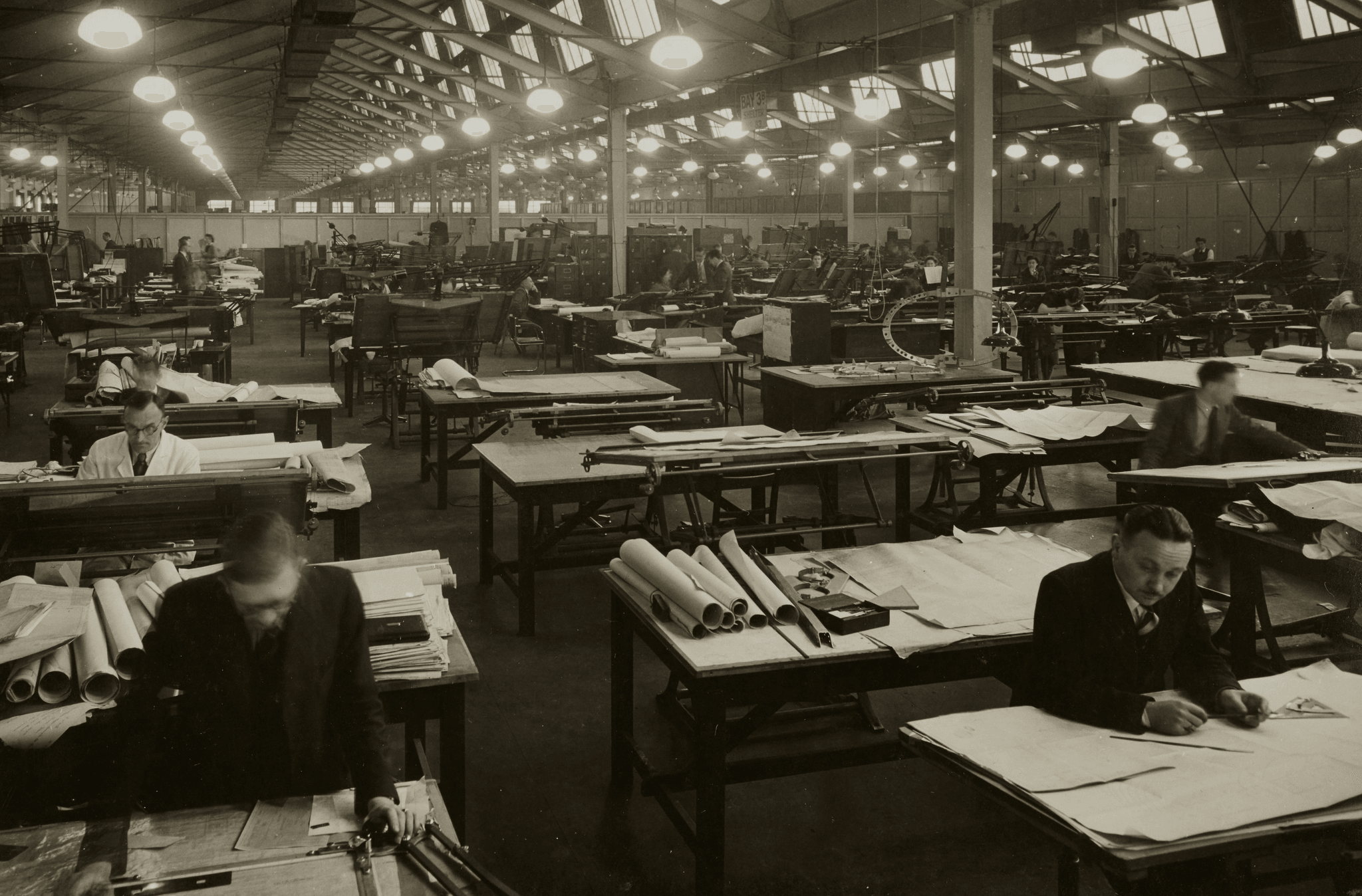
In wrapping up our exploration of modular building factories, it's clear that this innovative approach to construction is not just a trend; it’s the future. As we embrace efficiency, sustainability, and customization, modular factories like PreFab Inc. are poised to lead the charge in transforming how we conceive and construct buildings. With the right strategies in place, the potential for growth and innovation is limitless.
The Future of Modular Building Factories
The future of modular building factories looks incredibly promising as technology continues to advance at a rapid pace. Innovations in automation and sustainable materials will pave the way for more efficient production processes and environmentally friendly practices within the construction industry. Companies like PreFab Inc. are already leveraging these advancements to create structures that are not only faster to build but also tailored to meet specific client needs.
As we move forward, we can anticipate increased collaboration between architects, engineers, and manufacturers in designing modular components that seamlessly integrate with traditional construction methods. This hybrid approach will likely expand the market for modular building factories beyond residential projects into commercial spaces, schools, and healthcare facilities. Ultimately, this evolution will redefine what we consider possible in construction.
Maximizing Efficiency in Production
Maximizing efficiency in production is essential for any modular building factory aiming to thrive in today’s competitive landscape. By adopting lean manufacturing principles and embracing cutting-edge technologies such as robotics and AI-driven software solutions, companies can significantly reduce waste while increasing output quality and speed. PreFab Inc., for instance, has implemented smart manufacturing techniques that streamline workflows and enhance productivity across all stages of production.
Moreover, optimizing supply chain management ensures that materials arrive on time without unnecessary delays or costs—another crucial factor in maintaining efficiency within a modular factory setting. By fostering strong relationships with suppliers who understand the unique demands of modular construction, businesses can better manage inventory levels while avoiding bottlenecks during peak production periods. In short, strategic planning combined with innovative technologies can yield remarkable results.
Choosing the Right Partner for Modular Projects
When embarking on a modular project journey, choosing the right partner is paramount to success—especially when navigating complex regulations and site-specific challenges inherent to modular building factories. Collaborating with an experienced company like PreFab Inc., known for its robust portfolio of successful projects and industry expertise, can help streamline your project from conception through completion. A solid partnership ensures you have access to valuable resources such as design support and compliance guidance tailored specifically for your needs.
Additionally, evaluating potential partners based on their commitment to sustainability practices can play a significant role in aligning your project goals with broader environmental objectives—an increasingly important consideration today. Look for partners who prioritize innovative solutions while maintaining high standards of quality assurance throughout every phase of development; this will ultimately lead to successful outcomes that exceed expectations!
Embracing the potential of modular building factories opens up exciting avenues for growth across various sectors while maximizing efficiency through strategic partnerships will be key moving forward.