

Introduction
The landscape of construction is rapidly evolving, with prefabricated structure design leading the charge into a new era of building. As we look ahead, it becomes clear that innovations are not just enhancing the industry; they are revolutionizing how we think about space, efficiency, and sustainability. With companies like PreFab Inc. at the forefront, the future promises to be more efficient and environmentally friendly than ever before.
Future of Prefabricated Structure Design
The future of prefabricated structure design is bright and full of possibilities. With advancements in technology and materials, buildings can now be constructed faster and with greater precision than traditional methods allow. This shift not only saves time but also opens up new avenues for creative architectural expression.
Innovations Shaping the Industry
Innovations in prefabricated structure design are transforming the way we approach construction projects from start to finish. Techniques such as 3D printing and advanced modular systems are making it easier for architects and builders to collaborate effectively while minimizing waste. Companies like PreFab Inc. are leveraging these cutting-edge technologies to deliver projects that meet modern demands without compromising on quality or aesthetics.
Sustainability and Efficiency in Construction
Sustainability is no longer just a buzzword; it's an integral part of prefabricated structure design today. By utilizing eco-friendly materials and efficient manufacturing processes, builders can significantly reduce their carbon footprint while still delivering high-quality structures. The commitment to sustainable practices is not only beneficial for the environment but also enhances overall efficiency in construction—a win-win scenario that PreFab Inc. proudly champions.
The Rise of Modular Construction
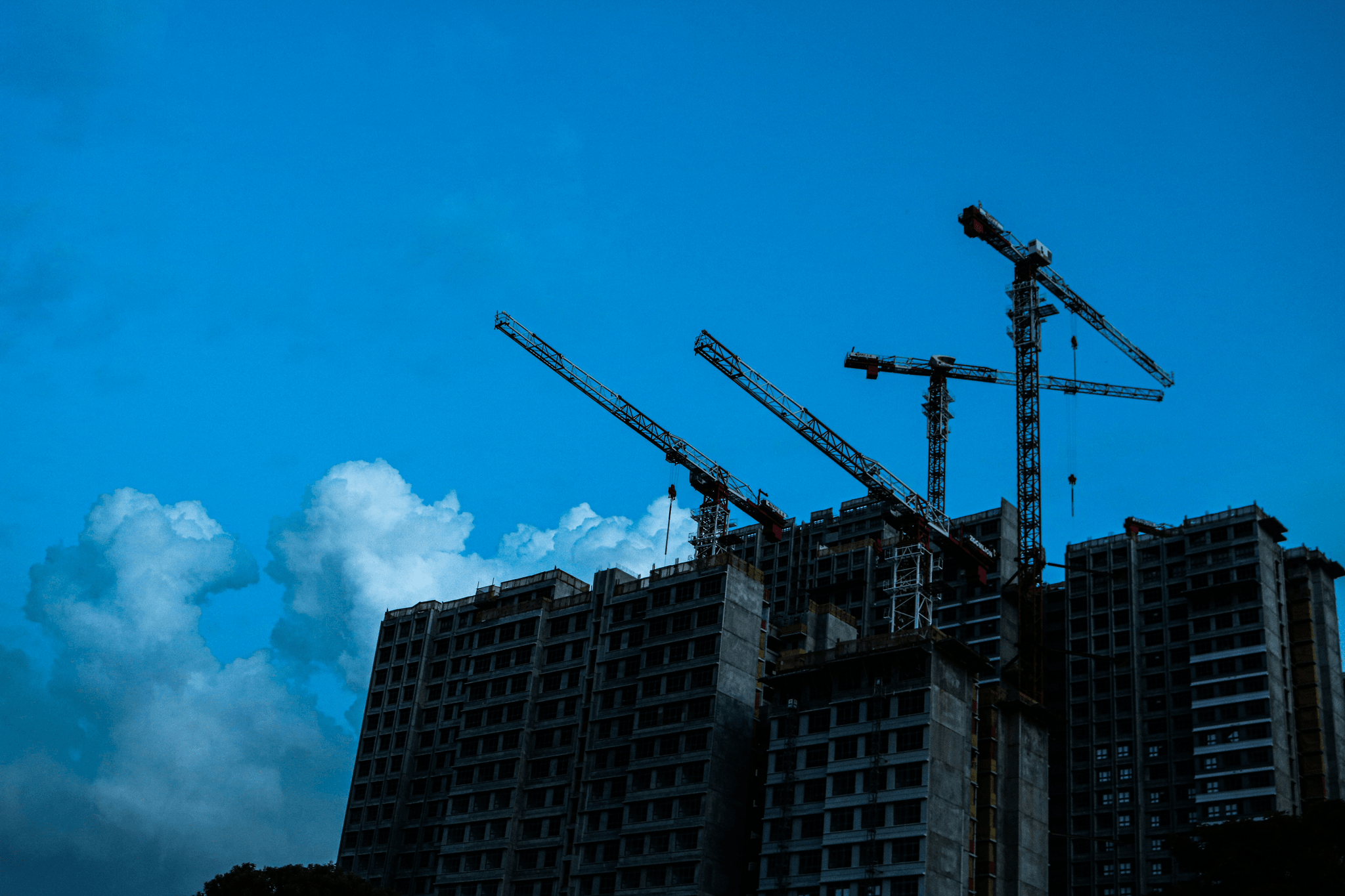
Modular construction is rapidly transforming the landscape of prefabricated structure design, offering a fresh approach to building that prioritizes efficiency and flexibility. This method involves constructing sections of a building—known as modules—off-site and then transporting them to the final location for assembly. As we delve into this exciting trend, we’ll explore the key benefits of modular design, influential companies making waves in this sector, and some successful case studies that highlight its effectiveness.
Key Benefits of Modular Design
One of the standout advantages of modular construction is its speed; projects can be completed significantly faster than traditional building methods. Since modules are built in a controlled factory environment, weather-related delays are minimized, allowing for a streamlined process that can reduce project timelines by up to 50%. Additionally, prefabricated structure design offers enhanced quality control; each module undergoes rigorous inspections before delivery, ensuring that buildings meet high standards right from the start.
Cost-effectiveness is another critical benefit associated with modular design. By utilizing standardized components and reducing on-site labor needs, companies like PreFab Inc. can deliver impressive savings without sacrificing quality or aesthetics. Moreover, this approach allows for greater flexibility in design and layout, making it easier to adapt spaces according to specific client needs or changing market demands.
Lastly, modular construction promotes sustainability—a vital consideration in today’s eco-conscious world. The efficient use of materials reduces waste during both manufacturing and assembly processes while also allowing for energy-efficient designs that lower operating costs over time. With these compelling benefits in mind, it’s clear why modular construction is gaining traction across various sectors.
Influential Companies in Modular Building
Several pioneering companies are leading the charge in the realm of modular construction and redefining prefabricated structure design as we know it today. One such company is PreFab Inc., renowned for its innovative approach to creating versatile modules that cater to diverse architectural styles and functional requirements. Their commitment to quality craftsmanship and sustainable practices has positioned them as industry leaders who set trends rather than follow them.
Another notable player is Katerra—a tech-driven company focused on streamlining the entire construction process through advanced manufacturing techniques. By integrating technology with traditional building methods, they aim to reduce costs while improving efficiency across all phases of a project. Their unique blend of expertise has garnered attention from investors and clients alike who seek cutting-edge solutions within the modular space.
Lastly, Factory OS stands out with its mission to revolutionize affordable housing through scalable modular solutions designed for rapid deployment without compromising quality or safety standards. Their focus on community-centric designs showcases how prefabricated structures can address pressing social issues while promoting sustainable living environments—an essential aspect as cities continue growing at unprecedented rates.
Case Studies of Successful Projects
To illustrate the potential impact of modular construction on prefabricated structure design, let’s take a closer look at some successful projects that have embraced this innovative approach. One prime example is the Pacific Park development in Brooklyn—a massive undertaking comprising multiple residential towers built using modular techniques by FullStack Modular and other partners involved in collaboration with PreFab Inc.'s innovative designs for specific units within this complex.
Another inspiring case study comes from Canada’s Icon Legacy Custom Modular Homes which constructed an entire community featuring energy-efficient homes designed with modern amenities—all delivered via their state-of-the-art factory production lines! This project not only demonstrates how effective off-site manufacturing can be but also highlights how sustainable practices can lead directly into thriving neighborhoods filled with happy residents enjoying their eco-friendly lifestyles.
Finally yet importantly—let's not forget about Marriott International's Moxy Hotel brand which has successfully implemented modular construction strategies across various locations worldwide! By utilizing prefab units manufactured off-site before being assembled onsite; they’ve managed quicker build times while maintaining hotel quality standards expected by guests everywhere!
In conclusion: As we witness more success stories emerge from these trailblazers within our industry—it becomes increasingly evident just how transformative modular construction truly is when it comes down achieving excellence within modern-day architecture!
Smart Technology Integration
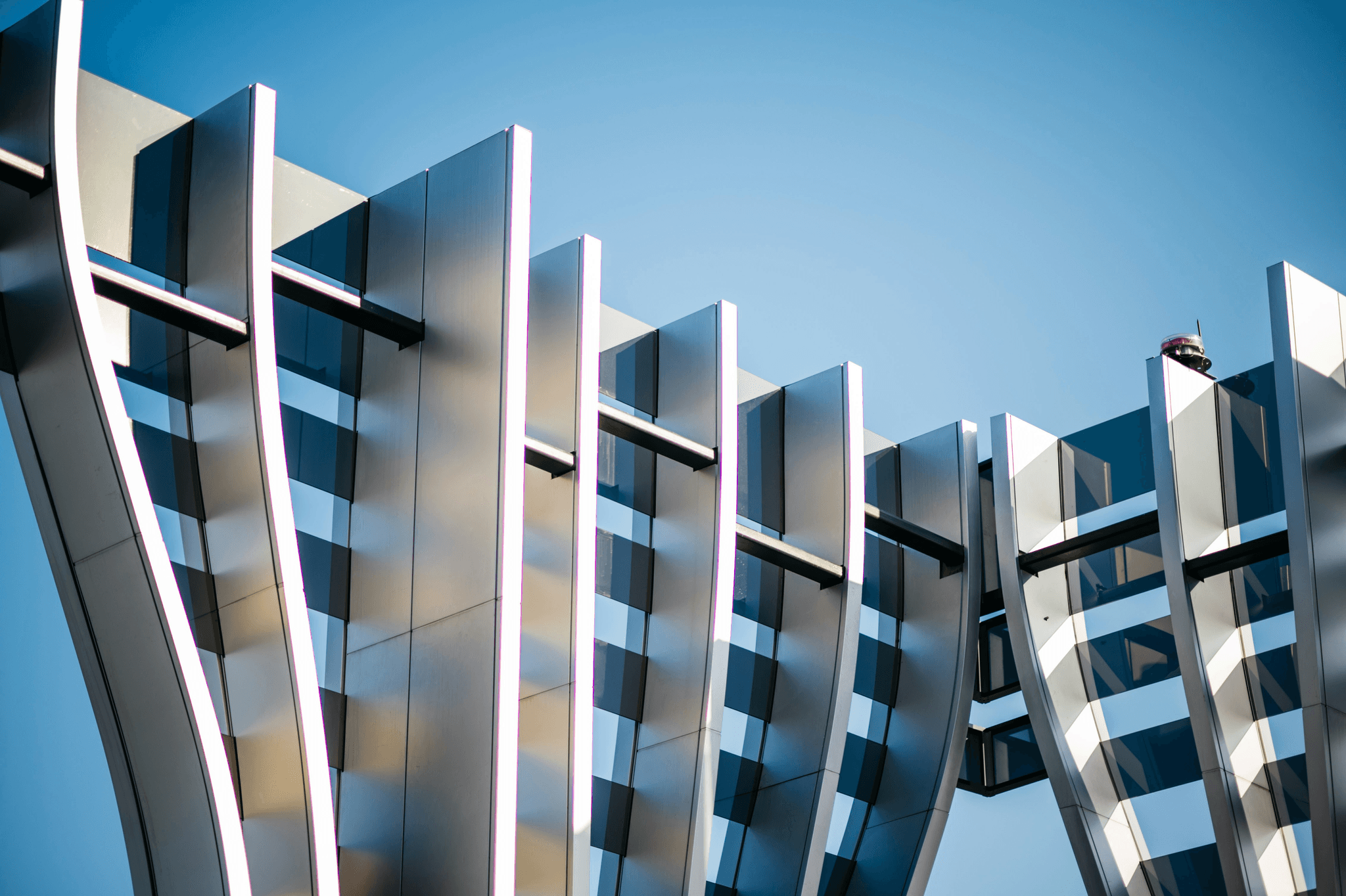
In the rapidly evolving landscape of prefabricated structure design, smart technology integration is becoming a game-changer. By leveraging the Internet of Things (IoT), builders can create structures that not only meet modern needs but also adapt to them over time. This integration enhances operational efficiency and provides valuable data that can inform future construction projects.
IoT in Prefabricated Structures
The Internet of Things (IoT) has revolutionized prefabricated structure design by enabling real-time monitoring and management of building systems. Sensors embedded within these structures collect data on everything from energy consumption to structural integrity, allowing for proactive maintenance and optimization. With IoT, the traditional approach to building management transforms into a dynamic system that enhances both comfort and sustainability.
As buildings become smarter, they can automatically adjust lighting, heating, and cooling based on occupancy patterns or environmental conditions. This level of automation not only improves user experience but also significantly reduces energy waste—an essential factor in sustainable construction practices. Companies like PreFab Inc. are at the forefront of this trend, incorporating IoT solutions into their prefabricated designs to create smarter living spaces.
Companies Leading the Smart Revolution
Several companies are paving the way for smart technology in prefabrication, with PreFab Inc. leading the charge in innovative design solutions. Industry giants like Katerra and Factory OS are also making waves by integrating advanced technologies into their modular projects, showcasing how smart features can enhance functionality without compromising aesthetics. These companies understand that embracing technology is crucial for staying competitive in an increasingly eco-conscious market.
Moreover, partnerships between tech firms and construction companies are becoming more common as they seek to merge expertise in software development with traditional building methods. This collaboration fosters innovation that leads to more efficient workflows and improved project outcomes across various sectors within prefabricated structure design. As these players continue to push boundaries, we can expect an influx of cutting-edge solutions tailored specifically for modern construction needs.
Enhancing Efficiency with Tech Solutions
The integration of tech solutions within prefabricated structure design isn't just about adding gadgets; it's about fundamentally transforming how we build and manage our environments efficiently. Advanced software tools allow architects and builders to simulate performance during the design phase, identifying potential issues before construction even begins—saving time and resources down the line. Additionally, tech-driven project management platforms streamline communication among stakeholders ensuring everyone is aligned throughout the building process.
Furthermore, machine learning algorithms can analyze historical data from previous projects to predict outcomes for new builds effectively—this predictive capability empowers companies like PreFab Inc., helping them make informed decisions that lead to higher quality results while minimizing waste. As efficiency becomes paramount in today’s fast-paced world, those who embrace these technological advancements will undoubtedly lead the charge towards a more sustainable future in construction.
Sustainable Materials and Practices
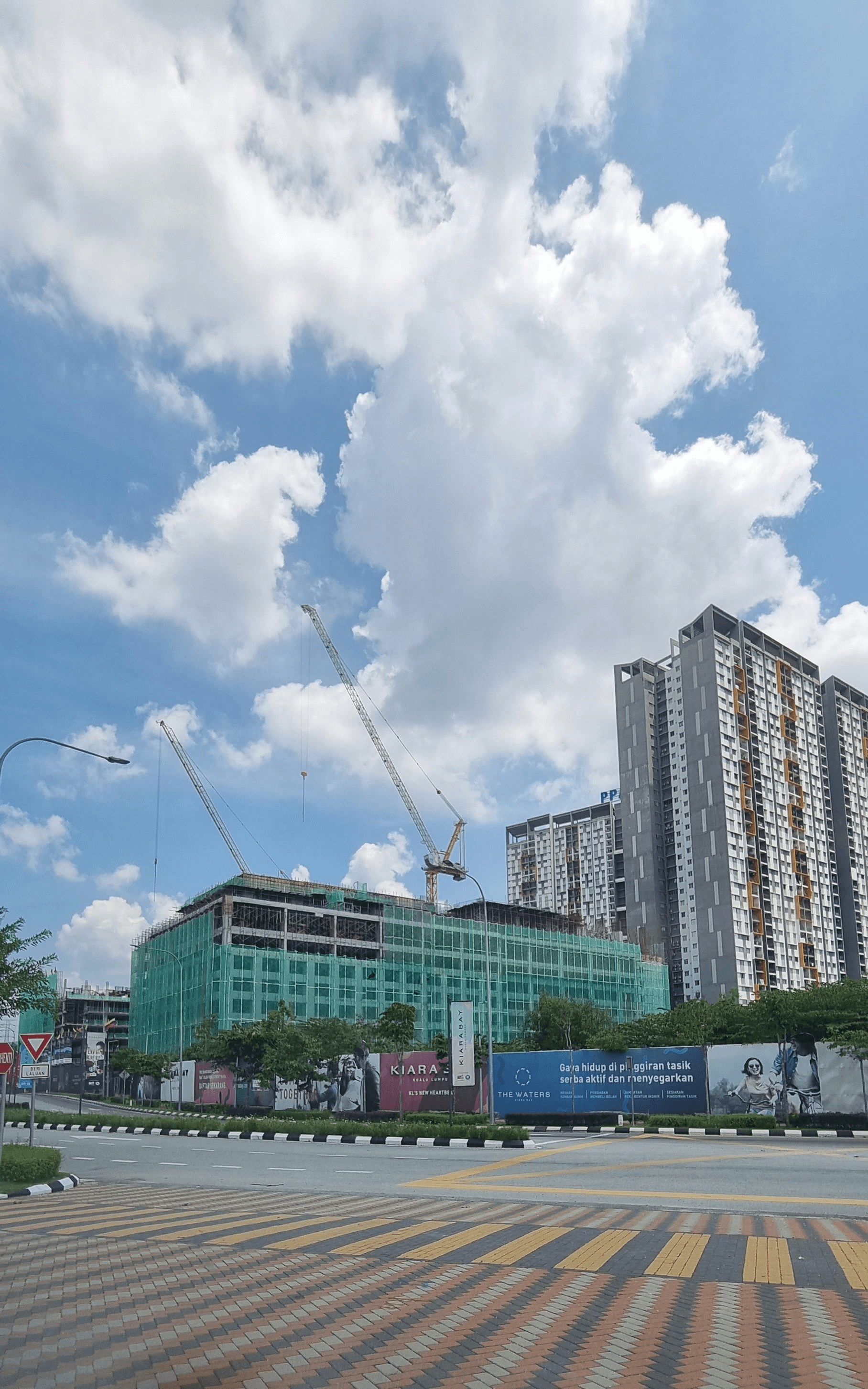
In the realm of prefabricated structure design, sustainability has emerged as a leading priority. With growing concerns about environmental impact, the industry is witnessing a shift towards eco-friendly materials and practices that not only meet regulatory standards but also resonate with environmentally conscious consumers. By embracing sustainable methodologies, companies like PreFab Inc. are redefining what it means to construct efficiently and responsibly.
Eco-Friendly Options in Prefabrication
Eco-friendly options in prefabricated structure design include a variety of innovative materials such as recycled steel, bamboo, and reclaimed wood. These materials not only reduce waste but also lower the carbon footprint associated with traditional construction methods. Additionally, advancements in insulation technologies help enhance energy efficiency, making these structures more sustainable over their lifespans.
Another exciting development is the use of bio-based materials like hempcrete and mycelium composites that are gaining traction within the industry. These materials offer superior thermal performance while being entirely biodegradable or recyclable at the end of their life cycle. As demand for green building solutions grows, prefabricated structures are increasingly incorporating these eco-friendly options to attract environmentally aware clients.
Notable Brands Utilizing Green Materials
Several notable brands have taken significant strides in integrating green materials into their prefabricated structure designs, showcasing a commitment to sustainability that sets them apart from traditional builders. Companies like Katerra and Plant Prefab have made headlines for their innovative use of sustainable timber and efficient manufacturing processes that minimize waste during production. PreFab Inc., too, stands out by prioritizing eco-conscious sourcing for its projects while ensuring high-quality outcomes.
Additionally, brands like EcoSteel focus on using recycled steel to create durable structures that can withstand various environmental conditions without compromising sustainability principles. Their approach highlights how prefabrication can align with both aesthetic appeal and ecological responsibility—an essential balance for modern construction endeavors today. This trend demonstrates that going green is not just good for the planet; it can also be economically advantageous.
Lifecycle Assessment of Prefabricated Structures
Lifecycle assessment (LCA) plays a crucial role in evaluating the environmental impact of prefabricated structure designs throughout their lifecycle—from material extraction through construction to demolition or recycling phases. By conducting LCAs, companies can identify areas where they can improve efficiency and reduce resource consumption significantly over time. This analytical approach empowers organizations like PreFab Inc., allowing them to make informed decisions about material choices and construction methods.
Moreover, LCA helps highlight how prefabrication can lead to less waste compared to conventional building practices by promoting off-site manufacturing where precision cuts minimize excess material usage on-site. The results often reveal substantial reductions in energy consumption during both construction and operation phases when using sustainable practices alongside smart technology integration—a win-win scenario!
In conclusion, as we continue exploring sustainable materials and practices within prefabricated structure design, it's clear that innovation isn't just about aesthetics; it's also about responsibility towards our environment—and that's something we should all get behind!
Regulatory Trends and Compliance
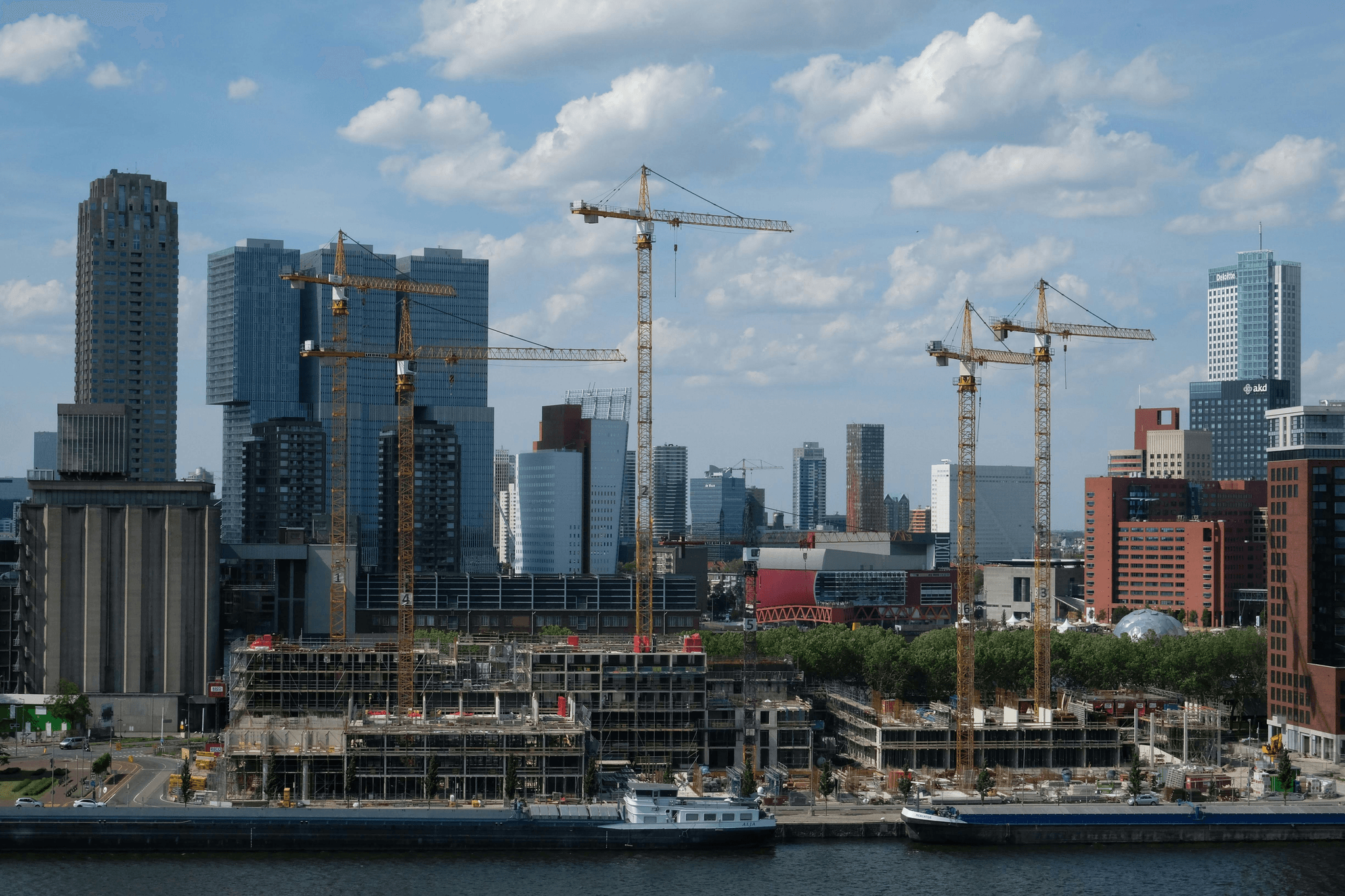
The landscape of prefabricated structure design is evolving rapidly, and with it comes the challenge of navigating an increasingly complex web of building codes and regulations. As modular construction gains traction, local governments and regulatory bodies are adapting their guidelines to accommodate these innovative methods. This creates both opportunities and obstacles for companies like PreFab Inc., which must stay ahead of the curve to ensure compliance while pushing the boundaries of design.
Navigating Building Codes for Prefabrication
Building codes are essential for ensuring safety, sustainability, and efficiency in construction projects, including those involving prefabricated structures. However, these codes can vary significantly from one jurisdiction to another, making it imperative for companies engaged in prefabricated structure design to be well-versed in local regulations. PreFab Inc. takes a proactive approach by collaborating with local authorities during the planning stages of projects, ensuring that their designs meet all necessary standards while also innovating within those frameworks.
How Industry Leaders Adapt to Regulations
Industry leaders are constantly adapting their strategies to comply with evolving regulations surrounding prefabricated structure design. Many have invested in specialized teams dedicated solely to understanding and interpreting building codes, allowing them to streamline processes without sacrificing creativity or quality. By staying informed about legislative changes and actively participating in discussions on regulatory updates, these companies can not only comply but also influence future guidelines that may foster innovation.
The Role of PreFab Inc. in Compliance
PreFab Inc. stands at the forefront of regulatory compliance within the realm of prefabricated structure design by employing a robust compliance strategy that integrates legal expertise with cutting-edge technology. Their commitment goes beyond mere adherence; they aim to set industry standards through advocacy for sensible regulations that promote sustainable practices without stifling creativity. By championing transparency and collaboration with regulatory bodies, PreFab Inc. is paving the way for a future where innovative building solutions can flourish alongside stringent safety standards.
Aesthetic Innovations in Design
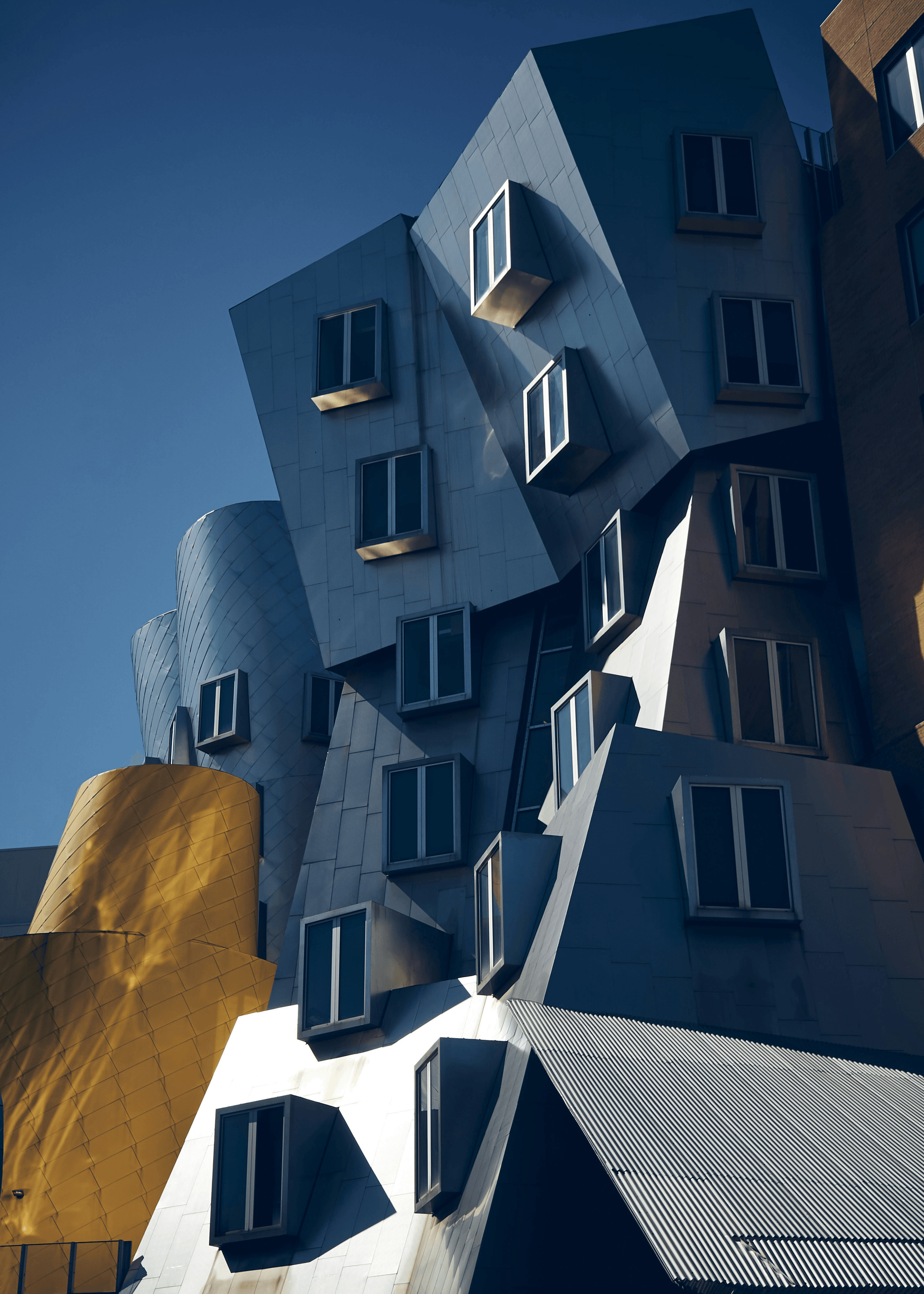
The landscape of prefabricated structure design is evolving, where aesthetics are no longer an afterthought but a central consideration. Creative approaches to prefabrication are breaking the mold, allowing architects and designers to explore unique forms and finishes that enhance visual appeal. This shift not only elevates the aesthetic value of prefabricated buildings but also challenges traditional perceptions about what modular structures can achieve.
Creative Approaches to Prefabricated Aesthetics
In today's market, creative approaches to prefabricated structure design are flourishing, with innovative materials and bold designs taking center stage. Architects are experimenting with unconventional shapes, color palettes, and textures that transform standard modules into striking works of art. By integrating artistic elements into prefabrication, companies like PreFab Inc. are redefining how we view modular buildings—no longer just functional spaces but also vibrant expressions of creativity.
Moreover, the use of advanced technologies such as 3D printing allows for intricate designs that were once deemed impossible in traditional construction methods. This fusion of technology and artistry enables a level of customization that appeals to diverse client needs while maintaining efficiency in production timelines. As a result, the aesthetic potential of prefabricated structures is being fully realized.
Architects Influencing Modern Prefabrication
Several forward-thinking architects are significantly influencing modern prefabrication by pushing boundaries in design and functionality within the realm of prefabricated structure design. Visionaries like Bjarke Ingels and Zaha Hadid have embraced modular techniques to create iconic buildings that challenge conventional architectural norms while ensuring sustainability remains at their core. Their work serves as an inspiration for emerging architects who wish to incorporate artistic flair into their own projects.
These architects understand that aesthetics can enhance not only visual appeal but also user experience within these spaces. By collaborating with companies like PreFab Inc., they leverage cutting-edge technology while adhering to sustainable practices—proving that beauty and efficiency can coexist harmoniously in construction projects. The impact these designers have on modern architecture goes beyond individual projects; they set trends that ripple through the industry.
Unique Projects Showcasing Design Trends
Unique projects across the globe showcase innovative trends in prefabricated structure design that highlight both beauty and functionality. For instance, consider the stunning modular housing development in Amsterdam designed by a collaborative team led by renowned architect Marlies Rohmer; this project exemplifies how thoughtful design can create livable yet visually appealing communities using prefab techniques. Such initiatives demonstrate how aesthetics can drive interest in sustainable living solutions.
Another noteworthy example is PreFab Inc.'s recent collaboration on a community center featuring dynamic shapes and vibrant colors—a true testament to what modern modular architecture can achieve when creativity meets practicality. These projects not only serve their intended purposes but also inspire admiration from both residents and visitors alike through their striking appearances and innovative designs. Ultimately, these examples prove that when it comes to prefabrication, imagination knows no bounds.
Conclusion
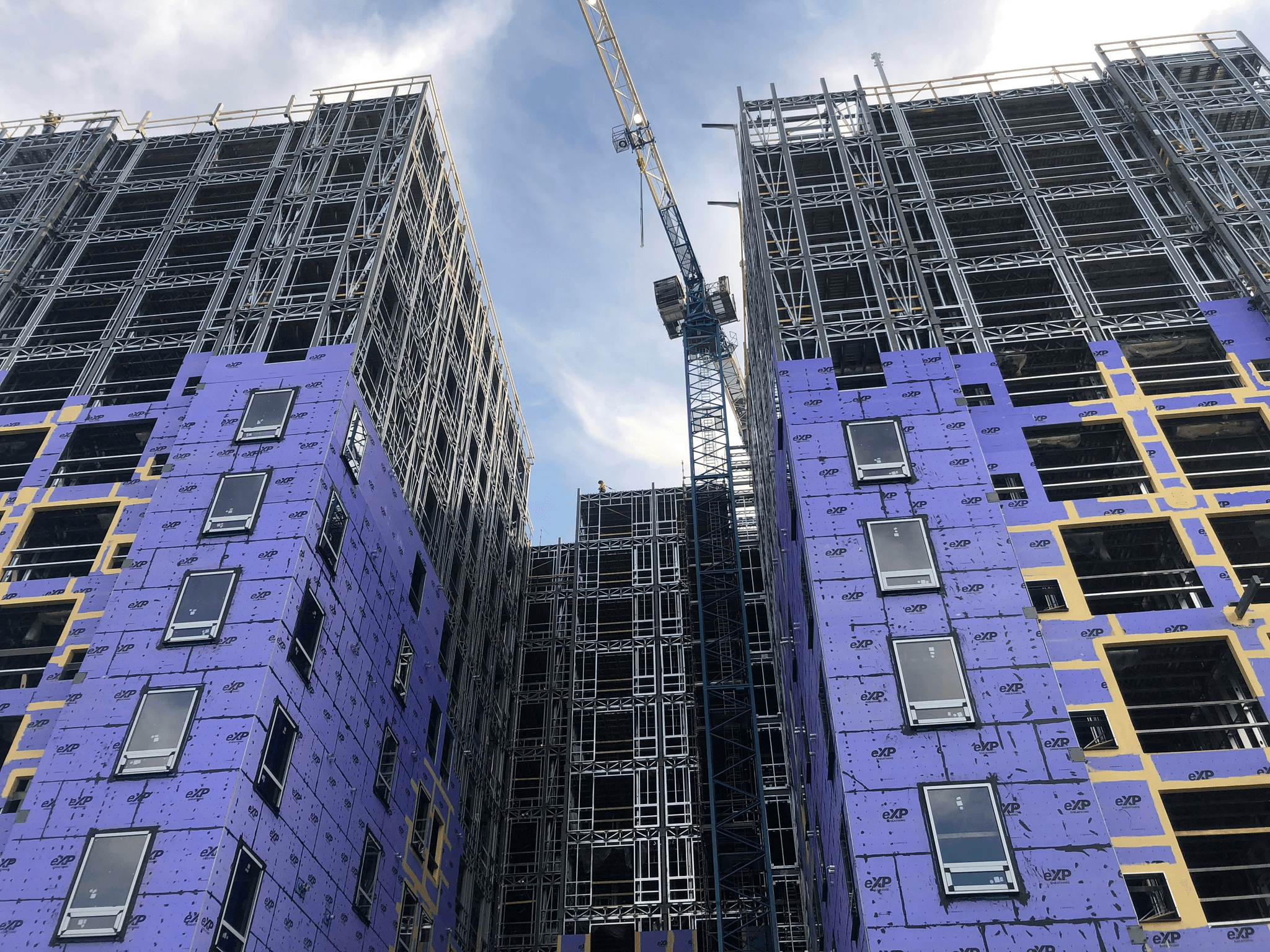
In the rapidly evolving landscape of construction, prefabricated structure design stands out as a beacon of innovation and efficiency. As we have explored, the integration of smart technology, sustainable materials, and modular construction methods are transforming how we think about building. The future promises not only enhanced functionality but also an aesthetic revolution that challenges traditional norms.
Key Takeaways from Prefabrication Trends
The key takeaways from recent trends in prefabricated structure design highlight a shift towards modularity and sustainability. First, the rise of modular construction offers significant benefits such as reduced waste and faster project timelines, making it attractive for developers and clients alike. Additionally, the incorporation of smart technologies is streamlining operations while enhancing user experience—an essential aspect in today's tech-savvy world.
The Future of Sustainable Building Practices
Looking ahead, the future of sustainable building practices is bright with innovations in prefabricated structure design leading the charge. Eco-friendly materials are becoming more accessible, promoting greener choices that align with global sustainability goals. As climate concerns intensify, companies like PreFab Inc. are setting a precedent for responsible construction practices that prioritize both environmental health and economic viability.
How PreFab Inc. is Pioneering Change
PreFab Inc. is at the forefront of this transformation in prefabricated structure design by embracing cutting-edge technology and sustainable methodologies. Their commitment to integrating smart solutions into their projects not only enhances efficiency but also positions them as industry leaders in compliance with evolving regulations. By championing innovative designs that marry functionality with aesthetics, PreFab Inc. continues to redefine what modern construction can achieve.