

Introduction
In recent years, the construction industry has witnessed a significant shift towards prefab buildings, sparking curiosity about what exactly constitutes a prefab building. These innovative structures are not only redefining traditional building methods but also offering exciting possibilities for efficiency and sustainability. As we dive into this topic, it’s essential to understand the rise of modular construction and explore why choosing prefab for your next project could be a game-changer.
Understanding Prefab Buildings Today
So, what is a prefab building? At its core, it refers to any structure that is manufactured off-site and then assembled on location. This method stands in stark contrast to conventional construction techniques where everything is built from scratch on-site, often leading to longer timelines and increased costs. With companies like PreFab Inc., the modern approach to prefab buildings emphasizes quality, speed, and sustainability.
The Rise of Modular Construction
The rise of modular construction can be attributed to various factors including technological advancements and an increasing demand for affordable housing solutions. Today’s modular buildings are not just functional; they are stylish and customizable, catering to diverse architectural tastes while maintaining efficiency in production. As more people ask themselves what is a prefab building, they discover that these structures can meet both aesthetic desires and practical needs.
Why Choose Prefab for Your Next Project
Choosing prefab for your next project can lead to numerous benefits that traditional construction methods simply can't match. From reduced construction times to lower labor costs and minimized waste, opting for prefabricated structures makes financial sense as well as environmental sense. With PreFab Inc., you can navigate this exciting world of modular design with ease while ensuring your project aligns with contemporary sustainability goals.
Defining Prefab Buildings
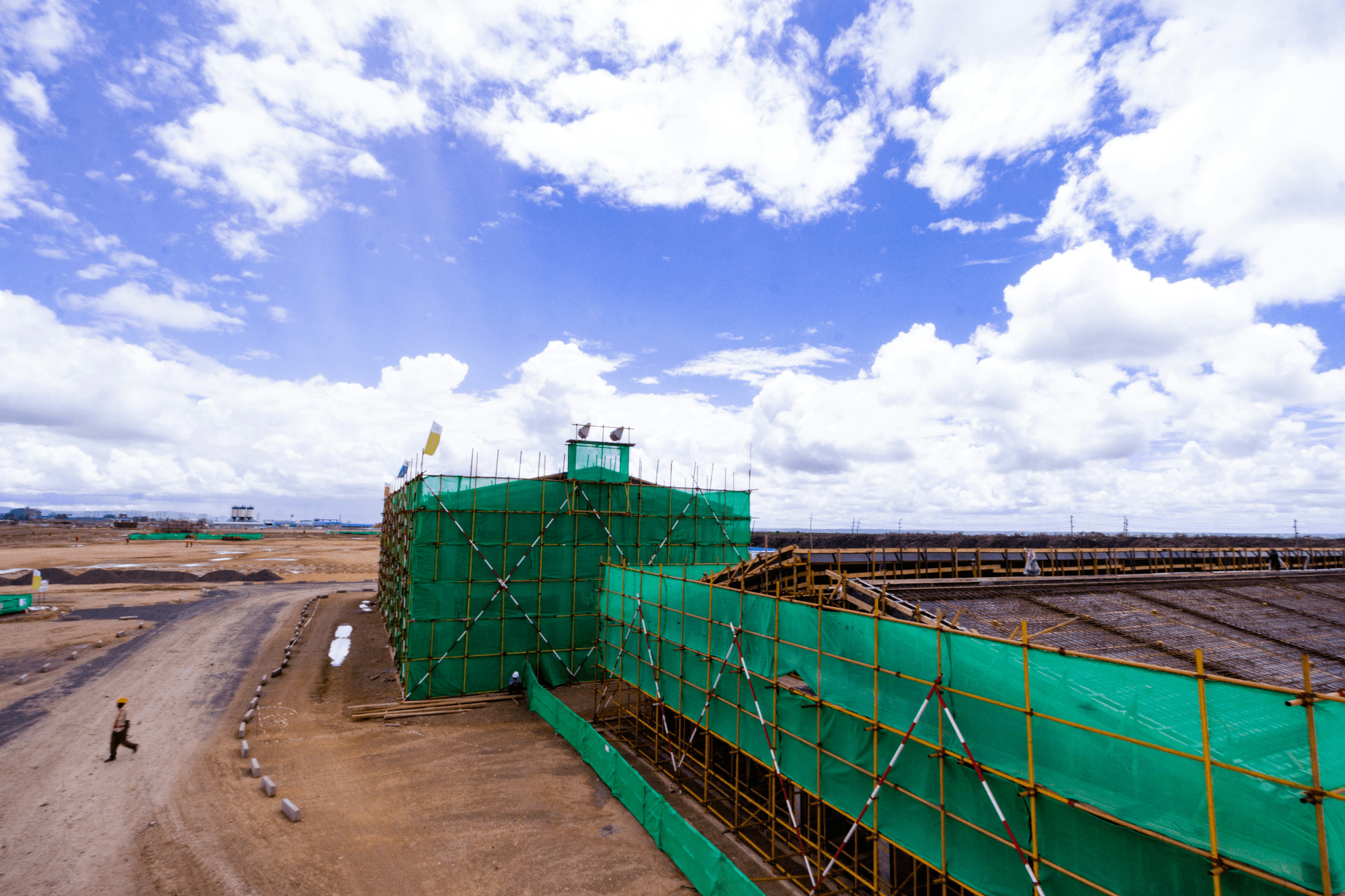
Prefab buildings are revolutionizing the way we think about construction. But what exactly is a prefab building? Simply put, it refers to structures that are manufactured off-site in a controlled environment and then transported to the final site for assembly. This method of construction is gaining popularity due to its efficiency, speed, and flexibility.
What Sets Prefab Apart
What sets prefab apart from traditional construction methods is its streamlined process. Prefab buildings are designed with precision in factories, which means reduced on-site labor and minimized weather-related delays. Additionally, this approach often allows for greater customization options without the typical headaches associated with conventional builds—making it an attractive choice for many.
Common Types of Prefab Structures
When considering what is a prefab building, it's essential to recognize the various types available on the market today. Common types include modular homes, panelized structures, and pre-cut kits that cater to different needs and budgets. From single-family residences to large commercial spaces, prefab buildings can be tailored for diverse applications while maintaining quality standards.
How Prefab Differs from Traditional Construction
The differences between prefab and traditional construction are stark yet fascinating. Unlike conventional methods that rely heavily on on-site labor and lengthy timelines, prefab buildings are assembled quickly due to their pre-manufactured components. This not only speeds up project completion but also helps reduce costs—a win-win scenario for builders and homeowners alike!
The Construction Process
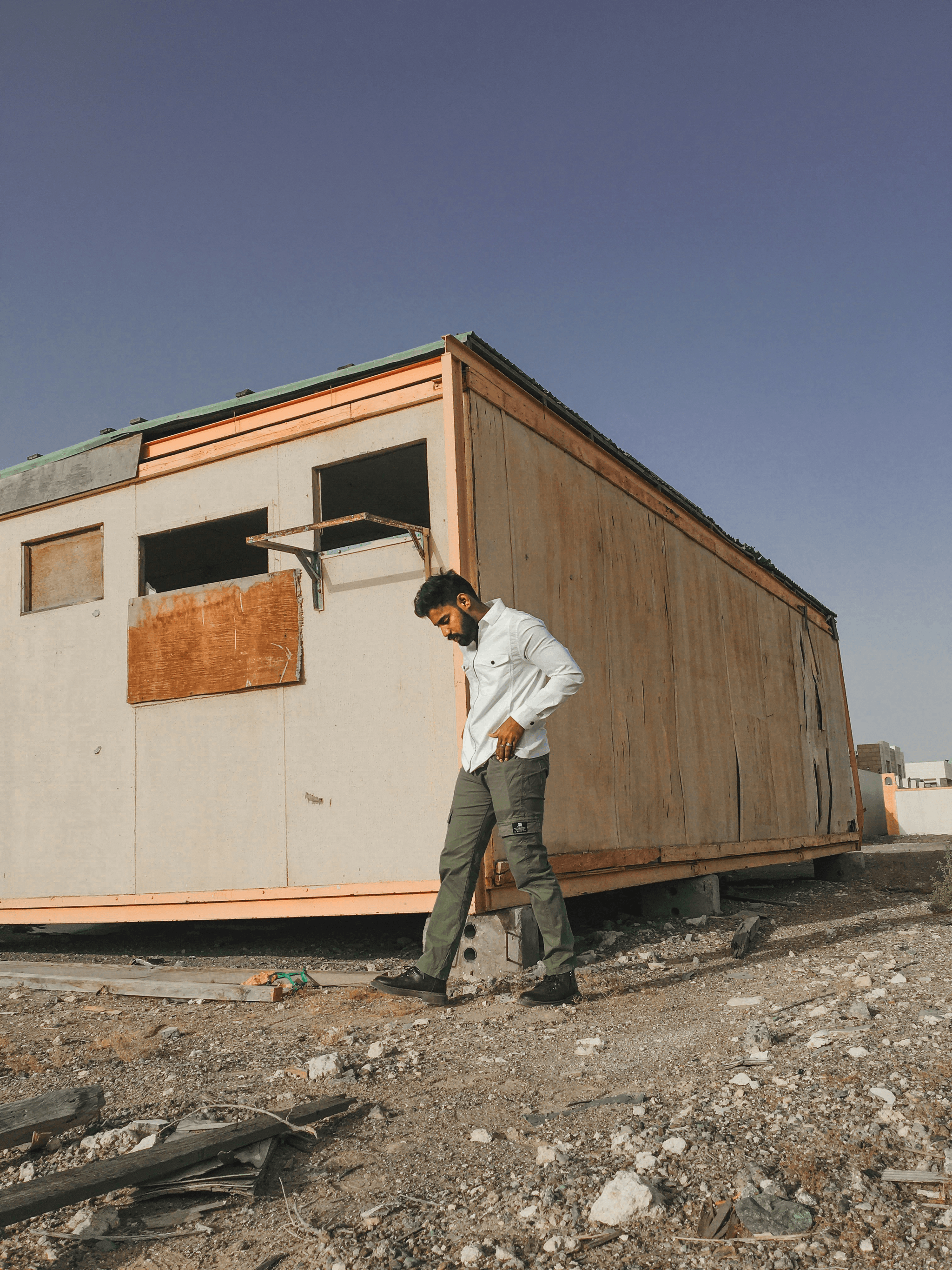
When it comes to prefab buildings, understanding the construction process is essential for making informed decisions about your next project. Prefab construction involves a series of carefully orchestrated steps that streamline the building experience, ensuring efficiency and quality from start to finish. From design to delivery, each phase is crucial in shaping what is a prefab building that meets the needs of its future occupants.
Steps in Prefab Building Creation
The journey of creating a prefab building begins with meticulous planning and design. Architects and engineers collaborate to develop blueprints that align with local regulations and client specifications, ensuring that what is a prefab building matches both aesthetics and functionality. Once the designs are finalized, components like walls, roofs, and floors are manufactured off-site in controlled environments, significantly reducing construction time.
After manufacturing, these components are transported to the construction site where they are assembled like a giant puzzle. This assembly process typically takes days or weeks rather than months compared to traditional methods—another reason why many choose prefab for their projects. Finally, finishing touches such as plumbing and electrical installations complete what is a prefab building ready for occupancy.
Role of Technology in Prefab Manufacturing
Technology plays an indispensable role in the prefabrication process by enhancing precision and efficiency at every stage. Advanced software allows architects to create detailed 3D models that aid in visualizing what is a prefab building before any physical work begins. Moreover, automation tools streamline production lines in factories, ensuring consistent quality across all components.
Additionally, technologies such as Building Information Modeling (BIM) enable real-time collaboration among stakeholders throughout the project lifecycle. This ensures everyone—from designers at PreFab Inc. to contractors on-site—is on the same page about timelines and specifications for what is a prefab building. As technology continues to evolve, we can expect even more innovative solutions that will further enhance modular construction processes.
Quality Control in Prefab Construction
Quality control is paramount when it comes to constructing what is a prefab building; after all, you want your investment to stand the test of time! At PreFab Inc., rigorous quality assurance protocols are implemented at every stage of production—from material selection through final assembly on-site—to ensure everything meets industry standards and client expectations. Each component undergoes inspections before leaving the factory floor so you can rest easy knowing your new structure has been thoroughly vetted.
Furthermore, post-construction evaluations help identify any potential issues early on—because nobody wants surprises after moving into their new home or office! With strict adherence to quality control measures throughout the entire process of creating what is a prefab building, clients can enjoy peace of mind knowing they’ve chosen durability without compromising style or functionality.
Environmental Benefits
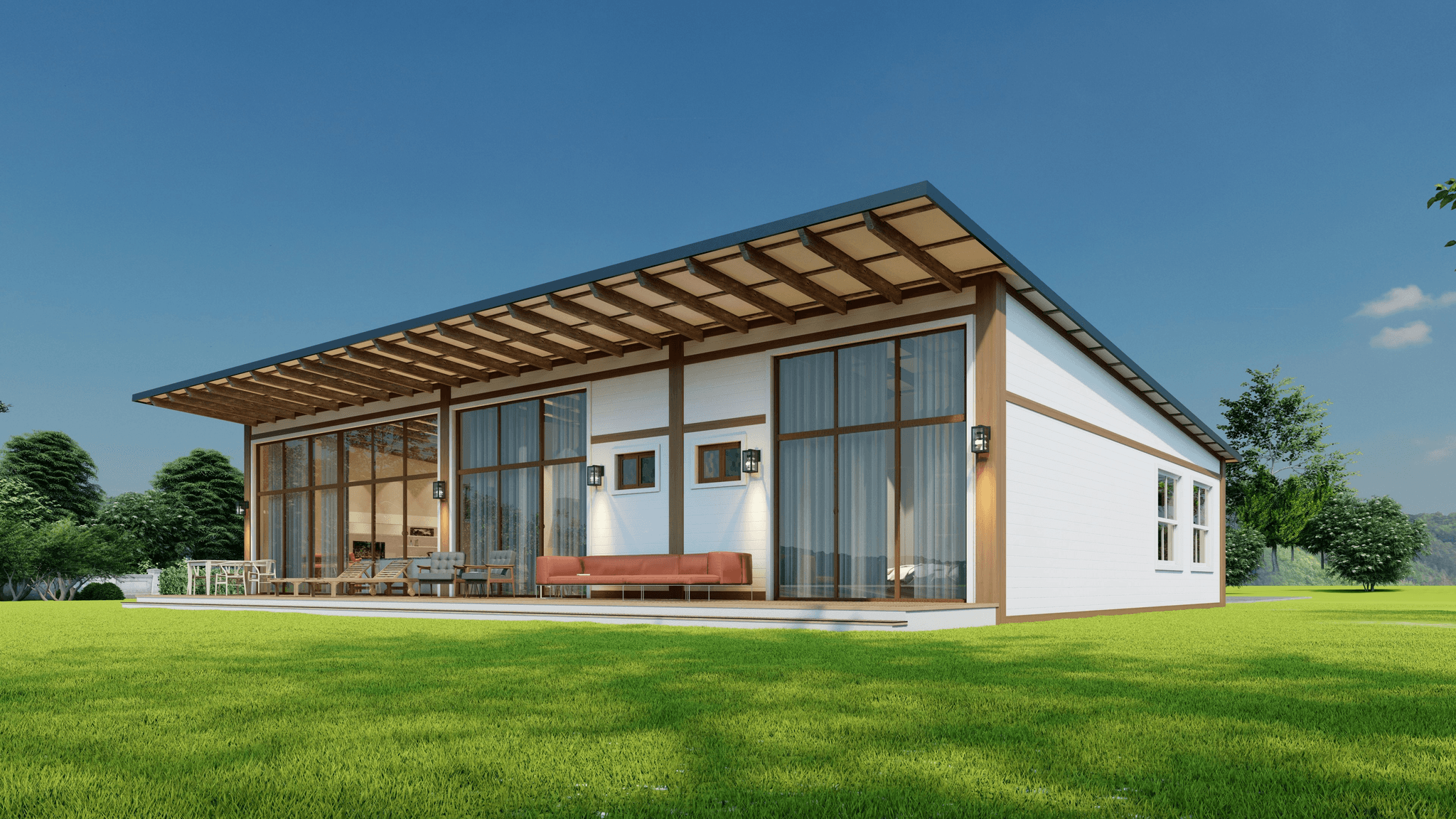
In today's world, where sustainability is a growing concern, the environmental benefits of prefab buildings are hard to ignore. Prefab construction not only utilizes innovative techniques but also prioritizes eco-friendly practices that contribute to a healthier planet. So, what is a prefab building? It’s a structure crafted with sustainable materials and designed for energy efficiency, making it an ideal choice for environmentally-conscious builders and homeowners alike.
Sustainable Materials Used in Prefab
One of the standout features of prefab buildings is their use of sustainable materials. Many manufacturers, including PreFab Inc., source eco-friendly resources such as recycled steel and sustainably harvested wood to create their structures. This commitment to sustainability ensures that what is a prefab building not only looks good but also has a reduced carbon footprint compared to traditional construction methods.
Additionally, many prefab companies are adopting advanced manufacturing processes that minimize waste during production. By using precise measurements and cutting techniques, they can maximize material usage while reducing excess scraps. This approach reinforces the notion that choosing what is a prefab building can be both stylish and responsible.
Energy Efficiency of Prefab Buildings
Energy efficiency is another critical aspect of why so many people are asking, what is a prefab building? These structures often come equipped with modern insulation technologies and energy-efficient windows that help regulate indoor temperatures without heavy reliance on heating or cooling systems. As a result, homeowners can enjoy lower utility bills while minimizing their environmental impact.
Moreover, many prefab designs incorporate renewable energy solutions such as solar panels or green roofs into their plans right from the start. This forward-thinking approach means that what is a prefab building today could very well be tomorrow's model for sustainable living spaces. With PreFab Inc., you can rest assured knowing your investment aligns with both your values and your budget.
Reducing Waste through Modular Design
The modular design inherent in prefab construction plays an essential role in waste reduction during both the manufacturing process and on-site assembly. Unlike traditional construction methods that generate significant debris from cut-offs and excess materials, modular designs allow for more efficient use of resources by creating sections off-site before transporting them for final assembly. This streamlined approach leads to less waste overall—something every builder should consider when pondering what is a prefab building.
Furthermore, since prefabricated components are built under controlled conditions in factories rather than exposed job sites, they are less susceptible to damage from weather-related issues or theft—further reducing material loss before completion. The end result? A cleaner project site and fewer resources wasted throughout the lifecycle of the build! When you choose PreFab Inc., you're not just opting for convenience; you're also making an environmentally conscious choice.
Cost-Effectiveness of Prefab
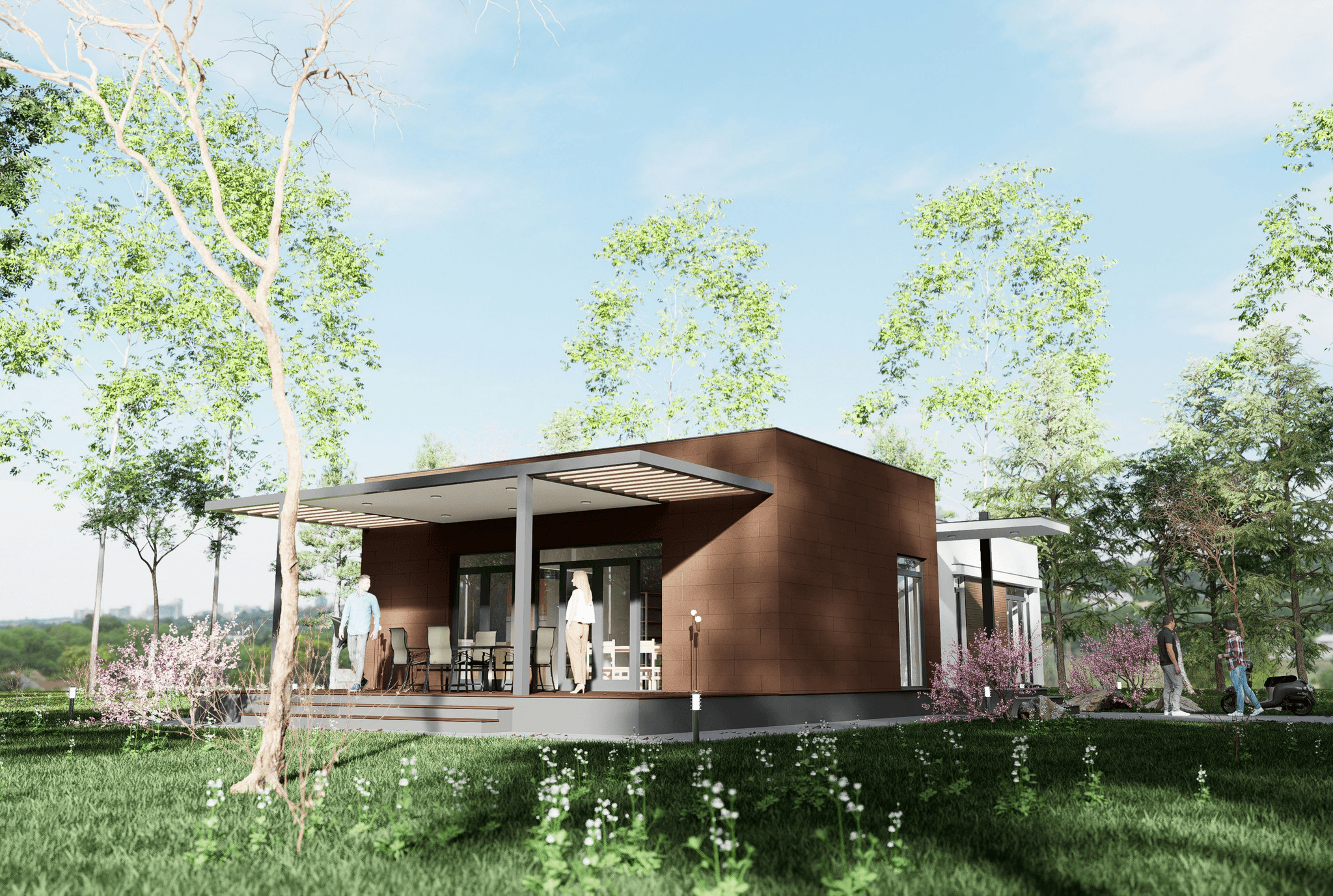
When considering a construction project, one of the most significant factors is cost. Prefab buildings have gained attention for their potential to save money without compromising quality. By understanding the financial implications of what is a prefab building, you can make an informed decision that aligns with your budget and long-term goals.
Initial Investment vs Long-term Savings
The initial investment in prefab construction may seem higher than traditional methods at first glance, but it's essential to look beyond the upfront costs. What is a prefab building? It's not just a structure; it's an efficient system designed to minimize waste and maximize value over time. Many homeowners find that while they might pay slightly more initially, the long-term savings in energy efficiency and reduced maintenance costs far outweigh those early expenditures.
Moreover, because prefab buildings are constructed in controlled environments, they often experience fewer delays and cost overruns compared to conventional building projects. These savings can add up quickly, making modular construction an attractive option for those looking to invest wisely in their property. With PreFab Inc., you can rest assured that your investment will yield significant returns down the line.
Budgeting for a Prefab Project
Budgeting for a prefab project requires careful planning and consideration of various factors unique to this type of construction. When determining how much you need to allocate for what is a prefab building, consider not only the costs associated with materials but also transportation and assembly expenses. It's crucial to create a detailed breakdown of all potential costs so that there are no surprises along the way.
Additionally, working with experienced professionals like PreFab Inc. can help streamline this process by providing accurate estimates based on your specific needs and preferences. They can guide you through selecting features that fit within your budget while still delivering on quality and functionality. Remember that budgeting effectively now means fewer headaches later!
Financing Options for Prefab Buildings
Financing options for prefab buildings have become more accessible as their popularity has surged in recent years. Traditional loans may be available, but there are also specialized financing programs designed specifically for what is a prefab building projects—these often come with lower interest rates or flexible terms tailored to fit your needs better. Exploring these options can open new doors when it comes to funding your dream home or commercial space.
Working closely with lenders who understand modular construction will provide insights into how best to finance your project without breaking the bank. PreFab Inc.'s team can assist you in navigating these financing avenues while ensuring you're fully informed about each option's pros and cons before making decisions. Ultimately, finding the right financing solution will empower you to bring your vision of what is a prefab building into reality without unnecessary financial strain.
Real-World Applications
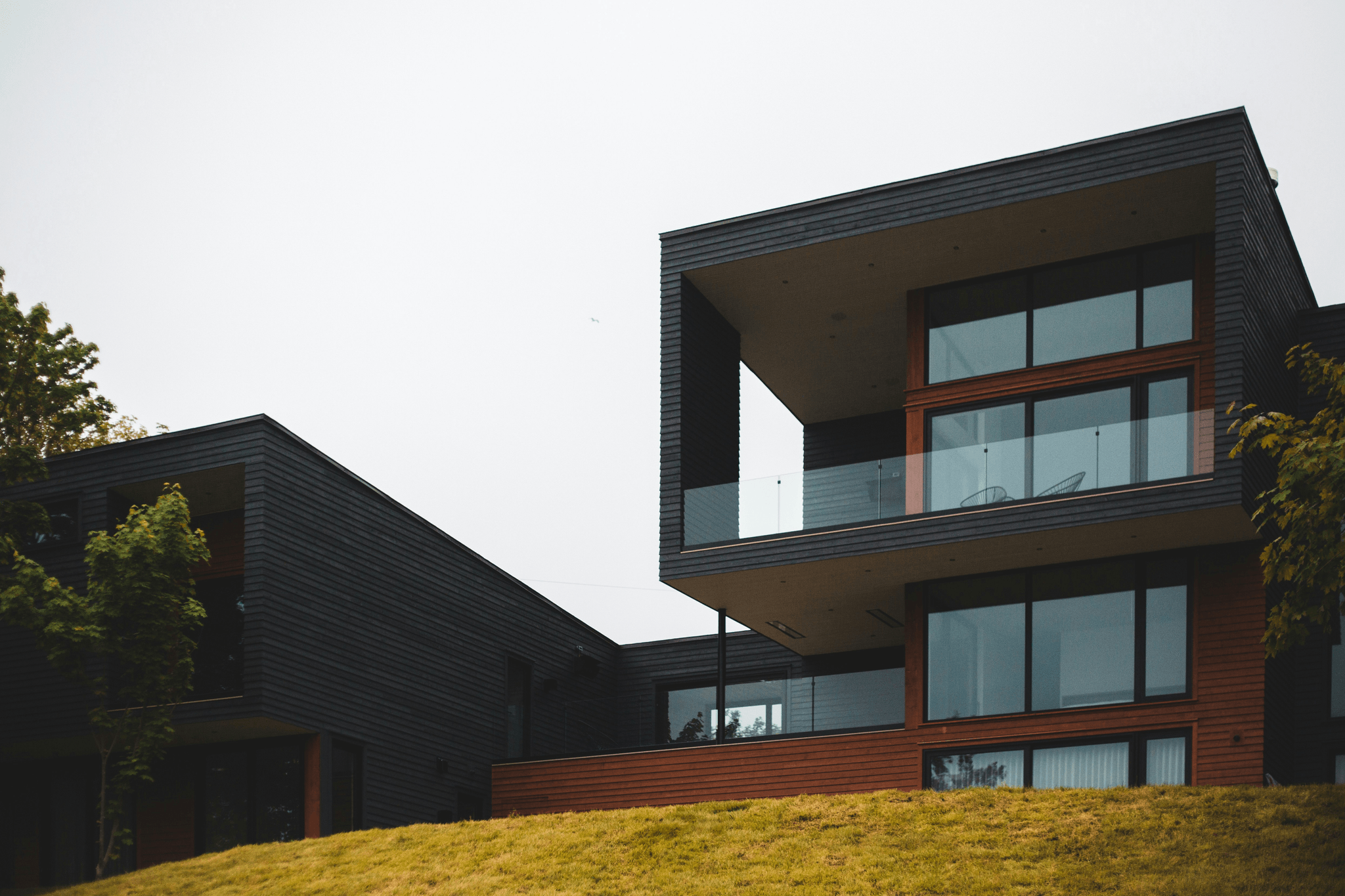
Prefab buildings are not just a trend; they’re transforming how we think about construction across various sectors. From cozy homes to sprawling commercial spaces, the versatility of prefab structures makes them suitable for a wide range of applications. Let’s explore how these innovative designs are making waves in the real world.
Residential Homes Built with Prefab
When it comes to residential homes, prefab buildings offer a unique solution that combines efficiency and style. Homebuyers are increasingly asking, What is a prefab building? as they seek affordable yet stylish housing options. PreFab Inc. specializes in creating custom-designed homes that fit any lifestyle, proving that modular doesn’t mean mundane.
These homes can be tailored to individual preferences while maintaining high standards of quality and sustainability. With features like energy-efficient designs and sustainable materials, prefab residences appeal to eco-conscious buyers looking for modern living solutions. As more people discover the benefits of prefab homes, the market continues to grow, showcasing an exciting future for residential construction.
Commercial and Industrial Uses of Prefab
Prefab buildings have also made their mark in the commercial and industrial sectors, offering rapid deployment and scalability that traditional construction often lacks. Businesses are realizing that asking What is a prefab building? opens doors to innovative solutions for offices, warehouses, and retail spaces alike. PreFab Inc.'s modular designs allow companies to expand or relocate with minimal disruption while maintaining aesthetic appeal.
From pop-up shops to large-scale manufacturing facilities, the adaptability of prefab is unmatched in today’s fast-paced economy. The reduced construction time means businesses can focus on what truly matters: growth and productivity without being bogged down by lengthy build times or rising costs associated with traditional methods. This practicality makes prefabricated structures an attractive option for entrepreneurs looking to make their mark.
Unique and Innovative Prefab Projects
The realm of prefab buildings isn’t limited to standard designs; it’s also home to some truly unique projects that push the boundaries of architecture and creativity. Think tiny houses on wheels or stunning vacation cabins nestled in nature—these examples highlight just how versatile “what is a prefab building” can be when imagination takes flight! PreFab Inc.'s portfolio includes an array of imaginative projects that demonstrate how modular design can cater to diverse needs while still being environmentally friendly.
Architects are increasingly embracing modularity not only for its practicality but also for its potential in creating eye-catching structures that stand out from conventional builds. From art installations made from repurposed containers to community centers designed with sustainability at their core, these innovative uses showcase the limitless possibilities inherent in prefabrication technology. As we look ahead, it's clear that the future will see even more groundbreaking applications emerge from this exciting field.
Conclusion
Prefab buildings are changing the landscape of construction, offering innovative solutions that cater to modern needs. As we've explored, these structures provide a unique blend of efficiency, sustainability, and cost-effectiveness that traditional methods often struggle to match. So, what is a prefab building? It's not just a trend; it's a smart choice for your next project.
Key Takeaways on Prefab Buildings
In summary, prefab buildings stand out because of their streamlined construction process and environmental benefits. By utilizing advanced technology and sustainable materials, they minimize waste while maximizing energy efficiency—something increasingly important in today's eco-conscious society. If you're wondering what is a prefab building and how it can benefit you, remember that it combines innovation with practicality.
Exploring Your Prefab Options
When considering your options for construction, take the time to explore the variety of prefab solutions available today. From residential homes to commercial spaces, there’s a prefab design that fits almost every need and budget. Understanding what is a prefab building can empower you to make informed decisions about your project with PreFab Inc., ensuring you get the best value without compromising quality.
The Future of Prefab Construction with PreFab Inc.
Looking ahead, the future of prefab construction appears bright with companies like PreFab Inc. leading the charge in innovation and quality assurance. As technology continues to evolve, so will the capabilities of modular designs—making them even more appealing for diverse applications across various industries. So if you're still asking yourself what is a prefab building and why it matters now more than ever—it's time to dive into this exciting world!