

Introduction
In the ever-evolving world of real estate, the concept of prefab homes is gaining traction among savvy homebuyers. Prefab, short for prefabricated, refers to homes that are built off-site and then assembled on location, offering a modern solution to traditional housing challenges. As people become increasingly aware of the cost of prefab homes and their benefits, they are turning their attention to this innovative approach in home buying.
Understanding the Prefab Home Concept
Prefab homes come in various styles and designs, from modular units to panelized structures, all designed with efficiency and sustainability in mind. These homes are manufactured in a controlled environment, which not only speeds up construction but also minimizes waste—an appealing factor for eco-conscious buyers. By understanding what prefab homes entail, potential homeowners can appreciate how they challenge conventional building methods while offering significant cost savings.
Why Cost Matters in Home Buying
When it comes to buying a home, cost is often at the forefront of every buyer's mind. The financial implications extend beyond just the initial purchase price; ongoing maintenance and energy efficiency also play crucial roles in long-term affordability. By considering the cost of prefab homes as part of their overall budget strategy, buyers can make informed decisions that align with their financial goals.
The Rise of Prefab Homes Today
The popularity of prefab homes has surged recently due to advancements in technology and shifting consumer preferences toward more sustainable living options. With rising construction costs and labor shortages impacting traditional homebuilding methods, many are now looking towards prefab solutions as a viable alternative. PreFab Inc., at the forefront of this movement, offers innovative designs that cater to modern needs while keeping an eye on the cost of prefab homes—making them an attractive option for first-time buyers and seasoned homeowners alike.
The Basics of Prefab Homes
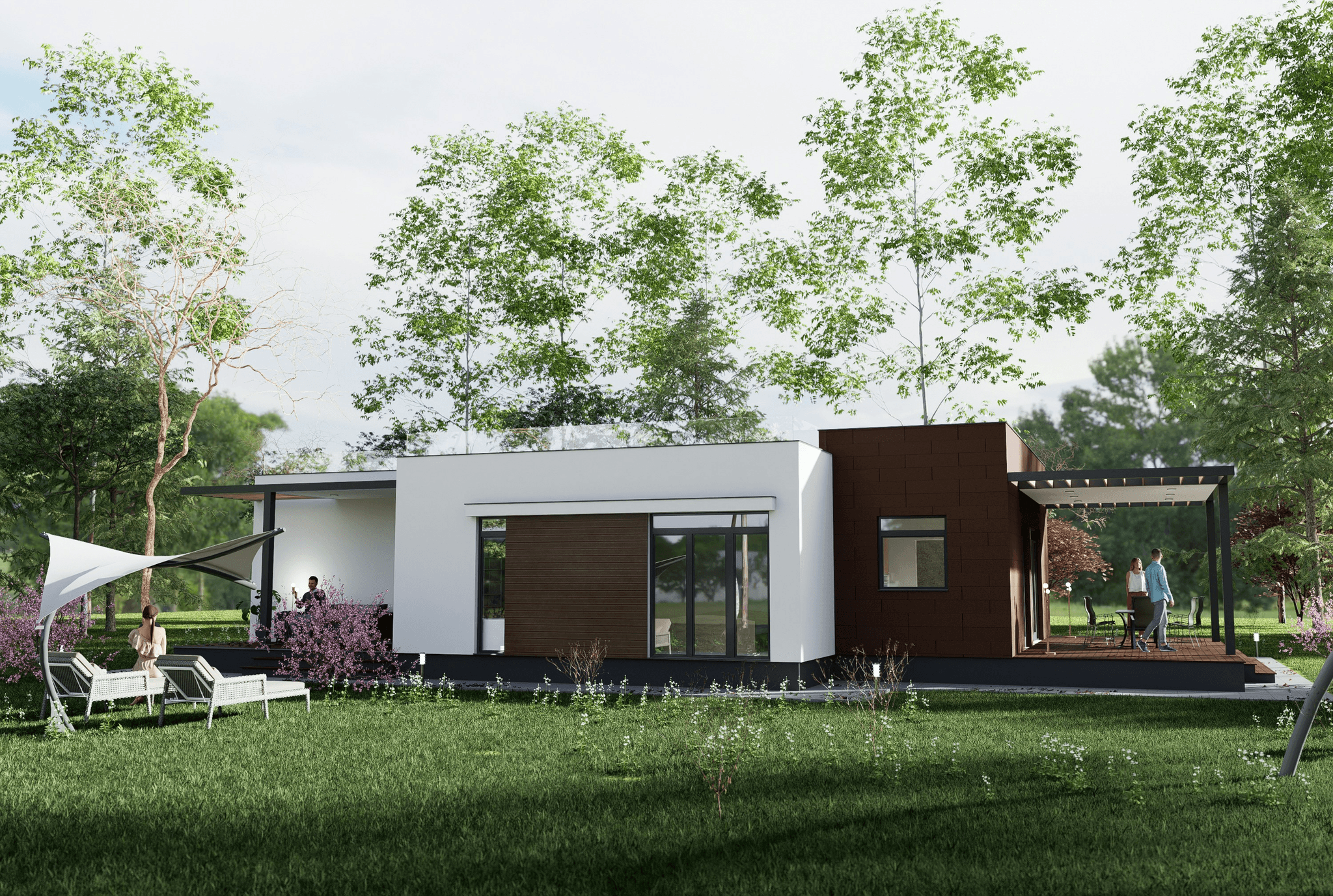
Prefab homes are reshaping the landscape of modern housing, offering a fresh take on homeownership that blends convenience with affordability. As more people seek cost-effective solutions in today’s economy, understanding what prefab homes are and how they differ from traditional structures is essential. PreFab Inc. is at the forefront of this movement, providing innovative options that cater to diverse needs and budgets.
What Are Prefab Homes?
Prefab homes, short for prefabricated homes, are structures that are manufactured off-site in sections or modules before being transported to their final location for assembly. This streamlined construction process allows for quicker build times compared to traditional stick-built homes, making them an attractive option for many homebuyers. The cost of prefab homes is often lower due to reduced labor expenses and efficient material usage during manufacturing.
Different Types of Prefab Homes
There are several types of prefab homes available today, each catering to different preferences and lifestyles. Modular homes consist of multiple sections that are built in a factory and then assembled on-site, while panelized homes feature pre-cut wall panels that can be quickly erected by a local builder. Additionally, mobile or manufactured homes offer flexibility and mobility at a lower cost, making them popular among first-time buyers seeking affordable housing options.
Benefits of Choosing Prefab
Choosing a prefab home comes with numerous advantages beyond just the initial cost savings associated with the purchase price. One significant benefit is the speed at which these homes can be constructed; many prefab units can be ready for occupancy within weeks rather than months or years typical of traditional builds. Furthermore, with PreFab Inc., you gain access to customizable designs that allow you to tailor your new home according to your personal taste—all while keeping an eye on the overall cost of prefab homes.
Analyzing the Cost of Prefab Homes
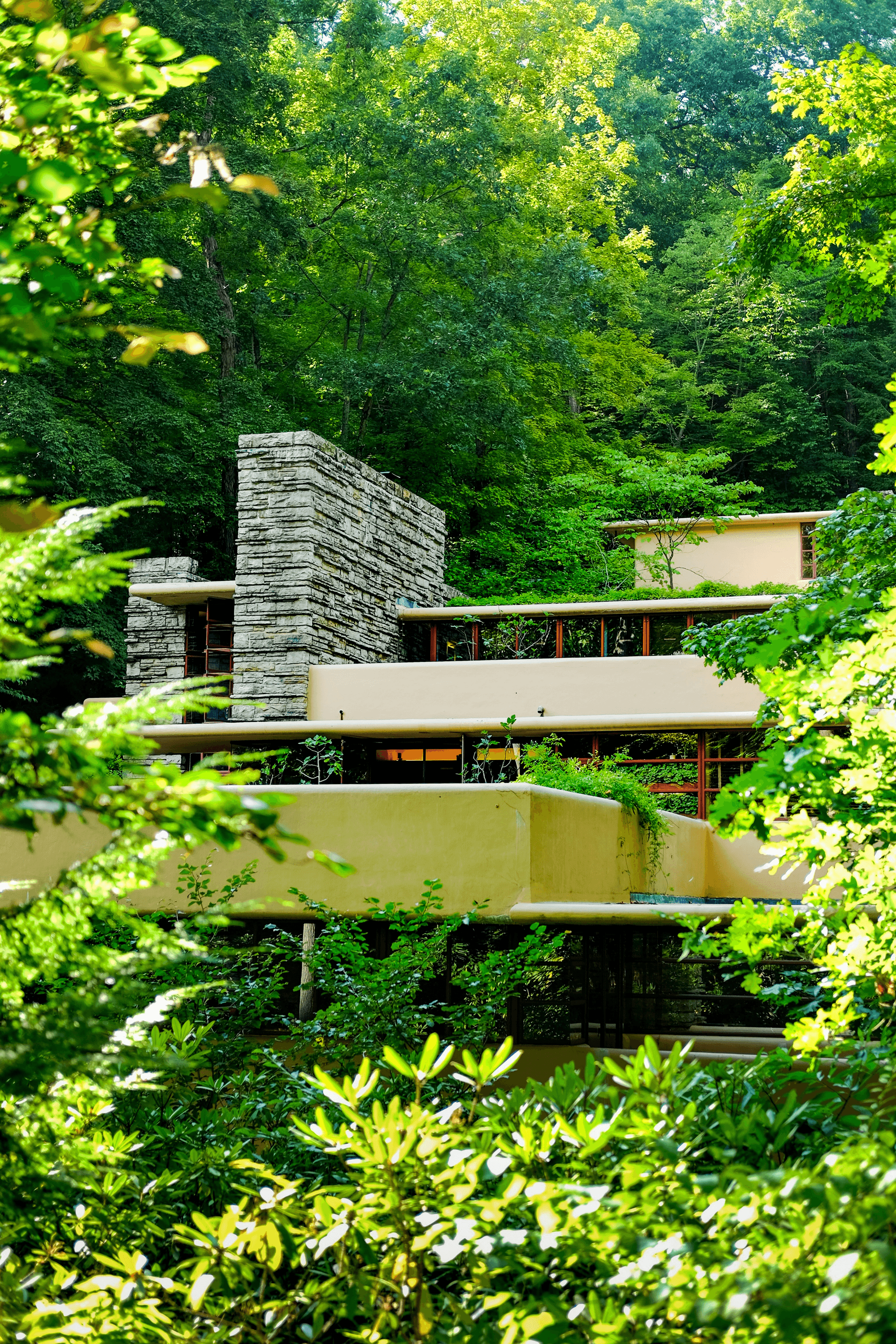
When it comes to the cost of prefab homes, understanding the financial landscape is crucial for potential buyers. Unlike traditional homes, prefab homes often present a different pricing structure that can be both advantageous and challenging. By breaking down the initial purchase price, exploring financing options, and uncovering hidden costs, you can make informed decisions that align with your budget.
Initial Purchase Price Breakdown
The initial purchase price of prefab homes can vary significantly based on several factors including size, design, and manufacturer. Generally speaking, the cost of prefab homes tends to be lower than that of traditional builds due to streamlined construction processes and reduced labor costs. However, it's essential to consider additional elements like delivery fees and site preparation which can influence the final price tag.
For instance, while a basic model may start around $100 per square foot, customizations or high-end materials could bump that figure up considerably. When budgeting for your new home from PreFab Inc., remember to factor in these variables so you don’t get caught off guard when it’s time to sign on the dotted line. Ultimately, understanding this breakdown will help you navigate your finances more effectively.
Financing Options for Homebuyers
Financing the cost of prefab homes is another critical aspect worth exploring as it directly impacts your overall investment strategy. Many lenders offer specialized loans tailored specifically for manufactured or modular homes; these often come with competitive interest rates compared to traditional home loans. PreFab Inc. partners with various financial institutions to provide buyers with flexible financing options that suit their individual needs.
Additionally, government-backed loans like FHA loans may also apply if certain criteria are met—making homeownership even more accessible for many individuals and families. As you weigh your financing choices, consider consulting with a mortgage advisor who understands the nuances of prefab housing; they can help guide you toward securing favorable terms while keeping an eye on long-term affordability.
Hidden Costs You Should Know
When assessing the total cost of prefab homes, it's vital not to overlook potential hidden costs that could arise during or after construction. These might include site preparation expenses such as grading or utility hookups which are sometimes not included in initial quotes from manufacturers like PreFab Inc.. Additionally, homeowners should be aware of ongoing maintenance costs—while prefab structures are designed for durability, routine upkeep still applies.
Another area where costs can creep in is insurance; some insurance policies may have specific stipulations regarding coverage for modular or manufactured properties compared to traditional ones. Therefore, conducting thorough research before making any commitments will empower you to avoid those pesky surprises down the road—ensuring a smoother transition into your new home sweet home.
Factors Influencing the Cost of Prefab Homes
When considering the cost of prefab homes, several factors come into play that can significantly affect your overall budget. From the location where you plan to build to the level of customization you desire, each element can either inflate or deflate your final price tag. Understanding these influences is crucial for making informed decisions and maximizing value in your investment with PreFab Inc.
Location and Land Pricing
The first thing to consider when analyzing the cost of prefab homes is location—where you decide to plant your roots can dramatically sway costs. Urban areas often come with higher land prices, which can push up the overall expense of your prefab home project. On the flip side, rural locations may offer more affordable land options but could come with their own set of challenges, such as access to utilities and services.
Moreover, zoning laws and local regulations can also impact costs in different regions. Some areas may have strict guidelines that require additional permits or modifications before you can even start building. Therefore, it's essential to do thorough research on land pricing and regulations in your chosen area before diving into a prefab home purchase.
Customization and Upgrades
Customization is another key factor influencing the cost of prefab homes; after all, who doesn’t want their dream home tailored just for them? While many companies offer standard models at competitive prices, opting for custom features—like upgraded materials or unique architectural designs—can lead to a significant increase in costs. PreFab Inc. provides a range of options that allow homeowners to personalize their spaces but be aware that every upgrade adds dollars to your bottom line.
Additionally, think about how these choices align with long-term value; sometimes spending a bit more upfront on quality materials pays off down the road in durability and resale value. Make sure you weigh both aesthetic desires and practical needs when planning any upgrades; it’s easy to get carried away! Ultimately, balancing custom features with budget considerations will help ensure that your dream home remains financially feasible.
Market Trends Impacting Pricing
Market trends are like waves in an ocean—they ebb and flow but always have an impact on costs associated with prefab homes. Economic conditions such as material shortages or increases in demand for housing can drive up prices unexpectedly, affecting everything from manufacturing costs to delivery times. Staying informed about current market trends will help you better anticipate how they might influence the cost of prefab homes through PreFab Inc.
Moreover, seasonal fluctuations often affect labor availability and material pricing; for instance, building during peak seasons may result in higher contractor fees while off-peak periods could yield discounts or promotions from suppliers eager for business. Keeping an eye on these trends not only aids in budgeting but also empowers you as a savvy buyer ready to make strategic decisions based on market conditions.
In summary, understanding location factors, customization choices, and market trends will equip you with valuable insights into managing the cost of prefab homes effectively while working with PreFab Inc., ensuring that your investment aligns perfectly with both dreams and budgets.
Comparing Prefab and Traditional Homes
When considering the cost of prefab homes versus traditional builds, it's essential to take a closer look at various aspects that contribute to overall value. Prefab homes are often lauded for their efficiency, both in terms of construction and financial investment. Understanding these differences can help potential homeowners make informed decisions about their future living arrangements.
Cost Efficiency in Construction
The cost of prefab homes typically showcases significant savings compared to traditional construction methods. Since prefab homes are manufactured in controlled environments, they benefit from reduced labor costs and minimized material waste, which can lead to lower overall expenses. Additionally, the streamlined process means that builders can pass on these savings directly to you, making it a budget-friendly option without compromising quality.
Moreover, the efficiency of the construction process allows for quicker project completion times, reducing the amount of time you might need temporary housing or incur additional costs. With PreFab Inc., homeowners often find that they can achieve their dream home at a fraction of the price typically associated with traditional builds. Ultimately, this cost efficiency makes prefab homes an attractive choice for those looking to maximize their investment.
Time to Build: Prefab vs. Traditional
One of the standout advantages when comparing prefab and traditional homes is the time required for construction. The average timeline for building a traditional home can stretch into several months or even years due to weather delays and scheduling conflicts with subcontractors. In contrast, many prefab homes can be assembled on-site within weeks after manufacturing is completed—talk about a fast track to homeownership!
This rapid turnaround not only saves you time but also minimizes potential disruptions in your life while waiting for your new abode to be ready. With PreFab Inc., clients frequently express relief at how quickly they were able to move into their new space compared to friends who opted for conventional builds. When it comes down to it, if you're eager for a new home without all the waiting around, prefabricated options might just be your best bet.
Long-Term Investment Value
While upfront costs are important when assessing the cost of prefab homes versus traditional options, long-term investment value should not be overlooked either. Prefab homes tend to hold their value well over time due to their modern design elements and energy-efficient features that appeal strongly in today’s market landscape. This means that investing in a prefab home could yield substantial returns if you decide to sell down the line.
Moreover, many homeowners find that lower utility bills resulting from energy-efficient designs contribute positively toward long-term savings—an added bonus! By choosing PreFab Inc., you're not just securing an aesthetically pleasing residence; you're making an investment that's likely poised for appreciation as market trends shift favorably toward sustainable living solutions. In short, opting for a prefab home could serve as both a smart financial decision and an environmentally conscious choice.
Real-Life Case Studies
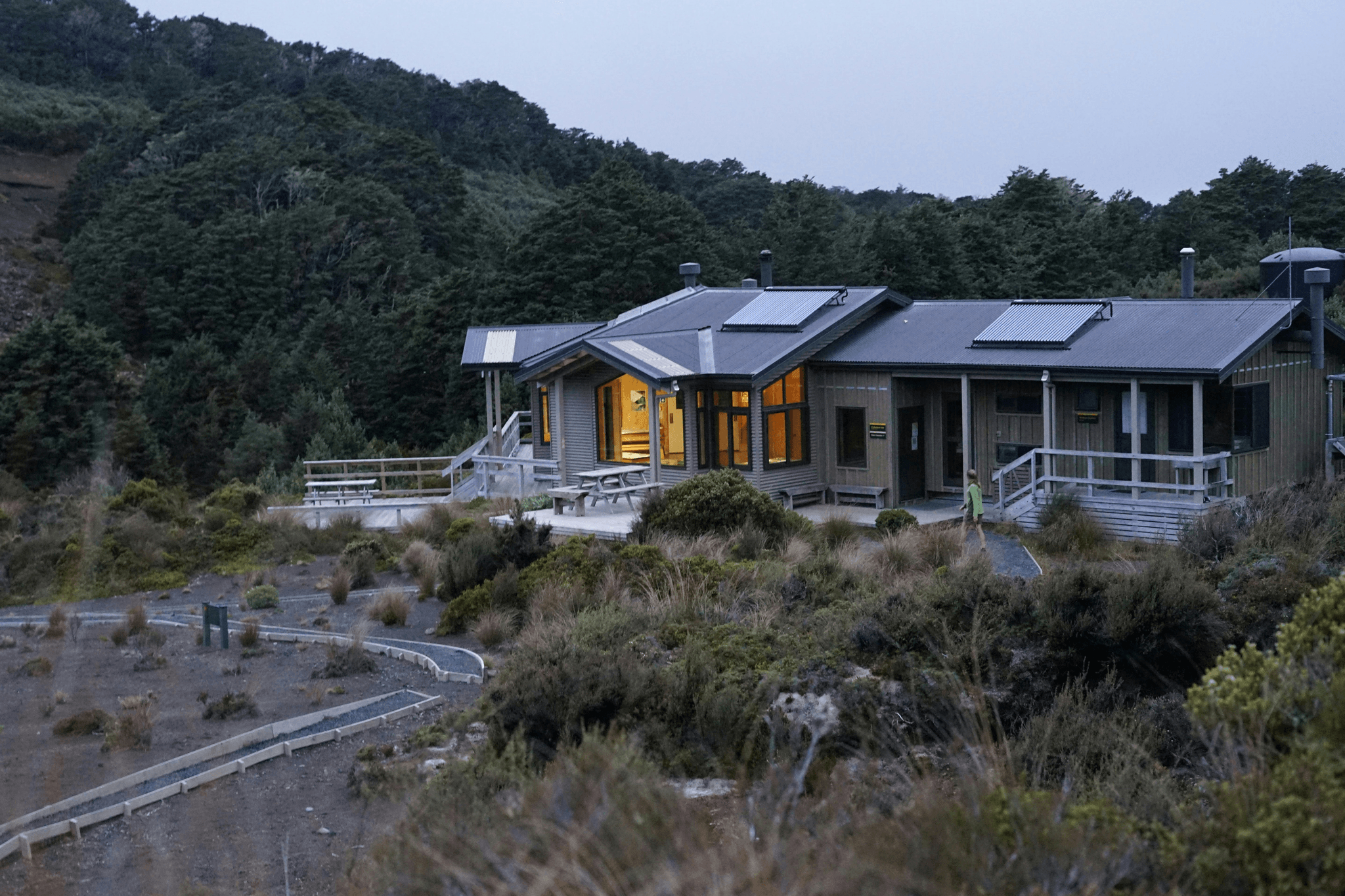
Prefab homes are not just a trend; they’re a testament to modern living, showcasing innovation and affordability. In this section, we’ll delve into real-life examples that highlight the success of prefab projects, how they stack up against traditional builds in terms of cost, and what homeowners have to say about their experiences. Let’s uncover how PreFab Inc. is making waves in the world of prefab housing.
Successful Prefab Home Projects
Across the nation, various successful prefab home projects have emerged as shining examples of efficiency and style. For instance, a family in California opted for a sleek two-story prefab home that was completed in just three months—talk about fast-tracking your dream! This project not only showcased the aesthetic versatility of prefab homes but also demonstrated significant savings on labor costs compared to conventional builds.
Another notable project involved an eco-friendly community in Oregon where multiple families chose prefab designs tailored to sustainability. By utilizing renewable materials and energy-efficient systems, these homes reduced their environmental footprint while keeping the overall cost of prefab homes remarkably low. PreFab Inc.'s commitment to quality ensured that each unit was both affordable and stylish.
These success stories illustrate that choosing a prefab home doesn’t mean sacrificing quality or design; it means embracing innovation and smart financial choices.
Cost Comparisons with Traditional Builds
When comparing the cost of prefab homes to traditional builds, the numbers often speak for themselves. On average, homeowners can save 10-20% on construction costs when opting for prefabricated options due to reduced material waste and streamlined assembly processes. For instance, one family shared their experience building a 1,800-square-foot traditional home for $300,000 while their neighbor built an equivalent-sized prefab home for only $240,000.
Moreover, while traditional builds can take several months or even years due to weather delays and labor shortages, many prefab homes can be ready for occupancy within weeks after delivery. This rapid turnaround translates into lower financing costs as well—fewer months spent paying off construction loans means more money saved! PreFab Inc.’s efficient approach ensures that clients enjoy both time savings and financial benefits when choosing their dream home.
Ultimately, these comparisons reveal that opting for a prefab home can be both a smart financial decision and an opportunity to enjoy modern living without breaking the bank.
Reviews from Happy Homeowners
The testimonials from homeowners who chose prefabricated houses are overwhelmingly positive—and sometimes downright enthusiastic! One couple from Colorado raved about how their custom-designed prefab allowed them to create their ideal space without the hefty price tag typically associated with custom builds. They emphasized not only the cost-effectiveness but also how easy it was to work with PreFab Inc., which guided them through every step of the process.
Another homeowner shared her delight over her new three-bedroom modular house in New York City’s outskirts—a feat she never thought possible given rising real estate prices. She marveled at how she managed to secure her dream home while staying within budget thanks largely to understanding the true cost of prefab homes versus traditional options available at that time.
These glowing reviews underscore why more people are considering prefabricated options: affordability combined with customization leads to happy homeowners who feel they made wise investments!
Conclusion
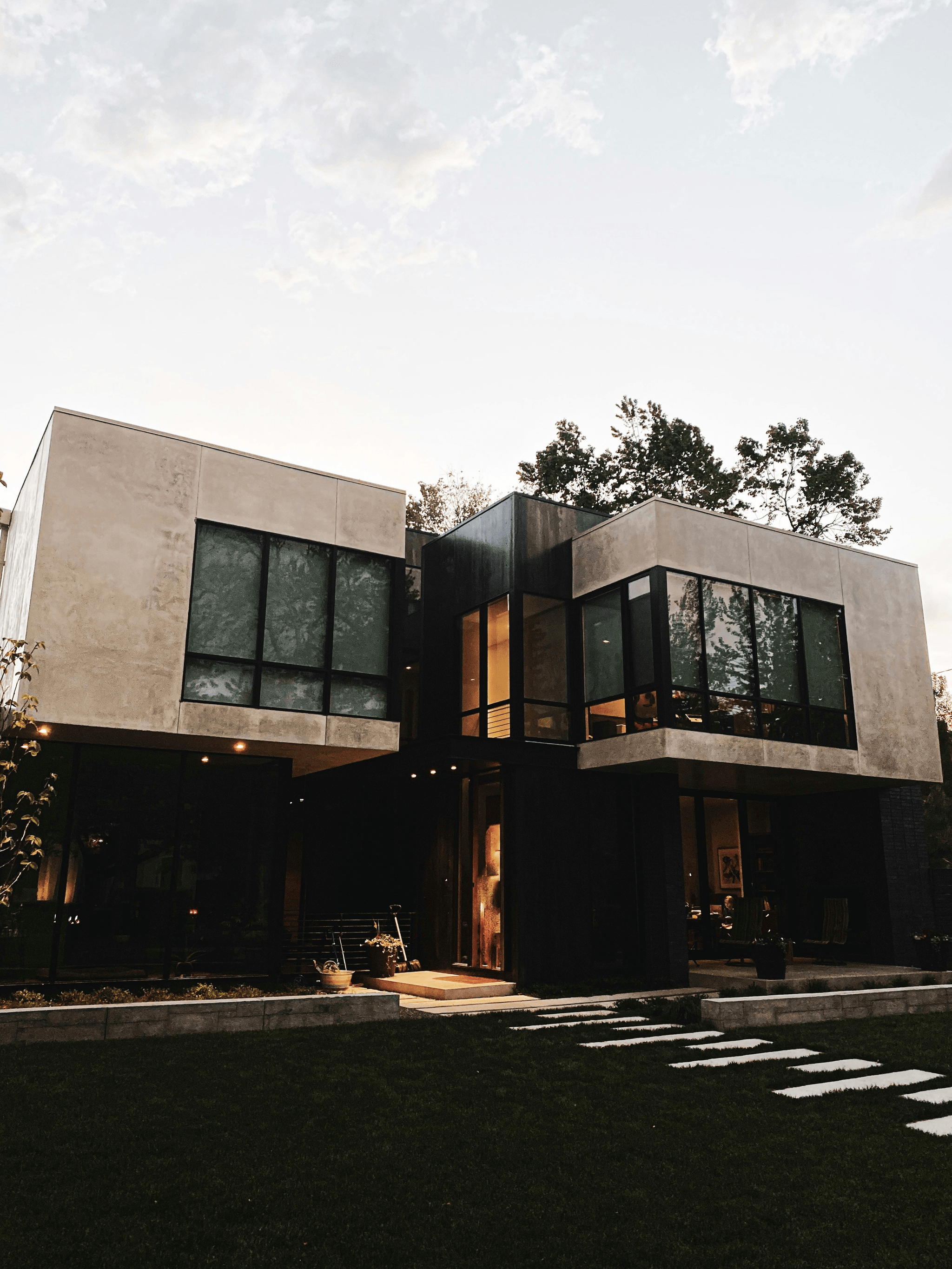
In wrapping up our exploration of prefab homes, it's clear that they offer a unique blend of affordability, efficiency, and modern living. The cost of prefab homes can be significantly lower than traditional builds, making them an attractive option for many homebuyers today. With the right information and resources, such as those provided by PreFab Inc., potential homeowners can navigate this innovative housing market with confidence.
The Financial Benefits of Prefab Living
Choosing a prefab home often translates to substantial savings without sacrificing quality or style. The cost of prefab homes is typically lower due to streamlined manufacturing processes and reduced labor expenses on-site. Moreover, these homes are designed with energy efficiency in mind, which means long-term savings on utility bills—talk about a win-win!
Future Trends in Prefab Home Costs
As the demand for affordable housing solutions continues to rise, we can expect the cost of prefab homes to evolve in intriguing ways. Innovations in technology and materials are likely to drive prices down further while enhancing quality and customization options. Additionally, as more builders enter the prefab market, competition will help keep costs manageable for buyers looking for their dream home.
Making Informed Decisions with PreFab Inc.
Navigating the world of prefab homes doesn’t have to be daunting—with PreFab Inc., you have a partner dedicated to guiding you through every step of the process. By understanding the true cost of prefab homes and considering factors like location and customization options, you’ll be well-equipped to make informed decisions that fit your budget and lifestyle needs. So why wait? Dive into the future of homeownership today!