

Introduction
In the ever-evolving landscape of housing options, modular homes have emerged as a compelling choice for many prospective homeowners. Understanding modular homes price dynamics is essential for making informed decisions, as these structures offer a unique blend of affordability, efficiency, and customization. Whether you’re attracted to the speed of construction or the potential for savings, knowing how modular homes stack up against traditional builds can significantly influence your purchasing journey.
Understanding Modular Homes Price Dynamics
Modular homes price dynamics can be quite complex, influenced by various factors that set them apart from conventional houses. Unlike site-built homes that can incur unforeseen costs due to delays and labor issues, modular homes often come with a more predictable pricing structure. This predictability allows buyers to budget effectively while enjoying the benefits associated with modern construction techniques.
Benefits of Choosing Modular Homes
Choosing modular homes comes with a plethora of benefits that extend beyond just cost savings. For starters, they are built in controlled environments, which means they are less susceptible to weather-related delays and damage during construction—something that often plagues traditional home builds. Additionally, companies like PreFab Inc. offer customizable designs that allow homeowners to tailor their spaces without breaking the bank on unnecessary expenses.
Factors Influencing Modular Home Costs
When considering the purchase of a modular home, it’s crucial to recognize the various factors influencing their costs. Location plays a significant role; urban areas may see higher prices due to land costs and local regulations compared to rural settings where space is more abundant and affordable. Furthermore, aspects such as design choices and additional features can dramatically impact overall modular homes price—making it essential for buyers to thoroughly research before committing.
What are Modular Homes?
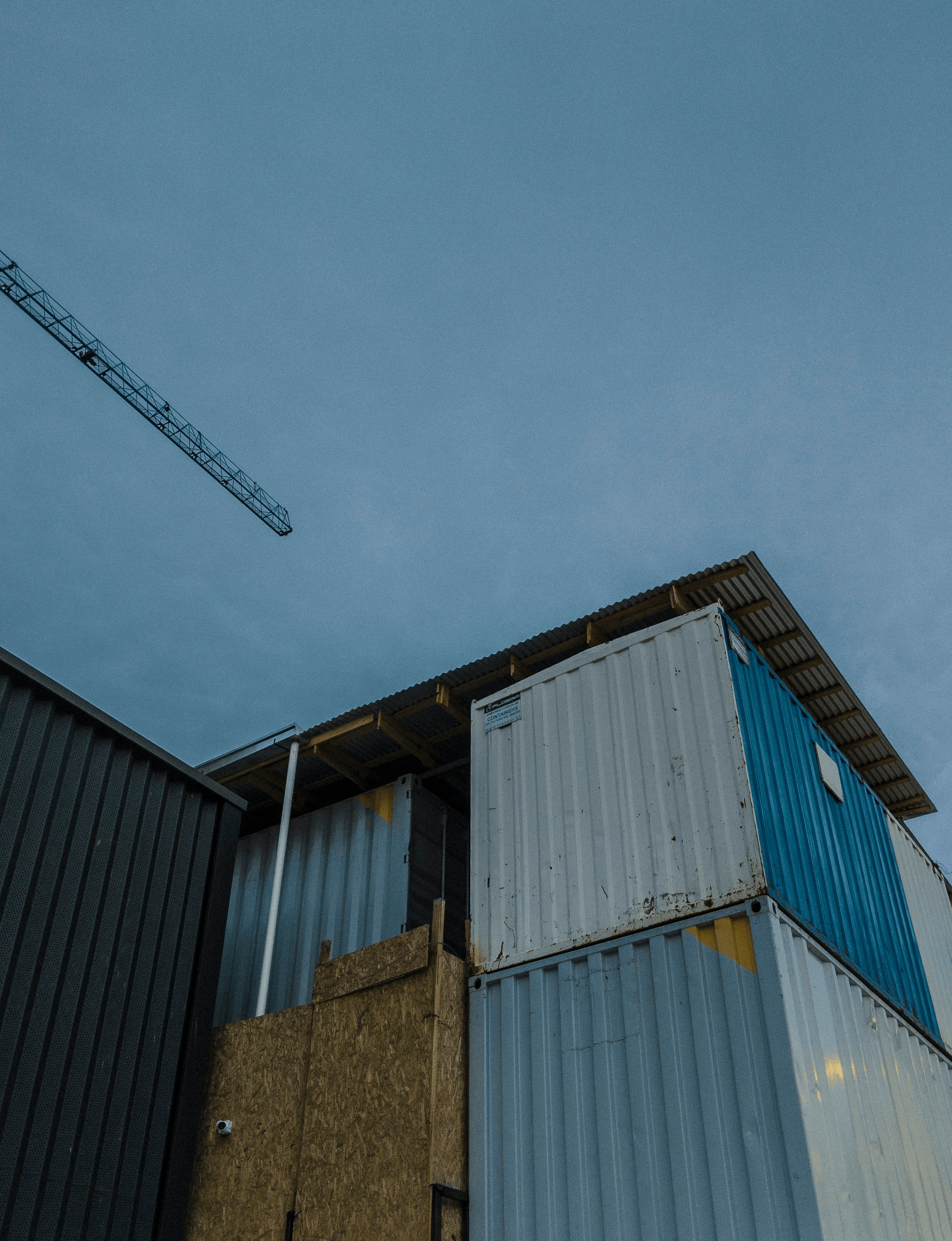
Modular homes are a modern marvel in the construction world, blending efficiency with affordability. They are built in sections or modules in a factory setting and then transported to the site for assembly. This innovative approach not only speeds up the building process but also often results in a lower modular homes price compared to traditional construction methods.
Definition and Concept of Modular Homes
At their core, modular homes are prefabricated houses that consist of multiple sections constructed off-site. Each module is built to meet local building codes and standards, ensuring quality and safety throughout the process. The beauty of modular homes lies in their versatility; they can be tailored to reflect personal style while still keeping an eye on the modular homes price.
Construction Process and Timeline
The construction of modular homes typically follows a streamlined timeline that can significantly reduce build time compared to traditional methods. Initially, designs are created based on customer specifications, after which manufacturing begins in a controlled environment—this is where PreFab Inc. shines with its efficient production techniques! Once completed, modules are transported to the site where they’re assembled, often within days rather than months.
Comparison with Traditional Homes
When comparing modular homes to traditional houses, several key differences emerge beyond just pricing. Traditional homes usually require longer build times due to weather delays and on-site construction challenges; however, they may offer more customization during the building phase. In contrast, while modular homes can have some limitations regarding layout changes post-factory production, they generally present a more predictable timeline and often lower overall costs—making them an attractive option for many homebuyers focused on budget-friendly solutions.
Breaking Down Modular Homes Price

When it comes to understanding modular homes price, it's essential to differentiate between the base price and the total cost. The base price typically refers to the cost of the home itself, which includes materials and construction but excludes additional expenses like land, installation, and utilities. On the other hand, total cost encompasses everything from permits to landscaping, which can significantly inflate your initial budget if you’re not careful.
Base Price vs. Total Cost
The base price of a modular home is often more appealing than that of traditional homes, making it a popular choice for many buyers. However, potential homeowners should be aware that this figure only scratches the surface of what you'll ultimately pay. When calculating your budget for modular homes price, be sure to factor in additional costs such as site preparation and utility connections that can add thousands to your final expenditure.
Financing Options for Modular Homes
Financing options for modular homes are varied and can be tailored to fit individual needs. Many lenders offer specific loans designed for modular homes that consider their unique construction process and value appreciation potential. PreFab Inc. works with various financial institutions to help clients navigate these options so they can secure a mortgage that aligns with their budget while keeping modular homes price manageable.
Hidden Costs in Modular Home Purchases
Hidden costs can sneak up on unsuspecting buyers when purchasing a modular home, so vigilance is key! Beyond the base price and financing options, you may encounter expenses like delivery fees or site preparation costs that aren’t always included upfront. By thoroughly researching all possible expenses related to modular homes price—such as taxes or HOA fees—you'll avoid unpleasant surprises down the road.
Popular Modular Home Manufacturers
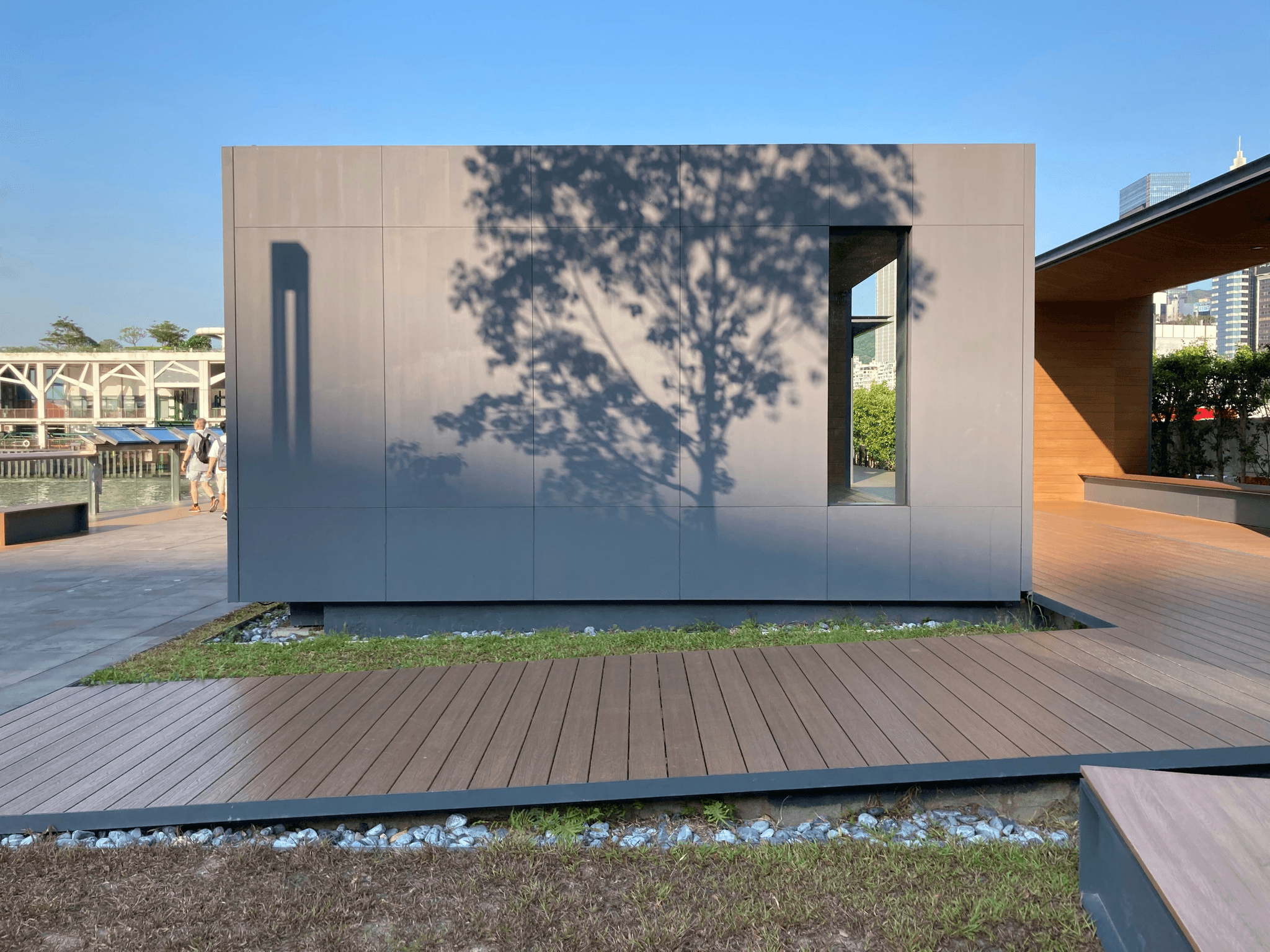
When it comes to modular homes price, the manufacturer you choose can greatly influence your overall investment. There are several prominent manufacturers in the market, each offering unique designs, features, and pricing structures. In this section, we’ll delve into PreFab Inc.’s offerings and compare them with other notable brands to help you make an informed decision.
PreFab Inc.'s Offerings and Pricing
PreFab Inc. has made a name for itself in the modular home industry by providing a range of stylish designs at competitive prices. Their modular homes price typically starts from around $100,000 for basic models but can go up significantly with customizations and upgrades. With options that cater to various budgets, PreFab Inc. ensures that potential homeowners can find something that fits their financial plans while still delivering quality craftsmanship.
One of the standout features of PreFab Inc.'s homes is their energy efficiency, which not only benefits the environment but also saves homeowners money on utility bills over time. Additionally, they offer a variety of floor plans ranging from cozy two-bedroom layouts to spacious five-bedroom family homes. This flexibility allows buyers to tailor their choices based on personal preferences and lifestyle needs.
Comparison of Notable Brands
While PreFab Inc. stands out for its affordability and customization options, other notable brands also merit attention when considering modular homes price. Companies like Skyline Homes and Cavco Industries offer diverse product lines but may have different pricing strategies based on materials used or additional features included in their packages. For instance, Skyline Homes tends to focus on high-end finishes which can drive up costs compared to more budget-friendly options from PreFab Inc.
Moreover, some manufacturers may specialize in specific regions or types of modular construction—like eco-friendly builds or luxury models—which could affect both availability and pricing structures across different markets. It’s essential to compare not only base prices but also what is included in each package—such as appliances or warranties—to get a true picture of value for money when selecting a manufacturer.
Customer Reviews and Experiences
Customer reviews play an essential role in understanding the real-world implications of modular homes price beyond just numbers on paper. Many buyers praise PreFab Inc.’s customer service and transparency throughout the purchasing process; they appreciate how easy it is to communicate any concerns or questions regarding their build timelines or financing options. Positive experiences often highlight timely deliveries and quality workmanship as key factors contributing to overall satisfaction.
However, it’s important to note that experiences can vary widely among different manufacturers; some customers report issues with post-purchase support or unexpected costs during construction phases with other brands like Cavco Industries or Skyline Homes. Reading through reviews on platforms such as Yelp or Google can provide valuable insights into what you might expect from various companies before making your final choice about where to invest your hard-earned money.
Customization and Its Impact on Price
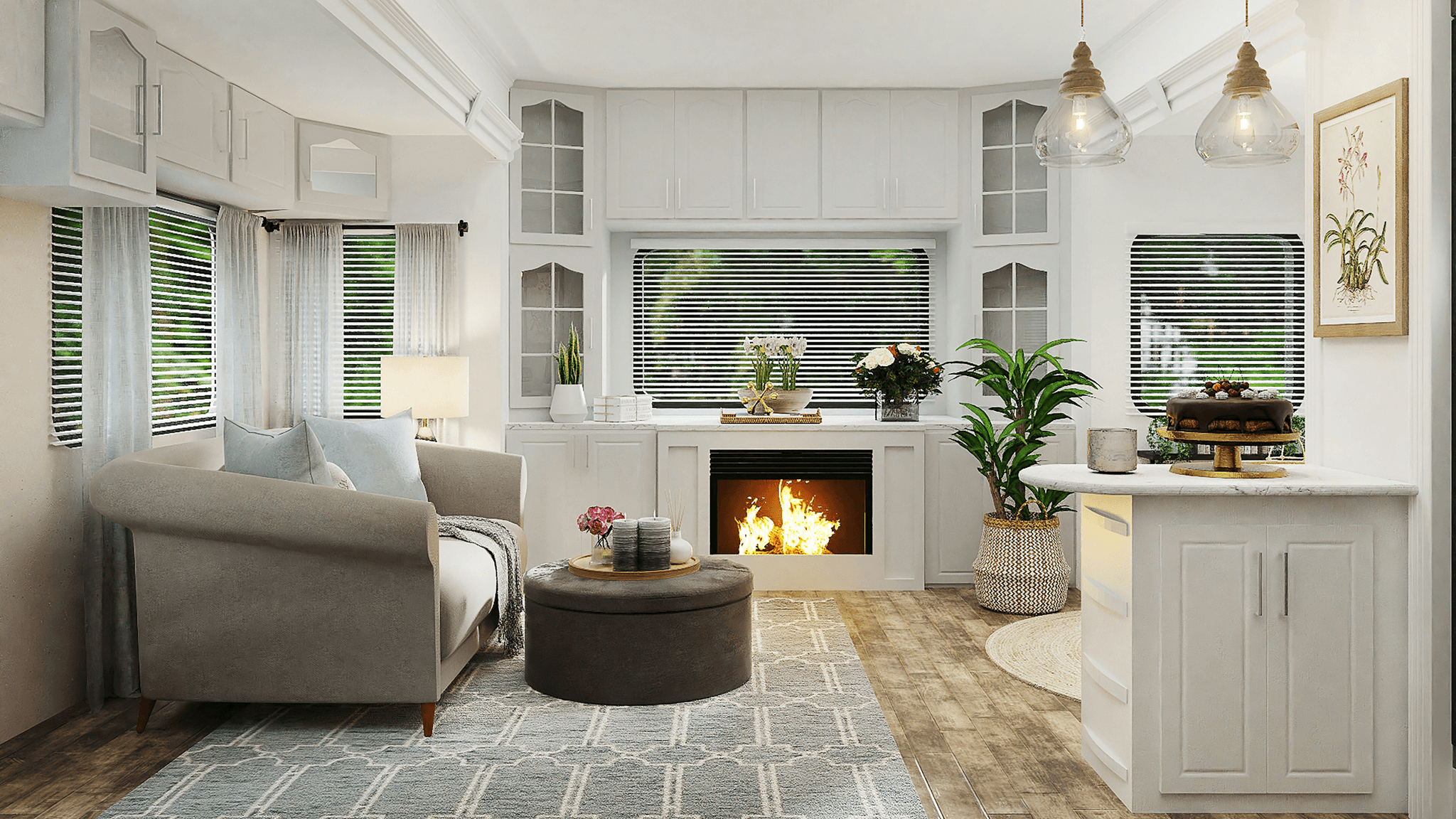
Customization is one of the most appealing aspects of modular homes, allowing homeowners to tailor their living spaces to fit their unique needs and preferences. However, it’s essential to understand how these choices can influence the overall modular homes price. While standard models offer affordability and efficiency, custom builds can significantly alter both initial costs and future valuations.
Standard Models vs. Custom Builds
Standard models of modular homes typically come with a set price, providing a clear understanding of what you’ll pay upfront. These models are designed for efficiency in both construction and cost, making them an attractive option for those looking to keep modular homes price manageable. On the other hand, custom builds allow for personal expression but can lead to unpredictable costs that may exceed initial estimates due to added features or design complexities.
Choosing between standard and custom options often hinges on budget considerations versus personal style preferences. While standard models might lack some flair, they offer predictable pricing that is appealing in today’s fluctuating market. In contrast, custom builds can transform your vision into reality but require careful planning to avoid surprises that could inflate your overall investment.
Popular Add-Ons and Upgrades
When considering customization for modular homes, popular add-ons often include energy-efficient appliances, upgraded flooring options, or enhanced outdoor spaces like decks and patios. These upgrades not only enhance the aesthetic appeal but also contribute to long-term savings on utilities—an important factor when assessing modular homes price over time. However, it’s crucial to weigh these enhancements against their cost implications; while they can elevate the home’s value, they may also stretch your budget if not planned carefully.
Another common area for upgrades involves smart home technology integration—think automated lighting systems or advanced security features—which can add convenience but also increase upfront costs significantly. Homebuyers should be aware that while these modern amenities may improve lifestyle quality now, they could also affect resale potential down the line depending on market trends related to technology adoption in housing. Therefore, it's advisable to choose upgrades that align with both personal enjoyment and future resale value.
How Customization Affects Resale Value
Customization plays a pivotal role in determining resale value when it comes to modular homes price dynamics in the real estate market. Homes with unique features or high-end finishes tend to attract buyers looking for something special; however, overly personalized designs might deter potential buyers who cannot envision themselves in such spaces. Striking a balance between personal taste and broader market appeal is key when investing in customization.
Moreover, certain upgrades tend to yield better returns than others; energy-efficient systems are increasingly desirable among buyers who prioritize sustainability alongside comfort—making them a smart choice if you’re considering future resale value as part of your investment strategy with PreFab Inc.'s offerings. As such, understanding which modifications will likely enhance your home's appeal will help you make informed decisions about how much you're willing to invest initially without compromising future gains.
Regional Price Variations

The price of modular homes can vary dramatically based on geographic location. Understanding these regional differences is crucial for potential buyers looking to navigate the complex landscape of modular homes price. Whether you're eyeing a cozy cabin in the woods or a sleek modern design in an urban setting, knowing how location affects pricing can help you make informed decisions.
Costs in Urban vs. Rural Areas
Urban areas typically see higher modular homes price tags compared to their rural counterparts. This discrepancy is often due to increased demand, higher land costs, and additional expenses related to infrastructure and services in cities. Conversely, rural areas may offer more affordable land and lower overall costs, making modular homes an attractive option for those looking to escape the hustle and bustle without breaking the bank.
However, it's essential to consider that while initial costs might be lower in rural settings, factors like accessibility and local amenities could influence long-term satisfaction with your investment. If you're working with PreFab Inc., they can guide you through these regional dynamics, ensuring you find a balance between cost and lifestyle preferences.
Local Regulations and Their Impact on Pricing
Local regulations play a significant role in determining modular homes price across different regions. Zoning laws, building codes, and permit requirements can all impact not only the cost but also the feasibility of placing a modular home on a specific plot of land. For instance, some urban areas may have stringent regulations that require additional modifications or upgrades to meet compliance standards.
Moreover, understanding local regulations can prevent unexpected expenses down the line—nobody wants surprise fees popping up after they've already invested time and money into their dream home! PreFab Inc.'s expertise can be invaluable here; they stay updated on local laws so you don't have to navigate this maze alone.
Case Studies of Different Regions
To illustrate how regional variations impact modular homes price, let's look at a few case studies from different parts of the country. In California's Bay Area—a hotspot for tech professionals—modular homes prices soar due to high demand for housing coupled with limited space available for new builds. On average, buyers might pay upwards of $200 per square foot just for base models before adding any customization!
In contrast, consider regions like Ohio or Texas where land is more abundant and prices are considerably lower; here you might find base models starting around $100 per square foot! These examples highlight how crucial it is for potential buyers to research their desired locations thoroughly before committing—what seems like an excellent deal in one area could be entirely different elsewhere.
Ultimately, whether you're leaning toward urban living or rural tranquility with PreFab Inc., understanding regional price variations will empower you to make savvy choices regarding your future home investment.
Conclusion
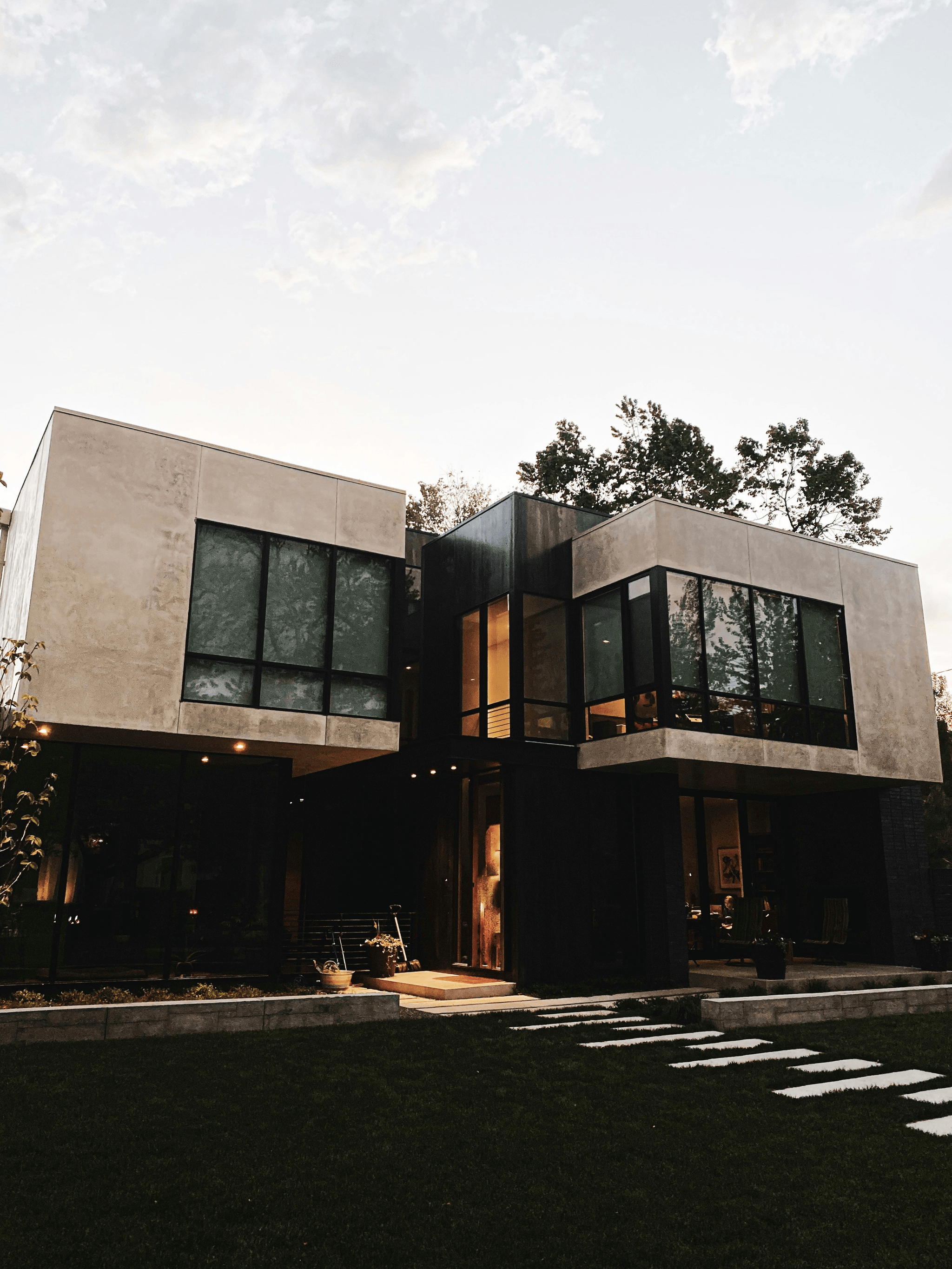
In the world of housing, modular homes are carving out a significant niche, especially when it comes to understanding modular homes price. With their innovative construction methods and efficiency, these homes offer a compelling alternative to traditional building techniques. As we wrap up this discussion, let’s highlight some key takeaways that can guide your journey in the modular home market.
Key Takeaways on Modular Homes Price
First and foremost, it’s essential to recognize that modular homes price can vary widely based on several factors such as location, customization options, and manufacturer pricing strategies. While the base price might seem attractive at first glance, potential buyers should always consider the total cost of ownership which includes hidden expenses like site preparation and utility connections. Understanding these dynamics ensures you’re not caught off guard when budgeting for your new home.
Making an Informed Decision
When contemplating a modular home purchase, making an informed decision is paramount. Researching various manufacturers like PreFab Inc., comparing their offerings and customer reviews will equip you with valuable insights into what you can expect regarding quality and service. Additionally, engaging with current homeowners can provide firsthand accounts of their experiences with both pricing and satisfaction levels—knowledge that is invaluable in navigating the sometimes murky waters of modular homes price.
The Future of Modular Home Investments
Looking ahead, the future of modular home investments appears bright as consumer interest continues to grow alongside advancements in technology and design flexibility. With increasing awareness about eco-friendly living and cost-effectiveness associated with modular builds, more buyers are likely to embrace this modern approach to housing. As we move forward into an era where affordability meets sustainability, understanding how modular homes price fits into this equation will be crucial for anyone considering this innovative living solution.