

Introduction
In recent years, the concept of a container school has gained significant traction as an innovative solution to address various educational challenges. These modular structures are not only cost-effective but also provide a flexible and sustainable alternative to traditional school buildings. With companies like PreFab Inc. leading the charge, container schools are redefining how we think about learning environments.
The Rise of Container Schools
The rise of container schools can be attributed to the increasing demand for affordable and adaptable educational spaces in urban and rural areas alike. As populations grow and educational needs evolve, conventional brick-and-mortar schools often struggle to keep pace, making way for the emergence of these versatile structures. Container schools leverage repurposed shipping containers, transforming them into functional classrooms that meet modern educational demands while being environmentally friendly.
Benefits of Modular Education
Modular education through container schools offers numerous benefits that cater to both students and educators alike. One major advantage is the ability to customize spaces according to specific learning requirements, allowing for diverse teaching methods and collaborative projects. Additionally, these structures can be rapidly deployed and relocated as needed, providing flexibility in addressing fluctuating student populations or temporary needs arising from natural disasters or other emergencies.
Key Design Elements of Container Schools
Key design elements play a crucial role in optimizing the functionality and aesthetics of container schools. Features such as open floor plans promote interaction among students while maximizing natural light through large windows create an inviting atmosphere conducive to learning. Furthermore, integrating smart technology ensures that these modular spaces are equipped with modern tools that enhance educational experiences, making them ideal for today’s tech-savvy learners.
Innovative Architecture

The architectural landscape of education is shifting, with container schools leading the charge for innovative design. These structures are not just boxes; they embody a vision for the future of learning environments that prioritize flexibility and sustainability. PreFab Inc. is at the forefront of this movement, creating spaces that inspire both students and educators.
Modular Design for Flexibility
One of the standout features of container schools is their modular design, which allows for unparalleled flexibility in educational settings. This adaptability means classrooms can be easily reconfigured to suit different teaching styles or student needs, whether it's a traditional lecture setup or a more collaborative workspace. PreFab Inc.'s designs ensure that each container school can grow and evolve alongside its community, making it a smart investment for any educational institution.
Moreover, modularity facilitates quick construction and relocation if necessary, which is especially beneficial in areas facing fluctuating populations or changing demands. Schools can expand or contract their facilities without the lengthy process typically associated with traditional buildings. With container schools, flexibility isn’t just a feature; it’s an integral part of the educational philosophy.
Eco-Friendly Materials and Practices
Sustainability is at the heart of container school architecture, with eco-friendly materials being a top priority in every project by PreFab Inc. Using repurposed shipping containers not only reduces waste but also minimizes the carbon footprint associated with new construction materials. Additionally, these schools often incorporate sustainable practices such as rainwater harvesting systems and solar panels to further enhance their eco-credentials.
The choice of materials extends beyond containers; many designs include recycled insulation and non-toxic finishes that promote healthier indoor environments for students and staff alike. By prioritizing environmental responsibility in their designs, container schools serve as models for future educational infrastructure while teaching students about sustainability firsthand. The commitment to eco-friendly practices makes these learning spaces not just places to study but also platforms for promoting environmental stewardship.
Smart Integration of Technology
In today's digital age, integrating technology into learning environments is essential—and container schools are no exception! PreFab Inc.'s innovative designs seamlessly incorporate technology solutions that enhance both teaching and learning experiences within these unique structures. From interactive whiteboards to high-speed internet access, every aspect of technological integration is meticulously planned to foster engagement among students.
Moreover, smart building technologies allow educators to monitor energy usage and optimize resource allocation effectively within these compact spaces. This tech-savvy approach ensures that container schools are equipped not only for today’s learners but also adaptable enough to meet future technological advancements head-on. With each upgrade in tech integration, these schools continue to redefine what modern education looks like.
Cost-Effectiveness
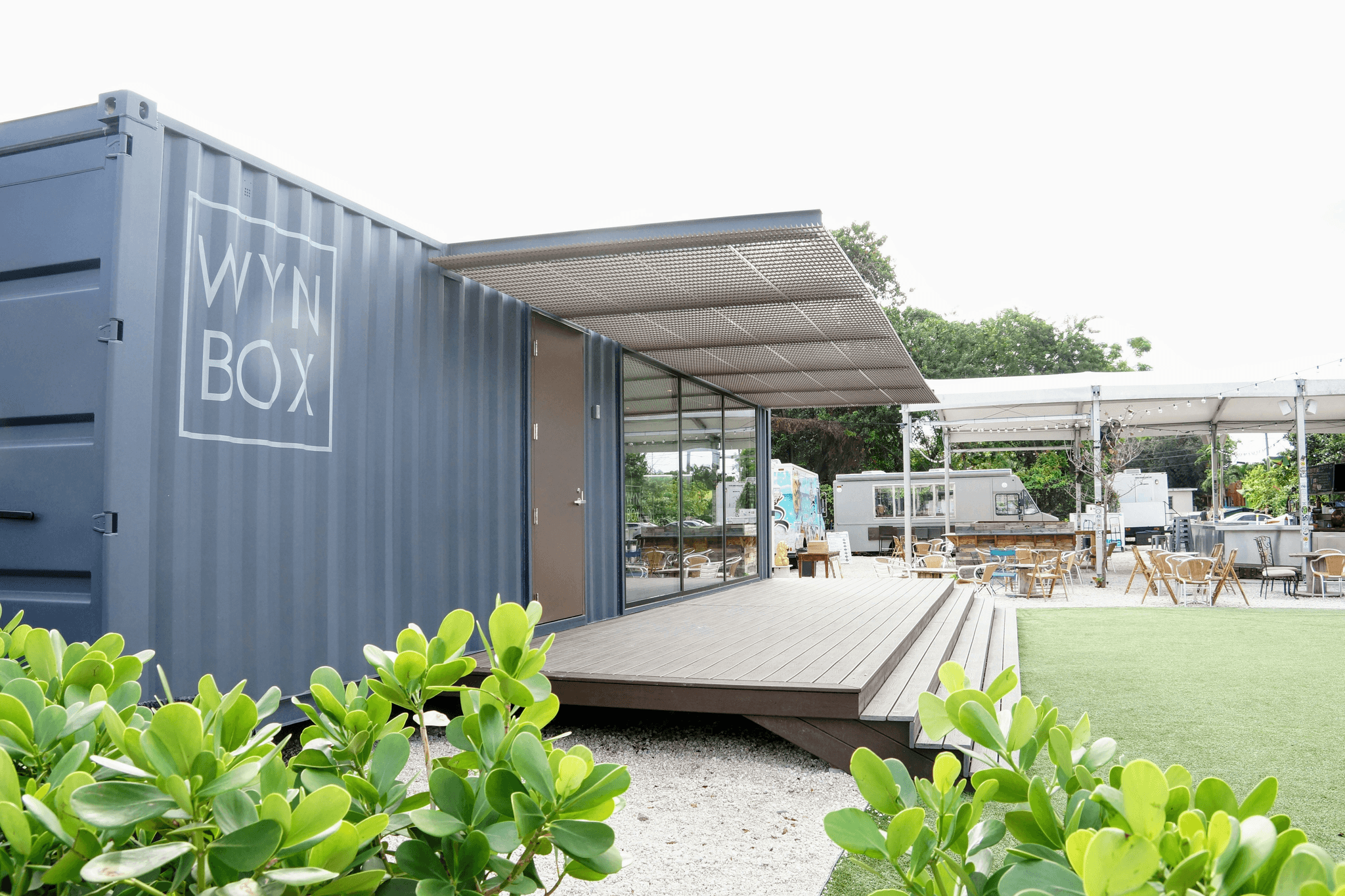
When it comes to educational infrastructure, the cost often weighs heavily on decision-makers. Enter the container school, a budget-friendly alternative that is gaining traction among educational institutions worldwide. With innovative construction solutions and operational efficiencies, container schools are proving to be a smart investment for modern education.
Budget-Friendly Construction Solutions
Building a traditional school can be a financial black hole, but container schools flip that script entirely. Utilizing repurposed shipping containers not only reduces material costs but also shortens construction time significantly, allowing schools to open their doors faster than ever before. PreFab Inc. specializes in these modular designs, ensuring that quality isn’t sacrificed for affordability while keeping the budget firmly in check.
Reduced Operational Costs
Once constructed, container schools continue to save money through reduced operational costs. Their energy-efficient designs often lead to lower utility bills—a boon for any tight school budget! Moreover, the durability of shipping containers means less frequent repairs and maintenance compared to conventional buildings, allowing funds to be redirected towards educational resources rather than upkeep.
Financial Benefits for Educational Institutions
The financial advantages of adopting container schools extend beyond initial savings; they create long-term benefits that resonate throughout the community. Schools can allocate funds saved from construction and operational efficiencies towards essential programs and staff salaries—essentially reinvesting in their students’ futures! With PreFab Inc.'s commitment to cost-effective solutions, educational institutions can embrace this modern approach without breaking the bank.
Sustainability Practices
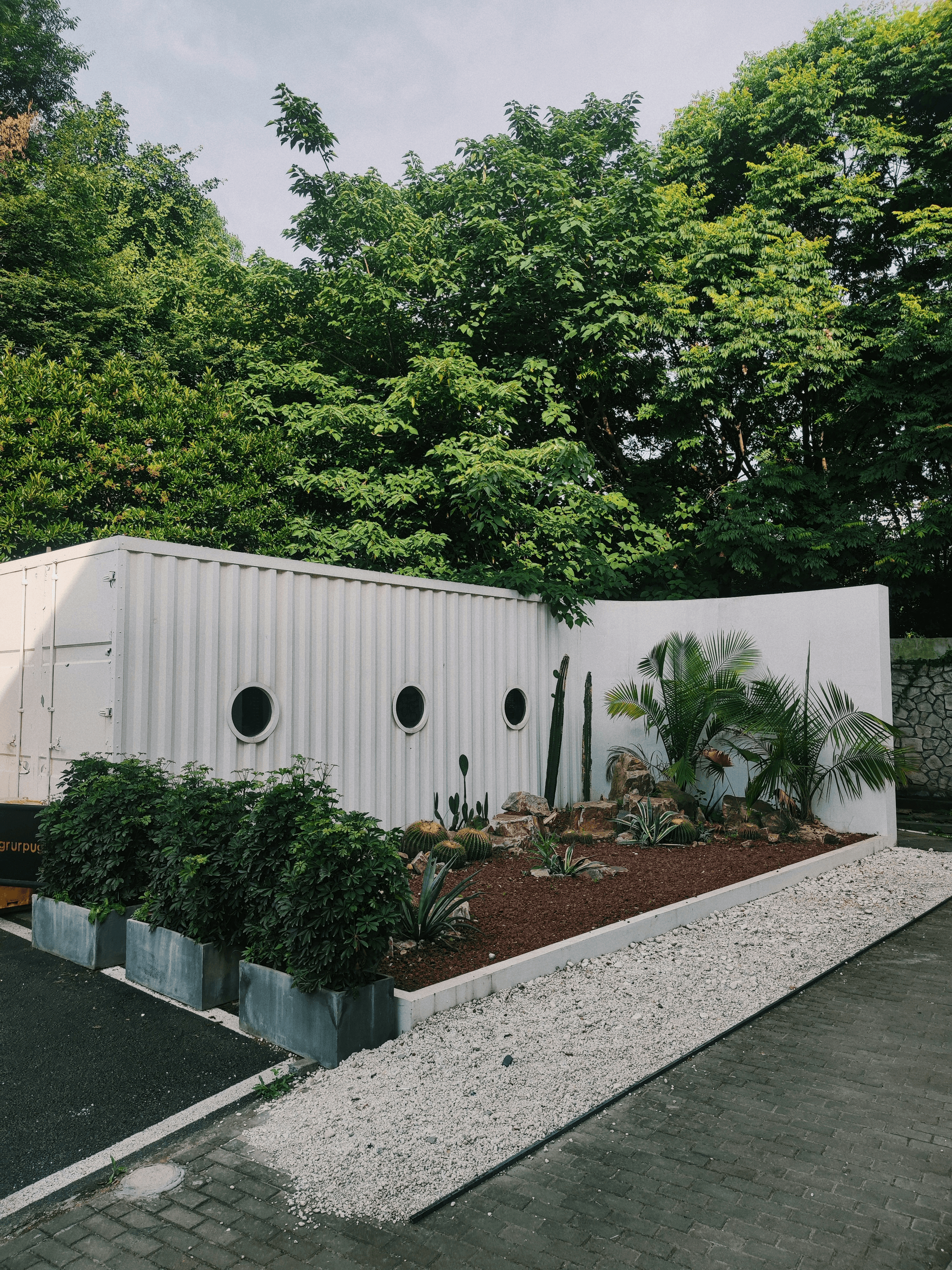
Sustainability is at the heart of container schools, making them a smart choice for modern education. These innovative structures not only provide flexible learning environments but also promote eco-friendly practices that benefit both students and the planet. By embracing sustainability, PreFab Inc. ensures that container schools are paving the way for future educational facilities.
Energy Efficiency in Container Schools
Container schools are designed with energy efficiency in mind, utilizing advanced insulation techniques and natural ventilation to reduce energy consumption. By incorporating solar panels and energy-efficient lighting, these schools can significantly lower their carbon footprint while providing a comfortable learning environment for students. This commitment to energy efficiency not only saves money but also teaches students the importance of sustainability in their daily lives.
Use of Recycled Materials
One of the standout features of container schools is their use of recycled materials, which helps minimize waste and promote environmental responsibility. Containers themselves are repurposed from shipping industries, giving new life to materials that would otherwise end up in landfills. At PreFab Inc., we prioritize using sustainable resources throughout our construction processes, ensuring that our container school projects leave a positive impact on the environment.
Impact on Local Communities
Container schools have a profound impact on local communities by fostering a culture of sustainability and innovation. These eco-friendly educational facilities often inspire community members to adopt greener practices in their own lives, creating a ripple effect that benefits everyone involved. Additionally, by utilizing local labor and materials where possible, PreFab Inc.'s container school projects strengthen economic ties within communities while promoting educational opportunities for all.
Versatile Learning Environments
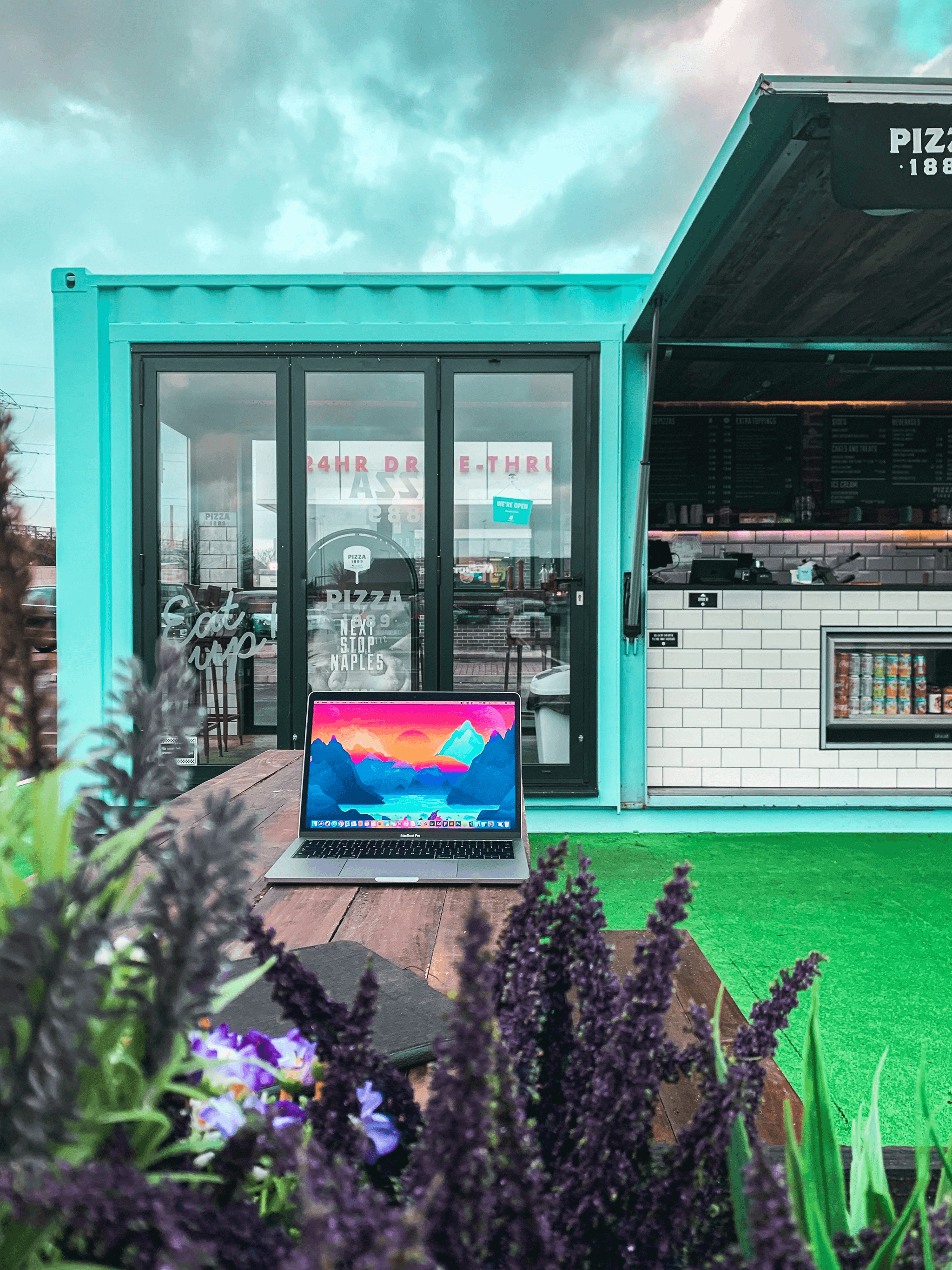
Container schools are redefining the educational landscape by offering adaptable and engaging learning environments. These spaces not only cater to diverse learning styles but also foster creativity and collaboration among students. With a focus on versatility, container schools are designed to meet the ever-evolving needs of modern education.
Customizable Classroom Settings
One of the standout features of container schools is their customizable classroom settings. Educators can easily reconfigure spaces to accommodate various teaching methods, whether it’s traditional lectures or hands-on projects. This flexibility allows for a more personalized learning experience, ensuring that each student can thrive in an environment tailored to their needs.
Moreover, PreFab Inc. designs container schools with movable walls and furniture that can be adjusted based on class size or activity type. This adaptability promotes dynamic interactions among students and teachers alike, breaking down barriers typically found in rigid classroom layouts. With such innovative setups, container schools truly embrace the philosophy that one size does not fit all when it comes to education.
Outdoor and Indoor Learning Spaces
Container schools seamlessly blend indoor and outdoor learning spaces, creating an enriching environment for students. These facilities often feature expansive decks or gardens that serve as outdoor classrooms where nature becomes a vital part of education. Students can engage in hands-on activities such as gardening or environmental science experiments right outside their doors.
Inside, container school designs prioritize natural light and open layouts to enhance learning experiences further. Classrooms equipped with large windows provide views of the outdoors while promoting a sense of connection with nature—a crucial element for fostering creativity and inspiration among young minds. By integrating both indoor and outdoor settings, PreFab Inc.’s container schools encourage exploration beyond traditional boundaries.
Community Engagement Areas
Community engagement is at the heart of many successful container school designs, transforming these educational facilities into vibrant community hubs. Dedicated areas within the school allow for events like workshops, meetings, or art exhibitions that invite local residents to participate actively in school life. This fosters a sense of belonging while bridging gaps between students and their communities.
Additionally, these engagement areas often serve dual purposes—functioning as classrooms during school hours while being available for community use after hours. By encouraging collaboration between educational institutions and local organizations, PreFab Inc.'s container schools create pathways for lifelong learning beyond traditional academic settings. In this way, container schools become catalysts for community development as well as educational innovation.
Real-World Examples

Container schools are not just a trend; they are transforming the educational landscape across the globe. These innovative structures have been implemented in various countries, showcasing their adaptability and effectiveness in addressing educational challenges. From urban centers to remote areas, container schools offer unique solutions that cater to diverse learning environments.
Success Stories from Around the Globe
Across continents, container schools have emerged as beacons of hope for communities facing educational shortages. In countries like Kenya and India, these modular structures provide rapid relief to overcrowded classrooms and serve as a cost-effective means of education delivery. The success stories highlight how container schools not only meet immediate needs but also foster community engagement and support local economies.
In South Africa, for instance, a network of container schools has been established in underserved regions, providing quality education where traditional infrastructure is lacking. These projects have proven that with creativity and determination, even the most challenging circumstances can be turned into opportunities for learning. By harnessing the potential of container schools, communities are witnessing improved student performance and increased enrollment rates.
Case Study: PreFab Inc.'s Container School Projects
PreFab Inc. has taken the lead in revolutionizing education through its innovative container school projects around the world. One notable project involved transforming shipping containers into vibrant learning spaces for a rural community in Mexico, where traditional school buildings were either too expensive or impractical to construct. The result? A modern educational facility that not only met local needs but also inspired students with its unique design.
These container school projects by PreFab Inc. demonstrate how modular design can adapt to various contexts while ensuring sustainability and cost-effectiveness. Each project is tailored to fit the specific requirements of its environment—whether that's incorporating solar panels for energy efficiency or using recycled materials for construction—showcasing an unwavering commitment to both education and ecological responsibility.
Furthermore, PreFab Inc.'s collaboration with local governments ensures that these container schools are built with community input in mind, fostering a sense of ownership among residents that traditional school systems often overlook. This approach amplifies the positive impact on local communities while creating inspiring spaces where students can thrive academically.
Innovations in Design from Notable Architects
The world of architecture has embraced container schools as an exciting canvas for innovation and creativity. Renowned architects are reimagining these modular structures by integrating cutting-edge designs that enhance functionality while maintaining aesthetic appeal. For instance, some designs feature open layouts with movable walls that allow classrooms to transform based on teaching methods or group sizes.
Notable architects have also focused on eco-friendly elements within their designs—incorporating green roofs and rainwater harvesting systems into their plans for sustainable container schools. This forward-thinking approach not only reduces environmental impact but also teaches students about sustainability practices firsthand.
Moreover, these architectural innovations extend beyond mere aesthetics; they create environments conducive to learning by maximizing natural light and ventilation within each space—a crucial factor often overlooked in conventional school designs. By prioritizing both form and function, architects are ensuring that future generations benefit from inspiring educational settings made possible through innovative use of shipping containers.
Conclusion

In a world that demands adaptability and sustainability, container schools are emerging as the innovative solution to modern educational challenges. These modular structures not only provide flexible learning environments but also significantly reduce costs and environmental impact. With their unique design and functionality, container schools are poised to redefine how we approach education in the future.
Why Container Schools Are the Future
Container schools represent a transformative shift in educational architecture, addressing both space constraints and budget limitations faced by many institutions today. Their modular nature allows for quick assembly and reconfiguration, making them perfect for evolving educational needs. As communities grow and change, these adaptable structures facilitate seamless transitions between different learning environments while promoting inclusivity.
The Role of PreFab Inc. in Education
PreFab Inc. is at the forefront of this container school revolution, leading the charge with innovative designs that prioritize both functionality and aesthetics. By utilizing eco-friendly materials and smart technology integration, PreFab Inc.'s projects set a benchmark for sustainable education solutions worldwide. Their commitment to creating versatile learning spaces empowers educators to engage students more effectively while fostering community involvement.
Embracing Modern Solutions in Learning
As we look toward the future of education, embracing modern solutions like container schools is essential for creating inclusive and diverse learning experiences. With their cost-effectiveness and sustainability practices, these modular buildings can cater to various educational needs without compromising quality or safety. By investing in container schools through companies like PreFab Inc., we can ensure that future generations have access to dynamic environments that inspire creativity and collaboration.