

Introduction
In recent years, the construction industry has witnessed a remarkable transformation with the rise of prefab construction. Prefab, short for prefabricated, refers to building components that are manufactured off-site and then assembled on location. This innovative approach not only speeds up the building process but also offers a sustainable solution to housing demands.
The Rise of Prefab Construction
The popularity of prefab construction has surged due to its efficiency and cost-effectiveness. Homeowners and builders alike are drawn to the idea of constructing homes that can be assembled in a fraction of the time compared to traditional methods. Companies like PreFab Inc. have played a pivotal role in this movement, providing high-quality prefab options that cater to modern lifestyles.
Benefits of Building Prefab
One of the primary benefits of building prefab is its potential for significant time savings during the construction process. With components manufactured in a controlled environment, weather delays are minimized, allowing homeowners to move into their new spaces sooner than ever before. Additionally, prefab homes often come with lower overall costs due to reduced labor expenses and material waste.
Trends Shaping Prefab Homes
As we look toward the future, several trends are shaping the landscape of prefab homes. Sustainability is at the forefront, with an increasing number of builders focusing on eco-friendly materials and energy-efficient designs as they plan their projects. Furthermore, customization options are becoming more accessible, allowing homeowners to truly personalize their spaces while still benefiting from the advantages that come with choosing to build prefab.
Understanding Prefab Construction
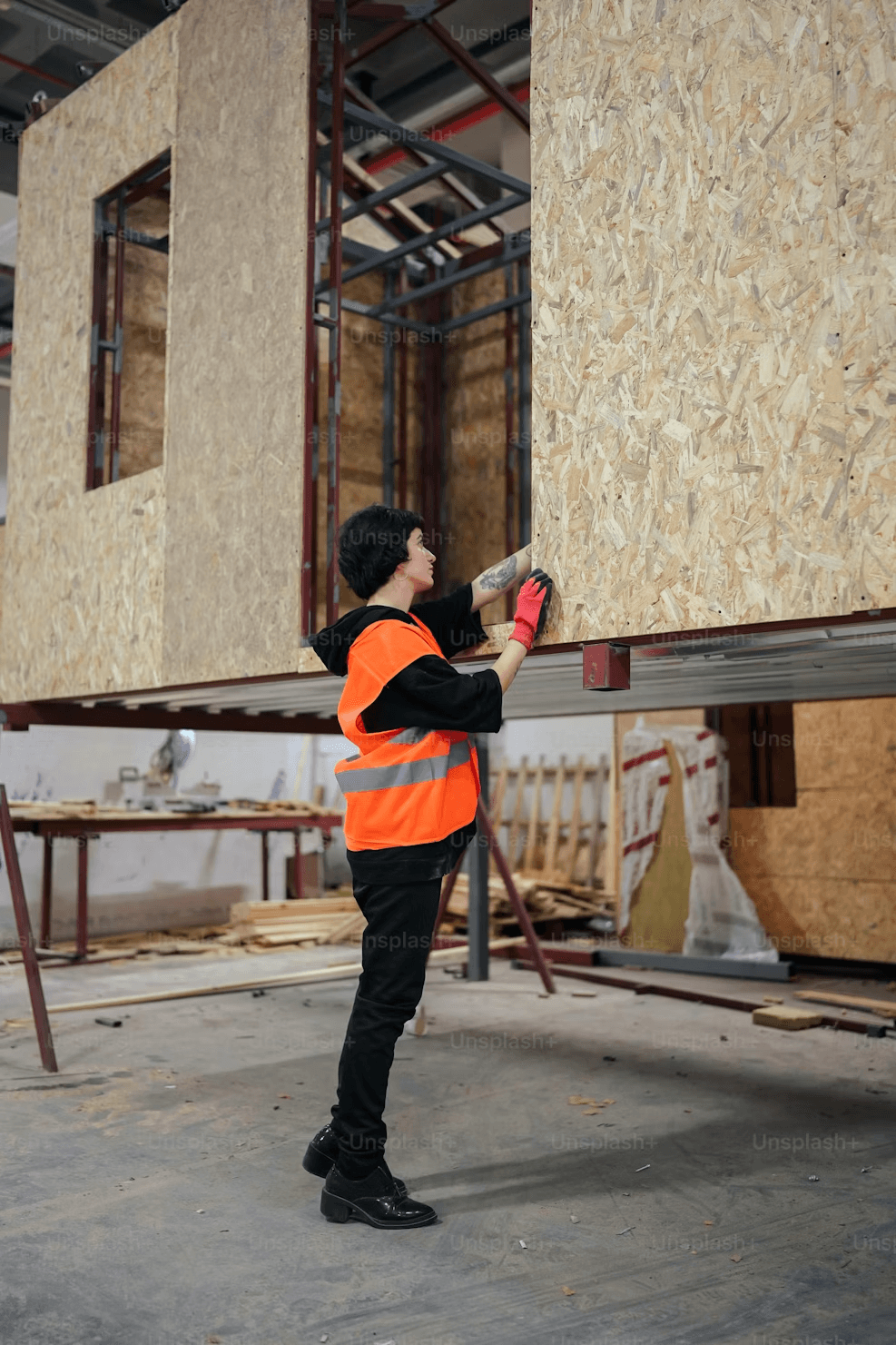
Prefab construction is revolutionizing the way we think about building homes. This method involves creating components of a home in a factory setting, which are then transported and assembled on-site. By choosing to build prefab, homeowners can enjoy efficiency, cost savings, and reduced waste.
What is Prefab?
Prefab refers to prefabricated construction, where sections of a building are manufactured off-site before being delivered for assembly. The beauty of this approach lies in its ability to minimize on-site labor while maximizing precision and quality control during production. When you decide to build prefab, you’re opting for a streamlined process that can save time and money without sacrificing design or durability.
Types of Prefab Homes
There are several types of prefab homes available today, each offering unique benefits tailored to different lifestyles and budgets. Modular homes are built in sections that can be combined on-site, while panelized homes consist of wall panels that are erected quickly for faster construction times. Additionally, manufactured homes provide an affordable option with various customization features—ideal if you're looking to build prefab without breaking the bank.
Prefab vs. Traditional Building
When comparing prefab construction to traditional building methods, the differences become quite apparent. Traditional building often involves lengthy timelines due to weather delays and extensive labor requirements; however, when you choose to build prefab, much of this is mitigated through factory production techniques. Moreover, the precision associated with prefabrication often leads to fewer mistakes and waste—making it not only economically smart but also environmentally friendly.
Planning Your Prefab Project
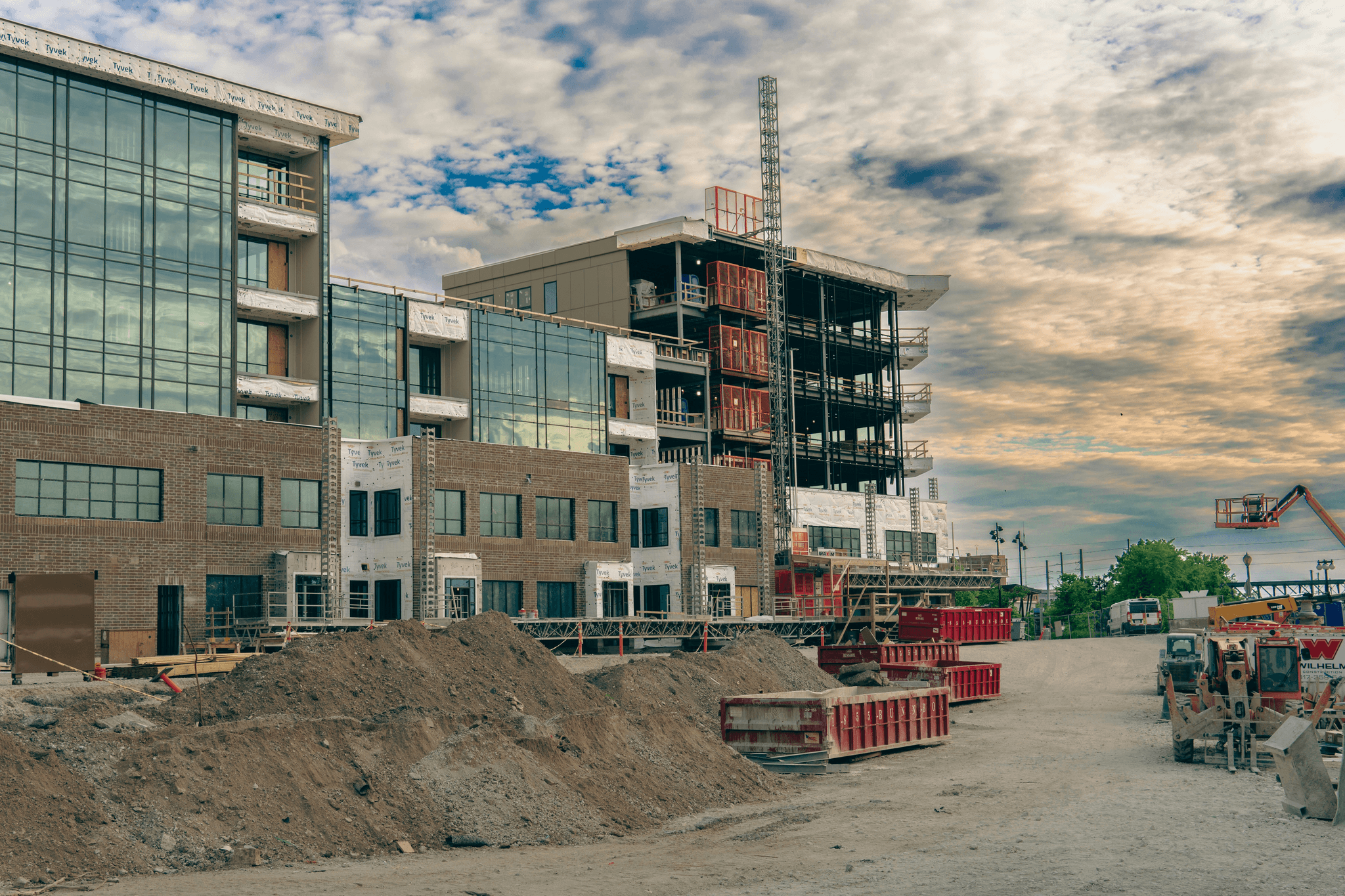
Planning your prefab project is a crucial step that can make or break your dream home experience. From budgeting to land selection and timelines, each component requires careful consideration to ensure a smooth process. Let’s dive into the essentials of planning so you can successfully build prefab.
Setting a Budget
Setting a budget is the first and most important step when you plan to build prefab. Begin by determining how much you're willing to invest in your new home, keeping in mind costs like land acquisition, materials, labor, and permits. Remember that while prefab homes can be more cost-effective than traditional builds, unexpected expenses can arise—so it's wise to include a buffer in your budget.
Once you have an initial figure in mind, break it down into categories: construction costs, design fees, utility hookups, and landscaping expenses are just a few examples. This detailed approach will help you understand how much flexibility you have for customizations and upgrades as you work with PreFab Inc. on your design choices.
Lastly, don’t forget about financing options! Whether you're considering loans or grants specifically for building prefab homes or tapping into personal savings, ensure that your financial plan aligns with your overall budget strategy.
Choosing the Right Land
Choosing the right land is another critical factor when planning to build prefab; after all, location matters! Start by researching areas that fit your lifestyle preferences—think about proximity to work, schools, amenities, and natural surroundings that inspire you. Consider factors such as zoning regulations and access to utilities which will impact both the feasibility of building on that land and the overall cost.
Once you've narrowed down potential plots of land for your future home from PreFab Inc., take time to visit each site personally. Walk around the property while envisioning how your dream home will fit within the landscape; this is also an excellent opportunity to assess any unique features or challenges posed by the terrain itself.
Finally, don't hesitate to consult with local real estate experts who can provide insight into market trends and help negotiate favorable terms for purchasing land perfect for building prefab homes.
Timelines for Building Prefab
Timelines play an essential role in planning any construction project—including those involving prefab homes! Generally speaking, building prefab tends to be quicker than traditional methods due to streamlined processes like factory assembly combined with onsite installation efficiency. However, various factors—including design complexity and local permitting—can influence how long it will actually take from start to finish.
When setting timelines for building prefabs with PreFab Inc., begin by establishing key milestones: securing land ownership should come first followed closely by finalizing designs and obtaining necessary permits before construction kicks off at last! Each phase might require specific durations depending on individual circumstances but having these benchmarks helps keep everything on track.
In conclusion—while every project timeline differs based upon numerous variables—it’s crucial not only for managing expectations but also ensuring timely completion of what could become one of life’s most significant investments: creating a beautiful new home!
Designing Your Dream Prefab
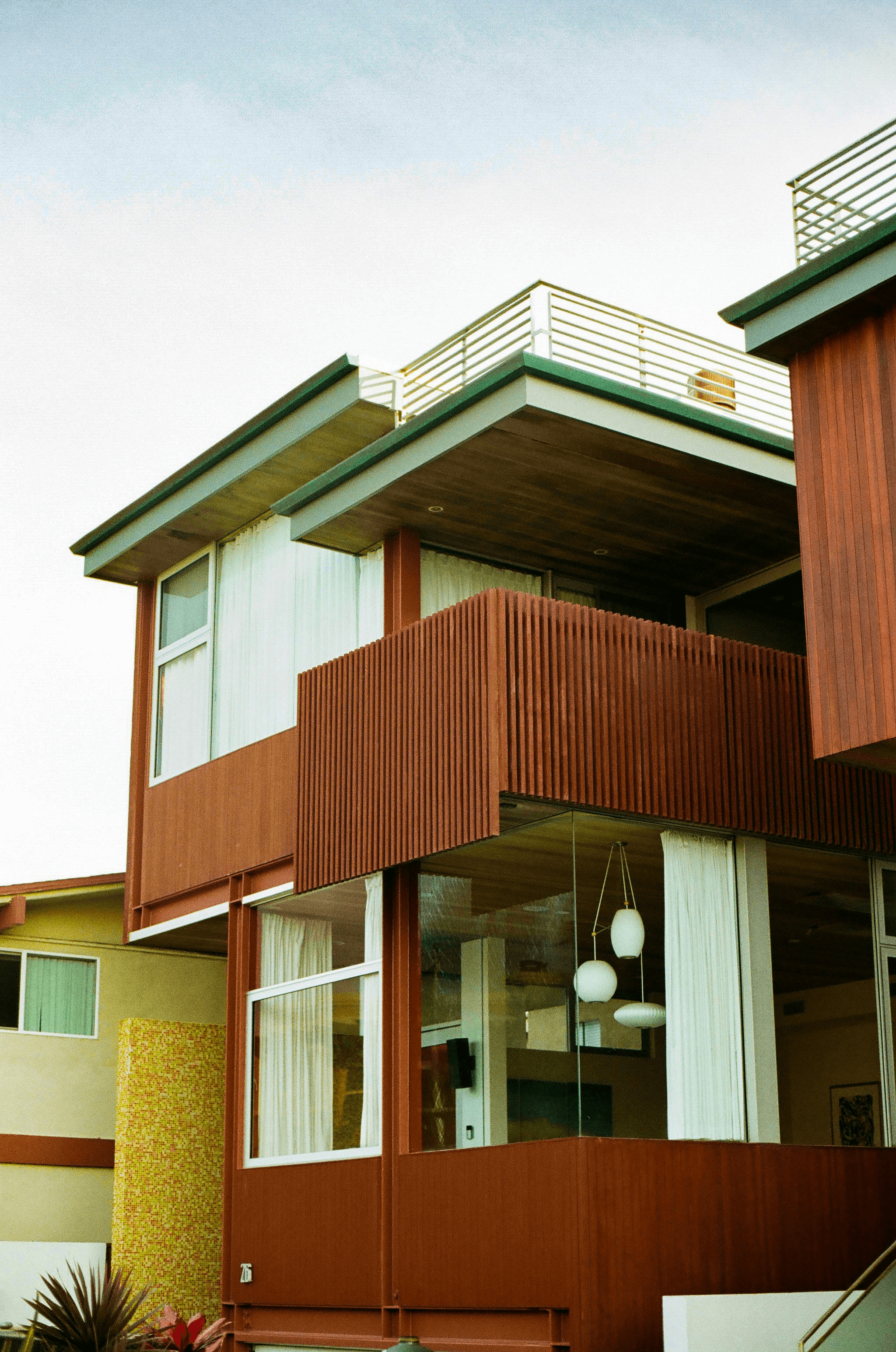
Designing your dream prefab home is an exciting journey that blends creativity with practicality. With the right approach, you can build prefab structures that not only meet your needs but also reflect your unique style. So, let’s dive into the popular design styles, customization options, and how to collaborate effectively with architects.
Popular Design Styles
When it comes to building prefab homes, there are several design styles that have gained popularity over the years. From sleek modern aesthetics to charming rustic vibes, there's something for everyone. You might find yourself drawn to minimalist designs characterized by clean lines and open spaces or perhaps a cozy cottage style that invites warmth and comfort—each style offers its own unique flair.
One of the more trendy options is the industrial look, featuring raw materials like exposed steel and concrete for a bold statement. Alternatively, if you're a fan of nature-inspired designs, you could opt for organic shapes and sustainable materials that blend seamlessly into their surroundings. Regardless of your choice, PreFab Inc. can help you navigate these styles to ensure your dream home becomes a reality.
Customization Options
The beauty of prefab construction lies in its inherent flexibility when it comes to customization options. When you decide to build prefab, you have the chance to tailor every aspect of your home from floor plans to finishes—making it truly yours! Whether it's choosing eco-friendly materials or selecting vibrant colors for interior walls, the possibilities are endless.
You may want an open-concept living area or perhaps a cozy nook for reading; whatever it is, PreFab Inc. offers various customizable features that cater specifically to your desires. Moreover, integrating smart home technology can enhance both convenience and energy efficiency in your new abode—a perfect blend of modern living with personalization at its core.
Working with Architects
Collaborating with architects is crucial when planning how to build prefab efficiently while maximizing aesthetic appeal and functionality. An architect can help translate your vision into practical designs while ensuring compliance with local regulations—so no surprises down the line! Engaging with professionals who understand both traditional architecture and modern prefab techniques will streamline the process significantly.
When working alongside an architect from PreFab Inc., be sure to communicate openly about what you envision for your space; this will facilitate creative solutions tailored just for you! They will guide you through each phase—from initial sketches right up until construction begins—ensuring everything aligns perfectly with what you've imagined.
Sourcing Materials and Builders
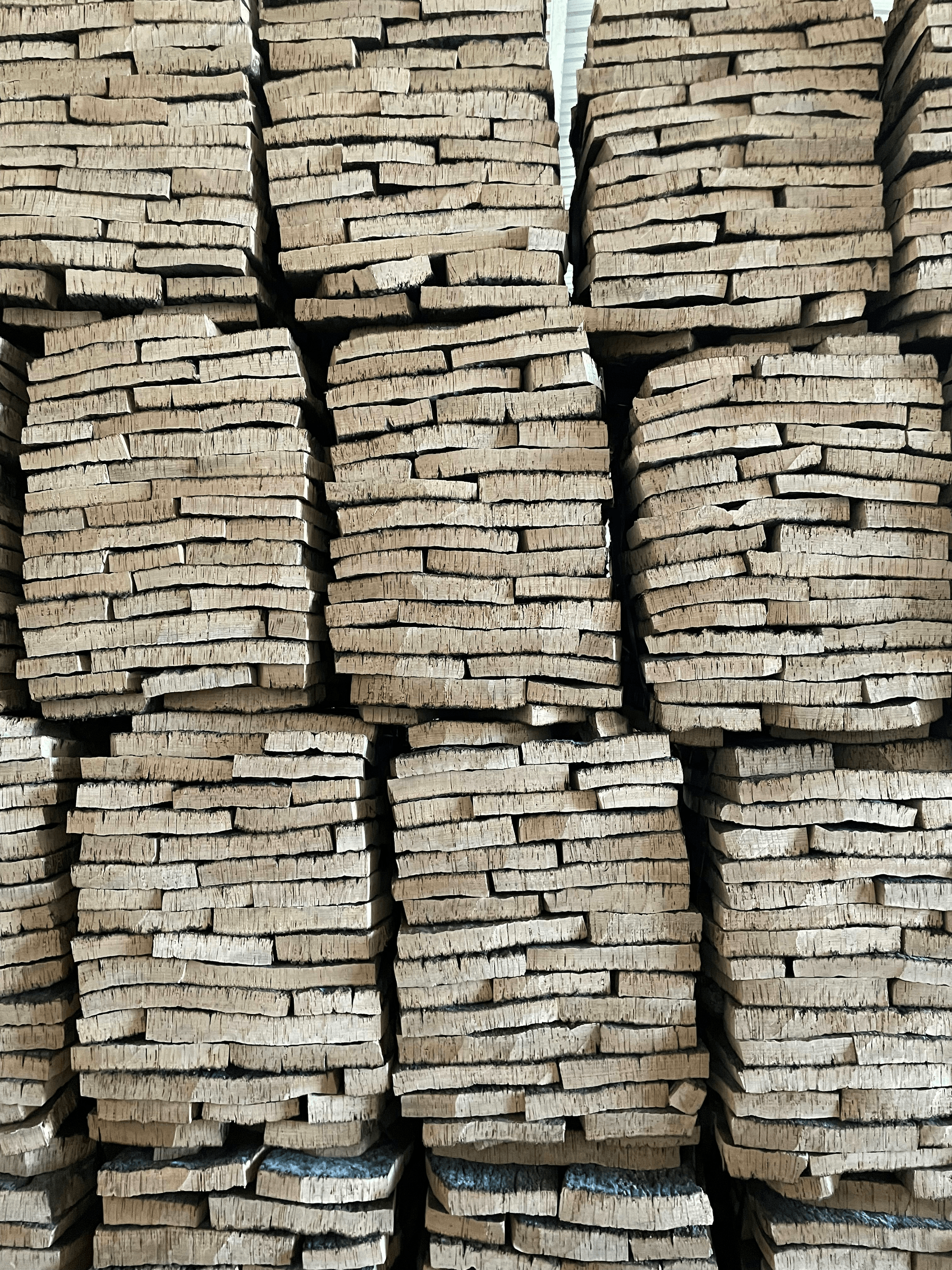
When it comes to building prefab, sourcing the right materials and finding reliable builders is crucial. The quality of your prefab home largely depends on the suppliers you choose and the craftsmanship of your builders. Let's dive into how to make smart choices in this essential phase of your project.
Finding Reputable Suppliers
Finding reputable suppliers is like searching for gold in a sea of options; it can be daunting but incredibly rewarding. Start by researching local suppliers who specialize in prefab materials, as they often have the best knowledge about what works well in your area. Don't forget to check reviews, ask for recommendations, and even visit showrooms—these steps will ensure you’re not just another number when you build prefab.
Networking within online communities or forums dedicated to prefab construction can also lead you to hidden gems among suppliers. Engaging with others who have successfully built prefab homes will provide insights into their experiences with various providers. Remember, a solid relationship with your supplier can lead to better deals and potentially exclusive materials that elevate your project.
Partnering with PreFab Inc.
Partnering with PreFab Inc. can simplify the entire process of building prefab from start to finish. With years of experience under our belt, we understand the nuances involved in sourcing quality materials and working with skilled builders who share our commitment to excellence. Our team is dedicated to helping you find the perfect balance between cost-effectiveness and high-quality construction.
When you partner with us, you're not just getting a service; you're gaining a partner invested in making your dream home a reality. We offer tailored solutions that fit your specific needs while ensuring that every aspect aligns seamlessly—from design through construction—all while keeping sustainability at the forefront of our mission. So when you're ready to build prefab, think PreFab Inc.; we've got your back!
Importance of Quality Materials
The phrase you get what you pay for rings especially true when it comes to building prefab homes; quality materials make all the difference! Using high-grade materials not only enhances durability but also contributes significantly to energy efficiency—an important factor for modern homeowners looking toward sustainability. Investing upfront means fewer headaches down the road, which is something anyone embarking on this journey would appreciate.
Moreover, quality materials can elevate aesthetic appeal as well as functionality; think about how stunning reclaimed wood or eco-friendly insulation could enhance both beauty and performance in your home! When planning your project, always prioritize sourcing top-notch materials that align with both style preferences and environmental considerations—your future self will thank you for it!
Navigating Permits and Regulations
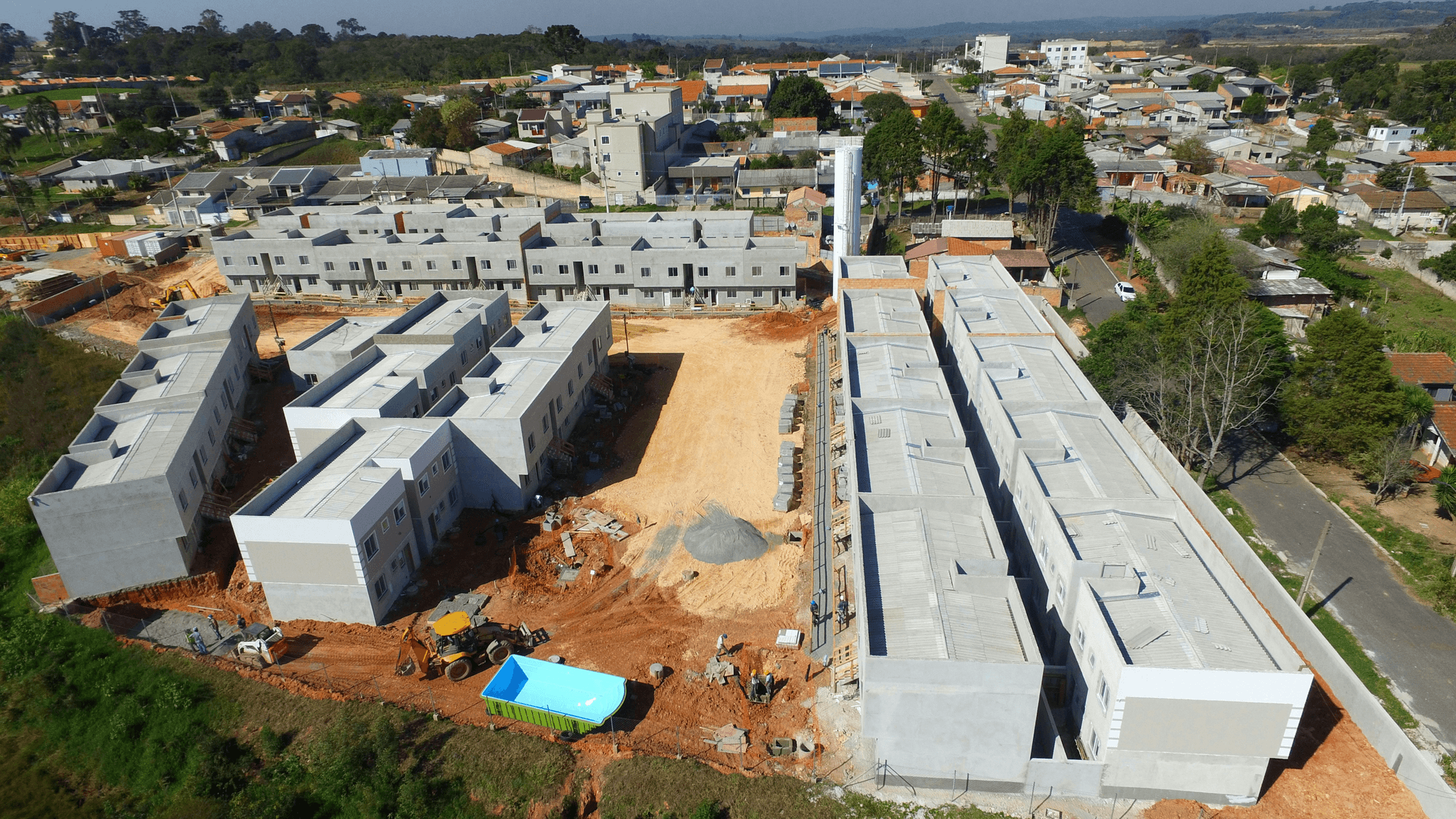
When you decide to build prefab, understanding the maze of permits and regulations is crucial. It can feel daunting, but with a little guidance, you’ll be well on your way to navigating this necessary process. After all, the last thing you want is to have your dream home delayed due to paperwork!
Understanding Local Zoning Laws
Before you even think about laying a single foundation for your prefab home, it’s essential to understand local zoning laws. These laws dictate what can be built where and often vary significantly from one area to another. Make sure that the land you choose allows for prefab construction; otherwise, you might find yourself in a sticky situation with local authorities.
Zoning laws can also affect the size and height of your build, so plan carefully! If you're working with PreFab Inc., they can help guide you through these regulations tailored specifically for prefab homes. Remember, being informed means fewer headaches down the road!
Building Codes for Prefab Homes
Building codes are like the ultimate rulebook for construction – they ensure safety and quality in every build prefab project. These codes outline everything from structural integrity to electrical systems and plumbing standards that must be met during construction. Familiarizing yourself with these codes is vital because non-compliance can lead to costly fines or even having to redo work.
Prefab homes often have specific guidelines due to their unique construction methods, so don't hesitate to reach out for professional advice if needed! PreFab Inc. has a wealth of experience navigating these codes and can provide insights tailored specifically for your project. Staying compliant not only protects your investment but also ensures that you’re building a safe haven for years to come.
Obtaining Necessary Permits
Once you've got a handle on zoning laws and building codes, it’s time to roll up your sleeves and dive into obtaining necessary permits before you start building prefab homes. Depending on where you're located, this process may involve several different applications – think of it as collecting stamps in a passport but less fun!
Your local government will typically require permits related to land use, building safety inspections, and possibly environmental impact assessments as well. Working alongside experienced builders like those at PreFab Inc., who are familiar with the ins-and-outs of permit acquisition in various regions will make this step much smoother.
In summary, while navigating permits and regulations may seem overwhelming at first glance when planning to build prefab homes, being informed will empower you throughout the process!
Conclusion
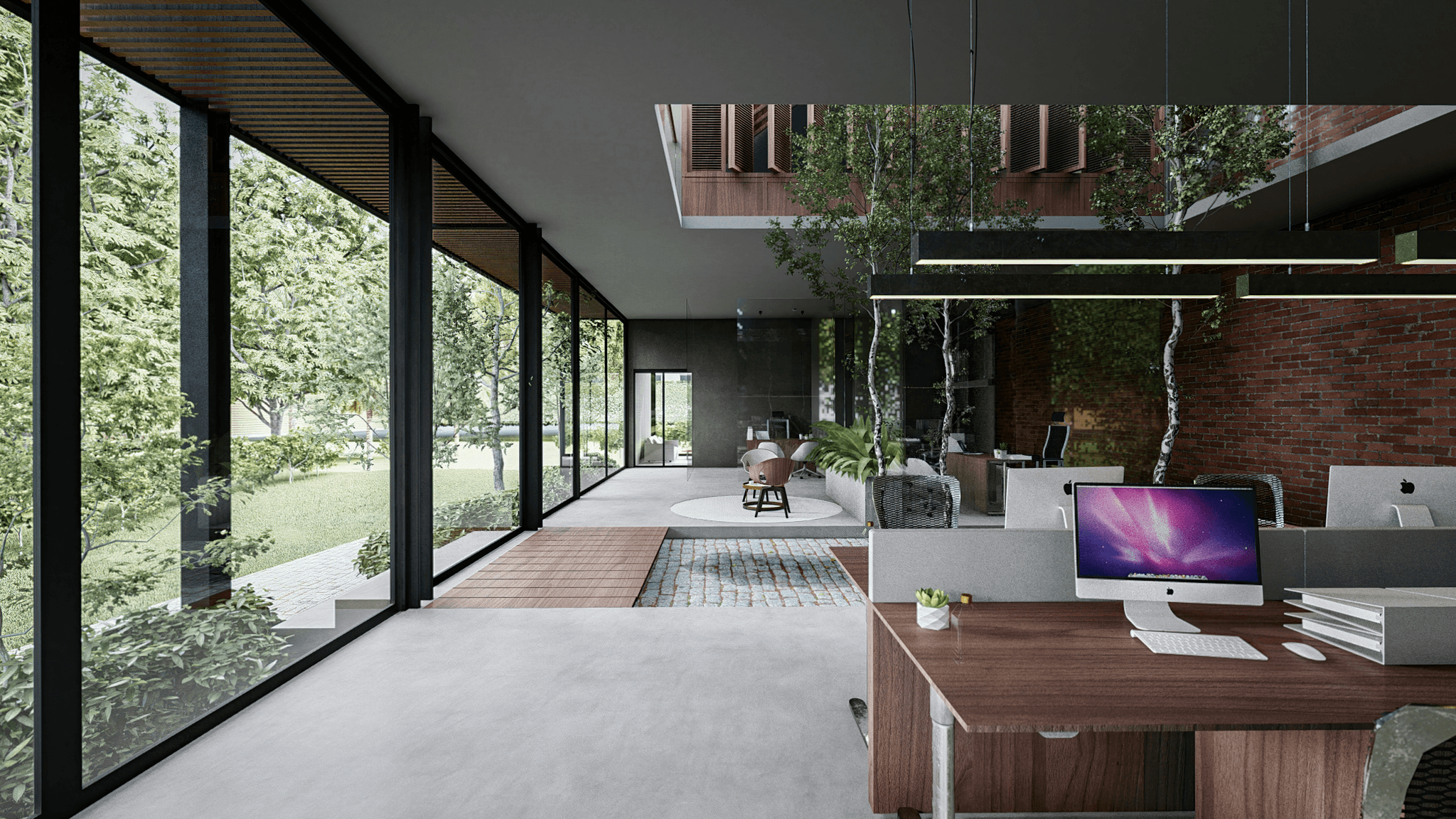
In wrapping up our exploration of prefab construction, it’s clear that this innovative building method offers a multitude of benefits for modern homeowners. By choosing to build prefab, you can save time and costs while enjoying the flexibility of design options that cater to your unique lifestyle. Whether you're an eco-conscious individual or simply looking for a faster way to create your dream home, the future of prefab construction is bright and full of possibilities.
How to Successfully Build Prefab
To successfully build prefab, start by conducting thorough research on your options and setting realistic expectations. It’s essential to work closely with reputable companies like PreFab Inc., who can guide you through the process from concept to completion. Remember, communication is key; keep in touch with your builders and suppliers throughout the project to ensure everything runs smoothly.
Future of Prefab Construction
The future of prefab construction looks promising as technology continues to advance and consumer preferences shift towards efficiency and sustainability. More homeowners are recognizing the advantages of building prefab homes, including reduced waste and shorter construction times, making them an increasingly popular choice in today’s market. As we move forward, expect innovations in materials and designs that will further enhance the appeal of prefab living.
Building a Sustainable Home
When you choose to build prefab with a focus on sustainability, you’re not just creating a home; you’re contributing positively to the environment. Many prefab companies prioritize eco-friendly materials and energy-efficient designs that reduce your carbon footprint without sacrificing style or comfort. By partnering with PreFab Inc., you can ensure that your new abode is not only beautiful but also sustainable for years to come.