

Introduction
In recent years, the hospitality industry has witnessed a remarkable transformation with the rise of prefabricated hotel buildings. This innovative approach not only streamlines construction but also addresses the growing demand for sustainable and efficient lodging solutions. As travelers increasingly seek unique and eco-friendly accommodations, companies like PreFab Inc. are at the forefront of this revolution, leading the charge in redefining how hotels are built and experienced.
The Rise of Prefabricated Hotel Buildings
Prefabricated hotel buildings have emerged as a popular solution to meet the ever-evolving needs of modern travelers and investors alike. These structures are manufactured off-site in controlled environments, allowing for faster assembly and reduced on-site disruption. With a surge in demand for quick turnaround times and cost-effective solutions, it's no wonder that prefabrication is becoming synonymous with contemporary hospitality design.
Benefits of Prefabrication in Hospitality
The benefits of prefabrication in hospitality extend beyond just speed; they encompass sustainability, cost-effectiveness, and design flexibility. By utilizing advanced building techniques, prefabricated hotel buildings can significantly reduce waste during construction while also lowering energy consumption over their lifetime. Additionally, investors can enjoy financial advantages through reduced labor costs and shorter project timelines, making these structures an attractive option for any hospitality venture.
How PreFab Inc. Leads the Charge
PreFab Inc. stands out as a pioneer in the realm of prefabricated hotel buildings, combining innovation with practicality to create stunning accommodations that meet diverse client needs. With a commitment to quality craftsmanship and eco-friendly practices, PreFab Inc.'s projects exemplify how modern technology can enhance traditional hospitality concepts. As they continue to shape the future of hotel construction, their influence will undoubtedly inspire others to embrace this game-changing approach.
What is Prefabricated Hotel Building?
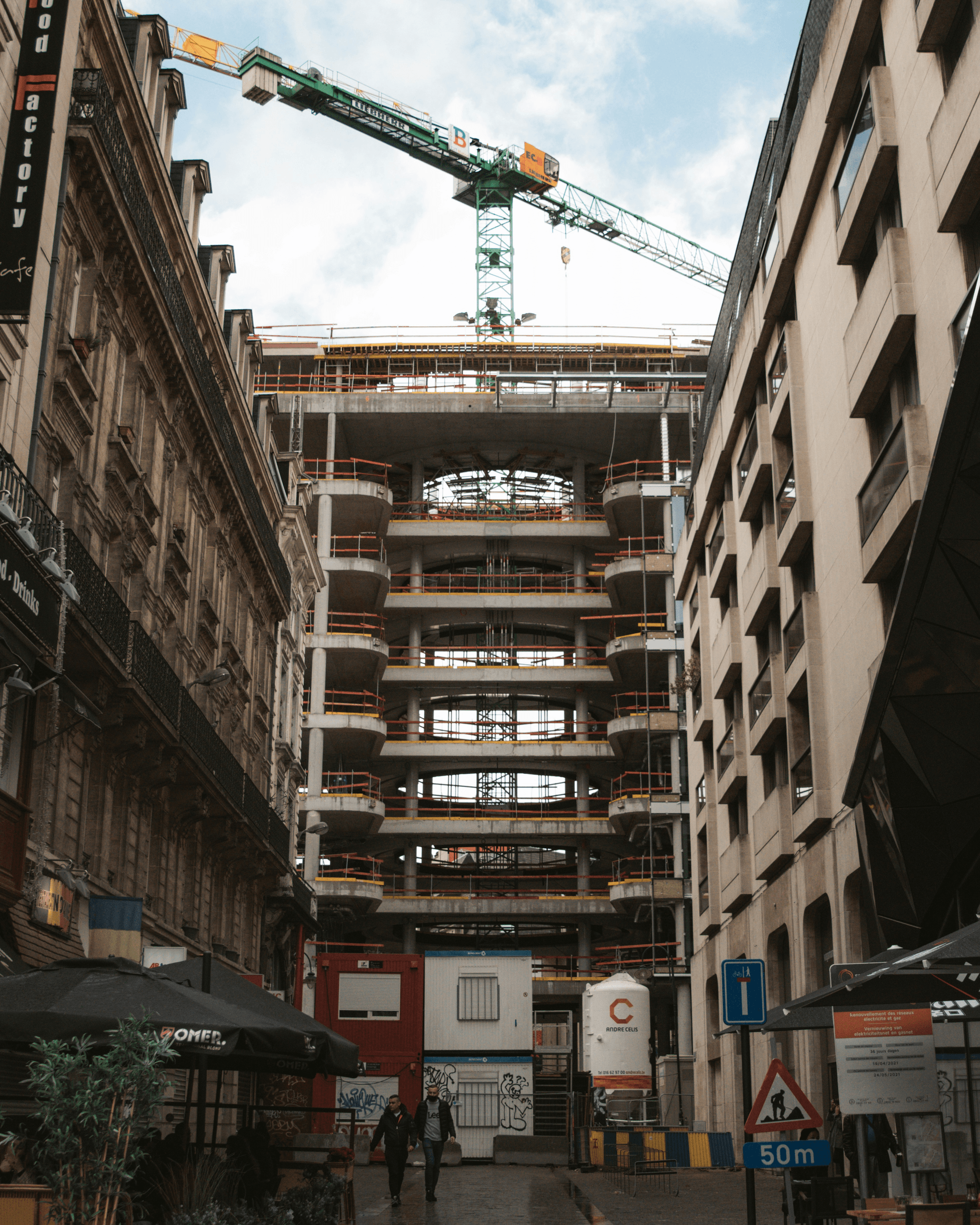
Prefabricated hotel buildings are revolutionizing the hospitality industry by offering a modern approach to construction. Unlike traditional building methods that rely on on-site assembly, these structures are manufactured in sections or modules at a factory and then transported to the site for quick assembly. This innovative method not only speeds up the construction timeline but also enhances efficiency, making it an appealing option for developers and investors alike.
Definition and Overview
A prefabricated hotel building is essentially a structure that is pre-made off-site and then assembled on location, allowing for greater control over quality and design. This process involves creating components—such as walls, floors, and roofs—under controlled conditions before transporting them to the final destination. By using this method, hotels can be constructed faster while maintaining high standards of quality and safety.
Types of Prefabricated Structures
There are several types of prefabricated structures used in the hospitality sector, each catering to different needs and styles. Modular hotels consist of individual units that can be stacked or arranged in various configurations, allowing for flexibility in design. Panelized systems involve pre-constructed wall panels that can be quickly assembled on-site, while hybrid systems combine both modular units and panelized components for unique architectural designs.
Industry Examples
The hospitality industry has seen numerous successful implementations of prefabricated hotel buildings across various markets. For instance, PreFab Inc. has been at the forefront of this movement by delivering stylish modular hotels that meet diverse customer demands without compromising quality or aesthetics. Notable examples include the CitizenM hotels known for their sleek designs and rapid construction timelines as well as Marriott's Moxy brand which embraces modernity with its prefabricated approach.
Sustainability and Environmental Impact
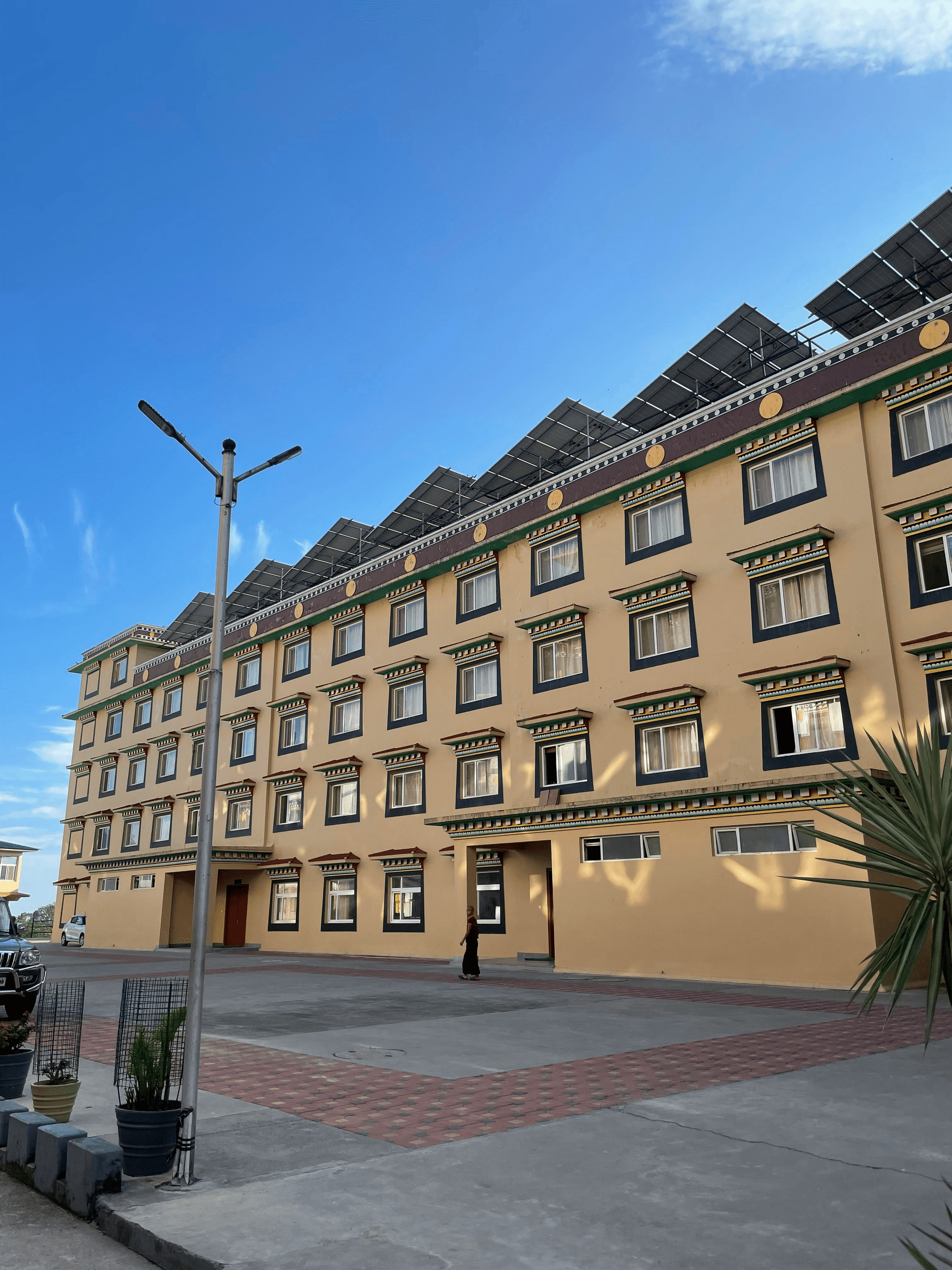
In the ever-evolving landscape of hospitality, sustainability has emerged as a crucial pillar for success. Prefabricated hotel buildings are at the forefront of this green revolution, offering innovative solutions that minimize environmental impact. By embracing eco-friendly construction practices, hotels can not only reduce their carbon footprint but also attract environmentally conscious travelers.
Eco-Friendly Construction Practices
Eco-friendly construction practices are integral to the appeal of prefabricated hotel buildings. These structures are often built in controlled environments where waste is minimized and resources are optimized, leading to a more sustainable building process. PreFab Inc. employs materials that are not only durable but also sourced responsibly, ensuring that every aspect of the construction aligns with environmental standards.
Additionally, prefabricated hotel buildings can incorporate renewable energy technologies such as solar panels and green roofs during the manufacturing phase. This proactive approach means that hotels can start their journey towards sustainability right from the blueprint stage. As a result, guests enjoy modern amenities while knowing they’re supporting an eco-conscious establishment.
Reducing Waste and Energy Use
One of the most significant advantages of prefabrication is its ability to drastically reduce waste and energy use during construction. Traditional building methods often lead to excess material waste due to on-site alterations and delays; however, prefabricated hotel buildings minimize this by producing components off-site in a controlled setting. This streamlined process not only conserves resources but also cuts down on transportation emissions associated with multiple trips to a job site.
Moreover, these structures typically feature energy-efficient designs that contribute to lower operational costs over time. With advanced insulation techniques and smart technology integration, prefabricated hotels can significantly decrease their energy consumption once operational—making them attractive options for both investors and guests alike. The combination of reduced waste during construction and lower energy use post-completion positions prefabricated hotels as leaders in sustainable hospitality.
Case Studies of Green Hotels
Several successful case studies highlight how prefabricated hotel buildings have made strides in sustainability within the industry. One notable example is a renowned eco-resort constructed entirely from prefabricated modules that utilize reclaimed materials and solar power systems designed by PreFab Inc., showcasing how luxury can coexist with environmental responsibility. Guests at this resort enjoy breathtaking views while resting easy knowing they’re supporting a business committed to minimizing its ecological impact.
Another impressive instance involves a boutique hotel chain that adopted modular building techniques for rapid deployment in urban areas facing housing shortages—demonstrating how prefabrication can address social issues alongside environmental ones. These initiatives prove that sustainability doesn’t have to compromise quality or aesthetics; instead, it enhances them by creating unique spaces tailored for modern travelers seeking greener alternatives.
In summary, as more hospitality brands recognize the benefits of incorporating sustainable practices into their operations through prefabricated hotel buildings, we anticipate seeing an even greater shift towards eco-conscious design principles across the industry.
Cost-Effectiveness of Prefabricated Hotels
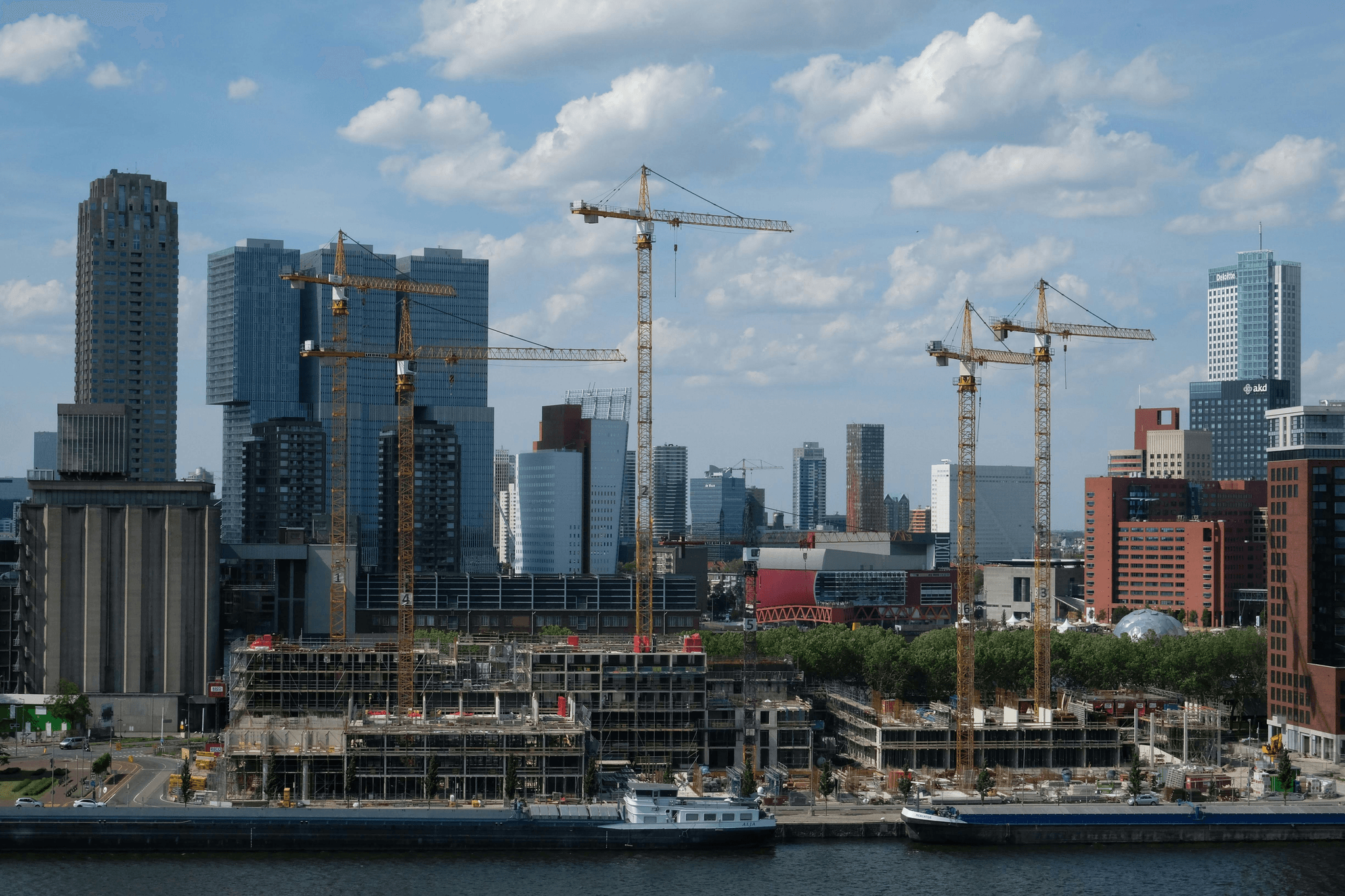
In the competitive world of hospitality, cost-effectiveness can make or break a project. Prefabricated hotel buildings offer a unique solution that not only reduces expenses but also enhances overall efficiency. By streamlining construction processes and minimizing waste, PreFab Inc. is revolutionizing how hotels are built, making it an attractive option for developers and investors alike.
Lower Construction Costs
One of the standout features of prefabricated hotel buildings is their ability to significantly lower construction costs. Traditional building methods often involve lengthy timelines and unexpected expenses due to delays and material shortages. With PreFab Inc., these challenges are mitigated; components are manufactured off-site in controlled environments, leading to predictable budgeting and reduced labor costs.
Moreover, the economies of scale achieved through mass production mean that materials can be sourced at lower prices without sacrificing quality. This translates into substantial savings for hotel operators who need to keep their bottom line in check while still delivering exceptional guest experiences. Ultimately, investing in prefabricated hotel buildings can lead to a more profitable venture from the outset.
Speeding Up the Building Process
Time is money in the hospitality industry, and prefabricated hotel buildings excel at reducing construction timelines significantly. While traditional builds can take months or even years to complete, PreFab Inc.'s modular approach allows for rapid assembly on-site after components have been manufactured off-site. This means that hotels can open their doors faster, capturing revenue sooner than with conventional construction methods.
Additionally, fewer weather-related delays occur when much of the work is done indoors at a controlled facility; this ensures that projects remain on schedule regardless of external conditions. The speediness not only benefits developers but also enhances customer satisfaction as guests enjoy new accommodations without long waits for completion.
Financial Benefits for Investors
Investors looking into prefabricated hotel buildings will find attractive financial incentives that make these projects stand out in an ever-competitive market. The combination of lower initial costs and quicker returns on investment creates a compelling case for funding prefabrication initiatives like those offered by PreFab Inc. Beyond immediate savings, investors benefit from reduced operational costs over time due to efficient energy use and sustainable practices.
Furthermore, as consumer demand shifts towards eco-friendly accommodations, investing in sustainable prefabricated structures positions stakeholders favorably within evolving market trends focused on environmental responsibility. In essence, opting for prefabrication not only makes financial sense but also aligns with modern values that prioritize sustainability—making it a win-win situation for investors eager to capitalize on future growth opportunities.
Design Flexibility and Customization
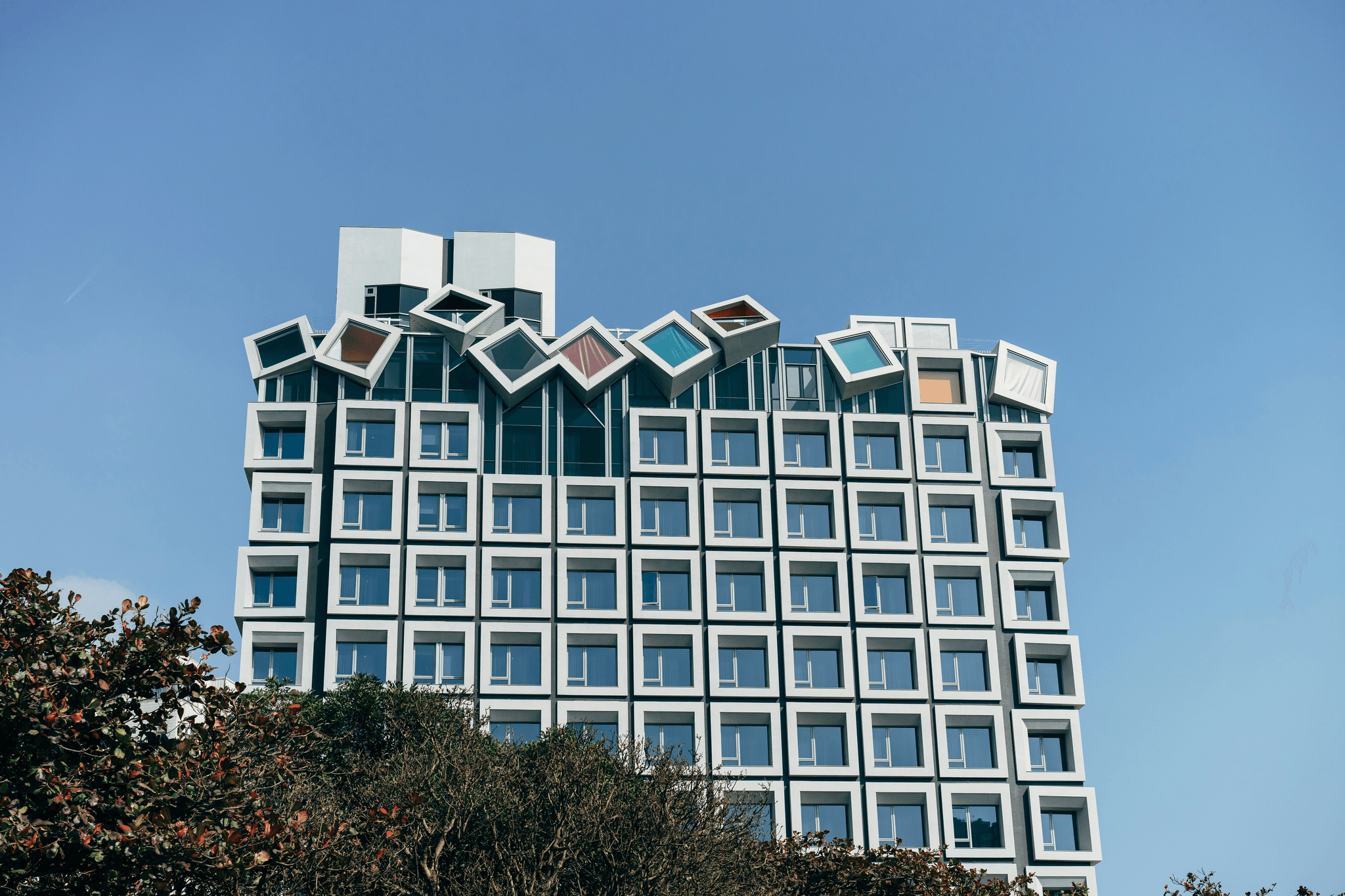
The world of hospitality is evolving, and prefabricated hotel buildings are at the forefront of this transformation. With their inherent design flexibility, these structures can be tailored to meet the unique demands of various locations while still maintaining a cohesive aesthetic. PreFab Inc. understands that each hotel should reflect its surroundings, offering bespoke solutions that enhance guest experiences.
Tailoring Hotels to Unique Locations
One of the most significant advantages of prefabricated hotel buildings is their ability to adapt to diverse environments. Whether it's a bustling urban center or a serene coastal retreat, these structures can be designed to harmonize with local architecture and culture. PreFab Inc. excels in customizing layouts and materials, ensuring that each hotel feels like an integral part of its community rather than an out-of-place monolith.
Furthermore, prefabrication allows for rapid deployment in challenging terrains where traditional construction may struggle. This adaptability not only saves time but also minimizes disruption to the surrounding area during construction. As a result, guests can enjoy a thoughtfully designed space that respects its environment from day one.
Innovative Design Trends
In today’s hospitality landscape, innovative design trends are crucial for attracting guests and creating memorable experiences. Prefabricated hotel buildings provide architects and designers with the freedom to experiment with new materials and styles without compromising structural integrity or cost-effectiveness. PreFab Inc., for instance, embraces cutting-edge technology such as modular designs that allow for unique shapes and configurations.
Sustainable materials are also gaining traction in the industry; using eco-friendly options not only appeals to environmentally conscious travelers but also aligns with modern design aesthetics. The integration of smart technology into prefabricated hotels is another trend gaining momentum; features like keyless entry systems and energy-efficient lighting create a seamless experience for guests while reducing operational costs for owners.
Real-World Applications from PreFab Inc.
PreFab Inc.'s portfolio showcases numerous successful projects where design flexibility has been paramount in creating stunning prefabricated hotel buildings. One standout example is their collaboration on a boutique hotel situated near a national park; here, they utilized natural wood finishes that blend seamlessly with the surrounding landscape while maximizing energy efficiency through innovative insulation techniques.
Another notable project involved designing an urban hotel with modular units stacked creatively to form an eye-catching skyline feature without sacrificing functionality or comfort. This approach not only attracted attention but also provided investors with impressive returns due to high occupancy rates driven by unique architectural appeal.
As we look toward the future of hospitality design, it’s clear that the potential for customization within prefabricated hotels will continue to grow—thanks largely to pioneers like PreFab Inc., who are committed to pushing boundaries in both style and sustainability.
Challenges and Considerations
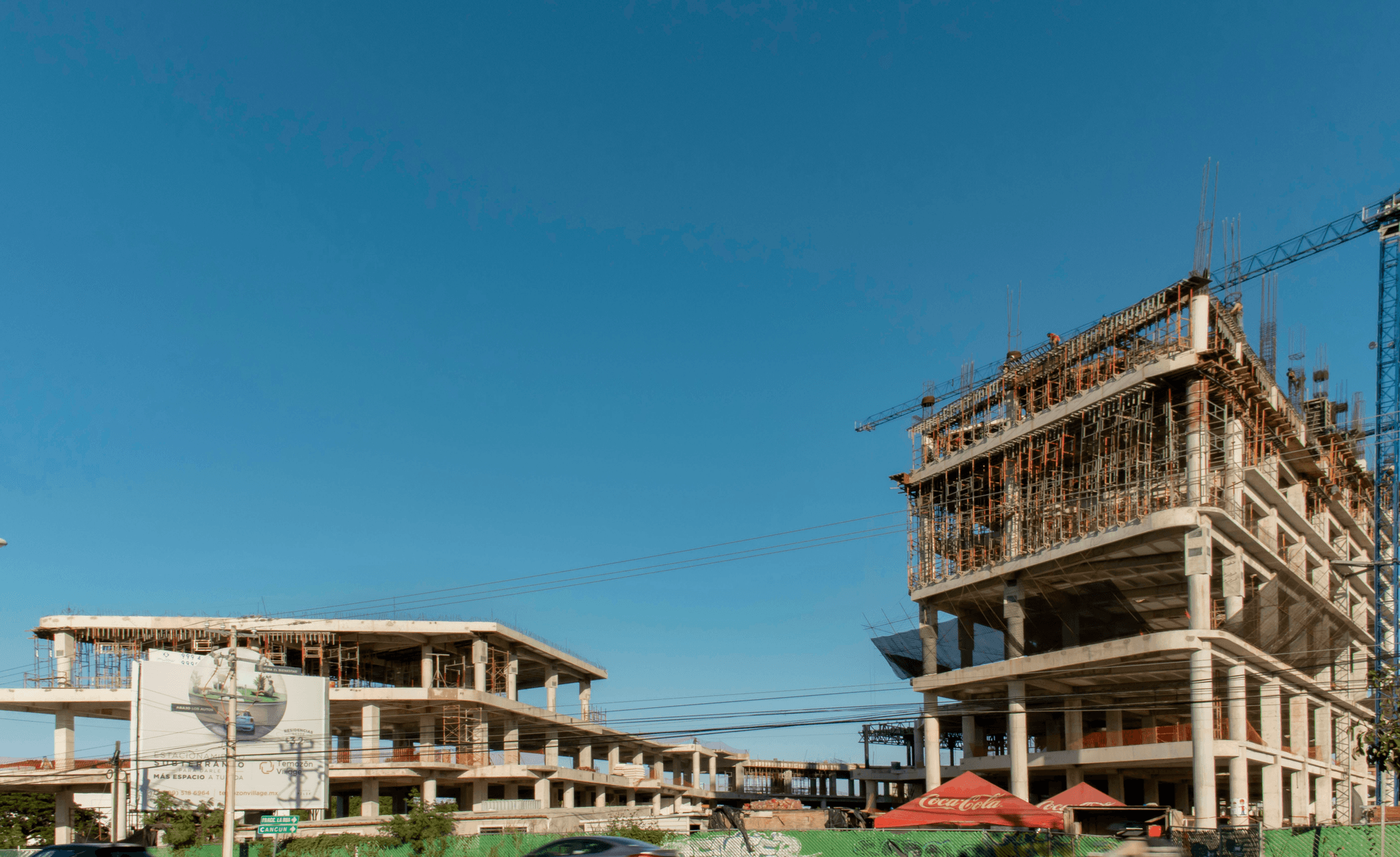
While the rise of prefabricated hotel buildings brings numerous advantages, it also comes with its own set of challenges that must be navigated carefully. From regulatory hurdles to quality assurance and aesthetic considerations, these challenges require thoughtful planning and execution. PreFab Inc. is committed to addressing these issues head-on to ensure a seamless transition into the future of hospitality.
Navigating Regulations and Codes
One of the most significant hurdles in the realm of prefabricated hotel buildings is navigating the myriad regulations and codes that govern construction practices. Each locality has its own set of rules, which can range from zoning laws to safety standards, making it essential for companies like PreFab Inc. to stay updated on compliance requirements. This meticulous attention to detail not only ensures that projects meet legal obligations but also helps in building trust with clients who want a hassle-free experience.
Addressing Quality Concerns
Quality control remains a hot topic when discussing prefabricated hotel buildings, as some critics argue that factory-built structures may compromise on craftsmanship compared to traditional methods. However, PreFab Inc. takes pride in employing rigorous quality assurance processes throughout production and assembly phases to mitigate these concerns effectively. By utilizing advanced technology and skilled labor, we can guarantee that our prefabricated hotels not only meet but exceed industry standards.
Balancing Cost and Aesthetic Appeal
Another challenge lies in balancing cost-effectiveness with aesthetic appeal when designing prefabricated hotel buildings. While it's tempting to prioritize budget constraints, compromising on design can lead to uninspired spaces that fail to attract guests or investors alike. At PreFab Inc., we understand that striking this balance is crucial; thus, we focus on innovative design solutions that maintain visual appeal without breaking the bank—because who says you can't have style on a budget?
Conclusion
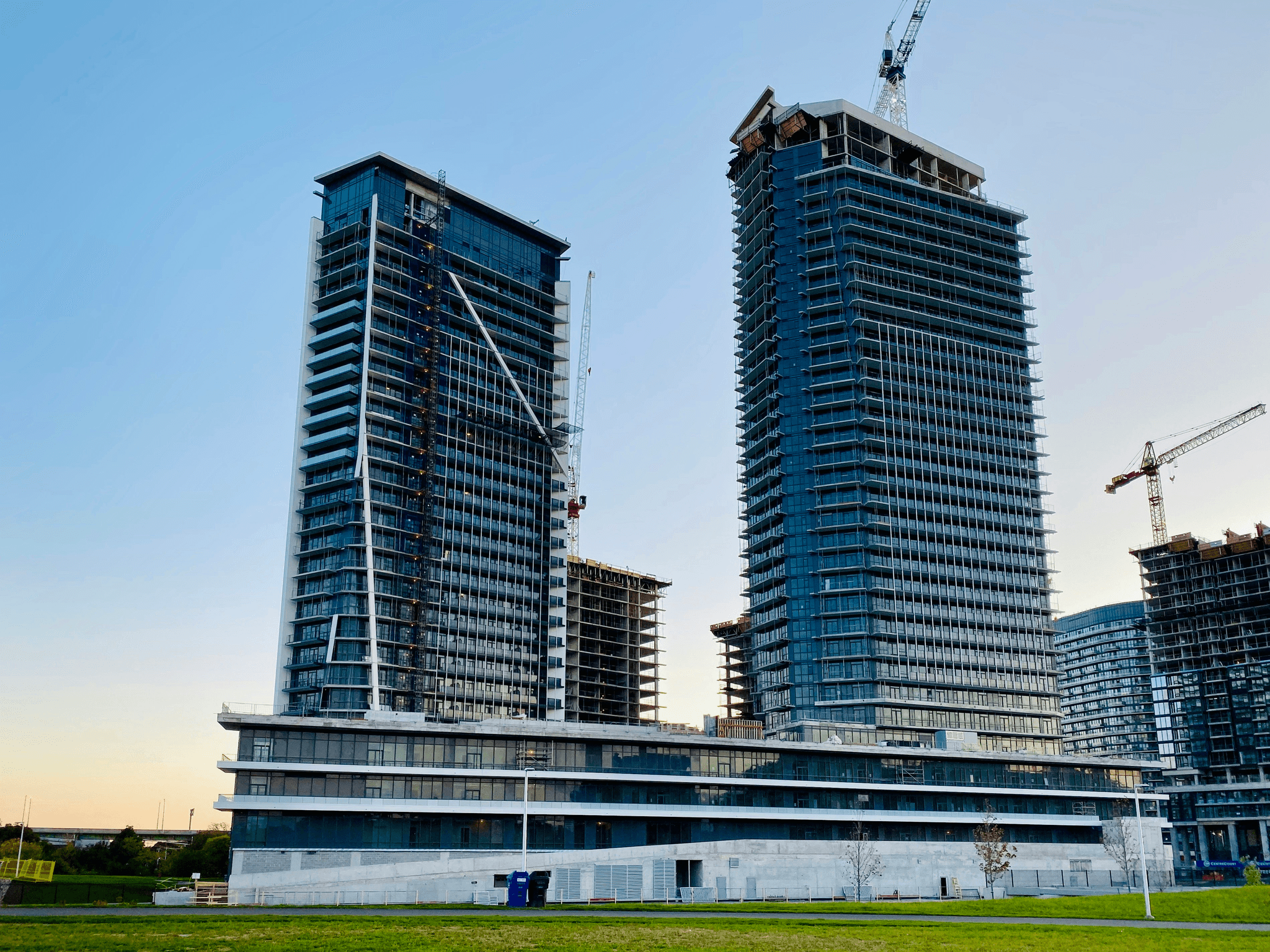
In the ever-evolving world of hospitality design, prefabricated hotel buildings are emerging as a beacon of innovation and efficiency. As we look to the future, it's clear that this approach not only meets the demands of modern travelers but also aligns with sustainable practices that are becoming increasingly important. With companies like PreFab Inc. leading the charge, the landscape of hotel construction is poised for transformation.
The Future of Hospitality Design
The future of hospitality design is undeniably intertwined with prefabricated hotel buildings, which offer a blend of speed, sustainability, and style. As consumer preferences shift towards unique experiences and eco-conscious choices, hotels built with prefabrication methods will likely become a staple in urban and rural settings alike. This trend signals a move away from traditional construction methods towards more agile solutions that can adapt to changing market demands.
Why Prefabrication is Here to Stay
Prefabrication is not just a passing trend; it’s here to stay for several compelling reasons. First off, the cost-effectiveness associated with prefabricated hotel buildings allows investors to maximize their returns while minimizing risks. Moreover, as environmental concerns continue to gain traction globally, the eco-friendly aspects of prefabrication—like reduced waste and energy consumption—will solidify its place in the hospitality sector.
Embracing Change with PreFab Inc.
At PreFab Inc., embracing change means leading by example in the realm of prefabricated hotel buildings. Our commitment to innovative design and sustainability positions us at the forefront of this industry revolution. By prioritizing customization and efficiency without compromising on quality or aesthetics, we aim to redefine what it means to build hotels in today's fast-paced environment.