

Introduction
In today's fast-paced world, modular homes are carving out a niche that combines efficiency, affordability, and style. With the increasing demand for sustainable living solutions, understanding the price range for modular homes has never been more crucial for potential buyers. PreFab Inc. is here to guide you through this exciting landscape of modular living, where innovation meets practicality.
Understanding Modular Homes Today
Modular homes are prefabricated structures built in sections or modules at a factory before being transported to their final location. This process not only streamlines construction but also allows for significant customization options within a defined price range for modular homes. As consumers become more educated about these benefits, the appeal of modular living continues to grow.
The Appeal of Modular Living
The allure of modular homes lies in their ability to offer modern design features at competitive prices compared to traditional houses. Many buyers are drawn to the flexibility and speed of construction that comes with choosing a modular home, making it an attractive option for first-time homeowners and those looking to downsize alike. Plus, with the price range for modular homes often being lower than conventional builds, it's no wonder many are considering this innovative housing solution.
Factors Influencing Home Prices
Several factors can influence the overall pricing of modular homes, including size, design complexity, and location. Understanding these variables is essential when evaluating your budget and determining what fits within your desired price range for modular homes. At PreFab Inc., we emphasize the importance of doing thorough research on local market trends and regulations that could impact your investment decisions in this dynamic sector.
The Basics of Modular Home Pricing

When diving into the world of modular homes, understanding the price range for modular homes is essential for any prospective buyer. Unlike traditional homes, which can vary widely in cost due to location and market conditions, modular homes generally offer a more predictable pricing structure. This predictability allows buyers to plan their budgets more effectively and make informed decisions about their investments.
Defining Price Range for Modular Homes
The price range for modular homes typically spans from $50,000 to over $200,000 depending on size, features, and customization options. For instance, a basic two-bedroom model might fall on the lower end of this spectrum, while larger or more luxurious models can push the price significantly higher. By defining this range early in your home-buying journey with PreFab Inc., you can establish realistic expectations and avoid unwelcome surprises down the line.
Comparing Modular and Traditional Homes
When comparing modular homes with traditional stick-built houses, it's crucial to consider not just initial costs but also long-term value. While traditional homes often have higher upfront costs due to land acquisition and labor expenses, modular homes are usually built faster and at a lower price point within the same quality parameters. This means that when analyzing the price range for modular homes versus traditional options, buyers could find themselves saving significant amounts without sacrificing quality or aesthetics.
Understanding Construction Costs
Construction costs are a vital factor in determining the overall price range for modular homes. These costs often include materials, labor (which is minimized due to factory assembly), transportation fees, and site preparation expenses. By understanding these elements in detail with PreFab Inc., potential homeowners can better navigate their financial commitments while ensuring they get maximum value out of their investment.
The Impact of Location on Prices

When it comes to modular homes, location is a key player in determining the price range for modular homes. The geographical area where you choose to set up your home can significantly influence not only the base price but also additional costs such as land, labor, and permits. Understanding these location-based factors can help you make informed decisions about your investment with PreFab Inc.
Urban vs. Rural Pricing Differences
Urban areas often come with a premium when it comes to the price range for modular homes. The demand for housing in cities typically drives prices higher due to limited space and increased living costs, making urban modular homes more expensive than their rural counterparts. On the flip side, rural locations generally offer lower land prices and construction costs, allowing for a more budget-friendly approach without sacrificing quality.
However, don’t forget that while the initial investment might be less in rural areas, urban settings often provide better access to amenities and job opportunities that could enhance your quality of life. This trade-off between cost and convenience is crucial when considering where to place your future home with PreFab Inc. Ultimately, understanding these urban versus rural pricing differences will empower you to choose what aligns best with your lifestyle and budget.
Regional Variations in Modular Home Costs
The price range for modular homes can also fluctuate dramatically based on regional differences across the country. For instance, states with high demand for housing—like California or New York—tend to see elevated prices due to competition among buyers and builders alike. Conversely, regions with less population density may offer more competitive pricing as builders are eager to attract customers.
Additionally, local economies play a significant role; areas experiencing economic growth might see an uptick in construction costs due to rising labor rates and material demands. By comparing these regional variations in modular home costs, you can pinpoint the best place that meets both your financial goals and lifestyle aspirations while working with PreFab Inc.
How Local Regulations Affect Prices
Local regulations can add another layer of complexity affecting the price range for modular homes. Zoning laws dictate where you can place your home and what types of structures are permissible; this could lead to additional expenses if modifications or special permits are required by local authorities. For example, some municipalities may have stricter building codes that necessitate higher-quality materials or specific designs—all of which could impact overall pricing.
Moreover, taxes associated with property ownership vary from one locale to another; areas with higher property taxes will naturally drive up long-term costs related to owning a modular home from PreFab Inc., impacting your overall financial plan significantly over time. Understanding how local regulations affect prices is essential; it allows potential homeowners like yourself not only to prepare financially but also ensures compliance throughout the building process.
The Role of Customization in Pricing
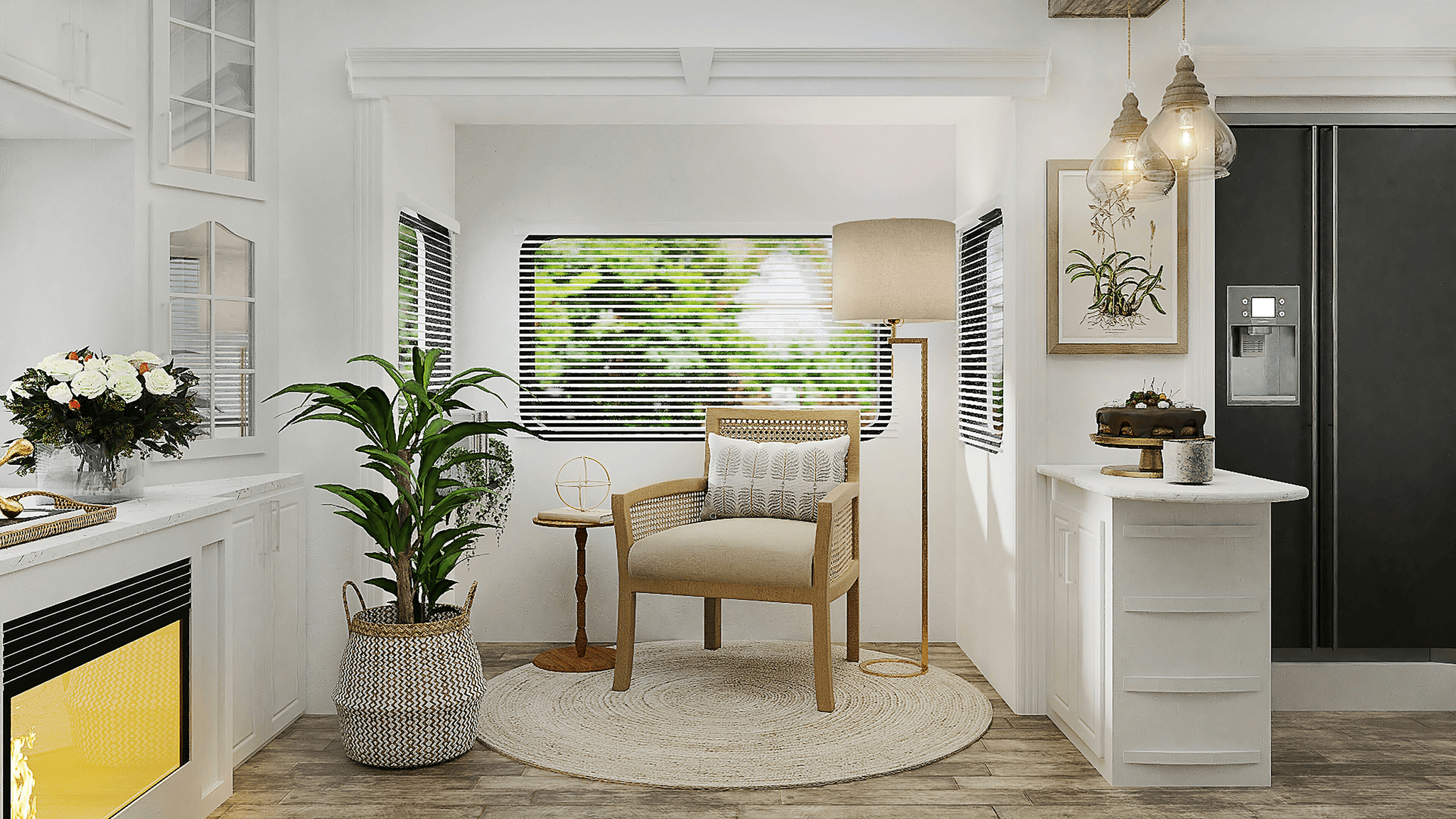
When it comes to modular homes, customization plays a pivotal role in shaping the overall price range for modular homes. Homebuyers often face the choice between opting for standard models or delving into custom builds that reflect their unique tastes and needs. Understanding how these choices impact pricing can help potential homeowners make informed decisions that align with their budget and lifestyle.
Standard Models vs. Custom Builds
Standard models offer a streamlined approach to homebuilding, providing buyers with pre-designed layouts at lower costs—definitely an attractive option for those keeping an eye on the price range for modular homes. These designs typically come with fewer variables, which can lead to quicker construction times and less stress during the buying process. On the flip side, custom builds allow homeowners to tailor every aspect of their abode, from floor plans to finishes, but this flexibility often comes at a premium price.
Choosing between standard models and custom builds is akin to deciding between fast food and gourmet dining; both satisfy your hunger but cater to different preferences and budgets. While standard models can provide a quick solution without breaking the bank, custom builds are perfect for those who want their home to be a personal sanctuary that reflects their individuality—just be prepared for potential sticker shock! PreFab Inc. offers both options, ensuring you find something that fits your vision without straying too far from your financial comfort zone.
Features That Influence Price Range for Modular Homes
The features you choose significantly influence the price range for modular homes; think of it as building your dream sandwich: each ingredient adds flavor (and cost). High-end materials like granite countertops or eco-friendly appliances can elevate your home's value but also inflate its overall price tag considerably. Additionally, architectural details such as vaulted ceilings or expansive windows not only enhance aesthetics but also contribute to increased construction costs.
Homebuyers should consider which features are essential versus those that are merely nice-to-have when planning their budget; after all, nobody wants financial indigestion! PreFab Inc.'s design team is well-versed in helping clients prioritize features that maximize value while keeping an eye on affordability—so you can have your cake and eat it too! Ultimately, understanding how specific features impact pricing will empower homeowners to make choices that balance luxury with practicality.
Balancing Budget and Personalization
Finding harmony between budget constraints and personalization desires is crucial when navigating the price range for modular homes. It's easy to get carried away with dreams of bespoke finishes or state-of-the-art technology; however, setting realistic expectations will help keep finances in check while still allowing room for creative expression within your home design. Developing a clear vision upfront can aid in making wise decisions about where to splurge versus where to save.
PreFab Inc.'s approach emphasizes collaboration with clients throughout this balancing act—ensuring every dollar spent contributes meaningfully toward creating a space you'll love coming home to every day. By understanding what aspects matter most personally versus financially, buyers can create stunning living spaces without feeling overwhelmed by costs spiraling out of control! Remember: customization doesn’t always mean spending lavishly; sometimes it’s about making smart choices that yield maximum satisfaction.
Financing and Insurance Considerations
When it comes to financing a modular home, understanding your options is essential. Modular homes have become increasingly popular, leading to a variety of mortgage products tailored specifically for them. This means you can find financing that aligns well with the price range for modular homes, making your dream of ownership more attainable.
Mortgage Options for Modular Homes
Several mortgage options are available for prospective modular homeowners. Traditional lenders often treat modular homes similarly to site-built homes, allowing buyers to secure conventional loans with competitive interest rates. Additionally, some lenders specialize in loans specifically designed for the unique aspects of modular construction, ensuring that your financing aligns with the price range for modular homes.
It's vital to check if your chosen lender recognizes the value of your modular home since some may have misconceptions about their worth compared to traditional houses. You might also consider FHA or VA loans if you qualify, as they often come with lower down payment requirements and favorable terms. Ultimately, working closely with a knowledgeable lender can help you navigate financing while keeping an eye on your budget and the overall price range for modular homes.
Insurance Costs to Factor In
Insurance is another crucial aspect when purchasing a modular home that can significantly impact your overall budget. The cost of insuring a modular home typically varies based on location and the specific features of the house itself. It's important to remember that while insurance premiums might be lower than those for traditional homes due to reduced risks associated with construction methods, they still need careful consideration within the context of the price range for modular homes.
When obtaining quotes from insurance providers, be sure to compare multiple policies and coverage levels tailored specifically for manufactured or modular structures. Look out for additional factors like liability coverage or natural disaster protection which could influence costs further down the line. PreFab Inc. recommends factoring these potential expenses into your overall financial plan when considering purchasing a new home.
Grants and Incentives for Modular Buyers
If you're looking at entering the market but concerned about costs, various grants and incentives may be available specifically aimed at helping buyers purchase modular homes within their desired price range. Many states offer programs designed to promote affordable housing solutions which could include assistance in securing financing or even direct grants toward down payments on new builds from companies like PreFab Inc.
Additionally, federal programs may provide tax credits or other financial assistance aimed at promoting energy-efficient building practices—an appealing feature in many modern modular designs today! Always do thorough research into local resources as these incentives can vary widely by region but can significantly affect affordability within your budget constraints related to the price range for modular homes.
Exploring Future Trends in Modular Pricing

The landscape of modular home pricing is evolving, influenced by innovative materials and emerging technologies. As we delve into the future, it’s essential to understand how these advancements will shape the price range for modular homes. With companies like PreFab Inc. leading the charge, homeowners can expect exciting developments that could redefine affordability and customization.
Emerging Materials and Technologies
New materials are revolutionizing the construction industry, significantly impacting the price range for modular homes. Innovations such as cross-laminated timber (CLT) and advanced insulation techniques not only enhance structural integrity but also improve energy efficiency, potentially lowering long-term costs for homeowners. PreFab Inc. is at the forefront of integrating these materials into their designs, making modern living more accessible without sacrificing quality.
Technological advancements like 3D printing are also beginning to play a role in modular construction, allowing for quicker builds and reduced labor costs. As manufacturers adopt these cutting-edge methods, we may see a shift in how prices are determined within the modular home market. The combination of new materials and technology promises to broaden choices while keeping the price range for modular homes competitive.
Sustainability and Its Price Impact
Sustainability has become more than just a buzzword; it's now a crucial factor influencing pricing strategies in the housing market. Eco-friendly features such as solar panels, rainwater harvesting systems, and energy-efficient appliances can elevate both initial costs and long-term savings in utility bills—ultimately affecting the overall price range for modular homes. PreFab Inc.'s commitment to sustainability ensures that buyers not only invest in a home but also contribute positively to environmental conservation.
Moreover, government incentives aimed at promoting green building practices can further alter pricing dynamics by offsetting some of those upfront investments with grants or tax breaks. Homebuyers who prioritize sustainability may find that their choices lead to an increase in property value over time as society shifts toward greener living solutions. Thus, understanding how sustainability impacts pricing will be key for future homeowners navigating their options.
Market Predictions for Modular Home Prices
As we look ahead, market predictions indicate an upward trend in demand for modular homes due to affordability concerns among potential buyers—especially millennials seeking alternatives to traditional housing markets with skyrocketing prices. This increased interest could lead to a diversification of offerings within various price ranges for modular homes as manufacturers adapt to meet consumer needs effectively. PreFab Inc., with its innovative designs and commitment to quality, stands poised to capitalize on this growing trend.
Experts suggest that while initial costs may fluctuate based on material availability and technological advancements, overall competition will help stabilize prices over time—making it an attractive option for budget-conscious buyers looking at long-term investments in real estate. As more people recognize the benefits of modular living—from customization options to efficient use of space—the market could see even broader acceptance across different demographics.
In conclusion, understanding these future trends is essential when considering investing in a modular home today or tomorrow; staying informed about emerging materials, sustainability efforts, and market predictions will empower you on your journey toward finding your perfect space with PreFab Inc.
Conclusion
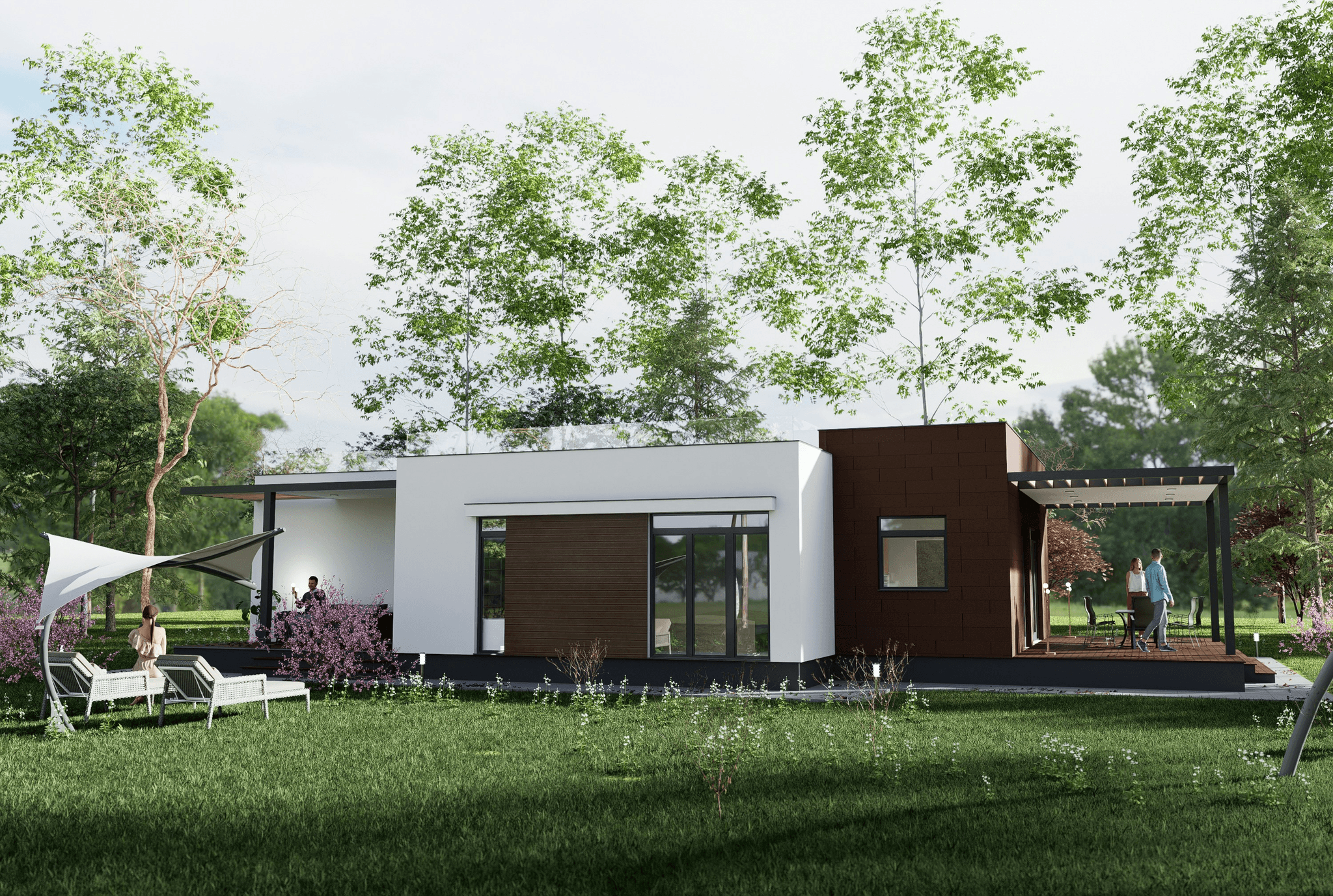
As we wrap up our exploration of modular homes, it's clear that understanding the price range for modular homes is essential for potential buyers. Modular living offers a unique blend of affordability, customization, and efficiency, making it an attractive option in today's housing market. By considering various factors—from location to construction costs—you can navigate the modular home landscape with confidence.
Key Takeaways on Modular Home Costs
The price range for modular homes can vary significantly based on several elements, including size, design, and location. It's important to compare this price range with traditional homes to grasp the potential savings and value offered by modular options. Additionally, understanding construction costs and how they fluctuate will empower you to make informed decisions when investing in your future home.
Investing Wisely in Modular Homes
Investing in a modular home can be a smart financial move if approached thoughtfully. By being aware of the price range for modular homes and factoring in customization options wisely, you can strike a balance between personal preferences and budget constraints. Remember that thorough research into financing options and local regulations will further enhance your investment strategy.
PreFab Inc. and Your Modular Journey
At PreFab Inc., we are dedicated to guiding you through every step of your modular home journey. Our expertise ensures that you not only understand the price range for modular homes but also find solutions tailored to your needs and aspirations. Whether you're looking for a standard model or a custom build, we're here to support you every step of the way.