

Introduction
Importing goods can feel like navigating a labyrinth, especially when you're trying to figure out how to import containers from China. The process involves various steps, from finding the right suppliers to understanding tariffs and regulations. For businesses like PreFab Inc., mastering these fundamentals is essential for a smooth and successful import experience.
Understanding Importing Basics
Before diving into the world of international trade, it's crucial to grasp the basics of importing. This includes knowing what products you want to source, understanding shipping logistics, and preparing for potential challenges along the way. Whether you're a seasoned importer or just starting out, knowing how to import containers from China will streamline your efforts and enhance your business strategy.
Why China is a Top Source
China has earned its reputation as a global manufacturing powerhouse for good reason—affordable labor costs, vast production capabilities, and an extensive range of products make it an attractive source for importers. Companies like PreFab Inc. benefit greatly from sourcing materials and goods directly from Chinese manufacturers who can meet diverse demands at competitive prices. Additionally, with technological advancements in communication and logistics, learning how to import containers from China has never been more accessible.
Essential Resources for Importation
To successfully navigate the complexities of importing, you'll need reliable resources at your disposal. Online platforms such as Alibaba offer access to thousands of suppliers while providing tools for communication and negotiation. Furthermore, educational resources on customs regulations and shipping methods are invaluable when figuring out how to import containers from China efficiently and effectively.
Researching Suppliers

When diving into the world of importing containers from China, finding reliable manufacturers is crucial. With countless suppliers out there, it can feel like searching for a needle in a haystack. However, by focusing on specific criteria such as production capacity, quality certifications, and customer reviews, companies like PreFab Inc. can streamline their search for trustworthy partners.
Finding Reliable Manufacturers
To effectively find reliable manufacturers when you’re learning how to import containers from China, start by leveraging industry directories and trade shows. These platforms often provide insights into the manufacturers' reputations and allow you to see their products firsthand. Additionally, consider reaching out to other businesses in your network who have experience with Chinese suppliers; personal recommendations can save you time and reduce risk.
Another useful strategy is to utilize online resources dedicated to supplier evaluations. Websites that specialize in matching businesses with manufacturers often include ratings and feedback from previous clients. By combining these methods, PreFab Inc. can narrow down potential partners who align with its quality standards and operational needs.
Using Alibaba Effectively
Alibaba is one of the most popular platforms for those looking to import containers from China, but using it effectively requires some savvy navigation skills. Start by creating a detailed profile that outlines your specific needs—this will attract the right suppliers who can meet your expectations. Utilize Alibaba's filtering options to zero in on verified suppliers with trade assurance policies; this adds an extra layer of security when placing orders.
Don’t shy away from engaging directly with potential suppliers through Alibaba’s messaging system; ask questions about their production processes and lead times to gauge responsiveness and reliability. A quick response rate often indicates a supplier's commitment to customer service—an essential trait when you're figuring out how to import containers from China successfully.
Lastly, take advantage of Alibaba’s resources such as buyer guides and webinars that offer tips on effective sourcing strategies. These tools not only enhance your understanding of the platform but also empower PreFab Inc. with knowledge that could lead to better deals and partnerships down the line.
Verifying Supplier Credentials
Once you've identified potential suppliers while learning how to import containers from China, it's time for due diligence—verifying their credentials is non-negotiable! Start by requesting documentation such as business licenses, quality certifications (like ISO), and references from past clients or partners they’ve worked with before making any commitments.
In addition to asking for documents directly from suppliers, consider utilizing third-party verification services that specialize in supplier audits within China. They can provide an unbiased assessment of a manufacturer’s operations and capabilities—essential information as PreFab Inc navigates its importing journey.
Finally, don’t overlook online reviews or feedback forums where other buyers share their experiences with specific suppliers; this collective wisdom can highlight red flags or recommend hidden gems in the vast ocean of Chinese manufacturing options available today!
Navigating Regulations
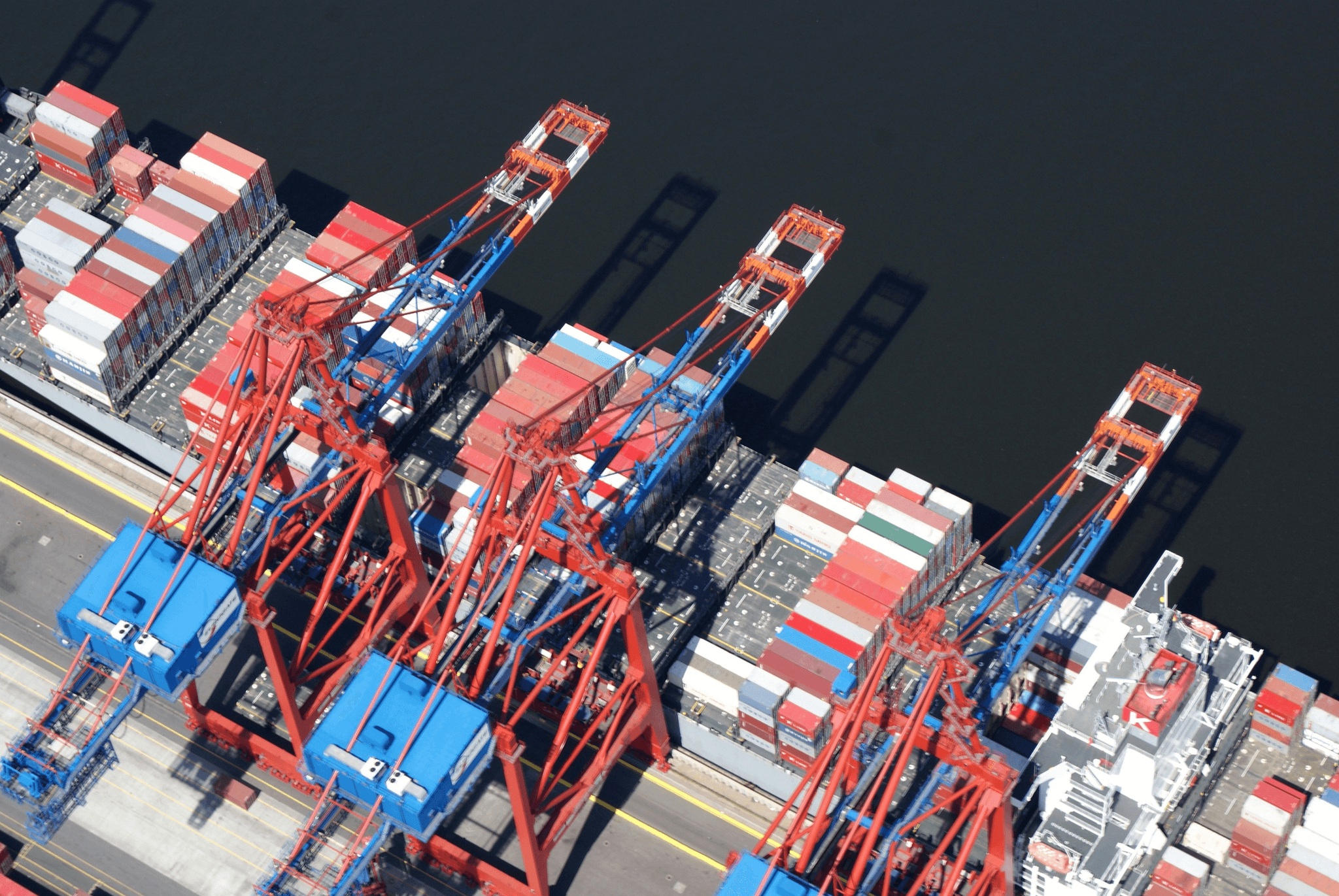
When you're diving into the world of importing containers from China, it's crucial to navigate the regulatory landscape effectively. Understanding import tariffs, customs compliance, and necessary documentation can save you headaches down the line. PreFab Inc. knows that a well-informed importer is a successful one.
Understanding Import Tariffs
Import tariffs are taxes imposed on goods brought into a country, and they can significantly affect your bottom line when you learn how to import containers from China. These tariffs vary by product category and can change depending on trade agreements or political climates. To keep your costs in check, familiarize yourself with these rates before placing orders; this knowledge will empower you to make informed decisions about pricing and sourcing.
Compliance with Customs
Compliance with customs regulations is non-negotiable when learning how to import containers from China effectively. Customs authorities require that all imported goods meet specific standards and regulations before they can enter the country, so it’s essential to stay updated on these requirements. PreFab Inc. recommends working closely with customs brokers who can guide you through the maze of regulations, ensuring that your shipments clear customs without unnecessary delays.
Necessary Import Documentation
When importing containers from China, having the right documentation is vital for smooth operations at customs checkpoints. Essential documents include commercial invoices, packing lists, bills of lading, and certificates of origin—each playing a critical role in verifying your shipment's legitimacy and compliance with local laws. PreFab Inc.'s experience shows that meticulous record-keeping not only facilitates smoother transactions but also helps avoid costly fines or confiscations.
Sourcing and Pricing Strategy

When diving into the world of importing, especially when considering how to import containers from China, having a solid sourcing and pricing strategy is essential. This process involves understanding various components that affect your bottom line, from Incoterms to negotiation tactics and total landed costs. By mastering these elements, companies like PreFab Inc. can streamline their import operations and enhance profitability.
Understanding Incoterms
Incoterms are crucial for anyone looking to understand how to import containers from China effectively. These international commercial terms define the responsibilities of buyers and sellers in global trade, clarifying who pays for shipping, insurance, and tariffs at different stages of the shipping process. Familiarizing yourself with terms like FOB (Free on Board) or CIF (Cost Insurance Freight) not only helps you negotiate better deals but also protects you from unexpected costs along the way.
By knowing which Incoterms apply to your transactions, PreFab Inc. can ensure that both parties are on the same page regarding delivery responsibilities. This understanding minimizes disputes and fosters smoother transactions with suppliers in China. Ultimately, clear communication about these terms can lead to more favorable pricing strategies for your imports.
Strategies for Negotiating Prices
Negotiating prices is an art form that every importer should master if they want to know how to import containers from China successfully. Start by doing thorough market research; knowing what similar products cost will give you leverage during negotiations with suppliers. Don't hesitate to ask for discounts on bulk orders or inquire about long-term partnership benefits that could lead to lower prices.
Additionally, building a rapport with your supplier can be beneficial; people love doing business with those they trust! Be transparent about your needs while also being flexible in negotiations—this approach often leads suppliers to offer better pricing options tailored specifically for PreFab Inc.'s requirements. Remember, effective negotiation isn't just about getting the lowest price; it's about creating a win-win situation where both parties feel satisfied.
Calculating Total Landed Costs
When figuring out how to import containers from China efficiently, calculating total landed costs is essential for budgeting purposes and ensuring profitability upon arrival in your home country. Total landed costs encompass all expenses related to getting goods from point A (the supplier) to point B (your warehouse), including product costs, shipping fees, customs duties, taxes, insurance premiums, and any additional handling charges.
To avoid surprises upon delivery at PreFab Inc., it’s vital to account for each component of these costs meticulously—this includes potential fluctuations in shipping rates or unexpected customs fees that could eat into your profits if not anticipated properly. By accurately calculating total landed costs upfront, you can make informed decisions on pricing strategies and maintain healthy profit margins when selling imported goods.
Shipping Methods Explained

When it comes to importing containers from China, understanding shipping methods is crucial. The right choice can save you time and money, making your import process smoother. Let’s dive into the various options available for transporting your goods across the seas.
Different Shipping Options
There are several shipping methods to consider when figuring out how to import containers from China. The most common options include sea freight, air freight, and rail transport, each with its own unique benefits and limitations. Depending on your budget and timeline, you’ll want to choose the method that aligns best with your business needs at PreFab Inc.
Sea freight is often the go-to choice for bulk shipments due to its cost-effectiveness; however, it does come with longer transit times. Air freight is ideal for urgent deliveries but can be significantly more expensive. Rail transport offers a middle ground in terms of cost and speed but is less common for international shipping.
Pros and Cons of Sea Freight
Sea freight is a popular choice among importers looking to move large quantities of goods economically when learning how to import containers from China. One of its biggest advantages is cost efficiency; shipping by sea typically costs much less per unit than air freight, especially for heavy or bulky items. Additionally, sea freight has a larger capacity, allowing you to ship entire containers filled with products.
However, there are some downsides that come along with this method as well. Transit times can be lengthy—often taking weeks—so it’s not suitable if you need items urgently at PreFab Inc., where timing can be everything in construction projects. Furthermore, sea freight entails navigating complex port logistics and potential delays due to weather or customs clearance.
Air Freight vs. Sea Freight
When comparing air freight versus sea freight while figuring out how to import containers from China, it's essential to weigh both speed and cost against your specific needs at PreFab Inc. Air freight wins hands down when it comes to speed; shipments can arrive within days rather than weeks—a critical factor if you're facing tight deadlines or need quick restocks on popular items.
On the flip side, air freight costs significantly more than its maritime counterpart—sometimes three times as much! If budget constraints are a concern or if you're dealing with non-urgent shipments that allow flexibility in delivery schedules, sea freight may be the better option despite its slower pace.
Ultimately, choosing between these two methods will depend on your specific circumstances: urgency versus budget constraints should guide your decision-making process effectively.
Quality Control Measures
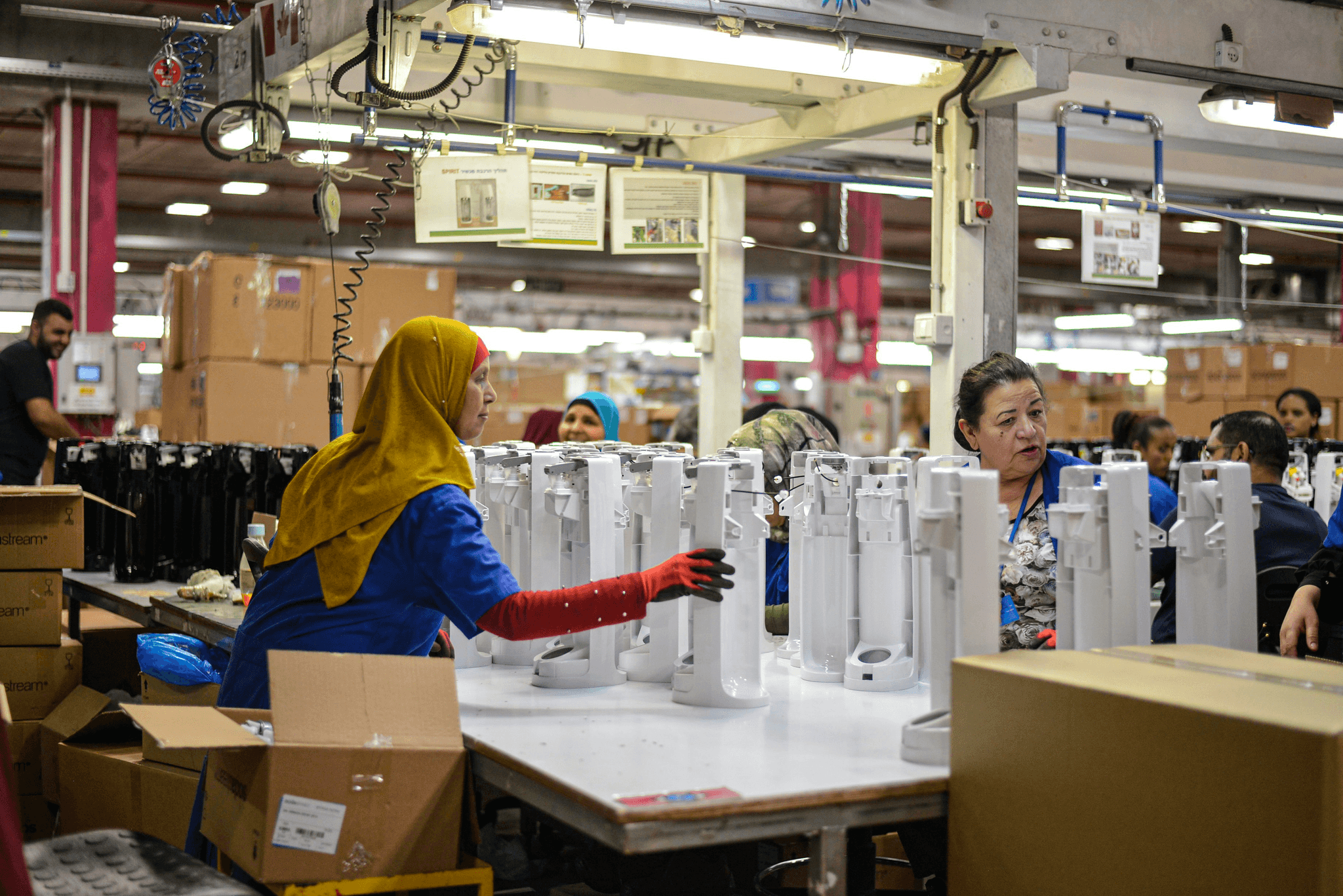
When it comes to how to import containers from China, ensuring quality control is paramount. Quality control measures not only protect your investment but also help maintain a positive relationship with your customers. At PreFab Inc., we understand that implementing robust quality assurance processes can save you time and money in the long run.
Implementing Inspections
Implementing inspections during the manufacturing process is a crucial step in how to import containers from China effectively. Regular inspections help catch potential issues before they escalate, ensuring that the products meet your specifications and standards. Whether you choose to conduct inspections yourself or hire third-party services, establishing clear criteria for what constitutes an acceptable product will streamline this process.
Incorporating both pre-production and post-production inspections can provide peace of mind regarding product quality. For example, inspecting raw materials before production begins can prevent defective items from ever reaching your warehouse. Additionally, conducting final random checks on finished goods ensures that what you receive matches what was ordered.
Choosing Quality Assurance Services
Choosing the right quality assurance services is essential when learning how to import containers from China successfully. There are numerous firms specializing in quality control that can assist you in verifying supplier capabilities and product standards before shipment. PreFab Inc. recommends researching these services thoroughly; look for reviews, case studies, and their specific areas of expertise.
A reputable quality assurance service will offer comprehensive solutions tailored to your needs—ranging from factory audits to product testing—and can serve as an invaluable partner throughout the importing process. They will not only help ensure compliance with international standards but also facilitate communication between you and the manufacturer regarding any discrepancies found during inspections.
Dealing with Defective Products
Dealing with defective products is an inevitable part of how to import containers from China; however, having a solid plan in place can minimize headaches down the road. First off, maintaining open lines of communication with your suppliers about acceptable quality levels is crucial for resolving issues efficiently when they arise at PreFab Inc.
If defects occur, it's important to document everything meticulously—photos of defects, shipping documents, and correspondence with suppliers will all be vital if disputes arise later on. Additionally, consider negotiating terms upfront regarding returns or replacements for defective goods; this proactive approach can save time and mitigate losses if problems occur after shipment.
By implementing thorough inspection processes, selecting reliable quality assurance services, and preparing for potential defects ahead of time, you'll be well-equipped on your journey of how to import containers from China successfully while maintaining high-quality standards.
Conclusion
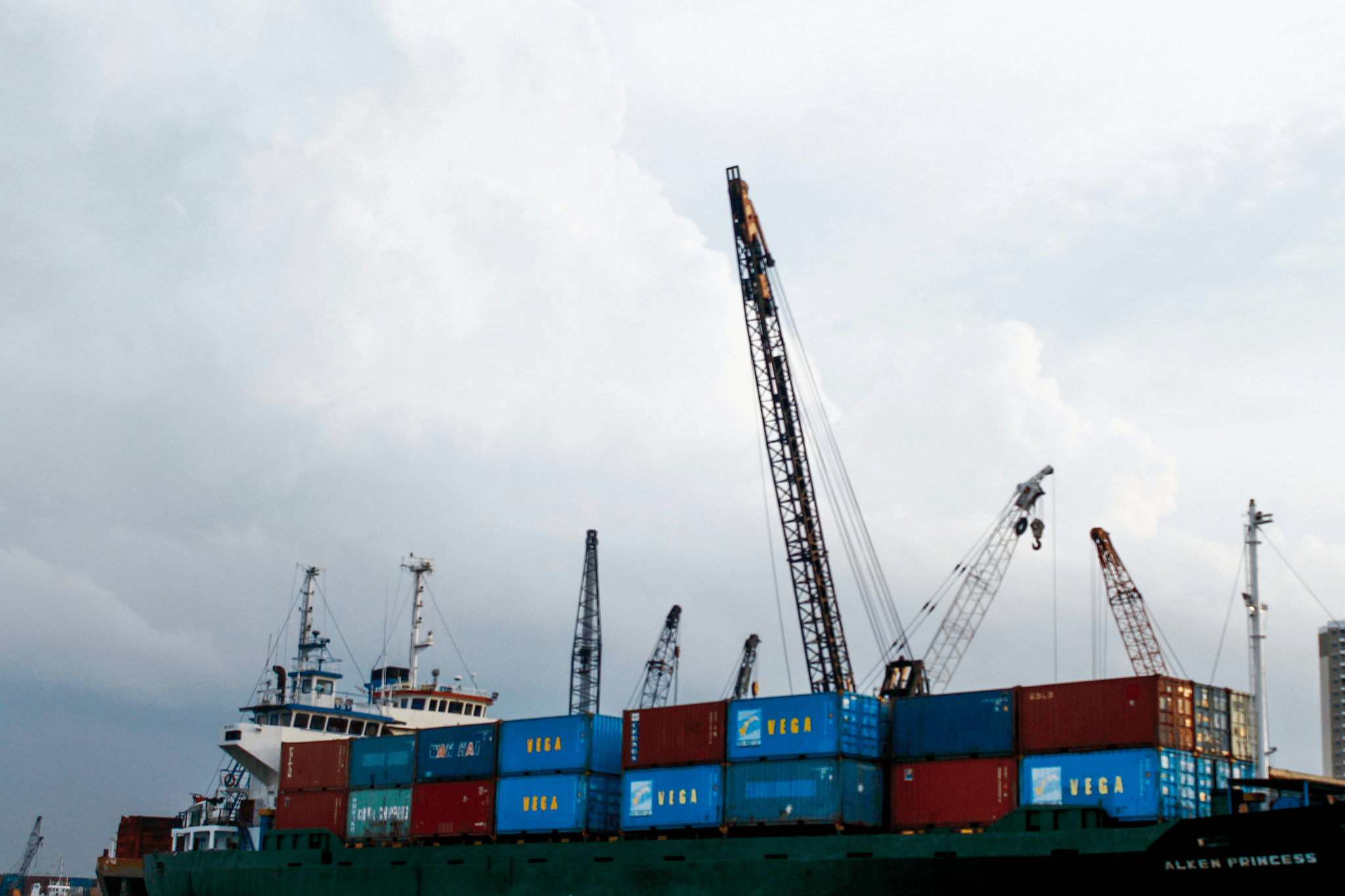
Navigating the world of importing can feel like a daunting task, but with the right strategies, it can become a seamless process. For businesses like PreFab Inc., understanding how to import containers from China effectively is crucial for maintaining a competitive edge. By streamlining your import process, you not only save time but also reduce costs and improve overall efficiency.
Streamlining Your Import Process
To streamline your import process, begin by establishing clear communication with your suppliers. This will help clarify expectations and minimize misunderstandings when discussing how to import containers from China. Additionally, utilizing technology such as inventory management software can provide real-time insights into stock levels and order statuses, making it easier to manage logistics.
Another key aspect is organizing your documentation ahead of time. Ensuring that all necessary paperwork is in order before shipment will prevent delays at customs, allowing for a smoother transition into your country. Remember that thorough preparation is essential when figuring out how to import containers from China without hiccups.
Lastly, consider working with freight forwarders or customs brokers who specialize in international shipping. Their expertise can guide you through complex regulations and help you navigate any challenges that arise during the importing process. With their support, you'll find that learning how to import containers from China becomes less overwhelming.
Building Long-Term Supplier Relationships
Building long-term relationships with suppliers in China can be one of the most beneficial strategies for businesses like PreFab Inc. Establishing trust and rapport leads to better pricing deals and improved communication over time—key elements when learning how to import containers from China successfully. Regular visits or virtual meetings can strengthen these relationships further.
Being transparent about your needs and expectations fosters an environment of collaboration between you and your suppliers. This openness not only helps in negotiating better terms but also encourages suppliers to prioritize your orders when demand surges or challenges arise in their production lines. Remember: good relationships are the backbone of successful importing.
Additionally, showing appreciation for their efforts through timely payments or feedback can go a long way in solidifying these partnerships. A reliable supplier will often reciprocate by providing quality products consistently—a win-win situation for both parties involved in the journey of how to import containers from China.
Tips for Successful Container Imports
When it comes to successful container imports, there are several tips that PreFab Inc. has found invaluable over the years. First off, always conduct thorough research on potential suppliers before placing large orders; this ensures you're working with reputable manufacturers who understand what it means to deliver quality products consistently while navigating how to import containers from China effectively.
Next up: never underestimate the importance of having a solid shipping plan in place! Whether opting for air freight or sea freight, knowing which method best suits your needs will save both time and money down the line—especially if you're managing multiple shipments simultaneously while figuring out how to import containers from China efficiently.
Lastly, stay adaptable! The world of international trade is ever-evolving; being open-minded about changes in regulations or market conditions allows you to pivot quickly when needed—a crucial skill when mastering how to import containers from China successfully!