

Introduction
Shipping container living has surged in popularity over the past few years, captivating the imaginations of adventurous souls and eco-conscious individuals alike. But one pressing question looms large: are shipping containers safe to live in? This exploration delves into the various aspects of container homes, from their structural integrity to health risks, all while highlighting the role of PreFab Inc. in ensuring safety and compliance.
Exploring Shipping Container Living
The concept of converting shipping containers into homes is both innovative and appealing, offering a unique blend of affordability and sustainability. Many people are drawn to the idea of repurposing these robust metal boxes into cozy living spaces that can be customized to suit personal tastes. However, before diving headfirst into this trend, it's essential to weigh the question: are shipping containers safe to live in?
Safety Concerns to Consider
While shipping containers may seem like a practical housing solution, potential safety concerns must be addressed before making a commitment. From structural integrity issues to possible health hazards associated with insulation materials, understanding these risks is crucial for anyone considering container living. As we navigate through this topic, we'll explore whether or not these unique dwellings truly meet safety standards—because after all, peace of mind is key when asking if are shipping containers safe to live in.
The Appeal of Container Homes
Despite some safety concerns, the allure of container homes remains strong for many prospective homeowners. Their affordability compared to traditional housing options makes them particularly attractive in an ever-increasing market where prices continue to soar. With PreFab Inc.'s expertise in guiding clients through design and compliance processes, those curious about container living can find reassurance that their dreams can become reality—safely!
Understanding Shipping Container Construction

When it comes to shipping container living, understanding the construction of these metal boxes is crucial. Many people wonder, Are shipping containers safe to live in? This section will delve into the materials used, their structural integrity, and some common misconceptions about their durability.
Materials Used in Container Design
Shipping containers are primarily made from corten steel, a weathering steel that develops a protective rust layer over time. This material not only provides strength but also enhances resistance to corrosion and harsh weather conditions. PreFab Inc. emphasizes the importance of using high-quality materials when designing container homes to ensure safety and longevity—after all, you want to feel secure in your new abode!
In addition to steel, insulation materials play a pivotal role in container design. Proper insulation keeps your home comfortable year-round while preventing moisture buildup that leads to mold—another concern for those asking if are shipping containers safe to live in. The right combination of materials can create a cozy living space without compromising safety.
Structural Integrity of Containers
One of the most appealing aspects of shipping containers is their structural integrity; they are designed to withstand heavy loads during transport across oceans. When modified correctly by professionals like PreFab Inc., these containers can be transformed into sturdy homes that meet local building codes and safety standards. So yes, when properly constructed, shipping containers can indeed be safe places for you and your family.
However, it’s essential to understand that cutting windows or doors into the structure can affect its overall strength if not done carefully. Reinforcement techniques must be employed during these modifications to maintain structural integrity while ensuring that are shipping containers safe to live in remains an affirmative question for potential homeowners.
Common Misconceptions about Durability
Many people mistakenly believe that because shipping containers are made from metal, they are impervious to damage or wear over time—this couldn’t be further from the truth! While they are incredibly durable against external forces like wind and rain, factors such as rust or improper ventilation can lead them down a slippery slope toward deterioration if not addressed promptly. Therefore, understanding how maintenance plays into long-term durability is essential for anyone considering container living.
Another misconception is that all shipping containers are created equal; however, quality varies significantly based on age and previous use. Some may have been exposed to harsh chemicals or environments which could pose health risks down the line—this brings us back full circle to our initial query: Are shipping containers safe to live in? Choosing reputable suppliers like PreFab Inc., who prioritize quality control and transparency regarding past usage is key.
Health Risks of Living in Containers
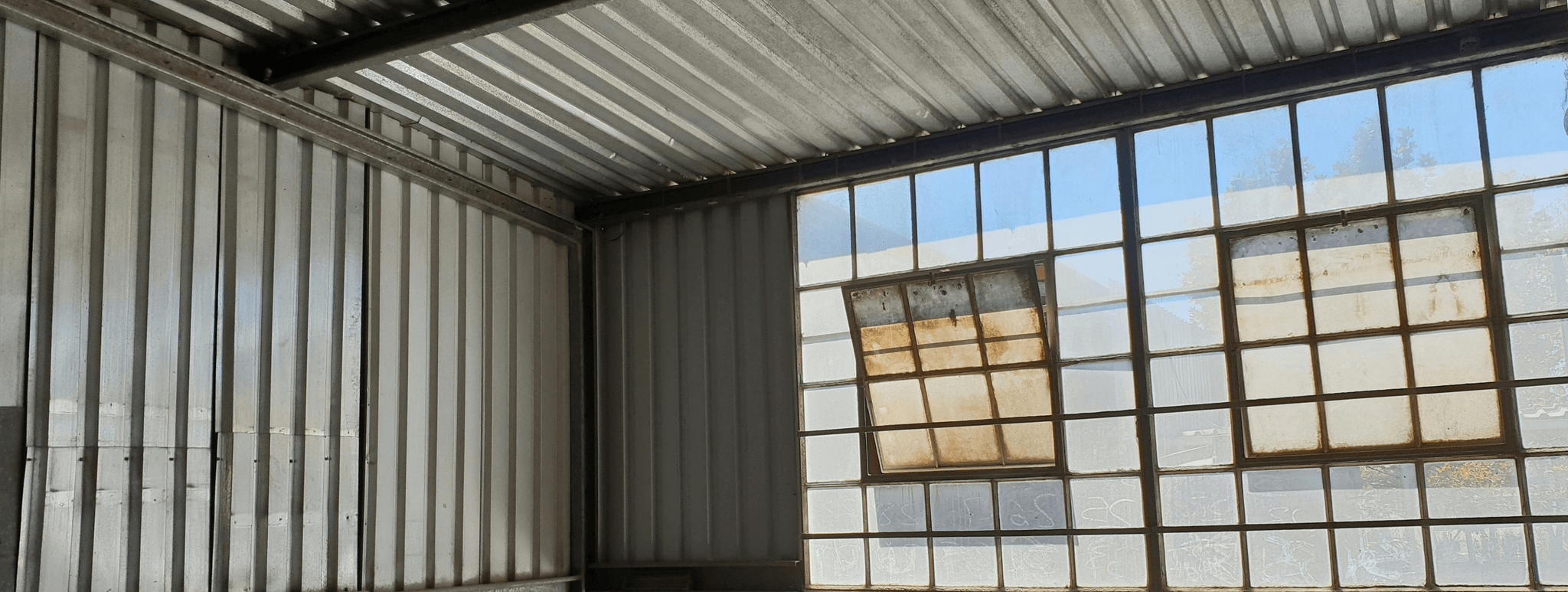
Living in a shipping container can be an innovative and eco-friendly choice, but it’s essential to consider the potential health risks associated with this unique lifestyle. While many people ask, Are shipping containers safe to live in? the answer isn't straightforward. Understanding these risks can help you make an informed decision about whether container living is right for you.
Insulation and Mold Issues
One of the primary concerns with shipping container homes is insulation and the potential for mold growth. Containers are made of steel, which can trap moisture if not properly insulated, leading to damp conditions that encourage mold development. PreFab Inc. emphasizes the importance of using high-quality insulation materials that allow for effective moisture control, ensuring that your home remains a safe haven rather than a breeding ground for harmful spores.
If you're wondering whether are shipping containers safe to live in, consider how insulation plays a crucial role in preventing these issues. Properly insulated containers can help regulate indoor temperatures while minimizing condensation buildup. Therefore, investing time and resources into effective insulation solutions is vital for maintaining a healthy living environment.
Ventilation and Air Quality
Another critical aspect of health when living in shipping containers is ventilation and air quality. Many container homes lack adequate airflow unless specifically designed with ventilation systems in mind, which can lead to stale air and higher concentrations of indoor pollutants. PreFab Inc.'s designs often incorporate windows and vents strategically placed to enhance airflow while maintaining energy efficiency.
When assessing if are shipping containers safe to live in, remember that good ventilation helps reduce humidity levels and improve overall air quality inside your home. This is especially important if you plan on using paints or finishes that may emit volatile organic compounds (VOCs). Prioritizing proper ventilation will not only enhance your comfort but also safeguard your health.
Chemical Exposure from Paints and Coatings
The use of paints, coatings, or sealants on shipping containers raises another concern regarding chemical exposure when living inside them. Many people don’t realize that some products contain harmful substances that could affect indoor air quality over time—especially if not applied correctly or allowed to cure properly before occupancy. To ensure safety, PreFab Inc. recommends using low-VOC or non-toxic finishes whenever possible.
As you contemplate whether are shipping containers safe to live in, consider the materials used within your new home carefully; they play a significant role in your overall well-being. Regular maintenance checks can also help identify any peeling paint or deteriorating coatings that might release harmful chemicals into your living space over time. Educating yourself about safer alternatives will empower you as a homeowner committed to creating a healthy environment.
Local Regulations and Zoning Laws

Navigating the world of shipping container living can be an exciting journey, but it’s crucial to understand local regulations and zoning laws. These rules vary widely depending on your location, and they can significantly impact whether your dream of living in a shipping container becomes a reality. So, are shipping containers safe to live in? The answer often hinges on compliance with these regulations.
Navigating Building Codes
Building codes are designed to ensure safety and structural integrity, but they can be daunting for those new to container living. Each jurisdiction has its own set of codes that determine what is permissible when constructing homes from shipping containers. Understanding these codes is essential; failure to do so could lead to costly fines or even the dismantling of your beloved container home.
The good news is that many building codes have started to adapt as container homes gain popularity. Some areas have even established specific guidelines tailored for these unique structures, making it easier for potential dwellers to navigate the landscape of regulations. However, it’s always wise to check with local authorities before diving headfirst into your project—this way, you’ll know if are shipping containers safe to live in according to local standards.
Permits for Container Homes
Obtaining permits is another critical step in the process of building a container home. Depending on where you live, you may need multiple permits covering everything from construction and electrical work to plumbing and land use. These permits help ensure that your home complies with safety standards and zoning laws.
In some regions, getting a permit for a shipping container home can be more complicated than traditional construction methods due to misconceptions about their safety and durability. This is where PreFab Inc.'s expertise comes into play; we help guide you through the permitting maze so you can focus more on creating your ideal living space rather than stressing over paperwork. Remember: understanding whether are shipping containers safe to live in according to local regulations will save you time—and headaches—down the road.
PreFab Inc.'s Role in Compliance
At PreFab Inc., we recognize that navigating local regulations can feel like trying to find a needle in a haystack while blindfolded! That’s why we take pride in offering our clients comprehensive support throughout the entire process—from understanding building codes to securing necessary permits for their container homes. Our team stays up-to-date with changing laws and guidelines so our clients don’t have to worry about whether their dream home meets all legal requirements.
Moreover, we provide valuable insights into how best to design your space within those regulatory frameworks while ensuring that your home remains stylish and functional. By partnering with us, you'll not only get expert advice but also peace of mind knowing you're following all necessary protocols regarding whether are shipping containers safe to live in according to local authorities.
Practical Considerations for Container Living

Living in a shipping container can be an exciting adventure, but it comes with its own set of practical challenges. From space constraints to utility installations, potential dwellers must navigate a unique landscape when considering if are shipping containers safe to live in. With some foresight and planning, however, these obstacles can be transformed into opportunities for creativity and innovation.
Space and Layout Challenges
One of the first hurdles to tackle when living in a shipping container is space management. Standard containers are often 20 or 40 feet long but only about 8 feet wide, which can feel cramped without careful planning. To maximize your living area, consider multifunctional furniture and open layouts that promote flow; after all, who said small spaces can't be stylish?
It's also essential to think vertically; shelves and wall-mounted storage solutions can free up floor space while keeping essentials within reach. Furthermore, consider how you’ll arrange rooms—kitchen areas might blend into living spaces rather than being isolated. By addressing these layout challenges head-on, you’ll be better equipped to answer the question: are shipping containers safe to live in? because safety often starts with smart design.
Utility Hookups and Off-Grid Living
When pondering the practicality of container living, utility hookups are paramount. Many people wonder if are shipping containers safe to live in when it comes to plumbing and electricity; the answer largely depends on proper installation of these systems. While some choose traditional hookups from municipal sources, others explore off-grid options like solar panels or rainwater collection systems.
PreFab Inc. specializes in helping homeowners navigate these choices by providing guidance on efficient utility setups tailored for container homes. Off-grid living can offer independence from traditional infrastructure while reducing monthly bills—definitely a win-win! However, ensure that your chosen method adheres to local regulations so you won’t run into compliance issues later on.
Customization Options Available
One of the most appealing aspects of container homes is their customization potential; they’re essentially blank canvases waiting for your personal touch! From exterior finishes like wood siding or vibrant paint colors to interior layouts that reflect your lifestyle needs—there’s no shortage of ways to make your container home uniquely yours. This flexibility raises another important question: are shipping containers safe to live in? The answer lies not just in structural integrity but also how well you adapt them for comfort.
PreFab Inc.'s expertise allows clients to explore various customization options ranging from eco-friendly materials to innovative designs that enhance both aesthetics and functionality. Whether you're dreaming of large windows for natural light or cozy nooks for relaxation, customizing your space ensures it feels like home sweet home! Remember that thoughtful design choices contribute significantly towards answering concerns about safety and livability.
Real-World Examples of Container Homes

When it comes to shipping container living, the real-world examples often tell the most compelling stories. From minimalist retreats to luxurious family homes, these projects showcase the versatility and creativity that can be achieved with container construction. Notably, they also raise important questions about safety, such as are shipping containers safe to live in?
Notable Container Home Projects
One standout project is the Container House in Texas, designed by architect Adam Kalkin. This innovative home uses multiple containers arranged in an open layout that maximizes natural light and space while minimizing costs. Another impressive example is the Cargotecture project in Portland, Oregon, where a series of stacked containers create a unique urban dwelling that challenges traditional housing norms while addressing sustainability.
These notable projects help illustrate how container homes can be both functional and aesthetically pleasing. They also serve as case studies for potential homeowners wondering if are shipping containers safe to live in? Each design incorporates thoughtful safety measures and building codes to ensure livability and comfort.
Interviews with Container Dwellers
To gain insight into the reality of container living, we spoke with several individuals who have made this lifestyle choice. One resident shared how they fell in love with their container home's modern design but initially had concerns about whether are shipping containers safe to live in. After researching insulation techniques and ventilation systems, they felt confident making their home cozy and healthy.
Another dweller emphasized community aspects; living among other container homes fostered friendships that traditional neighborhoods sometimes lack. These interviews reveal not just personal experiences but also highlight common apprehensions about safety and comfort when transitioning to a shipping container lifestyle.
Lessons Learned from Container Living
Living in a shipping container offers valuable lessons for those considering this unique option. First off, understanding local regulations is crucial; many new owners find themselves asking if are shipping containers safe to live in due to zoning laws or building codes they didn't anticipate.
Moreover, many residents recommend investing time upfront into proper insulation and ventilation systems; without these considerations, issues like mold can arise quickly—something every potential owner should take seriously! Ultimately, each lesson learned reinforces that while there are challenges associated with container living, thoughtful planning can lead to rewarding outcomes.
Conclusion

In wrapping up our exploration of shipping container living, it's essential to reflect on the various aspects that contribute to its viability as a housing option. While the allure of unique design and sustainability is strong, potential residents must prioritize their safety and well-being. The question remains: are shipping containers safe to live in? By addressing concerns surrounding health risks, structural integrity, and local regulations, we can provide a clearer picture for those considering this unconventional lifestyle.
Final Thoughts on Safety
Safety is paramount when contemplating life in a shipping container home. Factors such as insulation quality, ventilation systems, and chemical exposure from paints can influence whether these structures are truly safe for long-term living. It’s crucial to engage with professionals like PreFab Inc., who can guide you through the necessary precautions and ensure that your container home meets safety standards—because after all, no one wants to compromise their health with the question lingering: are shipping containers safe to live in?
Is Container Living Right for You?
Deciding if container living suits your lifestyle involves more than just aesthetics; it requires a deep dive into practical considerations and personal values. Are you ready to embrace limited space while maximizing functionality? If you're open-minded about customization options and willing to navigate local regulations with the help of experts like PreFab Inc., then perhaps this innovative way of living could be an exciting adventure for you—and you might find yourself answering “yes” when asked if are shipping containers safe to live in.
Future of Shipping Container Homes
Looking ahead, the future of shipping container homes appears promising as more people seek sustainable and affordable housing solutions. With advancements in design technology and a growing acceptance of alternative dwellings by municipalities, we may see an increase in innovative projects that challenge conventional housing norms. As awareness grows around questions like are shipping containers safe to live in, it’s likely that industry leaders such as PreFab Inc. will play a pivotal role in shaping standards for safety and livability within this niche market.