

Introduction
When it comes to creating a cozy and energy-efficient living space, insulating shipping container homes is a crucial step that should never be overlooked. Proper insulation not only enhances comfort but also significantly reduces energy costs, making your container home a sustainable choice for modern living. At PreFab Inc., we understand that effective insulation methods are key to maximizing the potential of these unique structures.
The Importance of Insulating Shipping Container Homes
Insulating shipping container homes is essential for maintaining a stable indoor climate, regardless of the weather outside. Without proper insulation, these metal boxes can become sweltering in summer and frigid in winter, turning your dream home into an uncomfortable experience. By prioritizing insulation, you’ll ensure that your shipping container home remains a welcoming refuge year-round.
Benefits of Proper Insulation
The benefits of proper insulation extend far beyond mere temperature control; they also include noise reduction and improved air quality within your living space. An insulated shipping container home can help keep unwanted sounds at bay while preventing drafts and moisture buildup that can lead to mold growth. Investing in quality insulation means investing in your health and well-being as well as your home's longevity.
Overview of Effective Insulation Methods
There are several effective methods for insulating shipping container homes, each with its own set of advantages tailored to different needs and budgets. From spray foam insulation's superior sealing capabilities to rigid foam board’s ease of installation, choosing the right method is vital for achieving optimal results. In this guide by PreFab Inc., we’ll explore various options to help you make an informed decision about insulating your shipping container home.
Understanding Container Home Insulation

When it comes to insulating shipping container homes, understanding the nuances of insulation is crucial for creating a comfortable living environment. Proper insulation not only regulates temperature but also enhances energy efficiency and reduces utility costs. With the right knowledge, you can tackle the unique challenges that come with container home insulation.
Why Insulation Matters
Insulating shipping container homes is essential for maintaining a stable indoor climate, especially given the steel structure's tendency to heat up or cool down rapidly. Without adequate insulation, these homes can become unbearably hot in summer and freezing cold in winter, making them less livable. In addition to comfort, effective insulation contributes to energy savings by minimizing reliance on heating and cooling systems.
Common Insulation Challenges
One of the biggest challenges when insulating shipping container homes is managing condensation and moisture buildup within the walls. Steel containers are prone to rust if moisture gets trapped, leading to structural damage over time. Additionally, finding suitable insulation materials that fit within the limited space of a container while providing optimal thermal performance can be tricky.
Types of Insulation Materials
There are several types of insulation materials available for insulating shipping container homes, each with its own set of advantages and disadvantages. Spray foam is popular due to its excellent air sealing properties, while rigid foam board offers high R-values with minimal thickness. Batt insulation remains a traditional choice but may require careful installation techniques to avoid gaps that could compromise its effectiveness.
Spray Foam Insulation: A Top Choice
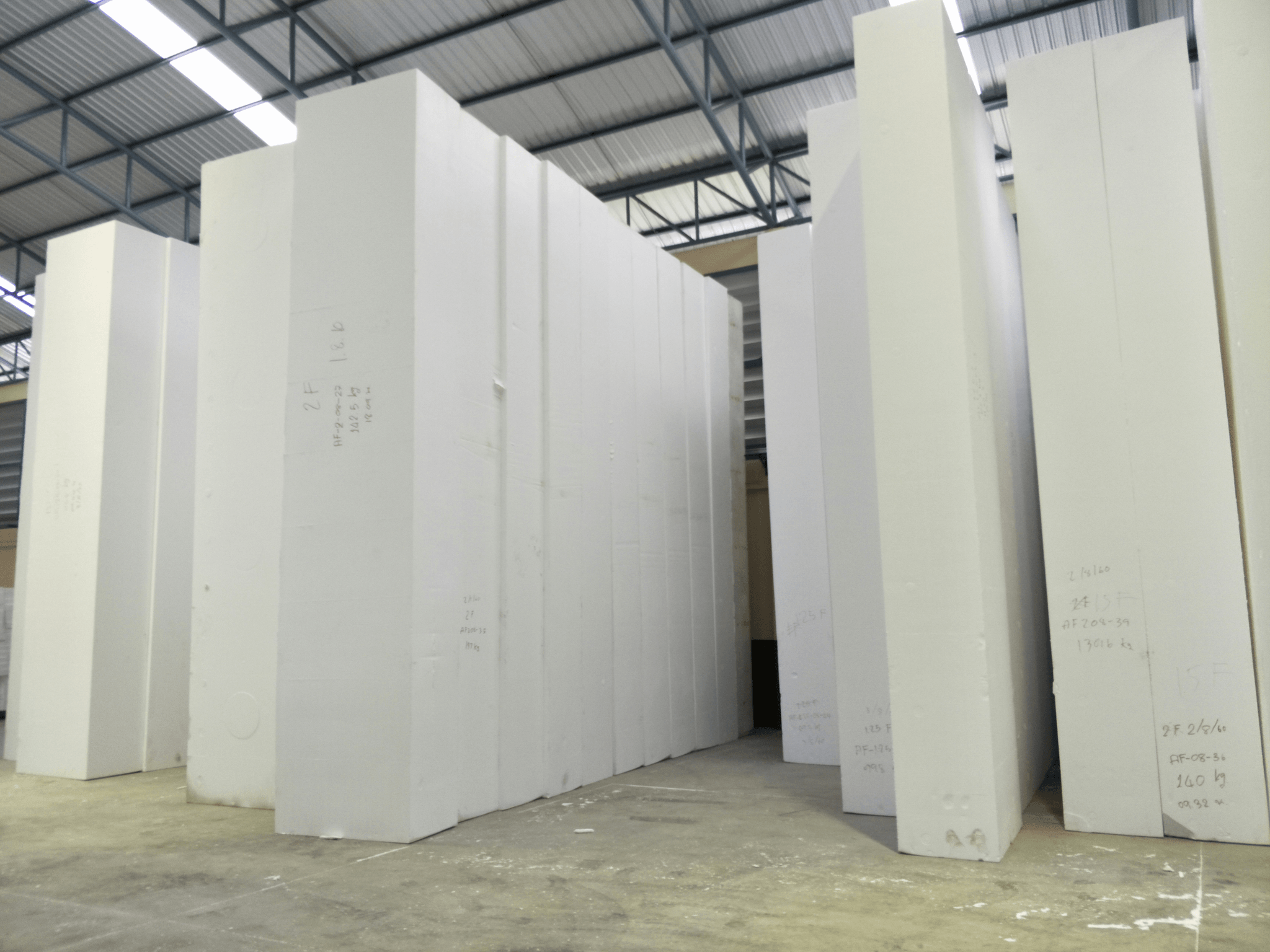
When it comes to insulating shipping container homes, spray foam insulation stands out as a top contender. This versatile material not only provides exceptional thermal resistance but also serves as an effective air barrier, significantly reducing energy costs. With its ability to expand and fill even the tiniest gaps, spray foam ensures that your container home remains cozy in winter and cool in summer.
Benefits of Spray Foam
One of the most significant benefits of spray foam insulation is its superior R-value, which measures thermal resistance. This means that when you choose spray foam for insulating your shipping container home, you're opting for a highly efficient solution that keeps your indoor climate stable while minimizing energy usage. Additionally, spray foam can help prevent moisture buildup and mold growth, ensuring a healthier living environment for you and your family.
Another noteworthy advantage is the ease of installation; it can be applied directly to the walls and ceilings without requiring additional framing or support structures. This not only saves time during construction but also allows for more flexible design options within your shipping container home. Plus, with its air-sealing properties, you’ll find that sound dampening is improved—making your space quieter and more peaceful.
Application Techniques
Applying spray foam insulation might sound like a daunting task, but with the right techniques, it can be quite straightforward. Typically, professionals use specialized equipment to mix and apply the foam in a controlled manner—ensuring even coverage across all surfaces of your shipping container home. It's crucial to wear protective gear during application since the chemicals involved can be harmful if inhaled or come into contact with skin.
Before applying spray foam, make sure to clean the surfaces thoroughly and ensure they are dry; this will enhance adhesion and effectiveness. The application process usually involves two layers: a base layer followed by a top layer once the first has cured properly. For those looking to DIY their insulation project, consider renting equipment from local hardware stores or hiring professionals from PreFab Inc., who have experience working specifically with shipping containers.
Cost Considerations
While upfront costs may seem higher compared to traditional insulation methods like fiberglass or cellulose, investing in spray foam insulation can lead to significant long-term savings on energy bills due to its efficiency in insulating shipping container homes. Moreover, because it acts as both an insulator and an air barrier simultaneously, you may find yourself spending less on heating and cooling systems over time.
It's essential to factor in installation costs when budgeting for your project; professional installation may add some expense but often guarantees optimal performance compared to DIY efforts gone awry. Additionally, many manufacturers offer warranties on their products which can provide peace of mind regarding durability—an important consideration given that shipping containers are exposed to various weather conditions.
In summary, while initial costs may give some pause when considering insulating your shipping container home with spray foam insulation, long-term benefits such as energy savings make it worthwhile investment worth considering!
Using Rigid Foam Board
When it comes to insulating shipping container homes, rigid foam board is a solid contender that brings a lot to the table. This insulation method is not only effective but also versatile, making it suitable for various climates and conditions. With its high insulation values and ease of installation, rigid foam board can help transform your container into a cozy haven.
Advantages of Rigid Foam
One of the standout advantages of rigid foam board is its impressive thermal resistance, often rated with high R-values per inch. This means that even a thin layer can provide substantial insulation, keeping your shipping container home warm in winter and cool in summer. Additionally, rigid foam boards are lightweight and easy to handle, making them ideal for DIY enthusiasts looking to tackle their insulation project.
Another benefit is moisture resistance; many types of rigid foam boards are designed to resist water absorption. This characteristic helps prevent mold growth and structural damage over time—an essential factor when insulating shipping container homes, which can be prone to condensation issues if not properly managed. Plus, these boards come in various thicknesses and sizes, allowing for customization based on specific needs.
Installation Process
Installing rigid foam board in your shipping container home can be straightforward if you follow some basic steps. First, measure the interior walls of your container accurately; then cut the foam boards to fit snugly within these dimensions using a utility knife or saw. Be sure to wear protective gear while cutting because those edges can be sharp!
Next, apply an adhesive specifically designed for foam board installation or use mechanical fasteners like screws with washers for added security against wind and movement. When placing the boards on the walls or ceiling of your container home, ensure they fit tightly together without gaps—this will enhance energy efficiency significantly! After installation, don’t forget about sealing any seams with tape or spray foam to create an airtight barrier.
Best Practices for Sealing
Sealing your rigid foam board properly is crucial when insulating shipping container homes to maximize energy efficiency and prevent air leaks. Start by using high-quality tape specifically designed for insulation purposes; this will ensure durability over time as well as effective sealing around edges and seams where two boards meet.
In addition to tape, consider applying spray foam around windows and doors after installing the rigid boards; this creates an additional layer of protection against drafts while further enhancing thermal performance. Regularly inspect these areas post-installation—if you notice any signs of wear or damage over time, address them promptly before they lead to more significant issues down the line.
Finally, remember that proper ventilation is essential when insulating shipping containers—ensuring adequate airflow helps mitigate moisture buildup inside your insulated space! By following these best practices for sealing with rigid foam board insulation from PreFab Inc., you’ll create a comfortable living environment that stands up against the elements while maximizing energy savings.
Batt Insulation: A Traditional Approach

When it comes to insulating shipping container homes, batt insulation stands out as a classic choice. This traditional method involves using pre-cut panels of insulation material, typically made from fiberglass or mineral wool, to fill the gaps between the container walls. While it may not be the newest kid on the block, batt insulation offers a reliable solution for those looking to enhance energy efficiency and comfort in their unique living spaces.
Pros and Cons of Batt Insulation
Batt insulation has its fair share of advantages that make it appealing for insulating shipping container homes. For starters, it's relatively easy to install—just cut to size and fit into place! Additionally, batt insulation is cost-effective compared to some other options, making it an attractive choice for budget-conscious builders. However, it does have its downsides; if not installed correctly, gaps can occur that reduce its effectiveness significantly. Furthermore, batt insulation can absorb moisture if not properly sealed, leading to potential mold issues down the line.
Ideal Situations for Use
Batt insulation shines in specific scenarios when insulating shipping container homes. It works best in areas where space isn't at a premium since batts require sufficient room between walls for installation. This type of insulation is particularly effective in temperate climates where extreme temperature fluctuations are less common; however, it's also suitable for interior walls where soundproofing is desired. In combination with other methods like spray foam or rigid foam board in critical areas such as ceilings or floors, batt insulation can provide a comprehensive thermal envelope.
Tips for Proper Installation
To get the most out of your batt insulation while insulating your shipping container home, proper installation is key! First off, always measure twice and cut once—accurate sizing will help avoid those pesky gaps that compromise performance. When installing batts between studs or joists, ensure they fit snugly without being compressed; compression can diminish their R-value (the measure of thermal resistance). Lastly, don't forget about vapor barriers; these will help prevent moisture from seeping into your insulated spaces and causing long-term damage.
Reflective Insulation: Keeping It Cool

When it comes to insulating shipping container homes, reflective insulation is a game changer. This type of insulation uses reflective barriers to reduce heat transfer, making your living space more comfortable in both hot and cold climates. By effectively reflecting radiant heat away from the interior, you can create a cozy environment while minimizing energy costs.
How Reflective Barriers Work
Reflective barriers function by reflecting radiant heat instead of absorbing it, which is particularly beneficial in warmer climates where keeping your shipping container home cool is essential. These barriers are typically made from materials like aluminum foil, which have high reflectivity and low emissivity. When installed correctly, they can significantly reduce cooling costs by preventing excess heat from entering the living space during scorching summer days.
Best Locations for Installation
To maximize the effectiveness of reflective insulation in your shipping container home, strategic placement is key. Ideal locations include the roof and walls facing direct sunlight; these areas receive the most heat and benefit greatly from reflective barriers. Additionally, installing reflective insulation in attics or crawl spaces can further enhance temperature regulation throughout your home.
Combining with Other Insulation Types
While reflective insulation is excellent on its own, combining it with other types of insulation can provide even better thermal performance for your shipping container home. For instance, pairing it with spray foam or rigid foam board can create a comprehensive barrier against both conductive and radiant heat transfer. This hybrid approach not only enhances comfort but also increases energy efficiency—an essential consideration for any homeowner looking to save on utility bills.
Conclusion

Insulating your shipping container home is not just a luxury; it’s a necessity for achieving comfort and energy efficiency. Proper insulation ensures that your living space remains cozy in winter and cool in summer, allowing you to enjoy your unique abode year-round. By choosing the right insulation methods, you can transform a metal box into a welcoming home.
Enhancing Comfort in Shipping Container Homes
When it comes to insulating shipping container homes, comfort is paramount. A well-insulated container can significantly reduce temperature fluctuations, making your living environment much more pleasant regardless of the weather outside. Moreover, effective insulation minimizes noise pollution from the outside world, providing a serene sanctuary where you can relax and unwind.
Cost-Effective Insulation Solutions
Budget-conscious homeowners will be pleased to know that there are several cost-effective solutions available for insulating shipping container homes. Options like batt insulation or rigid foam board can provide great thermal resistance without breaking the bank. Additionally, investing in quality insulation now can lead to lower energy bills down the line, making it a wise financial decision.
Final Thoughts from PreFab Inc. on Insulation Choices
At PreFab Inc., we believe that every detail counts when it comes to creating your ideal shipping container home, especially when it involves insulating properly. The right insulation choice will not only enhance comfort but also improve energy efficiency and sustainability over time. So whether you opt for spray foam or batt insulation, make sure your selection aligns with your lifestyle and budget—your future self will thank you!