

Introduction
In recent years, the world of architecture has witnessed a significant transformation with the rise of prefabricated design. This innovative approach to building not only streamlines construction processes but also offers a plethora of benefits that appeal to modern homeowners and developers alike. As we delve into this exciting realm, we will explore how companies like PreFab Inc. are leading the charge in redefining what it means to create sustainable and efficient living spaces.
The Rise of Prefabricated Design
Prefabricated design has emerged as a game-changer in the construction industry, shifting traditional paradigms towards more efficient methodologies. With advancements in technology and an increasing demand for affordable housing solutions, prefabrication has gained traction among architects and builders around the globe. Companies such as PreFab Inc. are at the forefront of this movement, showcasing how prefabricated structures can be both aesthetically pleasing and functional.
Benefits of Choosing Prefabricated Solutions
One of the primary advantages of opting for prefabricated solutions is their remarkable efficiency in terms of time and cost savings. By constructing components off-site and assembling them on location, projects can be completed significantly faster than conventional methods allow. Additionally, prefabricated design often provides enhanced quality control since materials are manufactured under controlled conditions, reducing potential delays due to weather or labor issues.
Trends in Modern Prefabricated Architecture
Modern prefabricated architecture is characterized by innovative designs that prioritize sustainability and adaptability to various environments. The integration of smart technologies into these structures is another trend that cannot be overlooked; many new builds feature energy-efficient systems that align with eco-conscious living standards. As more people recognize the potential of prefabrication, we can expect an ongoing evolution within this sector, driven by companies like PreFab Inc., who continue to push boundaries with their visionary projects.
What is Prefabricated Design?
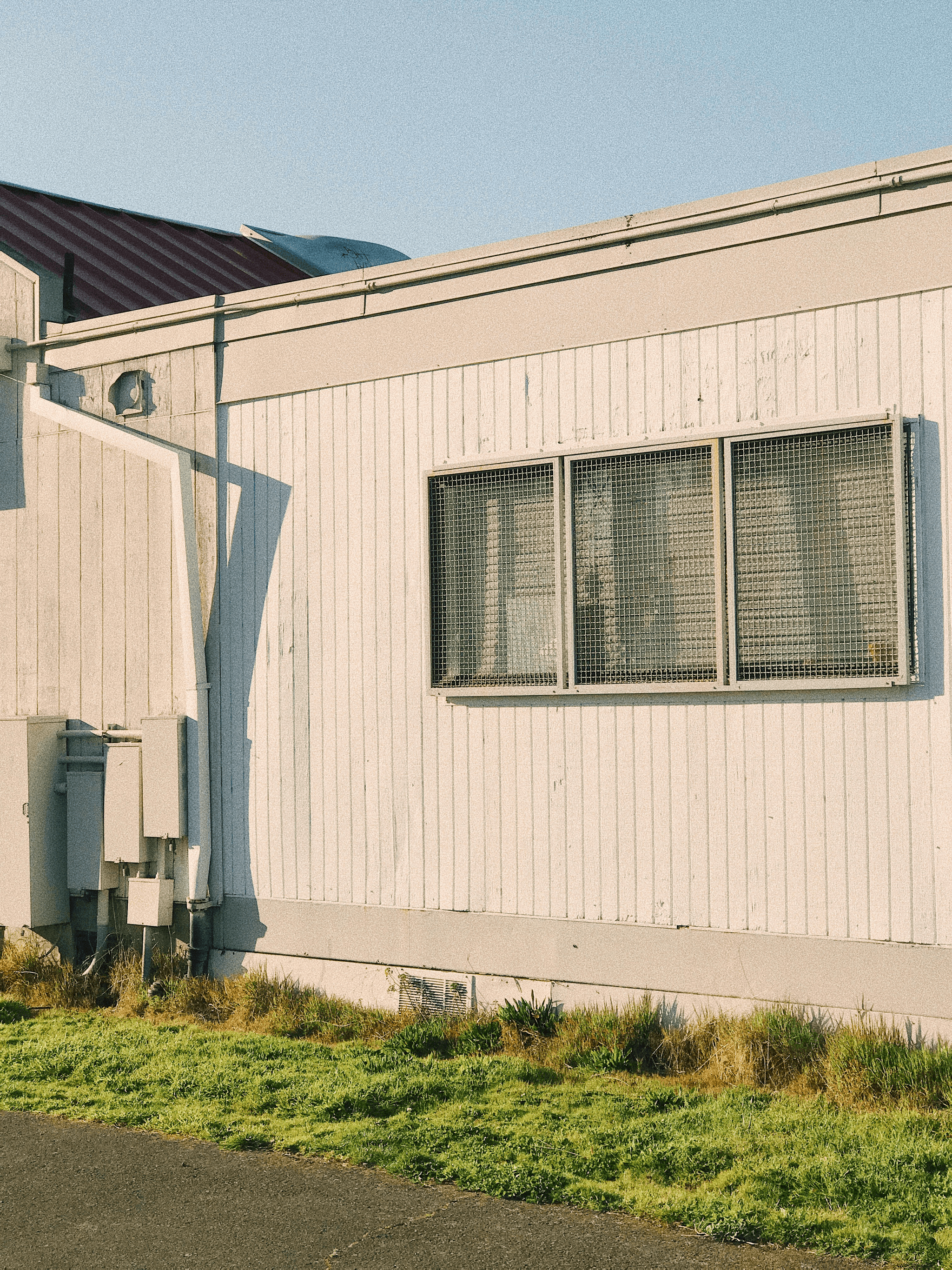
Prefabricated design refers to the method of constructing buildings or components off-site in a controlled environment before transporting them to their final location for assembly. This innovative approach has gained immense popularity due to its efficiency and cost-effectiveness. As we delve into the history, types, and practical applications of prefabrication, it becomes clear why companies like PreFab Inc. are leading the charge in this architectural revolution.
History and Evolution of Prefabrication
The roots of prefabricated design can be traced back to ancient civilizations, where modular building techniques were utilized to create structures efficiently. Fast forward to the 20th century, during World War II, when demand for rapid housing solutions surged; prefabrication emerged as a viable answer. Over the decades, advancements in materials and technology have transformed prefabricated design from basic structures into sophisticated architectural marvels that cater to modern needs.
Types of Prefabricated Structures
Prefabricated design encompasses a variety of structures tailored for different purposes. Common types include modular homes, which are built in sections that can be easily transported and assembled on-site; panelized systems that consist of pre-made wall sections; and even entire building frameworks designed for quick assembly. Each type offers unique advantages depending on factors such as budget, timeline, and specific requirements—making it essential for clients to work with experts like PreFab Inc. when selecting their ideal solution.
How Prefabrication Works in Practice
Understanding how prefabrication works in practice involves looking at both the manufacturing process and assembly on-site. Typically, components are crafted using high-quality materials in a factory setting where precision is paramount—reducing errors that might occur with traditional construction methods. Once completed, these elements are shipped to the construction site where skilled teams quickly assemble them into a finished structure—demonstrating how effective prefabricated design can be when executed properly.
Innovative Examples of Prefabricated Design
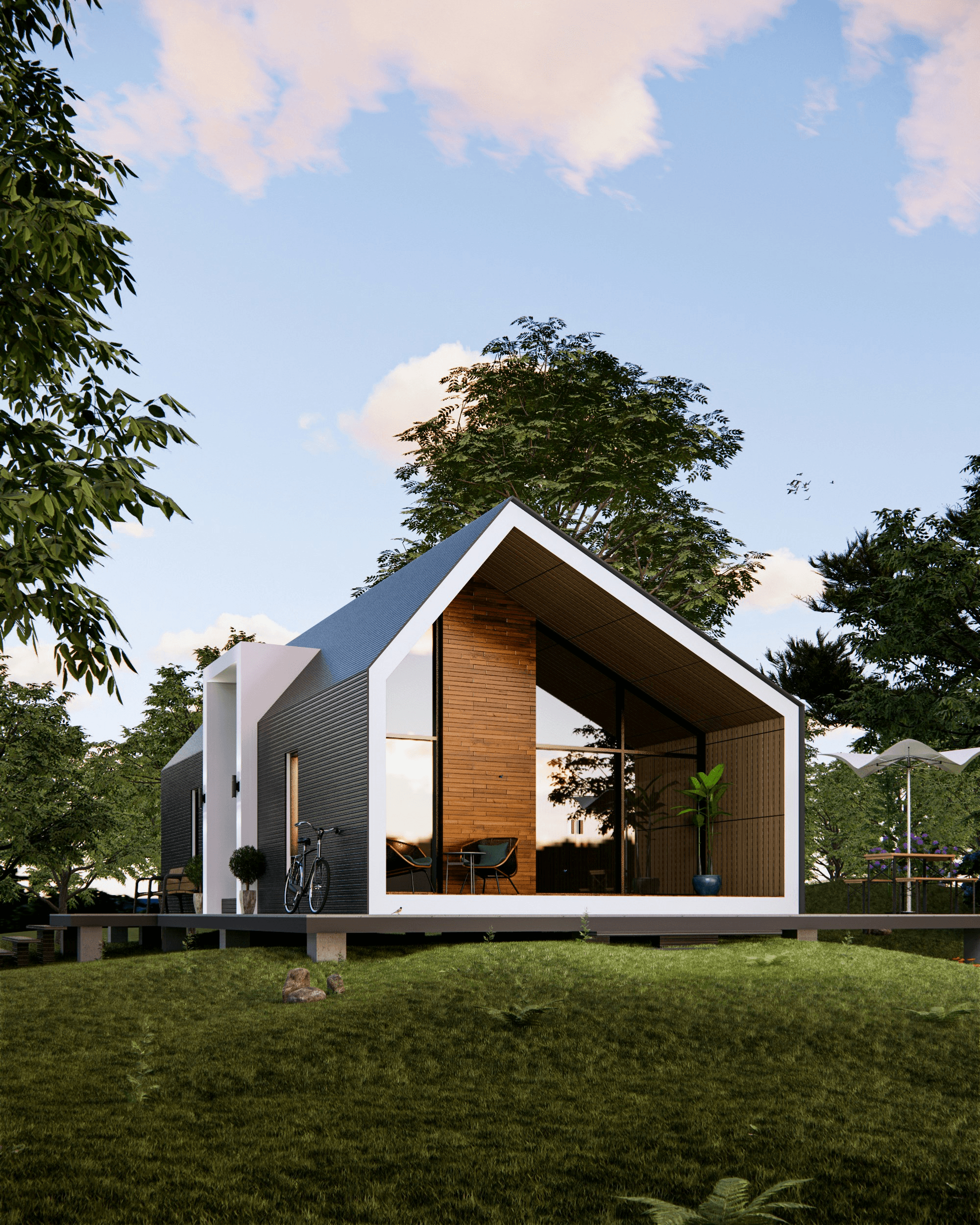
The world of prefabricated design has seen a surge of creativity and innovation, leading to some remarkable projects that challenge traditional notions of architecture. From cozy micro homes to large-scale developments, these examples showcase the versatility and potential of prefabrication. As we explore these innovative designs, it’s clear that companies like PreFab Inc. are at the forefront of this architectural revolution.
The Micro Home Revolution
In recent years, the micro home movement has gained significant traction, driven by a desire for minimalist living and affordability. Prefabricated design plays a pivotal role in this trend, allowing for efficient use of space without sacrificing style or functionality. These compact dwellings often feature smart layouts and sustainable materials, making them an attractive option for urban dwellers looking to downsize.
Micro homes exemplify how prefabrication can create stylish yet functional living spaces in just a fraction of the time it takes to build traditional homes. With their modular components, these tiny structures can be easily transported and assembled on-site, reducing construction waste and time delays. Companies like PreFab Inc. are leading the charge by offering customizable micro home solutions that cater to diverse lifestyles while promoting eco-friendly living.
Notable Projects by PreFab Inc.
PreFab Inc. has been instrumental in showcasing the potential of prefabricated design through several notable projects that blend innovation with practicality. One standout example is their collaboration on a series of affordable housing units designed for rapid deployment in urban areas facing housing shortages. These units not only meet pressing needs but also incorporate sustainable features such as solar panels and rainwater harvesting systems.
Another impressive project from PreFab Inc. is their line of modular office spaces that can be quickly assembled to create flexible work environments tailored to client needs. This approach allows businesses to adapt rapidly to changing demands while minimizing disruption during construction phases. By embracing prefabricated design principles, PreFab Inc.'s projects demonstrate how efficiency can coexist with aesthetic appeal.
Case Study: Katerra's Impact on Housing
Katerra emerged as a game-changer in the realm of prefabricated design with its ambitious vision for reshaping the construction industry through technology-driven solutions. Their focus on integrating advanced manufacturing techniques with smart building practices has led to more efficient processes and cost savings across various housing projects. By utilizing off-site construction methods combined with data analytics, Katerra has streamlined workflows while maintaining high standards for quality control.
One noteworthy case study involves Katerra's development of multi-family housing complexes designed specifically for affordability without compromising quality or sustainability features—showcasing how prefabrication can address urgent housing challenges effectively. These complexes leverage standardized components that allow for rapid assembly while ensuring energy-efficient designs meet modern living standards—an ideal marriage between form and function facilitated by prefabricated design principles.
As we continue exploring innovative examples within this field, it's evident that companies like PreFab Inc., alongside pioneers such as Katerra, are paving new paths toward sustainable living through creative applications of prefabrication techniques.
Sustainability in Prefabricated Solutions
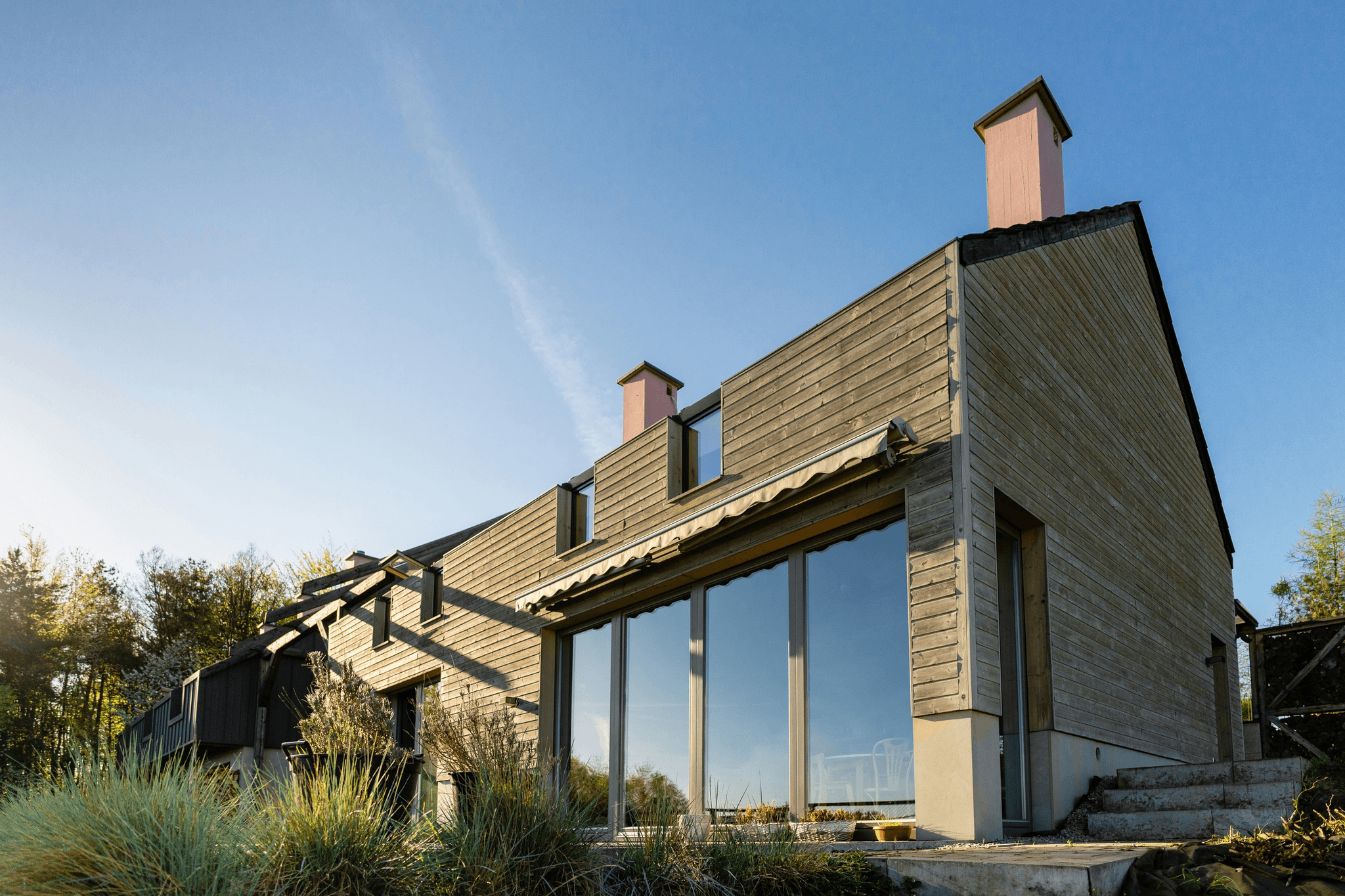
In recent years, the conversation surrounding sustainability has taken center stage in architecture, and prefabricated design is stepping up to the plate with innovative solutions. As the world grapples with climate change and resource depletion, the need for eco-friendly construction practices becomes increasingly urgent. Prefabricated solutions not only reduce the environmental impact of building but also offer efficient methods that align perfectly with modern sustainability goals.
Eco-Friendly Materials in Prefabrication
One of the most compelling aspects of prefabricated design is its ability to incorporate eco-friendly materials without sacrificing quality or aesthetics. Builders can select from a range of sustainable options, such as recycled steel, reclaimed wood, and low-VOC (volatile organic compounds) paints that contribute to healthier indoor air quality. PreFab Inc. prioritizes these materials in their projects, ensuring that each structure not only looks good but also minimizes its ecological footprint.
Moreover, using renewable resources helps reduce reliance on traditional building materials that often require extensive energy and resources to produce. By opting for sustainable materials, companies like PreFab Inc. are paving the way for greener construction practices while appealing to environmentally conscious consumers. The integration of eco-friendly components into prefabricated design is a win-win situation for builders and buyers alike.
Energy Efficiency in Modern Designs
Energy efficiency is another cornerstone of sustainable prefabricated design that has gained significant traction over recent years. Modern prefabricated buildings are designed with advanced insulation techniques and energy-efficient systems that dramatically lower energy consumption compared to traditional structures. With smart technologies integrated into these designs, residents can enjoy reduced utility bills while contributing positively to environmental conservation.
PreFab Inc.'s commitment to energy efficiency means their homes often come equipped with solar panels, high-efficiency HVAC systems, and energy-saving appliances right from the factory floor. This proactive approach not only enhances comfort but also reduces greenhouse gas emissions over time—an essential factor as we strive toward a more sustainable future in architecture. In essence, modern prefabrication marries style with functionality while keeping Mother Earth smiling.
Reducing Waste through Prefabrication
One of the standout benefits of prefabricated design lies in its remarkable ability to minimize waste during construction processes—a significant concern for any environmentally conscious builder or buyer today. Traditional building methods often lead to excess material waste due to on-site cutting and adjustments; however, prefabrication shifts much of this work off-site where precision manufacturing can take place efficiently. This shift results in fewer leftover materials heading straight for landfills.
Moreover, companies like PreFab Inc., by utilizing just-in-time manufacturing techniques and optimized logistics planning, further reduce waste throughout each project phase—from production all the way through delivery and assembly on-site. The result? A cleaner construction process that aligns perfectly with global sustainability efforts while providing durable structures tailored for today's living needs—without all those pesky leftovers!
The Future of Prefabricated Design
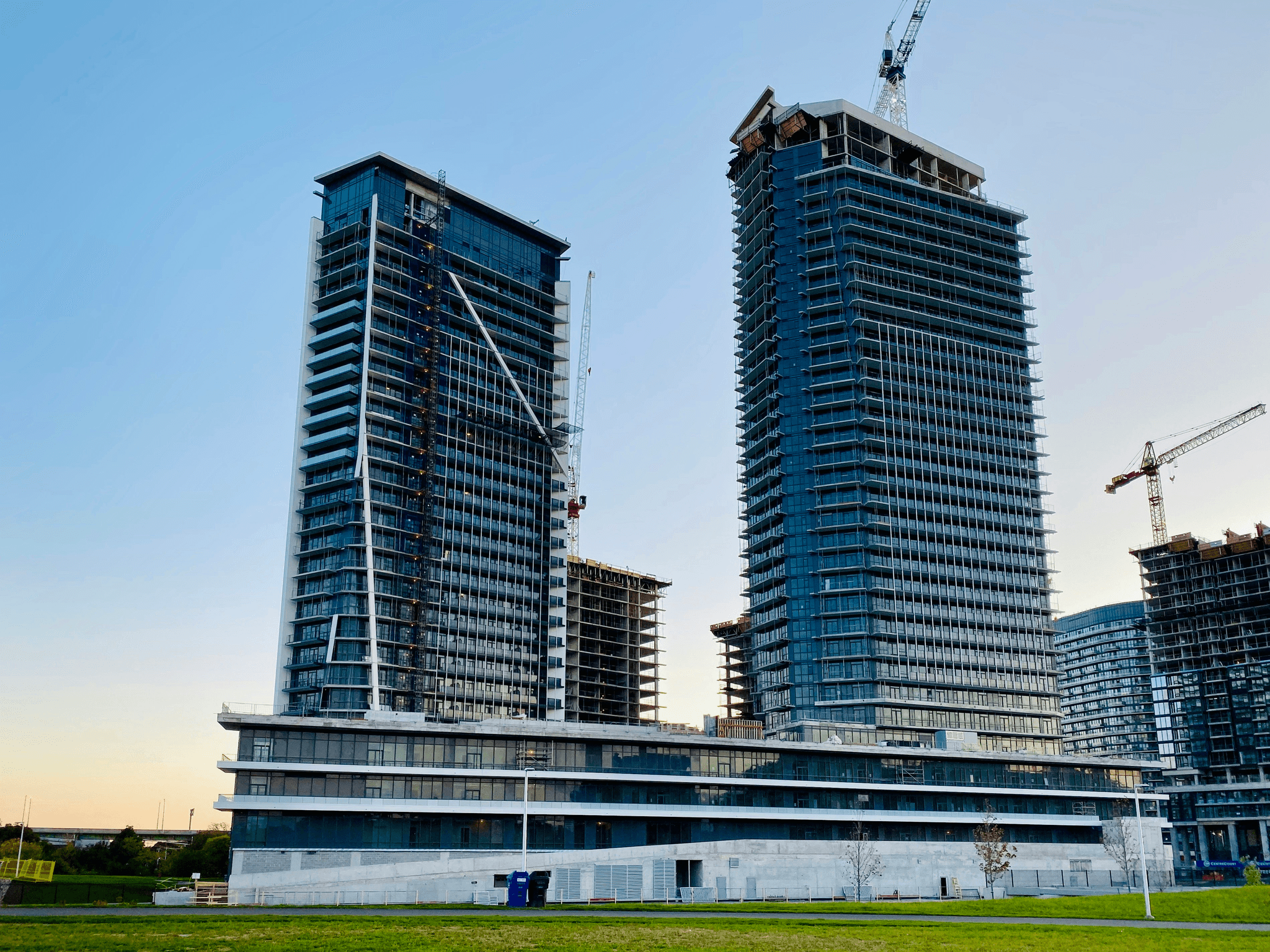
The future of prefabricated design is brimming with potential as technology continues to evolve and reshape the way we think about building. Innovations in materials, construction techniques, and digital tools are paving the way for even more efficient and sustainable prefabricated solutions. Companies like PreFab Inc. are at the forefront of this transformation, harnessing advancements to deliver cutting-edge designs that meet modern needs.
Advancements in Technology
Advancements in technology are revolutionizing prefabricated design, making it faster and more cost-effective than ever before. Robotics and automation are streamlining manufacturing processes, allowing for precision-engineered components that fit together seamlessly on-site. Additionally, Building Information Modeling (BIM) enables designers to visualize projects in 3D before construction begins, reducing errors and enhancing collaboration among teams.
The integration of virtual reality (VR) into the design phase also offers clients a unique opportunity to experience their future homes before they’re built. With these technological advancements, prefabricated structures can be customized to fit individual preferences while maintaining high standards of quality and efficiency. As PreFab Inc. embraces these innovations, the possibilities for creative expression within prefabricated design continue to expand.
Smart Homes and Prefabricated Elements
The rise of smart homes is another exciting aspect of the future of prefabricated design. Incorporating smart technology into prefabricated structures allows homeowners to control various aspects of their living environment with ease—think automated lighting systems or integrated security features that can be managed from a smartphone app. This seamless integration not only enhances convenience but also promotes energy efficiency through intelligent resource management.
PreFab Inc.'s commitment to incorporating smart elements into their designs positions them as leaders in this emerging market trend. By offering customizable smart home options within their prefabricated solutions, they cater to tech-savvy consumers looking for modern amenities without sacrificing sustainability or style. As more people embrace smart living, we can expect an increase in demand for innovative prefabricated designs that prioritize both functionality and aesthetics.
Predictions for Urban Living
Urban living is evolving rapidly, with space becoming increasingly precious in densely populated areas—a perfect scenario for prefabricated design solutions! Experts predict that multifamily units made from modular components will become a staple feature in urban landscapes as cities strive to accommodate growing populations while minimizing environmental impacts. Prefab buildings can be constructed quickly on-site while maintaining high-quality standards—ideal for urban settings where speed matters.
Moreover, as cities become smarter through technology integration—think IoT devices managing traffic flow or energy consumption—the role of prefabrication will likely expand further into urban planning initiatives led by companies like PreFab Inc., who understand the importance of adaptability in modern architecture. With ongoing trends toward sustainability and efficiency shaping our urban environments, it's clear that the future holds exciting developments for those eager to embrace innovative approaches like prefabricated design.
How to Choose a Prefabricated Design Provider
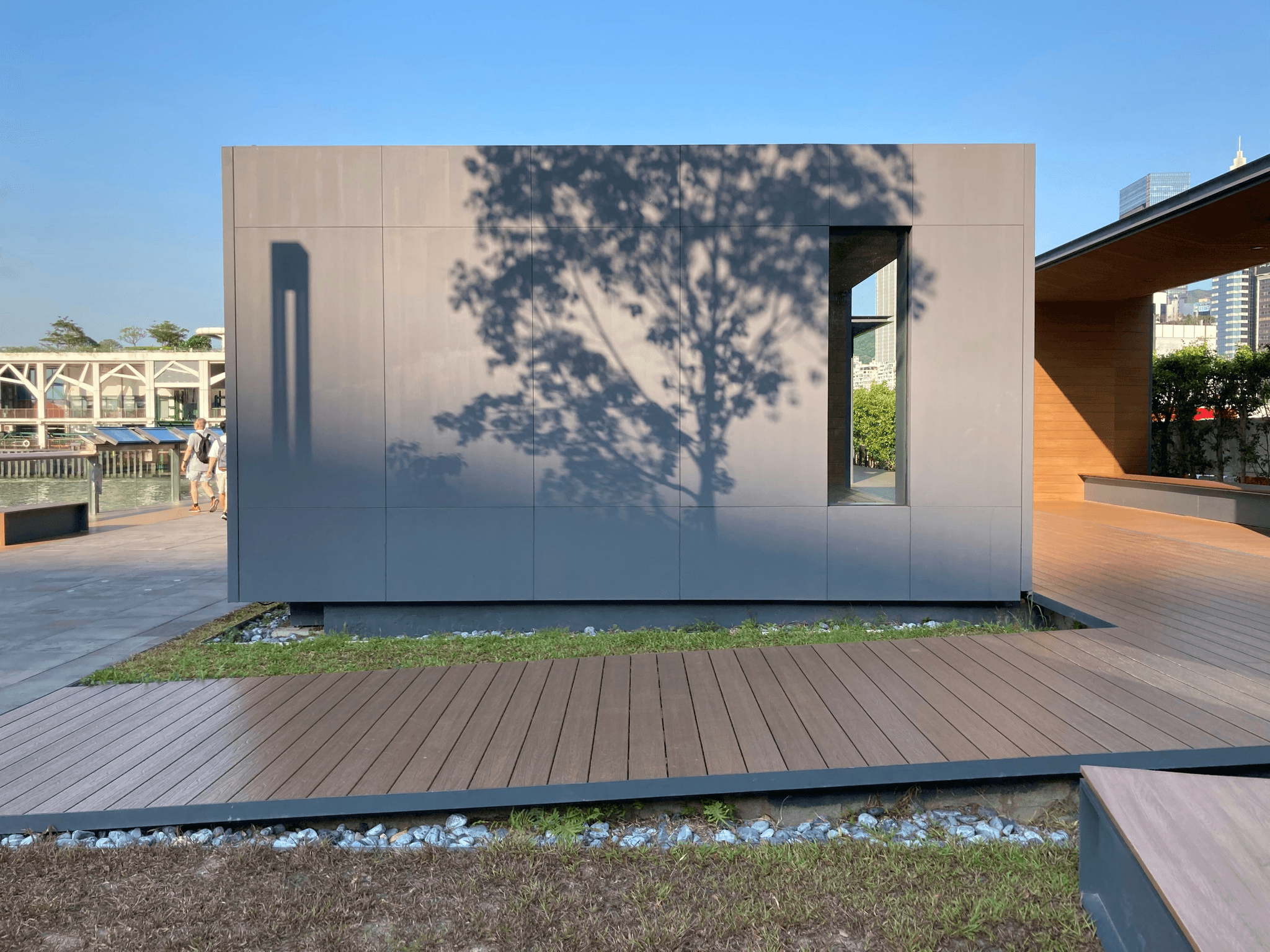
Choosing the right prefabricated design provider is crucial for ensuring that your project meets your expectations and requirements. With the rise of prefabricated solutions, the market has become saturated with options, making it essential to know what to look for. Here’s a guide to help you navigate your choices and find a provider that aligns with your vision.
Key Factors to Consider
When selecting a prefabricated design provider, consider their experience in the industry. A seasoned company like PreFab Inc. will have a portfolio showcasing various projects, demonstrating their expertise in delivering high-quality prefabricated structures. Additionally, assess their ability to customize designs according to your needs; flexibility is key in ensuring that the final product reflects your personal style and functional requirements.
Another important factor is sustainability practices. Many modern consumers are increasingly conscious of environmental impact, so choosing a provider committed to eco-friendly materials and energy-efficient designs can make all the difference. Furthermore, consider their production timelines; timely delivery can significantly affect your project schedule and budget.
Lastly, don't overlook customer service and support throughout the process. A good prefabricated design provider should offer clear communication channels and be responsive to any questions or concerns you may have during construction. This level of support not only fosters trust but also ensures that any issues are promptly addressed.
Questions to Ask PreFab Inc.
Before committing to any prefabricated design provider like PreFab Inc., it's wise to ask specific questions that can clarify their capabilities and approach. Start by inquiring about their previous projects—what types of buildings have they constructed? Understanding their experience will give you insight into whether they can handle your unique vision effectively.
Next, ask about materials used in construction; do they prioritize sustainable or recycled options? This question will help gauge how aligned they are with modern eco-conscious practices critical for today’s homeowners seeking green solutions in prefabrication.
Also, don’t hesitate to discuss timelines and budgets upfront; what guarantees do they provide regarding completion dates? Knowing potential costs associated with delays or changes ensures transparency from the outset and helps avoid unpleasant surprises down the line.
Comparing Options in the Market
With numerous providers offering prefabricated design solutions, comparing options is vital for making an informed decision. Start by gathering quotes from multiple companies—including PreFab Inc.—to understand price ranges for similar projects while also considering what each quote includes regarding services offered.
Look at customer reviews and testimonials as part of this comparison process; feedback from previous clients can shed light on reliability and quality of work provided by each company you’re considering. Additionally, check if they have received any awards or recognitions within the industry—it’s often an indicator of excellence in execution.
Finally, evaluate each company's after-sales support policies as well as warranty offerings on their constructions—this could save you headaches later on if maintenance issues arise post-completion! By thoroughly comparing these factors across different providers, you'll be well-equipped to choose one that best fits your needs for a successful prefabricated design project.
Conclusion
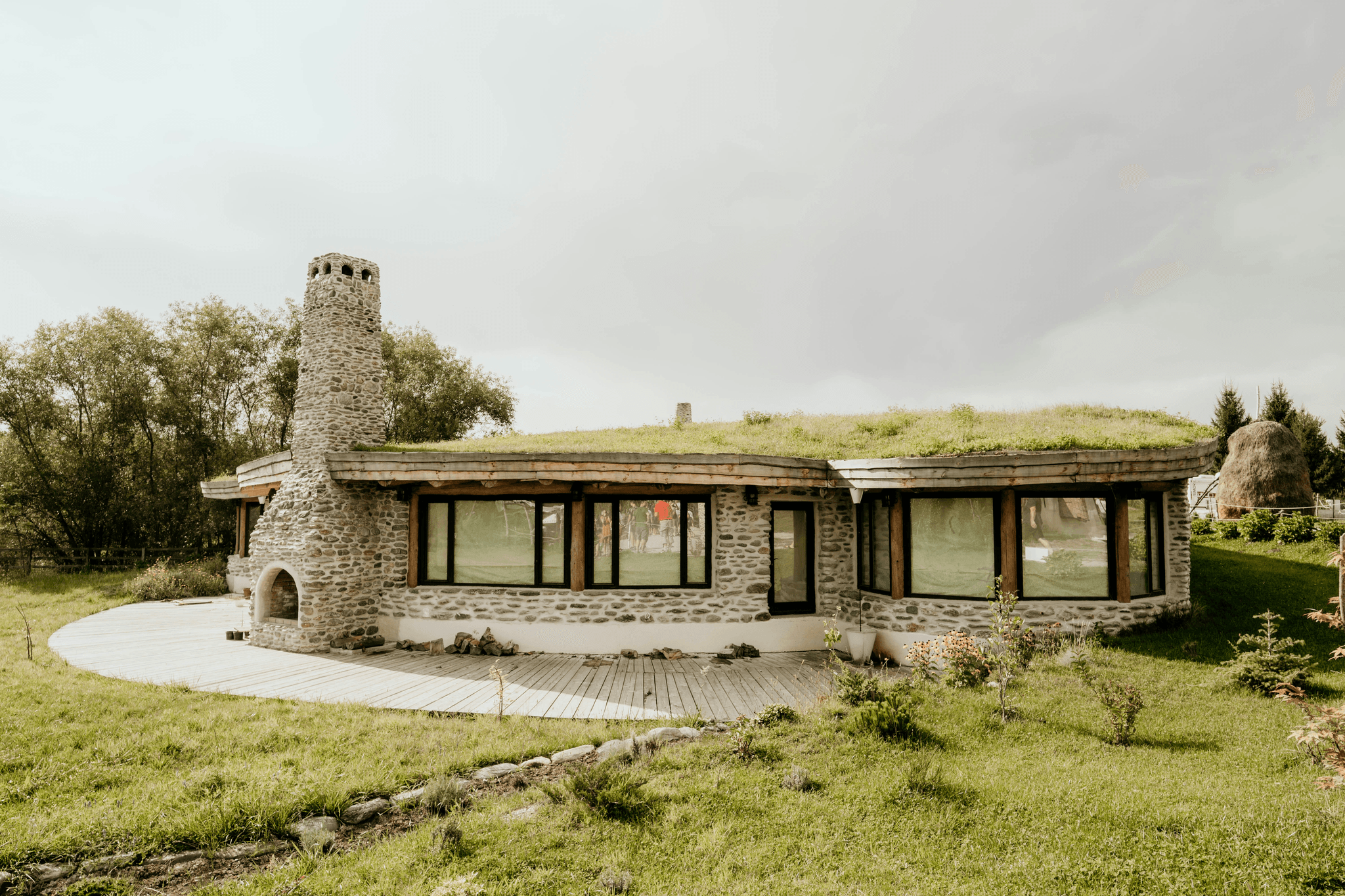
In a world where efficiency and sustainability are becoming paramount, embracing prefabricated design solutions is not just wise—it's essential. The shift towards these innovative structures allows us to rethink traditional building methods, offering a fresh perspective on how we can create functional and aesthetically pleasing spaces. Whether you’re a homeowner, developer, or simply an architecture enthusiast, the benefits of prefabrication are undeniable and ripe for exploration.
Embracing Prefabricated Design Solutions
Prefabricated design has revolutionized the way we approach construction projects, providing faster build times and reduced costs without sacrificing quality. By opting for prefabrication, you can enjoy customizable options that cater to your specific needs while minimizing environmental impact. This growing trend is not just about convenience; it’s about creating homes and buildings that reflect our values of sustainability and innovation.
The Role of PreFab Inc. in Innovation
PreFab Inc. stands at the forefront of this revolution in prefabricated design, leading the charge with cutting-edge solutions that combine style with functionality. Our commitment to using eco-friendly materials and advanced manufacturing techniques ensures that every project is not only beautiful but also sustainable. As pioneers in this field, we continuously strive to push the boundaries of what’s possible in modern architecture.
Your Next Steps in Exploring Prefabrication
Now that you're equipped with knowledge about prefabricated design, it’s time to take action! Start by researching local providers like PreFab Inc., who can guide you through your options tailored to your unique vision and budget. Whether you're looking for a cozy micro home or a larger commercial space, exploring these possibilities could lead you toward a more efficient and inspiring future.