

Introduction
As urbanization continues to reshape the landscape of modern living, one trend that has taken China by storm is the rise of container houses. These innovative structures, crafted from repurposed shipping containers, are not just a fleeting fad; they represent a transformative approach to housing in an increasingly crowded society. With their unique blend of affordability, sustainability, and versatility, container house China is quickly becoming synonymous with contemporary living solutions.
Discover the Container House China Trend
In recent years, container houses have emerged as a popular alternative to traditional housing in China. This trend is fueled by a growing awareness of environmental issues and the need for affordable housing options in urban areas. From bustling metropolises to serene countryside retreats, the container house china movement offers diverse designs that cater to various lifestyles and preferences.
Why Container Homes Are Booming
The booming popularity of container homes can be attributed to several factors that resonate with modern consumers. Firstly, these homes provide an eco-friendly solution by repurposing materials that would otherwise contribute to waste and pollution. Additionally, as property prices soar in urban centers across China, many are turning to container houses as an affordable entry point into homeownership without sacrificing quality or style.
Key Benefits of Container Houses
Container houses offer numerous advantages that make them an attractive choice for homeowners and investors alike. They are notably quicker to construct compared to traditional homes, allowing for faster occupancy and reduced labor costs—an appealing feature for those eager to settle into their new abode. Furthermore, companies like PreFab Inc. are pioneering designs that not only maximize space but also incorporate energy-efficient technologies, making these homes both functional and sustainable in the long run.
The Rise of Container Homes in China
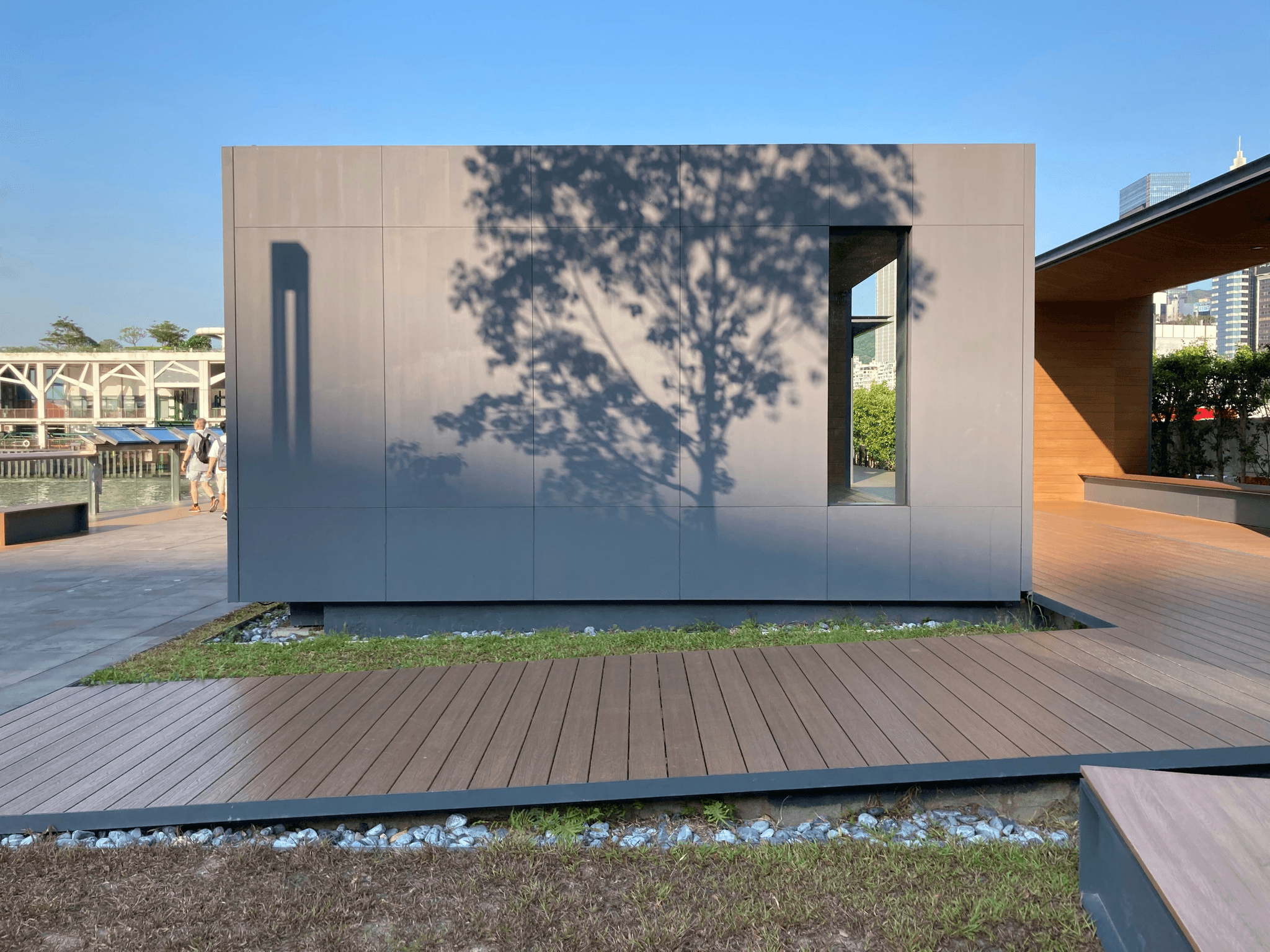
Container homes are making waves in China, and it's not just a fleeting trend; it’s a full-blown revolution in the housing market. As urbanization accelerates and housing prices soar, many people are turning to innovative solutions like container houses. These versatile structures offer an affordable alternative while also catering to the growing demand for sustainable living.
Understanding the Market Demand
The demand for container houses in China is driven by a combination of factors, including rising property costs, environmental awareness, and the need for quick housing solutions. With cities expanding rapidly, traditional construction methods often can't keep up with the pace of development needed to accommodate new residents. Container homes provide a flexible, cost-effective option that appeals to both urban dwellers and rural developers looking for innovative ways to utilize space.
Additionally, young professionals and families are increasingly seeking out eco-friendly living options, prompting a shift toward sustainable designs that container houses can easily fulfill. The adaptability of these structures allows them to be repurposed for various uses—from cozy homes to trendy cafes or even pop-up shops—making them an attractive investment in today's fast-paced economy. This burgeoning interest is paving the way for container house china to become synonymous with modern living.
Popular Regions for Container Housing
In China, certain regions have embraced container housing more than others due to their unique economic and geographic conditions. Coastal cities like Shanghai and Shenzhen have seen a surge in container home developments due to their bustling economies and high population densities. These urban centers are ideal testing grounds for innovative architectural concepts that blend functionality with aesthetic appeal.
Moreover, rural areas are also catching on as they seek sustainable solutions that mitigate land use issues while providing affordable housing options. Provinces such as Yunnan and Sichuan have begun implementing container homes as part of their local development strategies, showcasing how these structures can adapt across different landscapes and communities. As more regions recognize the benefits of this trend, we can expect container house china projects to sprout up across diverse terrains.
Influential Companies in China
Several companies are spearheading the movement towards container homes in China, each bringing unique designs and innovations to the table. PreFab Inc., for instance, has emerged as a leader by offering customizable modular units that cater specifically to Chinese consumers' needs while maintaining high standards of sustainability and efficiency. Their focus on quality craftsmanship ensures that every unit is not only functional but also visually appealing.
Other notable players include companies like K-Box Global and Tsinghua University’s Design Institute which have been instrumental in promoting eco-friendly practices within this niche market. These firms emphasize collaboration with local governments and communities to create spaces that enhance quality of life while respecting cultural heritage—a crucial aspect when introducing modern concepts into traditional settings. With such influential companies at the helm, it's clear that container house china is set on an exciting trajectory toward mainstream acceptance.
Design Innovations in Container Houses
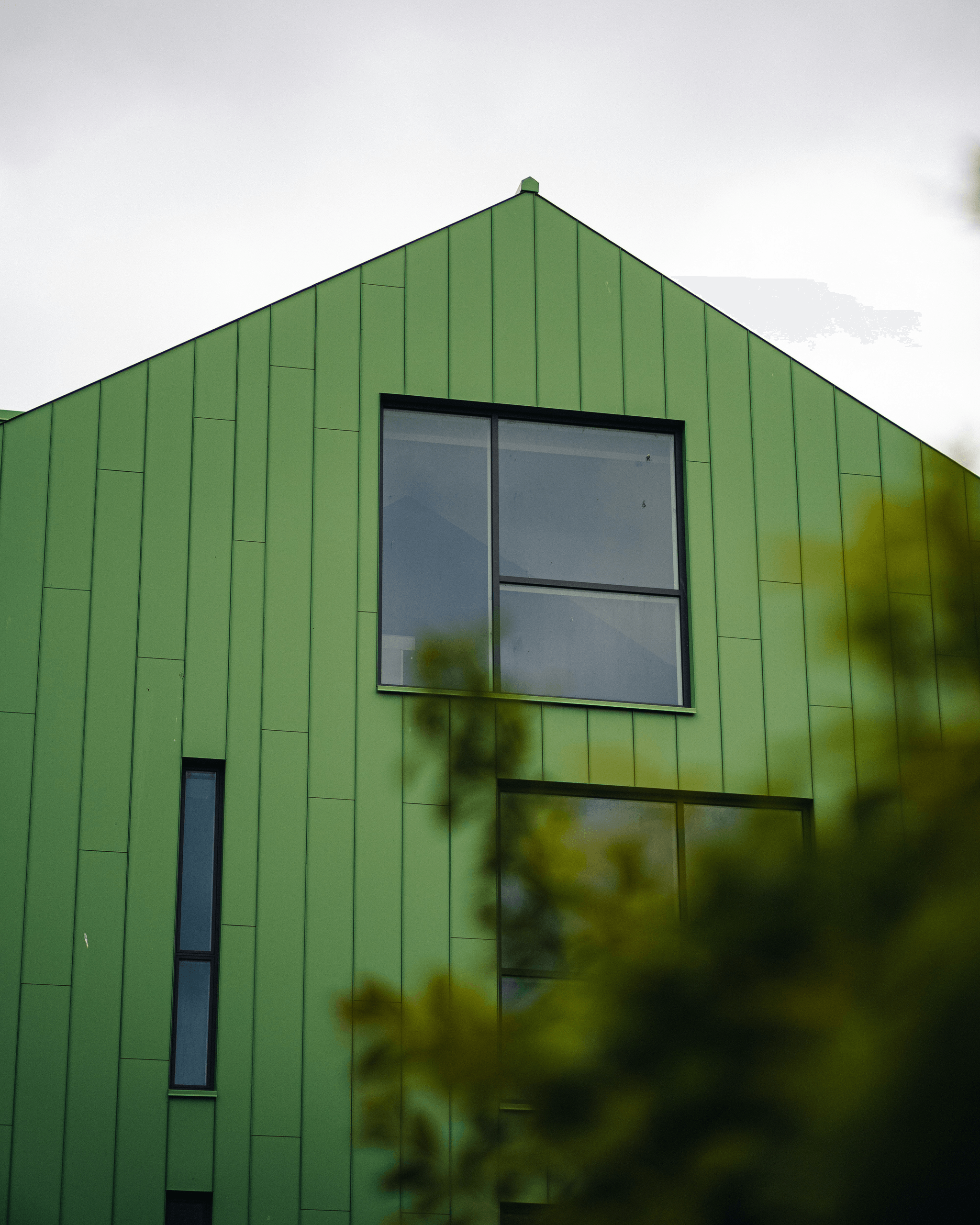
The world of container houses is not just about practicality; it’s a canvas for creativity and innovation. In China, the trend of container housing is being revolutionized by imaginative designs that transform these steel boxes into stunning living spaces. Companies like PreFab Inc. are at the forefront, showcasing how container house china can be both functional and aesthetically pleasing.
Creative Architecture by PreFab Inc.
PreFab Inc. has taken container house china to new heights with its innovative architectural designs. Think sleek lines, open spaces, and multifunctional areas that maximize every inch of space within these containers. Their projects often feature large windows that invite natural light while blending seamlessly into the surrounding environment, making them not only homes but also works of art.
The architectural creativity doesn’t stop there; PreFab Inc. often collaborates with local artists to incorporate cultural elements into their designs. This fusion of modern architecture with traditional Chinese aesthetics creates unique homes that resonate with the local community while appealing to a global audience interested in sustainable living solutions. With each project, they redefine what a container house can be—turning simple metal boxes into stylish retreats.
Eco-Friendly Practices in Design
Sustainability is at the heart of container house china innovations, especially when it comes to eco-friendly practices in design. PreFab Inc. prioritizes materials that are not only durable but also environmentally friendly, ensuring minimal impact on nature during construction and throughout the home’s lifecycle. By utilizing recycled materials and energy-efficient technologies, these homes stand as a testament to responsible living.
Moreover, many designs incorporate green roofs or vertical gardens that enhance air quality and provide insulation—two birds with one stone! These features not only beautify the space but also contribute significantly to energy savings over time, making eco-conscious living accessible for everyone in China looking for affordable housing solutions without sacrificing style or comfort.
Modular Container Designs
Modular design is another exciting aspect of container houses gaining traction across China, facilitated by companies like PreFab Inc. This approach allows homeowners to customize their spaces according to personal needs while maintaining flexibility for future expansions or modifications—perfect for growing families or evolving lifestyles! Each module can serve various functions: think guest rooms, home offices, or even creative studios—all crafted from standard shipping containers.
The beauty of modularity lies in its efficiency; construction times are significantly reduced compared to traditional building methods because modules can be prefabricated off-site and assembled quickly on location. This means less disruption for communities and faster move-in dates for eager homeowners looking to embrace the container house china lifestyle! As this trend continues to grow, we can expect even more innovative modular designs tailored specifically for urban environments throughout China.
Cost Considerations for Container Homes
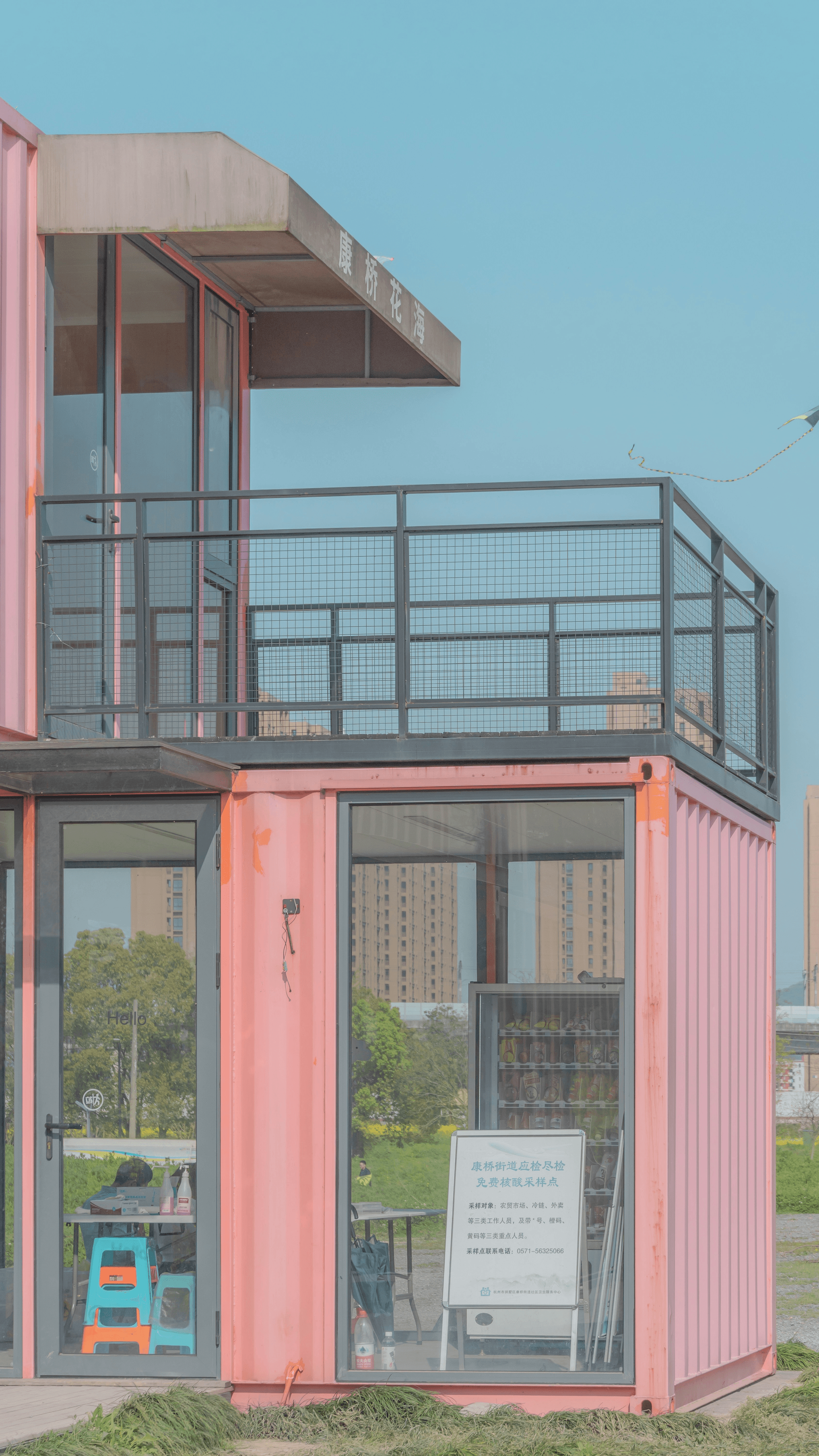
When it comes to container homes, understanding the costs involved is crucial for potential buyers. The price of a container house in China can vary widely based on factors such as size, location, and design complexity. However, one thing remains consistent: the affordability and flexibility they offer compared to traditional housing options.
Breakdown of Pricing in China
In China, the cost of a basic container house can start as low as 50,000 RMB for a single unit, while larger or more customized models may reach upwards of 300,000 RMB or more. This pricing often includes the container itself but may not account for additional features like insulation, plumbing, and electrical work. With companies like PreFab Inc., buyers can find packages that bundle these extras into a single price point to simplify budgeting.
Moreover, shipping costs should also be factored in if you're sourcing containers from different regions or countries. While some might think that going with a used container could save money upfront, it’s essential to consider potential renovation costs that could add up quickly. In essence, while initial prices might seem attractive for a container house in China, understanding the full scope of expenses is key to making an informed decision.
Comparing Container Homes to Traditional Homes
When comparing container homes to traditional houses in China, you'll find significant differences not just in price but also in value proposition. On average, building a conventional home can cost anywhere from 3,000 RMB per square meter and up—substantially more than most container homes which typically range from 1,500 to 2,500 RMB per square meter depending on design choices and finishes. This stark contrast makes the allure of container houses hard to resist.
Additionally, construction time plays an important role; while traditional homes may take several months or even years to complete due to permitting and construction delays, many container homes can be ready within weeks thanks to their modular nature. This speediness means you could potentially move into your new home faster than you’d ever expect! So when weighing your options between a traditional build versus a stylish new container house china model from PreFab Inc., consider not just the cost but also how quickly you want your dream home.
Hidden Costs to Watch Out For
While opting for a trendy container house china might seem like an economical choice initially, it’s wise not to overlook those sneaky hidden costs that can sneak up on you later down the line. One common pitfall is underestimating site preparation expenses; leveling land or preparing utilities can add significant dollars onto your final bill if you're not careful!
Another aspect often ignored is maintenance; while containers are durable by nature—rust prevention treatments are necessary over time especially if exposed directly to elements without protective coatings applied initially. Additionally—don’t forget about landscaping! Creating an inviting outdoor space around your new abode will require investment too.
In conclusion: while there are numerous financial advantages associated with building a container home in China—being aware of all potential costs ensures you’re truly getting value without any nasty surprises down the road!
Regulatory Challenges in Container Housing
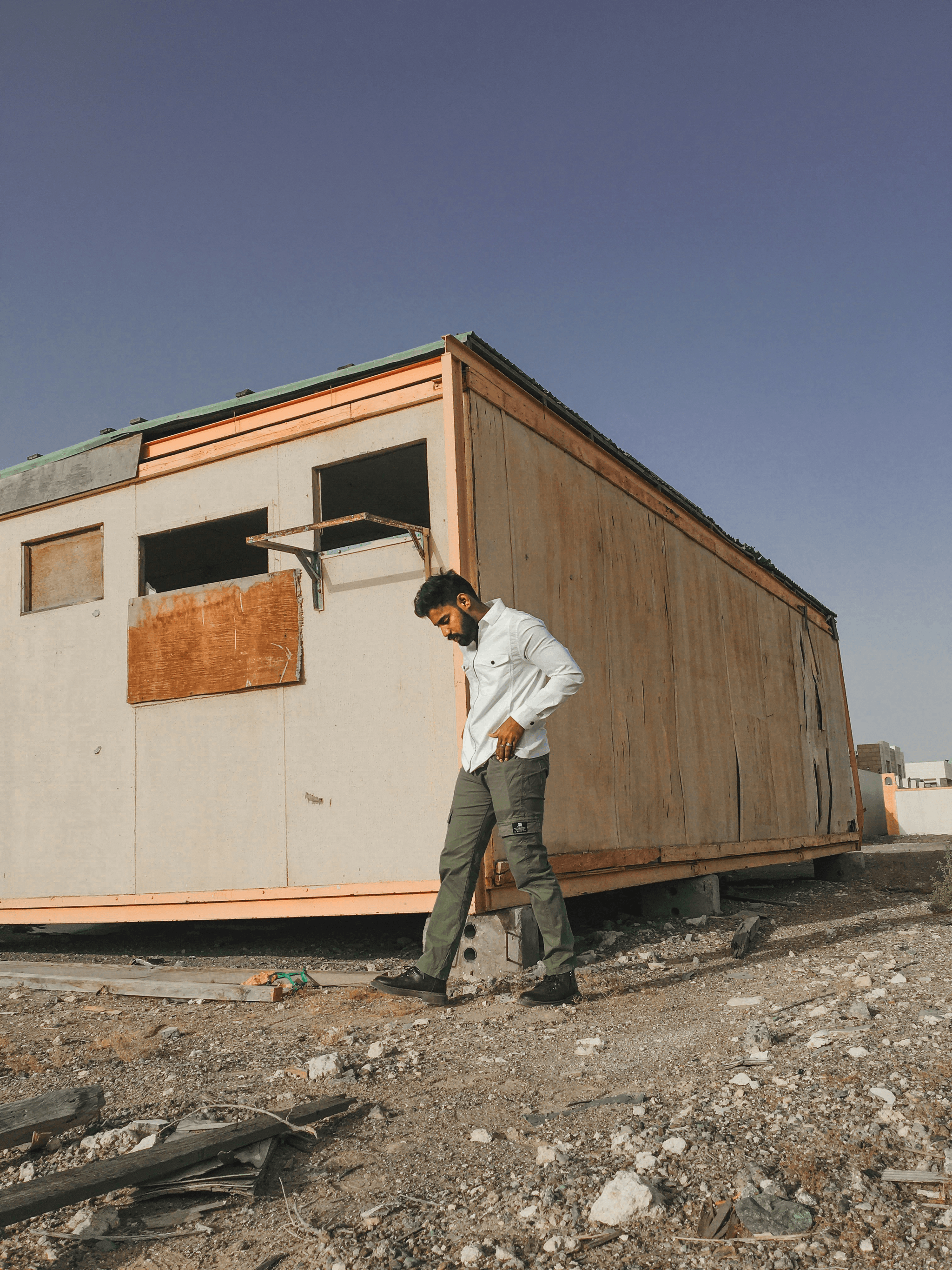
Navigating the regulatory landscape for container houses in China can feel like trying to solve a Rubik's Cube blindfolded. With building codes that vary from city to city, understanding what is permissible can be a daunting task for potential homeowners and developers alike. However, with the right knowledge and resources, these hurdles can be overcome, paving the way for innovative housing solutions.
Navigating China’s Building Codes
China's building codes are intricate and often subject to local interpretations, which can create confusion for those looking to invest in container houses. Each municipality may have its own set of guidelines regarding structural integrity, safety standards, and land use that must be adhered to when planning a container house project. For instance, some regions may require specific insulation standards or fire safety measures that differ significantly from others; therefore, it's crucial to conduct thorough research before diving into the design phase.
Permits and Approvals Explained
Securing permits for a container house in China involves multiple steps that can seem overwhelming at first glance. Generally, you will need to submit your architectural plans along with various forms of documentation to local authorities before receiving approval to commence construction. This process often includes environmental impact assessments and zoning reviews; however, companies like PreFab Inc. have streamlined this by offering comprehensive support services tailored specifically for navigating these bureaucratic waters.
Success Stories of Regulation Navigation
Despite the complexities surrounding regulations for container housing in China, numerous success stories highlight how individuals and companies have successfully navigated these challenges. For example, PreFab Inc.'s collaboration with local governments has led to expedited approvals for several innovative projects across major cities like Shanghai and Beijing. These examples not only demonstrate the feasibility of container homes but also inspire confidence among potential investors looking at this booming market.
Sustainability and Container Homes
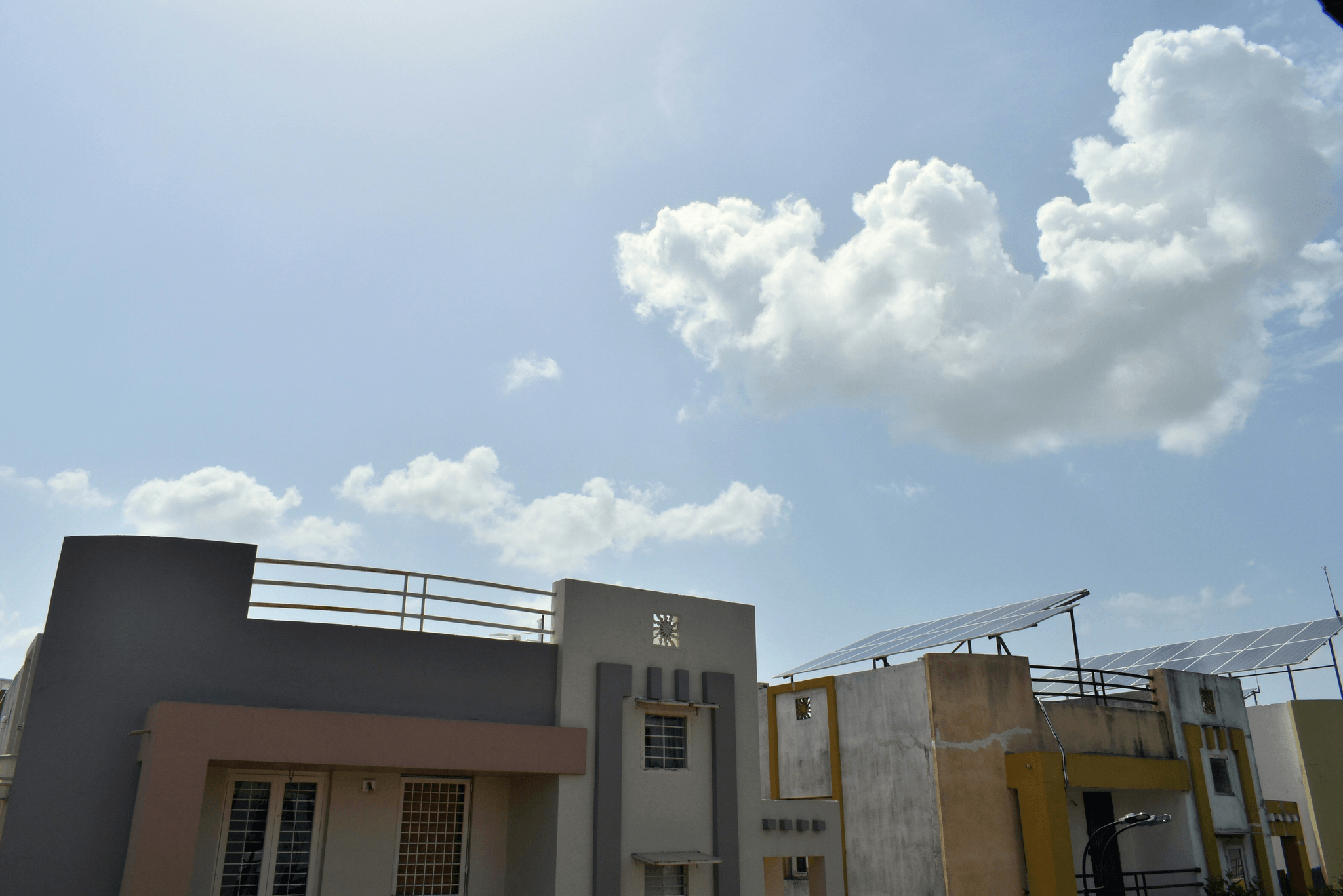
Container houses are not just a trend; they represent a significant shift toward sustainable living in China. The use of shipping containers as building materials minimizes waste and repurposes resources that would otherwise end up in landfills. Moreover, the compact nature of container homes encourages efficient use of space and energy, making them an eco-friendly alternative to traditional housing.
Environmental Impact of Container Houses
The environmental impact of container houses is largely positive, as they promote recycling and reduce the carbon footprint associated with conventional construction methods. By utilizing existing shipping containers, builders can significantly cut down on the materials needed for new structures, thus conserving resources and reducing emissions. Additionally, many container house projects incorporate energy-efficient technologies like solar panels and rainwater harvesting systems, further enhancing their eco-friendliness.
Sustainable Living Practices
Sustainable living practices are at the heart of the container house china movement. Homeowners often opt for green features such as composting toilets, greywater recycling systems, and passive heating/cooling designs that minimize energy consumption. PreFab Inc., a leader in this sector, emphasizes these practices by offering designs that not only meet aesthetic desires but also prioritize environmental responsibility.
Future of Eco-Conscious Housing in China
The future of eco-conscious housing in China looks promising with the growing acceptance of container homes as a viable solution to urban housing challenges. As more people become aware of sustainability issues, demand for container houses is expected to rise significantly. With companies like PreFab Inc. leading the charge in innovation and design tailored to eco-friendly principles, we can anticipate a thriving market that prioritizes both style and sustainability.
Conclusion
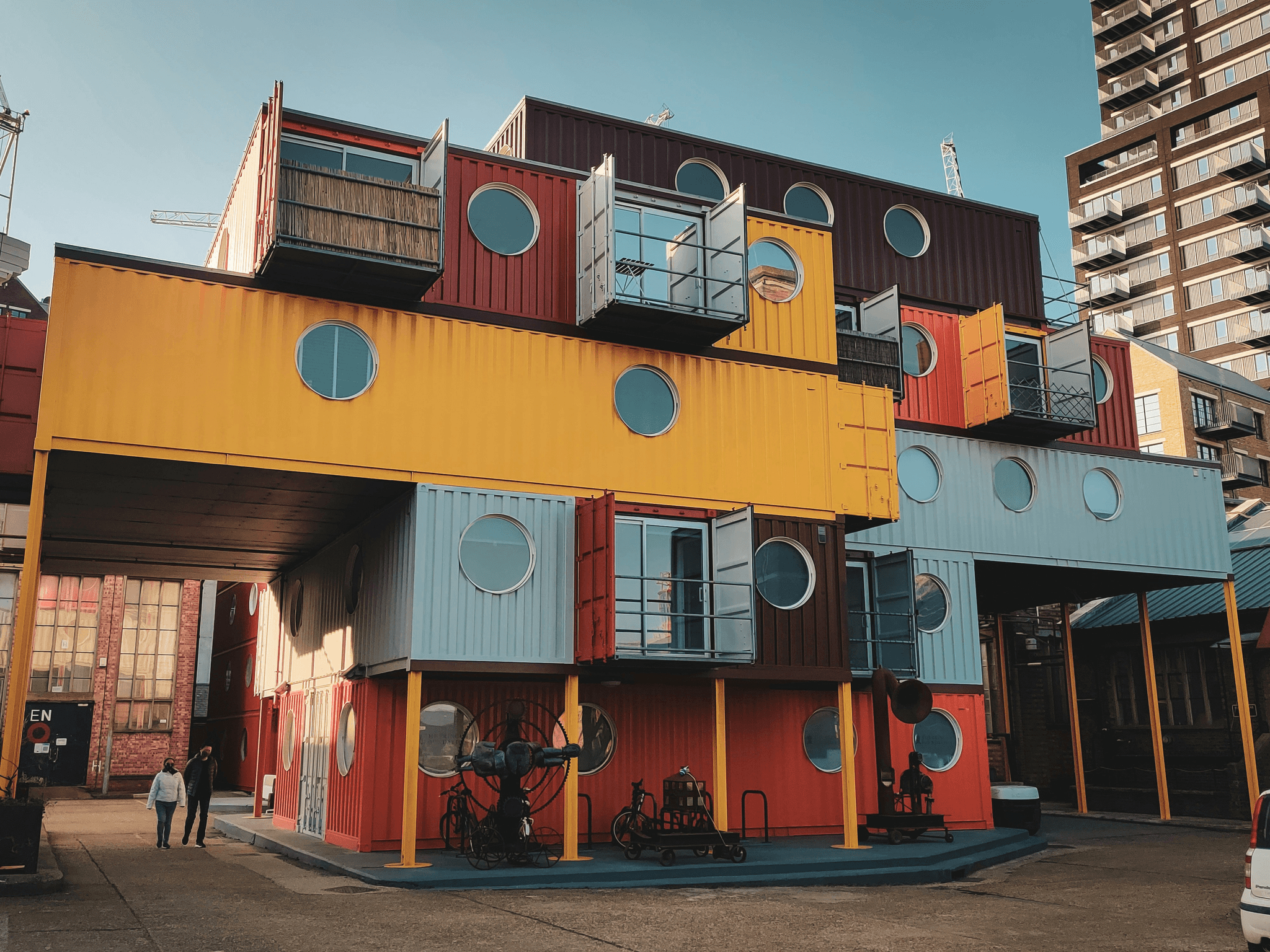
The container house trend is not just a passing fad; it's a glimpse into the future of housing in China. With rapid urbanization, rising property prices, and a growing emphasis on sustainability, container homes are emerging as a practical and innovative solution. As more people recognize the benefits of these versatile structures, it’s clear that container houses are here to stay.
Why Container Houses Are the Future
Container houses represent an exciting evolution in the way we think about living spaces in China. Their unique design allows for customization and creativity while offering an eco-friendly alternative to traditional building methods. As urban areas become more congested, container homes provide an efficient way to maximize space without compromising on style or comfort.
Key Takeaways on Container House China
The rise of container houses in China highlights a significant shift in consumer preferences towards affordable and sustainable living solutions. Key regions are embracing this trend, with influential companies like PreFab Inc. leading the charge through innovative designs and construction methods. Ultimately, understanding market demand and regulatory challenges will be crucial for those looking to invest in this burgeoning sector.
How PreFab Inc. Leads the Way
PreFab Inc. stands at the forefront of the container house movement in China, pushing boundaries with creative architecture and eco-friendly practices that resonate with modern consumers. By prioritizing sustainability while maintaining affordability, they have set a benchmark for others to follow within this industry. As we look ahead, it's clear that PreFab Inc.'s commitment to innovation will play a pivotal role in shaping the future of housing across China.