

Introduction
In a world where efficiency and sustainability are becoming increasingly crucial, modular built solutions have emerged as a game-changer in the construction industry. These innovative approaches to building not only streamline processes but also offer significant advantages over traditional construction methods. With companies like PreFab Inc. leading the charge, the rise of prefabrication is reshaping how we think about architecture and design.
Understanding Modular Built Solutions
Modular built solutions refer to structures that are manufactured off-site in controlled environments before being transported and assembled at their final location. This method contrasts sharply with conventional building practices, which typically involve on-site construction from the ground up. By using modular techniques, builders can enhance quality control, reduce labor costs, and minimize project timelines.
The Rise of Prefabrication in Construction
The popularity of prefabrication has skyrocketed due to its ability to meet the demands of a fast-paced world while maintaining high standards of quality and safety. As urbanization continues to surge globally, modular built solutions provide an efficient response to housing shortages and infrastructure needs without compromising on aesthetics or functionality. PreFab Inc., for example, is at the forefront of this revolution, proving that modern construction can be both timely and beautiful.
Why Efficiency Matters in Building
Efficiency in building is not just a buzzword; it’s a necessity in today’s competitive market where time is money. Modular built solutions allow for faster project completion times while simultaneously reducing waste and overall costs associated with traditional building methods. By embracing these efficient practices, companies like PreFab Inc. are not only enhancing their bottom line but also paving the way for more sustainable construction practices.
What are Modular Built Solutions?
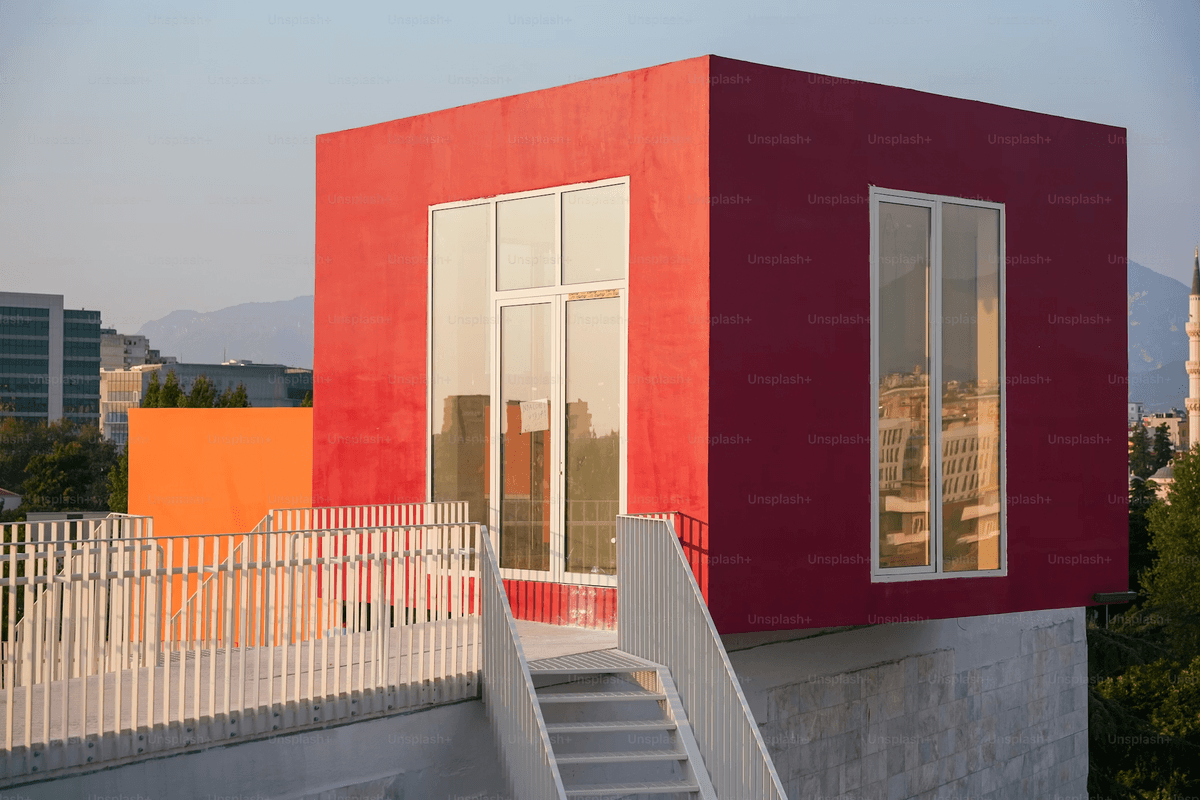
Modular built solutions represent a transformative approach to construction, emphasizing efficiency, flexibility, and sustainability. This innovative method involves prefabricating sections of a building in a controlled environment before transporting them to the site for assembly. As the demand for quicker and more reliable construction methods rises, modular built solutions are stepping into the spotlight.
Defining Modular Construction
At its core, modular construction refers to the process of creating buildings using pre-manufactured modules or sections that are assembled on-site. These modules can range from individual rooms to entire floors and are designed to fit together seamlessly. By streamlining the construction process, modular built solutions reduce time spent on-site and enhance overall project efficiency.
Benefits Over Traditional Methods
One of the standout advantages of modular built solutions is their impressive speed; projects can be completed in a fraction of the time compared to traditional building methods. This not only accelerates occupancy but also minimizes labor costs and potential delays due to weather conditions. Additionally, modular construction often results in improved quality control since modules are manufactured in a controlled setting—an edge that traditional methods sometimes lack.
Key Players in the Modular Market
The modular market is populated by several key players who are leading this revolution in construction. Companies like PreFab Inc., which specialize in innovative designs and efficient processes, have carved out significant niches within this industry. Other notable players include Katerra and Factory OS, each contributing unique approaches that further establish the viability of modular built solutions as an essential part of modern architecture.
The Efficiency of Modular Built Solutions
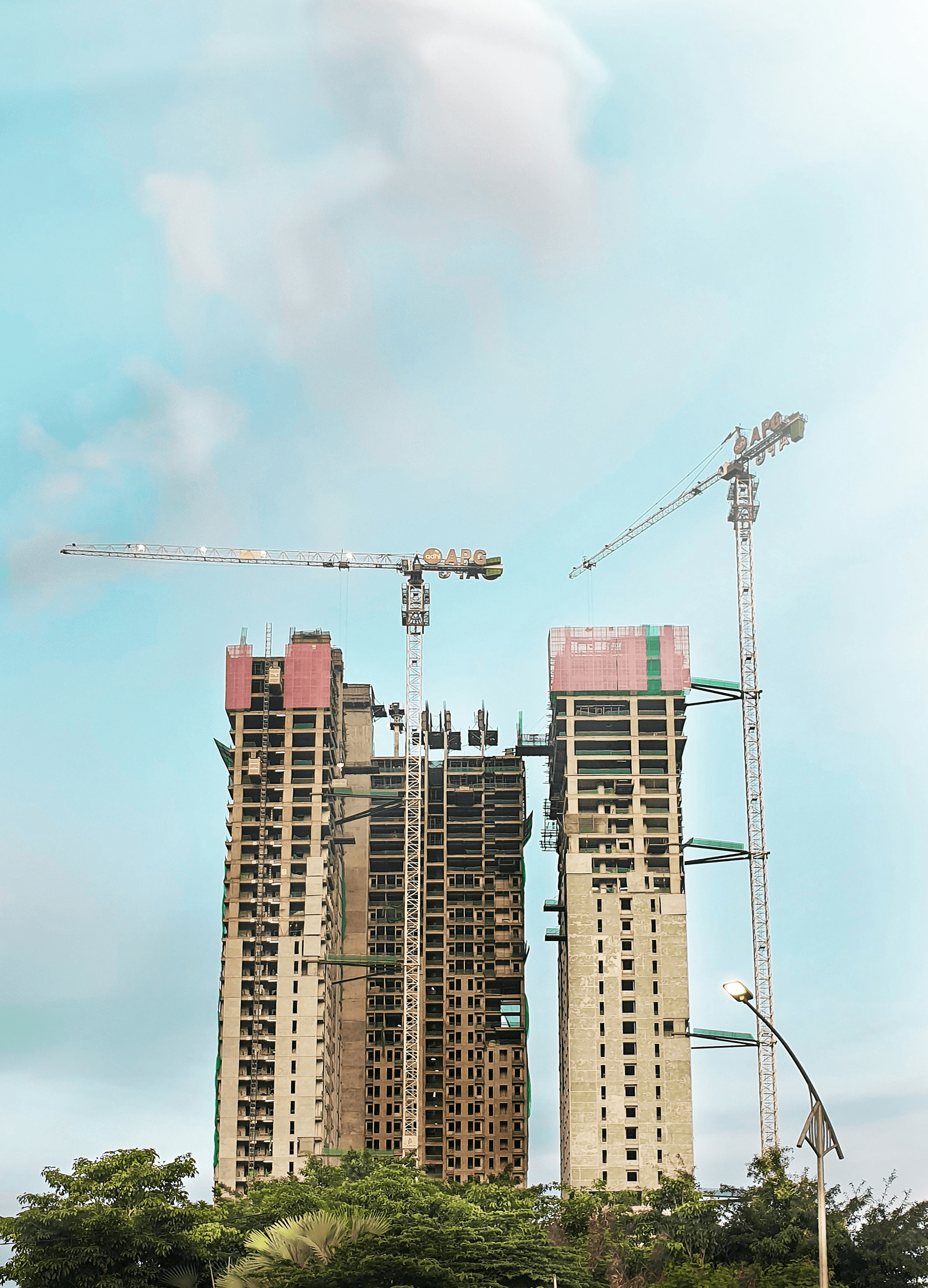
In today’s fast-paced construction landscape, efficiency is not just a buzzword; it’s a necessity. Modular built solutions have emerged as a game-changer, offering streamlined processes that drastically reduce the time required for project completion. By leveraging prefabrication techniques, builders can significantly enhance productivity while maintaining high-quality standards.
Time Savings in Construction
One of the most compelling advantages of modular built solutions is their ability to save time during construction. Traditional building methods often involve lengthy on-site assembly and delays due to weather or labor shortages. In contrast, modular construction allows components to be fabricated off-site simultaneously with site preparation, resulting in quicker overall project timelines and faster occupancy for clients.
Moreover, the efficiency of modular built systems means that projects can often be completed in half the time of conventional builds. This rapid turnaround not only benefits developers but also enhances customer satisfaction as clients can move into their new spaces sooner than expected. With PreFab Inc., you can expect an expedited process that keeps your project on track and on budget.
Cost-Effectiveness Compared to Traditional Builds
When it comes to budgeting for construction projects, cost-effectiveness is king—and modular built solutions shine in this area as well. The reduced construction time directly correlates with lower labor costs and minimized overhead expenses, making prefabricated buildings an attractive option for both developers and investors alike.
Additionally, because many components are manufactured under controlled conditions, there’s less waste and fewer costly errors compared to traditional building methods. PreFab Inc.’s commitment to efficient practices ensures that your investment goes further without compromising quality or design integrity.
Case Study: PreFab Inc. Success Stories
To illustrate the remarkable efficiency of modular built solutions, let’s take a look at some success stories from PreFab Inc., where innovation meets practicality head-on. One standout project involved constructing a multi-family housing complex that was completed 30% faster than projected timelines using traditional methods—saving both time and money for stakeholders involved.
Another impressive case was a commercial office space designed with sustainability in mind; it utilized modular built techniques that cut down on waste by 40%. These success stories exemplify how choosing PreFab Inc., with its focus on efficiency through modularity, can lead you towards achieving your project goals swiftly while ensuring financial prudence.
Sustainability in Modular Built Solutions
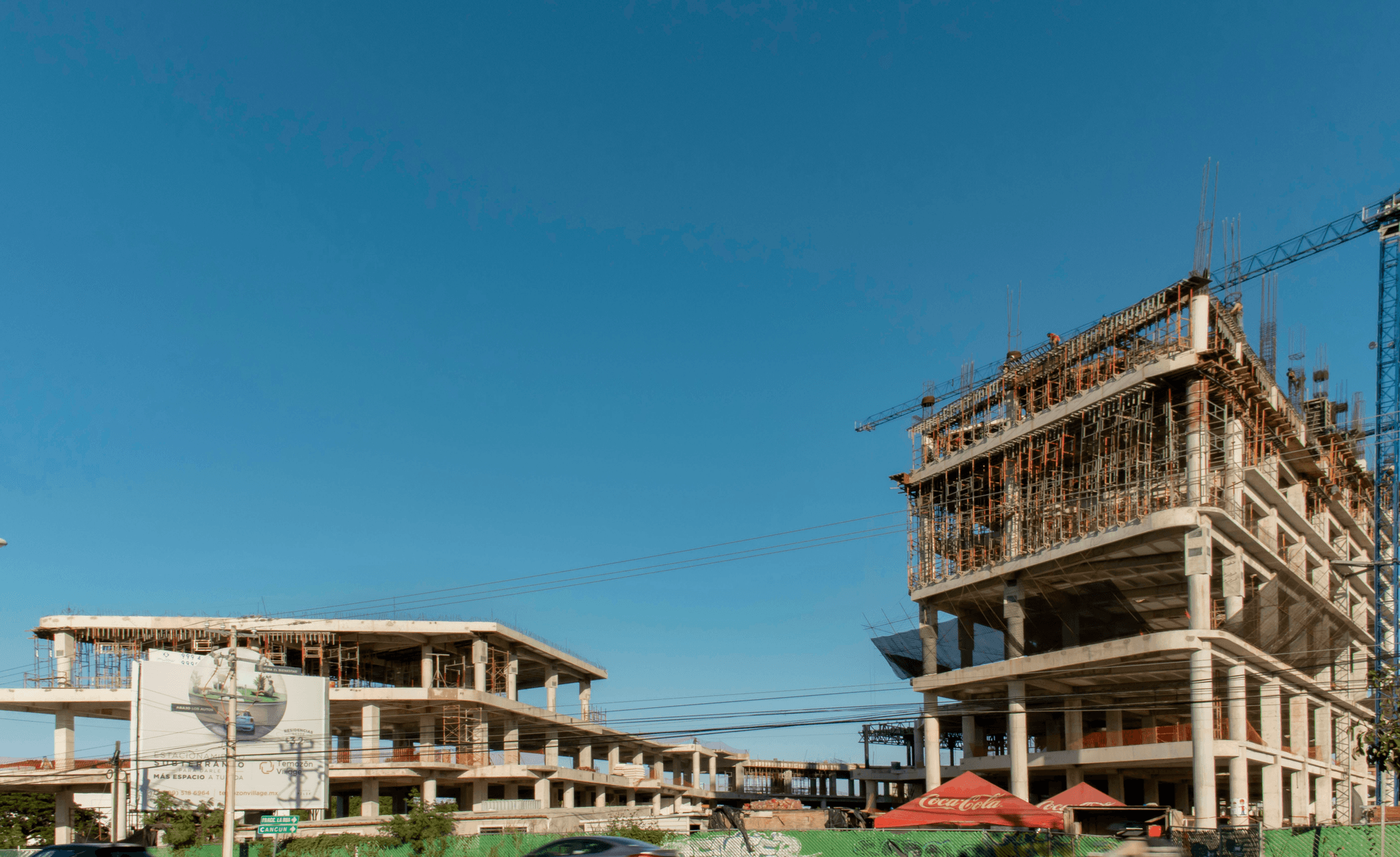
As the world increasingly prioritizes sustainability, modular built solutions are stepping up to the plate. By integrating eco-friendly materials and practices into their construction processes, companies like PreFab Inc. are leading the charge toward greener building methods. This not only benefits the environment but also resonates with consumers who value sustainability in their purchasing decisions.
Eco-Friendly Materials and Practices
In the realm of modular built solutions, eco-friendly materials are becoming a cornerstone of modern construction practices. From recycled steel to sustainably sourced timber, PreFab Inc. emphasizes using materials that minimize environmental impact while ensuring structural integrity. Additionally, innovative insulation techniques and energy-efficient windows further enhance the sustainability of these modular builds, making them a smart choice for environmentally conscious developers.
Reducing Waste in the Building Process
One of the standout features of modular built solutions is their ability to significantly reduce waste during construction. Traditional building methods often result in substantial material scraps; however, with precision manufacturing techniques employed by PreFab Inc., waste is minimized right from design to delivery. The factory-controlled environment allows for better planning and reuse of materials, ensuring that what goes into a project is used efficiently and effectively.
Impact on Carbon Footprint
The carbon footprint associated with construction is a critical concern for many stakeholders today, and modular built solutions offer a compelling answer to this challenge. By streamlining processes and reducing transportation emissions through local assembly, companies like PreFab Inc. can drastically lower overall carbon outputs compared to traditional construction methods. As more builders recognize this potential for reduced environmental impact, we can anticipate wider adoption of modular strategies across various sectors.
Innovations Driving Modular Construction
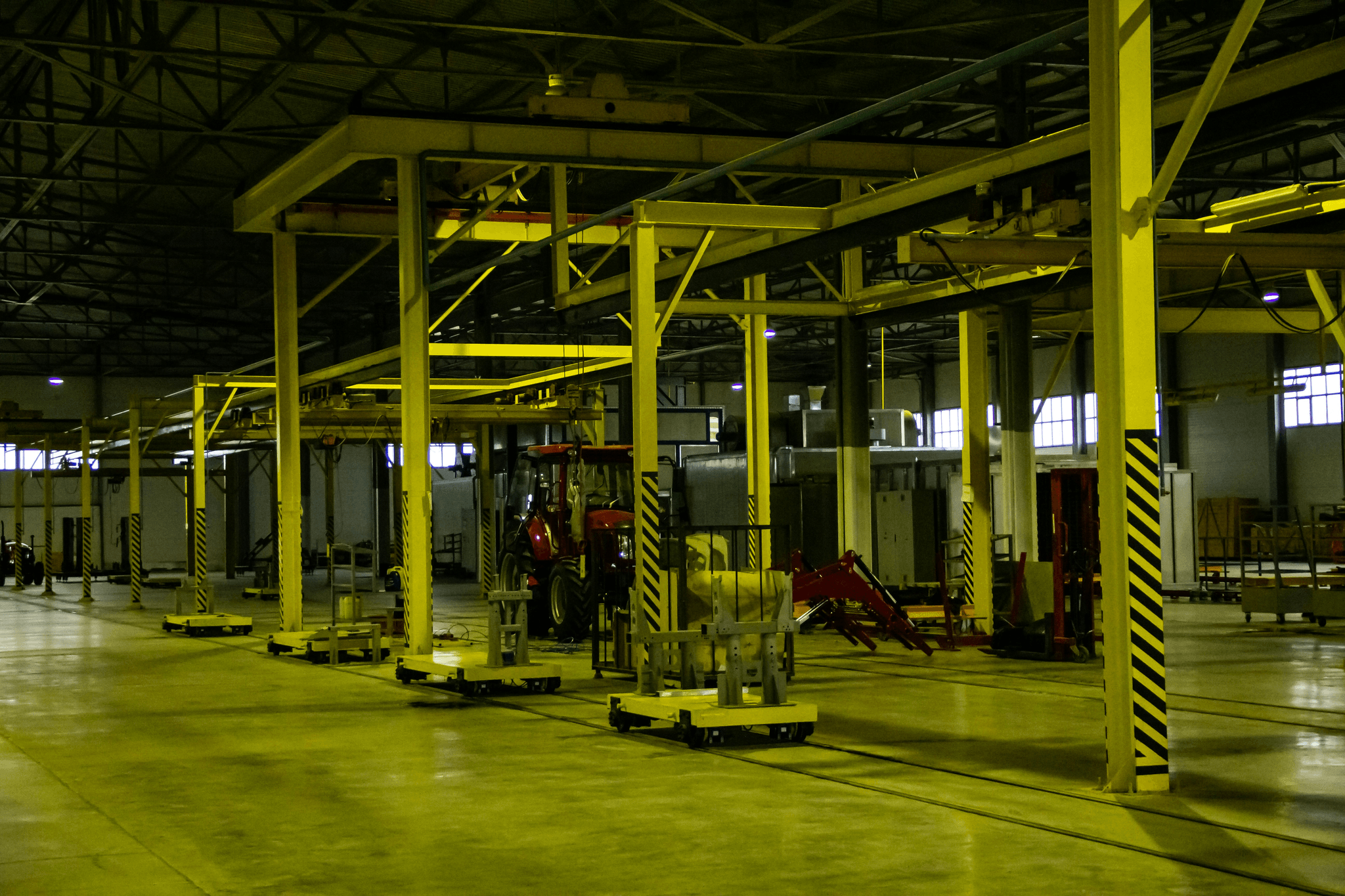
The modular built industry is experiencing a seismic shift thanks to groundbreaking innovations that are streamlining the prefabrication process. These advancements are not only enhancing efficiency but also redefining what’s possible in construction design and execution. Companies like PreFab Inc. are at the forefront, harnessing technology to transform how we think about modular built solutions.
Technological Advances Revolutionizing Prefabrication
The advent of cutting-edge technologies is revolutionizing modular built solutions, making them faster and more efficient than ever before. From 3D printing to advanced robotics, these innovations allow for precise manufacturing and quicker assembly times on-site. PreFab Inc. leverages these technologies to ensure that each modular component is crafted with accuracy and speed, minimizing delays and reducing labor costs.
Moreover, Building Information Modeling (BIM) has become an indispensable tool in the modular construction landscape. BIM enables architects and builders to visualize projects in a digital space before any physical work begins, allowing for seamless collaboration across teams. This level of foresight helps mitigate costly mistakes and enhances overall project management—a win-win for everyone involved.
Prefab Designs: From Concept to Reality
Turning innovative ideas into tangible structures is where the magic of modular built solutions truly shines. With sophisticated design software, PreFab Inc. can transform initial concepts into detailed plans that guide the entire construction process efficiently. The flexibility of prefab designs allows for customization without sacrificing quality or increasing costs significantly.
As a result, clients can enjoy unique architectural styles while benefiting from the rapid turnaround times associated with modular builds. Whether it’s residential homes or commercial spaces, the adaptability of prefab designs caters to diverse needs and preferences in today’s market. This ability to blend creativity with efficiency makes modular construction a compelling choice for modern builders.
Smart Building Features in Modular Solutions
Incorporating smart technology into modular built solutions is another trend reshaping the industry landscape today! From energy-efficient systems to integrated IoT devices, smart building features enhance both functionality and sustainability within prefabricated structures. PreFab Inc.’s commitment to innovation ensures that every project not only meets but exceeds contemporary expectations for performance.
These smart features offer homeowners increased control over their living environments while promoting energy conservation—an essential consideration in today’s eco-conscious society! Imagine controlling your home’s heating or lighting remotely; it’s all part of what makes modern modular builds so appealing! As we embrace this tech-savvy approach, it becomes clear that the future of construction lies in intelligent design married with efficient building practices.
Challenges Facing the Modular Industry
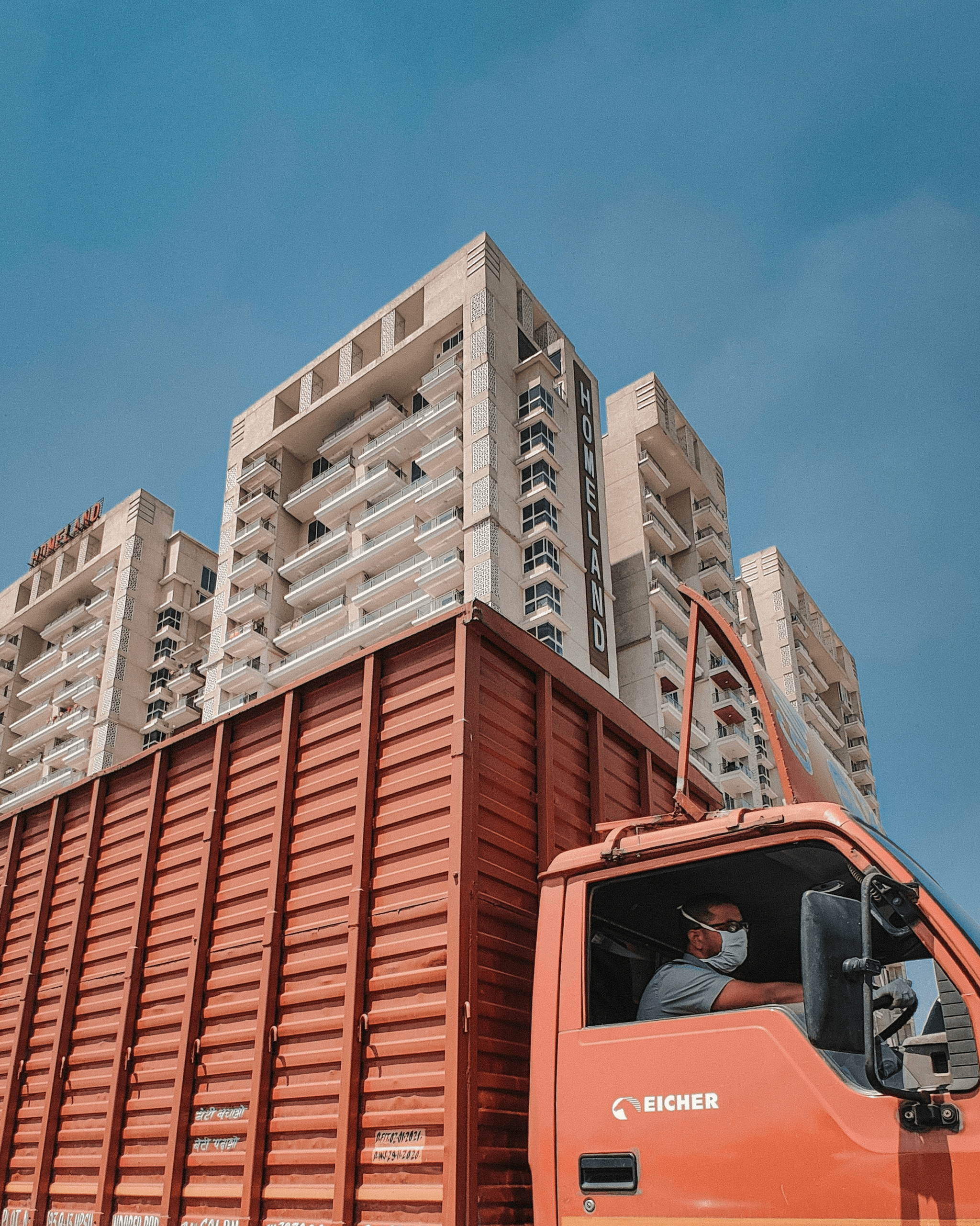
While modular built solutions are gaining traction, they still face an uphill battle in overcoming certain challenges that can hinder their widespread acceptance and implementation. The perception of modular construction often lags behind reality, leaving potential clients unsure about its viability compared to traditional building methods. Addressing these misconceptions is crucial for companies like PreFab Inc. to showcase the true benefits of modular built solutions.
Perception vs. Reality of Modular Built Solutions
The perception of modular built solutions often paints them as inferior or less customizable than traditional construction methods, which is far from the truth. In reality, modern modular buildings offer a range of designs and customization options that rival conventional structures, allowing for creative freedom without sacrificing quality. PreFab Inc. has worked diligently to educate clients on how these innovative approaches can deliver not only aesthetic appeal but also functional excellence in various projects.
Despite the advantages of speed and efficiency inherent in modular construction, some stakeholders remain hesitant due to outdated stereotypes about prefabrication being synonymous with low-quality housing or temporary structures. This disconnect between perception and reality creates a barrier that must be dismantled through education and real-life success stories showcasing the durability and versatility of modular built solutions. By highlighting successful projects and satisfied clients, PreFab Inc. aims to bridge this gap and change minds about what modern modular construction can achieve.
Navigating Zoning and Regulatory Hurdles
Another significant challenge facing the modular industry is navigating zoning laws and regulatory hurdles that vary widely by location. Many municipalities have outdated regulations that do not account for the unique nature of modular built solutions, leading to complications during permitting processes or project approvals. Companies like PreFab Inc., with their expertise in navigating these complexities, play a vital role in ensuring compliance while advocating for more flexible policies that support innovative building practices.
In many cases, local governments may require extensive inspections or approvals that can slow down project timelines significantly compared to traditional builds where processes are well-established. This added layer of bureaucracy can deter potential clients who are eager for faster turnaround times associated with modular construction but are wary of getting bogged down by red tape instead. To combat this issue, collaboration between industry leaders like PreFab Inc., local authorities, and advocacy groups is essential to streamline regulations without compromising safety standards.
Furthermore, educating policymakers about the benefits of modular built solutions—such as reduced waste during construction—can help shift perceptions towards more favorable regulations that encourage innovation rather than stifle it with outdated rules.
Overcoming Quality Concerns
Quality concerns remain a significant barrier for many when considering modular built solutions over traditional methods; however, these fears are often unfounded when one examines modern manufacturing techniques used today. With advancements in technology and quality control measures implemented by companies like PreFab Inc., each module undergoes rigorous testing before it ever reaches a building site—ensuring high standards from start to finish.
Moreover, manufacturers have adopted sustainable practices that not only enhance quality but also contribute positively to environmental goals—a win-win scenario for both builders and buyers alike! By investing in superior materials combined with cutting-edge design techniques tailored specifically for prefabrication processes ensures longevity without compromising aesthetics or functionality.
To further alleviate concerns surrounding quality assurance within the realm of modular constructed buildings requires transparency throughout every stage—from planning through execution—and ongoing communication between stakeholders involved throughout each project lifecycle! Demonstrating commitment toward excellence will ultimately foster trust among consumers who may otherwise hesitate due solely based on misconceptions surrounding perceived inferiority associated historically linked previous iterations within this evolving field!
Conclusion
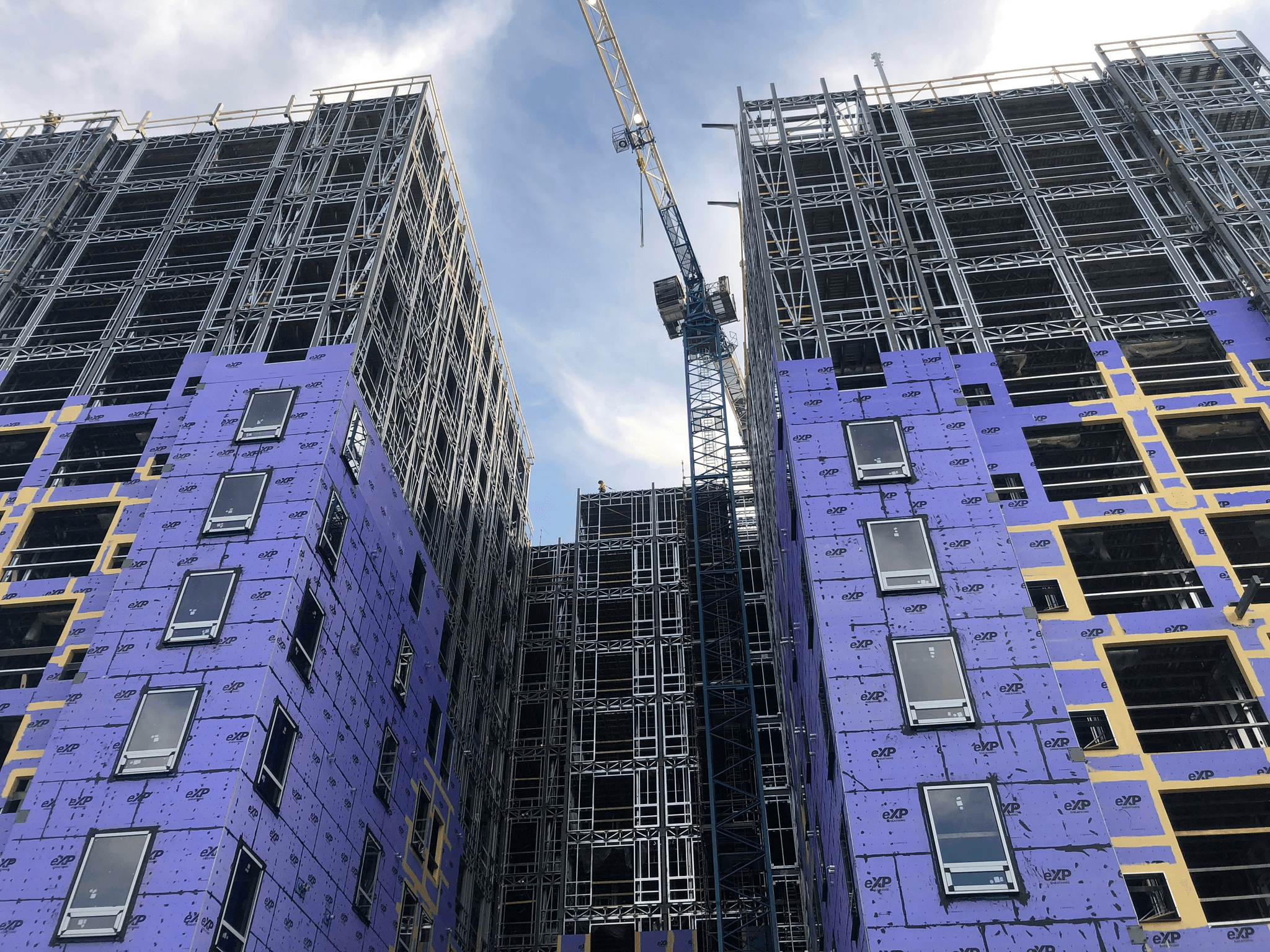
As we wrap up our exploration of modular built solutions, it’s clear that this innovative approach to construction is not just a trend but a transformative movement. The future of modular built solutions looks bright, with advancements in technology and growing acceptance among builders and consumers alike. As more projects embrace the efficiency and sustainability offered by modular construction, we can expect to see a shift in how buildings are designed, constructed, and perceived.
The Future of Modular Built Solutions
The future of modular built solutions is poised for exponential growth as industries continue to recognize the benefits they offer. With increasing urbanization and the demand for quick yet quality housing solutions, modular construction stands out as an effective answer to these challenges. Innovations in design and manufacturing will pave the way for even more versatile structures that cater to diverse needs while minimizing environmental impact.
Choosing PreFab Inc. for Your Next Project
When considering your next building project, PreFab Inc. should be at the top of your list for modular built solutions. Our commitment to quality craftsmanship combined with cutting-edge technology ensures that every structure we create meets high standards while being completed on time and within budget. With a portfolio showcasing successful projects across various sectors, choosing PreFab Inc. means opting for reliability and innovation in your construction journey.
Embracing the Modular Revolution in Construction
Embracing the modular revolution in construction is about more than just adopting new methods; it’s about rethinking how we approach building altogether. Modular built solutions offer an exciting opportunity to create spaces that are not only functional but also sustainable and efficient—perfectly aligned with modern values and lifestyles. By integrating these innovative practices into our projects, we can build a better future together—one module at a time.