

Introduction
In the ever-evolving landscape of construction, understanding modular building price trends is more crucial than ever. With a growing emphasis on efficiency and sustainability, modular construction has emerged as a viable alternative to traditional building methods. However, navigating the complexities of pricing can be daunting for both builders and buyers alike.
Understanding Modular Building Price Trends
To grasp the fluctuations in modular building prices, one must consider various influencing factors such as materials, labor availability, and regional economic conditions. As demand for quick and efficient housing solutions increases, prices are also shifting to reflect these market dynamics. Keeping an eye on these trends can empower stakeholders to make informed decisions that align with their budgetary constraints.
Importance of Tracking Price Changes
Tracking price changes in the modular building sector is essential for several reasons—it helps businesses like PreFab Inc. forecast costs accurately and remain competitive in a crowded market. By staying informed about price shifts, developers can better plan their projects and avoid unexpected financial pitfalls that could derail timelines or budgets. Moreover, understanding these changes allows consumers to identify when it might be advantageous to invest in modular solutions.
Factors Influencing Modular Building Costs
Several factors contribute to the overall costs associated with modular buildings, including labor rates, material choices, and regulatory requirements specific to different regions. For instance, fluctuating supply chains can lead to significant variations in material costs that ultimately affect the final modular building price. Additionally, local labor markets play a pivotal role; areas with higher wages may see increased construction costs compared to regions where labor is more affordable.
The Basics of Modular Building Pricing

Understanding the fundamental aspects of modular building pricing is essential for anyone considering this innovative construction method. Modular buildings, which are prefabricated off-site and then assembled on location, often present unique cost structures compared to traditional construction methods. By delving into the basics of modular construction costs, you can gain valuable insights into how these prices are determined and what factors play a significant role.
Overview of Modular Construction Costs
When it comes to modular building price, the initial costs can be quite competitive with traditional building methods. Generally, the average modular construction cost ranges from $100 to $200 per square foot, depending on various factors such as design complexity and material choices. This pricing often includes site preparation, transportation of modules, and assembly on-site — all crucial elements that contribute to the overall budget.
One key advantage of modular construction is its efficiency in time and labor costs. Since much of the work occurs in a controlled factory environment, weather delays are minimized and labor productivity tends to increase. This streamlined process not only reduces project timelines but can also lead to significant savings in labor expenses — making modular buildings an attractive option for developers looking at their bottom line.
Comparing Modular to Traditional Building Prices
When comparing modular building prices with those associated with traditional construction methods, it's important to consider both immediate costs and long-term value. While traditional buildings often involve higher upfront expenses due to longer build times and increased labor requirements, modular projects typically offer quicker occupancy dates and lower overall costs. In fact, many builders find that they can save anywhere from 10% to 20% by opting for a modular approach.
However, it’s not just about numbers; quality also plays a pivotal role in this comparison. PreFab Inc., for example, emphasizes high-quality materials and craftsmanship in its modular builds that rival or exceed those found in conventional constructions. This focus on quality means that while initial prices may appear similar or slightly higher at times for certain features or finishes, the long-term durability often makes up for any perceived differences.
Key Cost Components in Modular Projects
To fully grasp how modular building prices are formulated, it's essential to break down the key components that contribute to these costs. Major elements include design fees (which can vary based on complexity), materials (ranging from basic options to high-end finishes), transportation expenses (for moving modules from factory to site), and installation labor (which is generally more efficient than traditional methods). Each component plays a vital role in determining the final price tag.
Additionally, site preparation cannot be overlooked; proper foundation work is critical before any modules arrive on-site. The choice between using standard materials versus sustainable options will also influence overall pricing significantly—sustainable materials may have higher upfront costs but could lead to savings over time through energy efficiency benefits. As you navigate through these various cost components with PreFab Inc., you'll discover how each aspect interacts dynamically within your overall budget framework.
Regional Variations in Pricing

When it comes to modular building price, the landscape can shift dramatically depending on where you are in the United States. Each region has its own unique economic factors, labor availability, and material costs that can influence pricing. Understanding these variations is crucial for anyone considering a modular construction project.
Price Differences Across the United States
The modular building price can fluctuate significantly from one state to another. For example, states with higher living costs like California and New York often see elevated prices due to increased demand and expensive materials. In contrast, regions like the Midwest may offer more competitive pricing due to lower labor costs and abundant resources, making them attractive options for budget-conscious builders.
Moreover, local regulations and zoning laws can also play a role in determining modular building prices across different states. Areas with stringent building codes may require additional investments in compliance measures, which can drive up overall costs. Therefore, it's essential for potential buyers to research specific regional pricing trends before diving into their projects.
Impact of Local Labor Markets on Costs
Local labor markets have a substantial impact on modular building prices as well. Regions with a surplus of skilled workers typically enjoy lower labor costs because competition keeps wages in check. Conversely, areas facing labor shortages may see inflated prices as companies compete for a limited pool of qualified workers.
PreFab Inc. has observed that some cities are experiencing rapid growth in their construction sectors, leading to increased demand for skilled tradespeople and consequently higher wages. This rising cost of labor directly influences the overall modular building price and should be factored into any budget considerations. As such, understanding local employment trends is vital when planning any modular construction project.
Case Studies of Pricing in Major Cities
To illustrate how regional variations affect modular building prices, let's look at some case studies from major U.S. cities. In New York City, where space is at a premium and demand is high, the average cost per square foot for modular buildings can soar above $300—a stark contrast to more affordable cities like Atlanta or Phoenix where prices hover around $150 per square foot.
In San Francisco, innovative designs paired with high-end materials have pushed modular building prices even higher—often exceeding $400 per square foot! Meanwhile, PreFab Inc.'s projects in smaller markets have demonstrated how strategic planning can yield significant savings without sacrificing quality or design integrity. These case studies highlight not only the importance of location but also how market dynamics shape pricing structures across various regions.
The Role of Materials in Pricing
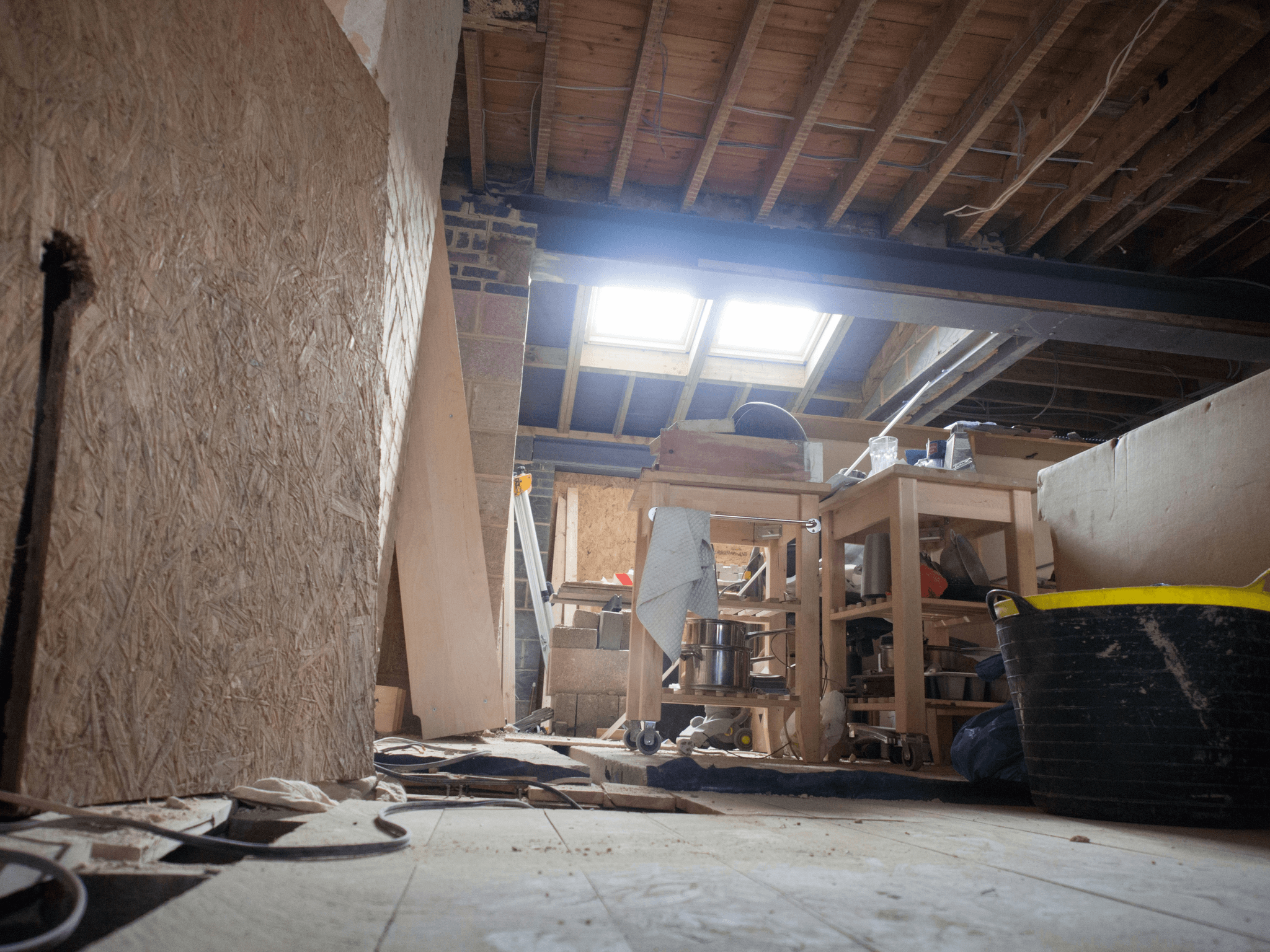
When it comes to modular building price, the choice of materials can significantly sway overall costs. From the foundation to the finishing touches, every material selected plays a role in determining both quality and expense. Understanding how these choices impact pricing is crucial for builders and homeowners alike.
How Material Choices Affect Overall Costs
Material selection is one of the most critical factors influencing modular building price. High-quality materials might come with a higher upfront cost but can lead to savings over time through durability and lower maintenance needs. Conversely, opting for cheaper materials may reduce initial expenses but could result in higher long-term costs due to repairs or replacements.
Moreover, different types of construction materials have varying price points based on availability and demand. For example, traditional wood framing may be less expensive than steel framing initially; however, steel's longevity can make it a more cost-effective option in the long run. At PreFab Inc., we emphasize selecting materials that balance cost with performance to provide our clients with optimal value.
Sustainable Materials and Their Price Implications
In recent years, sustainable materials have gained traction within the modular construction industry, influencing modular building prices as well. While these eco-friendly options often come at a premium initially, they can yield significant savings through energy efficiency and reduced environmental impact over time. Investing in sustainable materials not only supports green building practices but can also enhance property value.
However, it's essential to consider that sustainable options might require specialized suppliers or skilled labor for installation, which could affect overall project costs. At PreFab Inc., we are committed to integrating sustainable practices into our projects while carefully managing pricing implications for our clients. This approach helps ensure that sustainability doesn’t break the bank while still delivering high-quality results.
Trends in Material Prices and Their Impact on Modular Buildings
The landscape of material prices is constantly evolving due to various economic factors like supply chain disruptions and market demand shifts—both of which directly influence modular building prices. For instance, fluctuations in lumber prices have been particularly pronounced recently; when lumber costs spike, so do overall project expenses for modular buildings that rely heavily on wood products.
Additionally, emerging trends such as prefabricated components using advanced composite materials are reshaping the pricing structure within the industry. These innovations often promise better performance at competitive prices but require careful consideration during budgeting processes at companies like PreFab Inc., where we strive to stay ahead of market changes while keeping client costs manageable.
As we look ahead at future projects and potential pricing shifts within the modular construction sector, understanding material trends will be vital for making informed decisions that align with budgetary constraints without sacrificing quality or sustainability.
Economic Factors Shaping Pricing Trends

Understanding the economic factors that influence modular building prices is crucial for stakeholders in the construction industry. Fluctuations in supply and demand, inflation rates, and broader economic cycles all play significant roles in shaping the costs associated with modular construction. By analyzing these elements, companies like PreFab Inc. can better strategize their pricing models to remain competitive.
The Influence of Supply and Demand Dynamics
Supply and demand dynamics are foundational to understanding modular building prices. When demand for modular structures rises—often due to housing shortages or increased interest in sustainable living—prices tend to follow suit as manufacturers scramble to meet this demand. Conversely, if supply outstrips demand, we might see a dip in prices, providing a unique opportunity for buyers looking to invest in modular buildings.
In recent years, the popularity of prefabricated structures has surged, leading to a tighter market where prices can fluctuate dramatically based on consumer interest and availability of materials. Companies like PreFab Inc. must navigate these shifts carefully; staying attuned to market trends can help them forecast pricing changes effectively. Understanding local markets is also essential since regional variations can significantly impact overall costs.
Inflation and Its Effects on Modular Building Prices
Inflation is an ever-present factor that affects nearly every aspect of the economy, including modular building prices. As inflation rises, so do the costs of raw materials needed for construction—think lumber, steel, and other essential components—which directly impacts the price point of modular projects. This ripple effect means that even if base labor costs remain stable, overall project expenses may still climb due to inflated material costs.
For companies like PreFab Inc., keeping an eye on inflation trends is crucial for maintaining profitability while offering competitive pricing on their modular buildings. Moreover, clients should be aware that rising inflation may lead them to reconsider their budgets or project timelines as they plan new constructions or renovations. Adjusting expectations around timelines and costs can help mitigate potential shocks from sudden price increases driven by inflationary pressures.
Economic Cycles and Their Relationship to Modular Costs
Economic cycles—periods of expansion followed by contraction—play a pivotal role in determining modular building prices over time. During economic booms, increased investment often leads to higher demand for new housing solutions such as modular units; consequently, this surge can elevate prices significantly as companies rush to capitalize on opportunities presented by a thriving market environment. Conversely, during recessions or downturns when spending tightens up considerably, we might see reduced demand leading to lower prices as competition heats up among suppliers.
PreFab Inc., aware of these cyclical patterns, strategically positions itself within various markets by adapting its offerings based on economic forecasts such as GDP growth rates or employment statistics related to construction sectors. By aligning their production strategies with anticipated economic conditions, they not only optimize their operational efficiency but also provide clients with better insights into future pricing trends for modular buildings—a win-win scenario!
Future Predictions for Modular Building Prices

As the modular construction industry continues to evolve, future predictions regarding modular building prices are increasingly relevant. Experts are closely monitoring various factors that could influence costs, from economic shifts to technological advancements. Understanding these predictions can help stakeholders make informed decisions in a rapidly changing market.
Expert Opinions on Pricing Trends
Industry experts anticipate a moderate increase in modular building prices over the next few years, primarily driven by inflation and rising material costs. However, many believe that the efficiency of modular construction will keep these price hikes more manageable compared to traditional building methods. According to analysts at PreFab Inc., while the initial investment may rise slightly, the long-term savings associated with faster build times and reduced labor costs will offset these increases.
Innovations That Could Reduce Costs
Innovations in technology and materials hold significant promise for reducing modular building prices in the near future. For instance, advancements in prefabrication techniques and automation are expected to streamline production processes, leading to lower labor costs per unit. Furthermore, sustainable materials that have become more accessible may not only reduce environmental impact but could also lead to cost savings as they gain popularity within the industry.
Long-Term Market Trends to Watch
Looking ahead, several long-term market trends could shape modular building prices significantly. The growing emphasis on sustainability is likely to push demand for eco-friendly materials and energy-efficient designs, which could alter cost structures across the board. Additionally, as urbanization continues and housing demands rise in major cities, companies like PreFab Inc. must adapt their pricing strategies accordingly to remain competitive while meeting consumer needs.
Conclusion

As we wrap up our exploration of modular building prices, it's clear that understanding the dynamics at play is essential for anyone looking to invest in this innovative construction method. The trends we've discussed reveal a landscape influenced by various factors, from material costs to regional pricing differences, all of which contribute to the overall modular building price. By keeping an eye on these elements, stakeholders can make informed decisions that align with their budget and project goals.
Key Takeaways on Modular Building Prices
One of the most striking takeaways is that modular building prices can vary significantly based on numerous factors, including location and materials used. While generally more cost-effective than traditional construction methods, there are instances where the modular building price can be competitive or even exceed conventional options due to specific project requirements or market fluctuations. Ultimately, staying updated on pricing trends and understanding the key cost components will empower buyers to navigate this evolving market with confidence.
The Future of Modular Construction Costs
Looking ahead, predictions indicate that modular construction costs may continue to evolve due to ongoing innovations and shifts in economic conditions. As technology advances and sustainable practices become more mainstream, we might see a reduction in the modular building price over time. Additionally, as demand for affordable housing solutions rises, industry players will likely adapt their strategies to offer competitive pricing while maintaining quality.
How PreFab Inc. is Adapting to Pricing Trends
At PreFab Inc., we recognize the importance of adapting our business model in response to changing modular building prices and market demands. By investing in efficient production processes and sustainable materials, we aim not only to keep our costs competitive but also provide value-driven solutions for our clients. Our commitment extends beyond just offering great prices; it’s about ensuring that every project reflects quality craftsmanship while being mindful of budget constraints.